

Kirjahaku
Etsi kirjoja tekijän nimen, kirjan nimen tai ISBN:n perusteella.
1000 tulosta hakusanalla Amy Stuart

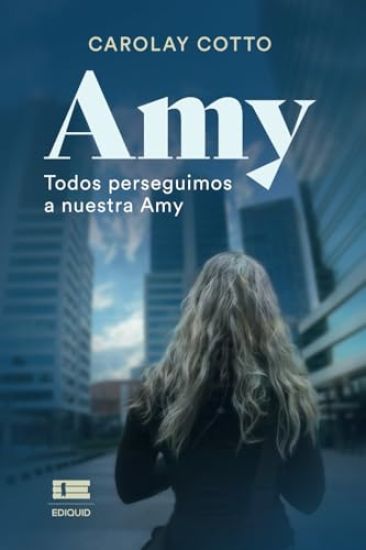
Coping and struggling should be the last thing on a young child's mind, the results could be disastrous.




Amy Winehouse needs no introduction. A critically acclaimed recording artist, she touched millions with her music during her short but extraordinary life.
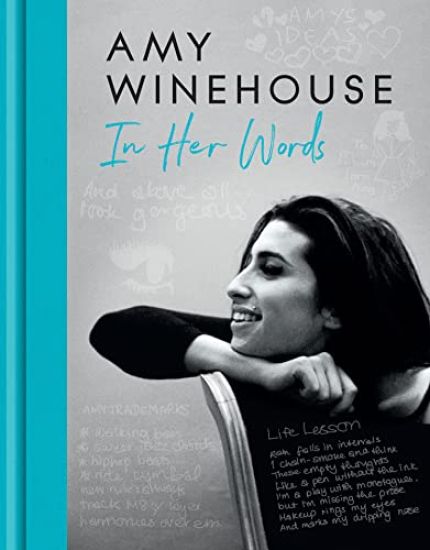
Amy Winehouse – In Her Words
Amy Winehouse; Mitch Winehouse; Janis Winehouse
HARPERCOLLINS PUBLISHERS
2023
sidottu
Global icon Six-time Grammy winner Headline-maker The most talented recording artist of her generation Much has been said about Amy Winehouse since her tragic death aged just 27. But who was the real Amy? Amy Winehouse: In Her Words shines a spotlight on her incredible writing talent, her wit, her charm and lust for life. Bringing together Amy’s own never-before-seen journals, handwritten lyrics and family photographs together for the first time, this intimate tribute traces her creative evolution from growing up in North London to global superstardom, and provides a rare insight into the girl who became a legend. * The Estate of Amy Winehouse will donate 100% of the advance and royalties it receives (net of agency fees charged) from the production and sale of this book to The Amy Winehouse Foundation (registered charity number 1143740). The minimum donation will be £70,000. These funds will assist the charity in continuing their vital work helping thousands of young people to feel supported in managing their emotional wellbeing and making informed life choices. Initiatives include Amy’s Place, which provides addiction recovery housing for young women; resilience-building programmes in schools and music therapy programmes supporting children with special educational needs and life-limiting conditions. More information can be found at https://amywinehousefoundation.org.



The intimate, inside story of the ultimately tragic life of multiple Grammy Award-winning singer and songwriter Amy Winehouse ("Rehab," "Back to Black") is told by the one person most able to tell it--Amy's closest advisor, her inspiration, and best friend: her father, Mitch. Amy, My Daughter includes exclusive, never-before-seen photos and paints an open and honest portrait of one of the greatest musical talents of our time.
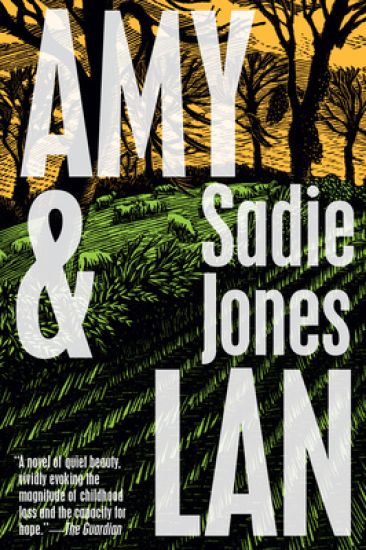
The author of the highly acclaimed, bestselling novel The Uninvited Guests returns with a captivating coming of age story told by Amy and Lan, two children whose journey from innocence to moving experience is shaped by their families' attempt at the pastoral dream on a farm, deep in the English countryside."The very first thing I remember is standing on the water-butt in the garden, with my Mum holding me to stop me falling, singing 'I'm On Top of the World', and the smell of the new wood in the hot sun. And something do with Mum's silver necklace. Amy doesn't remember any of that. Her very first memory is our wolfhound Ivan knocking her over in a puddle. Or it might be eating a boiled egg, and looking at the daisies on her kitchen tablecloth."Amy Connell and Lan Honey are having the best childhood ever. They live on a 78-acre farm in the South West of England, with sisters and brothers, other kids, chickens, goats, three dogs, and even a calf, called Gabriella Christmas. "Honeys in the Farmhouse, Connells in the Cowhouse, Hodges in the Carthouse . . ."The three sets of parents are best friends who came to Frith from the city, and are learning, year after year, how to farm the land.Free and unsupervised, Amy and Lan play with axes and climb on haystacks, but there is grownup danger at Frith they don't see. It's Gail, Lan's mother, and Adam, Amy's father who should be more careful. They should learn what kids know: never to play with fire.
The Estate of Amy Winehouse will donate 100% of the advance and royalties it receives from the production and sale of this book to The Amy Winehouse Foundation. These funds will help assist the charity in continuing their vital work helping thousands of young people to feel supported in managing their emotional wellbeing and making informed life choices.*Global iconSix-time Grammy winnerHeadline-makerThe most talented recording artist of her generationMuch has been said about Amy Winehouse since her tragic death aged at age 27. But who was the real Amy?Amy Winehouse: In Her Words shines a spotlight on her incredible writing talent, her wit, her charm and lust for life. Bringing together Amy's own never-before-seen journals, handwritten lyrics and family photographs together for the first time, this intimate tribute traces her creative evolution from growing up in North London to global superstardom, and provides a rare insight into the girl who became a legend.* The Estate of Amy Winehouse will donate 100% of the advance and royalties it receives (net of agency fees charged) from the production and sale of this book to The Amy Winehouse Foundation (registered charity number1143740). The minimum donation will be 70,000. Initiatives include Amy's Place, which provides addiction recovery housing for young women; resilience-building programs in schools and music therapy programs supporting children with special educational needs and life-limiting conditions. More information can be found at https: //amywinehousefoundation.org.

From 'the handholder to Aga owners everywhere' (Nigella Lawson) comes the problem-solving instruction book that no Aga owner should be without.

A five star honeymoon in Rome – what more could a girl want? In Amy’s case, a husband might come in handy … but, with the cost of a cancelled wedding to mop up and no chance of a refund on the honeymoon, she’s jetting off to bask in the Italian sunshine alone. Except no one seems willing to leave her alone. If it’s not nosy hotel guests, it’s famous movie stars desperate to exchange suites. How’s a girl supposed to wallow in misery when, under protest, she’s dragged off to shop till she drops, or to film premieres or intimate picnics à deux? But why was the wedding called off? Where is the absent groom? And can movie stars really fall in love with the girl next door?You’d be mad to miss out on this Roman holiday …
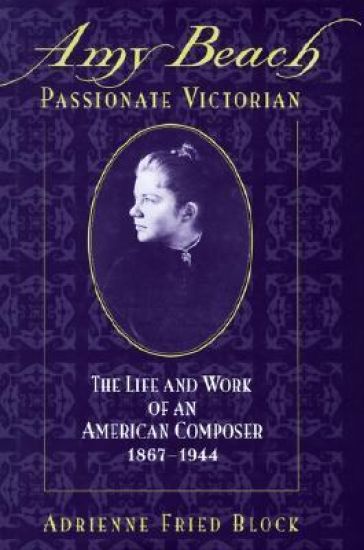
Amy Marcy Cheney Beach (1867-1944), the most widely performed composer of her generation, was the first American woman to succeed as a creator of large-scale art music. Her "Gaelic" Symphony, given its premiere by the Boston Symphony Orchestra in 1896, was the first work of its kind by an American woman to be performed by an American orchestra. Almost all of her more than 300 works were published soon after they were composed and performed, and today her music is finding new advocates and audiences for its energy, intensity, and sheer beauty. Yet, until now, no full-length critical biography of Beach's life or comprehensive critical overview of her music existed. This biography admirably fills that gap, fully examining the connections between Beach's life and work in light of social currents and dominant ideologies. Born into a musical family in Victorian times, Amy Beach started composing as a child of four and was equally gifted as a pianist. Her talent was recognized early by Boston's leading musicians, who gave her unqualified support. Although Beach believed that the life of a professional musician was the only life for her, her parents had raised her for marriage and a career of amateur music-making. Her response to this parental (and later spousal) opposition was to find creative ways of reaching her goal without direct confrontation. Discouraged from a full-scale concert career, she instead found her métier in composition. Success as a composer of art songs came early for Beach: indeed, her songs outsold those of her contemporaries. Nevertheless, she was determined to separate her work from the genteel parlor music women were writing in her day by creating large-scale works--a Mass, a symphony, and chamber music--that challenged the accepted notion that women were incapable of creating high art. She won the respect of colleagues and the allegiance of audiences. Many who praised her work, however, considered her an exception among women. Beach's reaction to this was to join with other women composers of serious music by promoting their works along with her own. Adrienne Fried Block has written a biography that takes full account of issues of gender and musical modernism, considering Beach in the contexts of her time and of her composer contemporaries, both male and female. Amy Beach, Passionate Victorian will be of great interest to students and scholars of American music, and to music lovers in general.

Amy Marcy Cheney Beach (1867-1944), the most widely performed composer of her generation, was the first American woman to succeed as a creator of large-scale art music. Her "Gaelic" Symphony, given its premiere by the Boston Symphony Orchestra in 1896, was the first work of its kind by an American woman to be performed by an American orchestra. Almost all of her more than 300 works were published soon after they were composed and performed, and today her music is finding new advocates and audiences for its energy, intensity, and sheer beauty. Yet, until now, no full-length critical biography of Beach's life or comprehensive critical overview of her music existed. This biography admirably fills that gap, fully examining the connections between Beach's life and work in light of social currents and dominant ideologies. Born into a musical family in Victorian times, Amy Beach started composing as a child of four and was equally gifted as a pianist. Her talent was recognized early by Boston's leading musicians, who gave her unqualified support. Although Beach believed that the life of a professional musician was the only life for her, her parents had raised her for marriage and a career of amateur music-making. Her response to this parental (and later spousal) opposition was to find creative ways of reaching her goal without direct confrontation. Discouraged from a full-scale concert career, she instead found her métier in composition. Success as a composer of art songs came early for Beach: indeed, her songs outsold those of her contemporaries. Nevertheless, she was determined to separate her work from the genteel parlor music women were writing in her day by creating large-scale works--a Mass, a symphony, and chamber music--that challenged the accepted notion that women were incapable of creating high art. She won the respect of colleagues and the allegiance of audiences. Many who praised her work, however, considered her an exception among women. Beach's reaction to this was to join with other women composers of serious music by promoting their works along with her own. Adrienne Fried Block has written a biography that takes full account of issues of gender and musical modernism, considering Beach in the contexts of her time and of her composer contemporaries, both male and female. Amy Beach, Passionate Victorian will be of great interest to students and scholars of American music, and to music lovers in general.
This extraordinary collection of letters sheds light on one of the most important postwar American poets and on a creative woman's life from the 1950s onward. Amy Clampitt was an American original, a literary woman from a Quaker family in rural Iowa who came to New York after college and lived in Manhattan for almost forty years before she found success (or before it found her) at the age of 63 with the publication of The Kingfisher. Her letters from 1950 until her death in 1994 are a testimony to her fiercely independent spirit and her quest for various kinds of truth-religious, spiritual, political, and artistic. Written in clear, limpid prose, Clampitt's letters illuminate the habits of imagination she would later use to such effect in her poetry. She offers, with wit and intelligence, an intimate and personal portrait of life as an independent woman recently arrived in New York City. She recounts her struggle to find a place for herself in the world of literature as well as the excitement of living in Manhattan. In other letters she describes a religious conversion (and then a gradual religious disillusionment) and her work as a political activist. Clampitt also reveals her passionate interest in and fascination with the world around her. She conveys her delight in a variety of day-to-day experiences and sights, reporting on trips to Europe, the books she has read, and her walks in nature. After struggling as a novelist, Clampitt turned to poetry in her fifties and was eventually published in the New Yorker. In the last decade of her life she appeared like a meteor on the national literary scene, lionized and honored. In letters to Helen Vendler, Mary Jo Salter, and others, she discusses her poetry as well as her surprise at her newfound success and the long overdue satisfaction she obviously felt, along with gratitude, for her recognition.
This extraordinary collection of letters sheds light on one of the most important postwar American poets and on a creative woman's life from the 1950s onward. Amy Clampitt was an American original, a literary woman from a Quaker family in rural Iowa who came to New York after college and lived in Manhattan for almost forty years before she found success (or before it found her) at the age of 63 with the publication of The Kingfisher. Her letters from 1950 until her death in 1994 are a testimony to her fiercely independent spirit and her quest for various kinds of truth-religious, spiritual, political, and artistic. Written in clear, limpid prose, Clampitt's letters illuminate the habits of imagination she would later use to such effect in her poetry. She offers, with wit and intelligence, an intimate and personal portrait of life as an independent woman recently arrived in New York City. She recounts her struggle to find a place for herself in the world of literature as well as the excitement of living in Manhattan. In other letters she describes a religious conversion (and then a gradual religious disillusionment) and her work as a political activist. Clampitt also reveals her passionate interest in and fascination with the world around her. She conveys her delight in a variety of day-to-day experiences and sights, reporting on trips to Europe, the books she has read, and her walks in nature. After struggling as a novelist, Clampitt turned to poetry in her fifties and was eventually published in the New Yorker. In the last decade of her life she appeared like a meteor on the national literary scene, lionized and honored. In letters to Helen Vendler, Mary Jo Salter, and others, she discusses her poetry as well as her surprise at her newfound success and the long overdue satisfaction she obviously felt, along with gratitude, for her recognition.
