Brooke knew Garrett was dangerous. After all, he admitted to being an outlaw. Kidnapping her did not improve her opinion of him.Who needs that kind of trouble Then one night... Brooke had tried to stop him. But, never relenting, he kept up a constant pattern in his fondling. He carried her, placing her on the bed. Skin to skin. Heat to heat. She relished every touch, every pleasurable caress. He laid beside her, slipped off his pants, and let them drop to the floor. His strong hands kept her constantly aroused while his mouth searched for new pleasure spots. Dipping low to her softness he found her hidden places, making her quiver at his every touch, creating exotic experiences she had never dreamed existed. No warning bell could save her now. No one could come between her and her outlaw. She was his; she wanted to be his. Rolling over to him, she placed her lips his lips that haunted her dreams. Over and over his lips met hers, trailing over her throat, lower and lower until she surrendered.
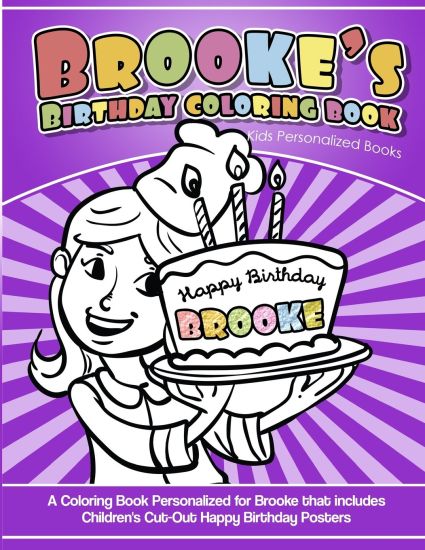
Brooke's Birthday Coloring Book Kids Personalized Books A Coloring Book Personalized for Brooke that includes Children's Cut Out Happy Birthday Posters
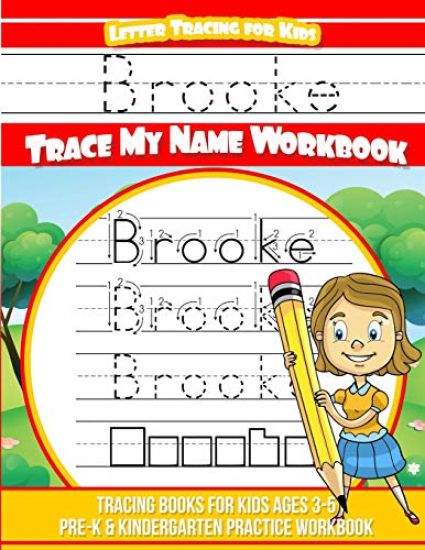
BROOKE Name Tracing Workbook - Preschoolers Kindergarten Practice Workbook - Toddlers Writing Notebook - Learn How to Write BROOKE - Preschoolers Activities Teaching your child the basics of writing is a difficult task especially if he or she is full of energy and finds it more difficult to focus. In order to give him a push in the first years of school or kindergartner, we are presenting a revolutionary way of teaching your baby the basics of the alphabet: the name tracing workbook for children. Why our workbook? The name tracing workbook has been designed specifically to teach children the basic of spelling and writing. By learning to write his own name, your child will develop the abilities and skills needed in the first years of schools while having fun. The 100 pages activity book is the perfect choice if you are searching to invest in your child's education from the beginning so don't hesitate and get him the only workbook he needs LEARNING THE FIRST LETTERS teaching your toddler the first letters and how to spell his or her name is difficult, which is why we have designed a special workbook that will make the learning process easier and a lot more fun, adding to the baby's educational fund. PERSONALIZED WORKING: the name is the first word any child should learn how to spell, but it is almost impossible to find special help for that task. BROOKE Name Tracing Workbook is divided in 12 themed chapters that will teach your toddler how to spell his or her name in a fun and interactive way. WHAT IT CONTAINS: BROOKE Name Tracing Workbook counts no less than 100 pages divided in 12 themed sheets that propose recognition activities, letter tracing practice and letter games, that are sure to teach your child the basics of writing and spelling. FOR TODDLERS: BROOKE Name Tracing Workbook is made especially for children aged 3 to 6 so your son or daughter will be well prepared for both kindergarten and first grade Learning the alphabet will be a piece of cake if your kid will already have the foundation letter tracing so why not give him a head start in school. THE PERFECT GIFT: offering a present to a toddler that is both fun and parents-approved is an almost impossible task, but the name tracing workbook has it all: it is educational, personalized and made especially for youngsters ages 3 to 6 so, if you're trying to bring a smile on a kid's face, this is it
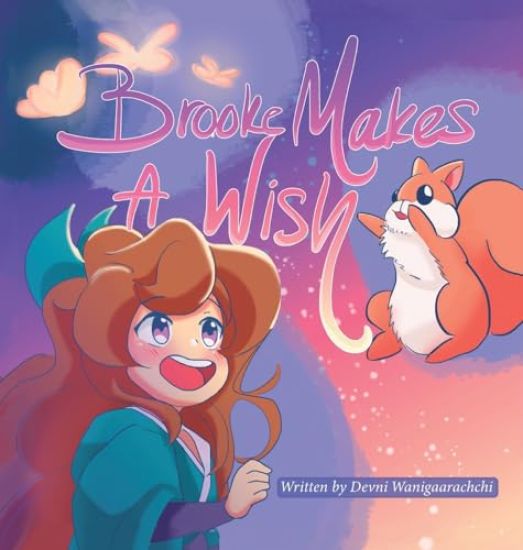
Brooke dreams of a wish granted by the magical Tree of Patience, but to earn it, she must sit still and stay calm for an entire day. As she waits, a playful squirrel and a bright butterfly come to play, testing her resolve. Can Brooke remain patient, knowing her wish depends on it?
Observera att förlaget som ger ut denna produkt baserar innehållet i sina produkter på fria källor som Wikipedia. Boken är med stor sannolikhet endast ett utdrag ur dessa informationskällor, alltså inte en vanlig bok i den bemärkelsen.
Observera att förlaget som ger ut denna produkt baserar innehållet i sina produkter på fria källor som Wikipedia. Boken är med stor sannolikhet endast ett utdrag ur dessa informationskällor, alltså inte en vanlig bok i den bemärkelsen.
Observera att förlaget som ger ut denna produkt baserar innehållet i sina produkter på fria källor som Wikipedia. Boken är med stor sannolikhet endast ett utdrag ur dessa informationskällor, alltså inte en vanlig bok i den bemärkelsen.