Kirjojen hintavertailu. Mukana 11 244 527 kirjaa ja 12 kauppaa.

Kirjahaku

Etsi kirjoja tekijän nimen, kirjan nimen tai ISBN:n perusteella.

1000 tulosta hakusanalla Colonel W. F. Cody

The Colonel's Dream

The Colonel's Dream

Charles W. Chesnutt

West Virginia University Press
2014
nidottu
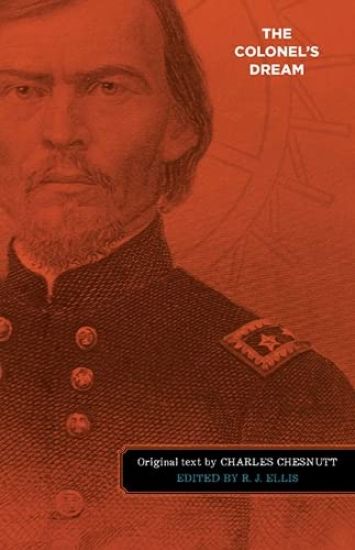
Charles Waddell Chesnutt (1858-1932) was an African American writer, essayist, Civil Rights activist, legal-stenography businessman, and lawyer whose novels and short stories explore race, racism, and the problematic contours of African Americans' social and cultural identities in post-Civil War South. He was the first African American to be published by a major American publishing house and served as a beacon-point for future African American writers. The Colonel's Dream, written in 1905, is a compelling tale of the post-Civil War South's degeneration into a region awash with virulent racist practices against African Americans: segregation, lynchings, disenfranchisement, convict-labor exploitation, and endemic violent repression. The events in this novel are powerfully depicted from the point of view of a philanthropic but unreliable southern white colonel. Upon his return to the South, the colonel learns to abhor this southern world, as a tale of vicious racism unfolds. Throughout this narrative, Chesnutt confronts the deteriorating position of African Americans in an increasingly hostile South. Upon its publication The Colonel's Dream was considered too controversial and unpalatable because of its bitter criticisms of southern white prejudice and northern indifference, and so this groundbreaking story failed to gain public attention and acclaim. This is the first scholarly edition of The Colonel's Dream. It includes an introduction and notes by R. J. Ellis and works to reestablish this great novel's reputation.
The Colonel's Dream

The Colonel's Dream

Charles W. Chesnutt

West Virginia University Press
2014
sidottu
Charles Waddell Chesnutt (1858-1932) was an African American writer, essayist, Civil Rights activist, legal-stenography businessman, and lawyer whose novels and short stories explore race, racism, and the problematic contours of African Americans' social and cultural identities in post-Civil War South. He was the first African American to be published by a major American publishing house and served as a beacon-point for future African American writers. The Colonel's Dream, written in 1905, is a compelling tale of the post-Civil War South's degeneration into a region awash with virulent racist practices against African Americans: segregation, lynchings, disenfranchisement, convict-labor exploitation, and endemic violent repression. The events in this novel are powerfully depicted from the point of view of a philanthropic but unreliable southern white colonel. Upon his return to the South, the colonel learns to abhor this southern world, as a tale of vicious racism unfolds. Throughout this narrative, Chesnutt confronts the deteriorating position of African Americans in an increasingly hostile South. Upon its publication The Colonel's Dream was considered too controversial and unpalatable because of its bitter criticisms of southern white prejudice and northern indifference, and so this groundbreaking story failed to gain public attention and acclaim. This is the first scholarly edition of The Colonel's Dream. It includes an introduction and notes by R. J. Ellis and works to reestablish this great novel's reputation.
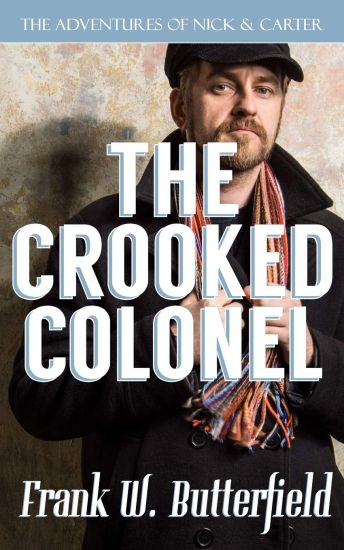
The Crooked Colonel

The Crooked Colonel

Frank W. Butterfield

Independently Published
2019
nidottu
January 1, 1970 After a night of revelry at their newest hotel, the Hopkins Excelsior Hotel, in Vi a del Mar, Chile, Nick and Carter head up the coast for some surfing along with their nephews, Kermit and Ernie. Once there, they meet up with two interesting characters. The first is a sweet gal in her early 20s who shows up in the strangest places but always at the right time. The other is a strange and very much out-of-place American military officer. One thing leads to another, and before Nick and Carter know what's happening, they find themselves embroiled in a conspiracy that could have serious international implications. From the coast of Chile to a Spanish town in the hills of the Basque Country and all the way to the halls of Buckingham Palace, Nick and Carter are hot on the heels of The Crooked Colonel
Colonel House

Colonel House

Charles E. Neu

Oxford University Press Inc
2015
sidottu
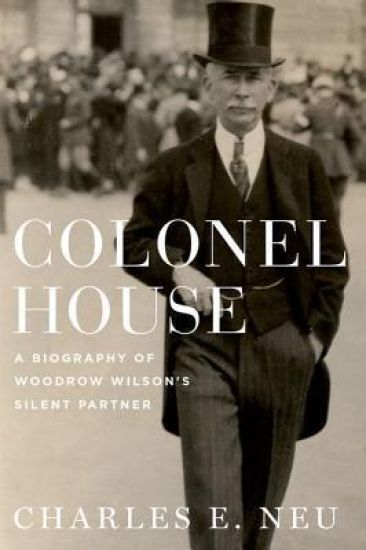
A man who lived his life mostly in the shadows, Edward M. House is little known or remembered today; yet he was one of the most influential figures of the Wilson presidency. Wilson's chief political advisor, House played a key role in international diplomacy, and had a significant hand in crafting the Fourteen Points at the Paris Peace Conference. Though the intimate friendship between the president and his advisor ultimately unraveled in the wake of these negotiations, House's role in the Wilson administration had a lasting impact on 20th century international politics. In this seminal biography, Charles E. Neu details the life of "Colonel" House, a Texas landowner who rose to become one of the century's greatest political operators. Ambitious and persuasive, House worked largely behind the scenes, developing ties of loyalty and using patronage to rally party workers behind his candidates. In 1911 he met Woodrow Wilson, and almost immediately the two formed what would become one of the most famous friendships in American political history. House became a high-level political intermediary in the Wilson administration, proving particularly adept at managing the intangible realm of human relations. After World War I erupted, House, realizing the complexity of the struggle and the dangers and opportunities it posed for the United States, began traveling to and from Europe as the president's personal representative. Eventually he helped Wilson recognize the need to devise a way to end the war that would place the United States at the center of a new world order. In this balanced account, Neu shows that while House was a resourceful and imaginative diplomat, his analysis of wartime politics was erratic. He relied too heavily on personal contacts, often exaggerating his accomplishments and missing the larger historical forces that shaped the policies of the warring powers. Ultimately, as the Paris Peace Conference unfolded, differences appeared between Wilson and his counselor. Their divergent views on the negotiations led to a bitter split, and after the president left France in June of 1919, he would never see House again. Despite this break, Neu refutes the idea that Wilson and House were antagonists. They shared the same beliefs and aspirations and were, Neu shows, part of an unusual partnership. As an organizer, tactician, and confidant, House helped to make possible Wilson's achievements, and this impressive biography restores the enigmatic counselor to his place at the center of that presidency.