

Kirjahaku
Etsi kirjoja tekijän nimen, kirjan nimen tai ISBN:n perusteella.
1000 tulosta hakusanalla Edwin Lester Arnold
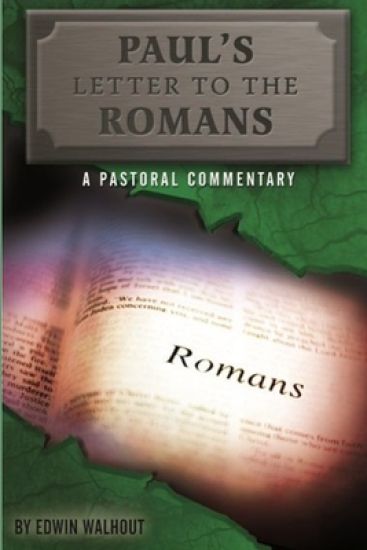
Paul's letter to the church in Rome - where he had not yet visited - is best understood as Paul writing the things he would otherwise have spoken had he been able to schedule a visit there. Paul wants Jewish and Gentile believers to understand the gospel in such a way that they can live together peaceably in one church. The level of writing is on a pastoral level, not on an academic or professional level, it is the sort of thing a pastor might say in a small Bible study group.
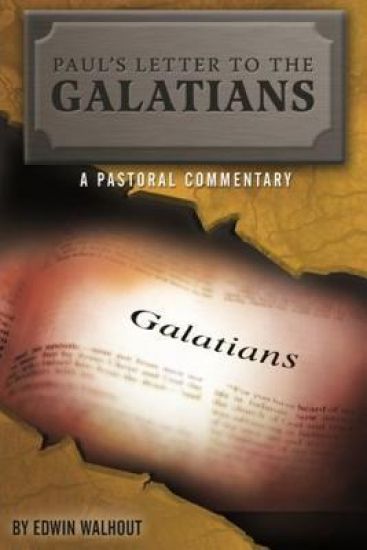
Early in his missionary career Paul takes on the Judaizers who want all Christians to observe the Jewish ceremonies such as circumcision, kosher food, sabbath keeping, and temple worship. Not so much that Paul finds these ceremonies wrong, but that they are unnecessary for Gentile believers.
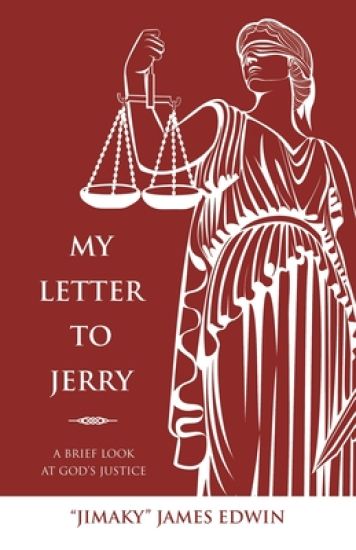
"Jimaky" James Edwin met Jerry at a conference table in his office several years ago. Jerry was the general contractor constructing a small office building that the author's architecture firm had designed. The author made it a habit to sit down with those involved in building projects to answer questions. Over time, as the office building progressed, Jerry would bring a sack of sandwiches to the conference table, and the two would have lunch together. They became friends, and their conversations shifted from the project to life in general and to the struggles we face. At the close of one of their meetings, the author asked Jerry if they could pray about the things they had discussed. Jerry's face lit up, and he said, "Absolutely " That prayer brought their friendship to a new level. One of the topics the two touched upon was the discussion Jesus had with Nicodemus and the implications of what was said. Join the author as he reveals their candid conversations and how they supported each other as they sought to develop a deeper understanding of the Bible.
Putnam's Phrase Book: An Aid to Social Letter Writing and to Ready and Effective Conversation, with Over 100 Model Social Letters and 6000 o
Edwin Hamlin Carr
Createspace Independent Publishing Platform
2015
nidottu

Putnam's Phrase Book, an Aid to Social Letter Writing and to Ready and Effective Conversation
Edwin Hamlin (EDT) Carr
Kessinger Pub
2008
pokkari

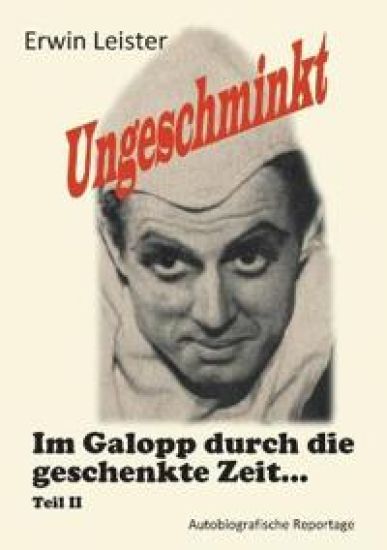
In der Fortf hrung seiner Biografie schildert Erwin Leister den Weg seiner Karriere, vom einstigen "Provinzschauspieler" zum Regisseur. In vielen Episoden gew hrt er dem Leser interessante Einblicke hinter die Kulissen des Theaters und des Fernsehens. Zu den Stationen seines Schaffens z hlen unter anderem Berlin, Warschau, Kairo und Leipzig. Heiter, ernst und nicht kritiklos, l sst er den Leser an seinem "bewegten" Leben teilhaben.
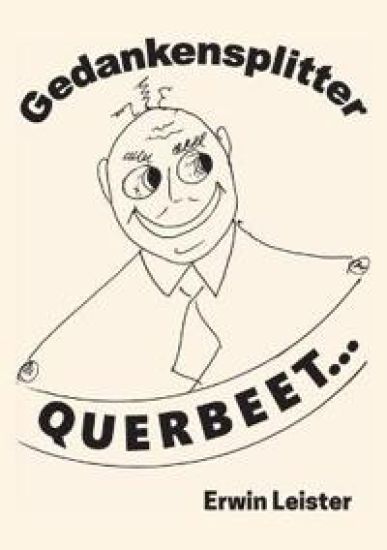
Eine in hohem Alter entdeckte Leidenschaft durch leichten, minimalistischen Schwung des Stiftes, Szenen des Alltags, Gedanken zum Weltgeschehen und andere "Greisheiten" zu Papier zu bringen, gipfelte im Entstehen des vorliegenden Werkes...
Sir Fennimore Truscott, a retired Judge, sits under his mulberry tree and 'tries' his next-door-neighbour Tom Marjoriebanks for - allegedly - seducing Truscott's wife Margaret many years earlier.1 woman, 2 men

EDWIN chronicles the story of a loner who finds his place in life and in the process lifts the spirit of a town. EDWIN is a whimsical satire written in alliteration which endeavors to expand kids' vocabulary while entertaining them with the music, rhythm, and magic of the English language. Written by Actress & Author J. Sari (My Pal Pudge) and with vibrant illustration by Emmy Award-winner Ed Ghertner (Producer/Director, Disney's Winnie the Pooh), EDWIN spins a fanciful tale while teaching an important lesson on the value of human kindness and love. This special story will warm your heart. Age Appropriate: K-12th Reading Comprehension Level: 6th-8th grade
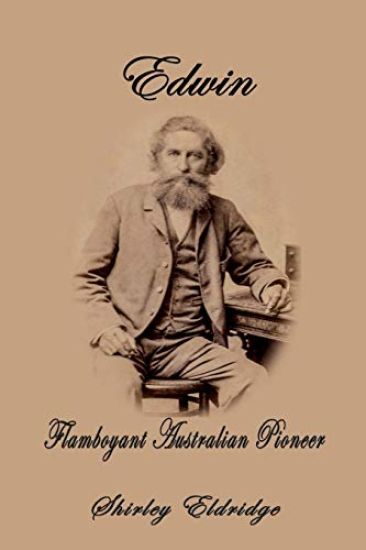
From weathered sailor to fencer to businessman to mayor to magistrate, the inimitable Edwin Macaree, with a passion for phrenology, Shakespeare and the stage, stormed Rockhampton in its early days, often cutting corners in his quest for power, wealth and status.Arriving in Rockhampton with a wife and just seven shillings and sixpence in his pocket in 1861, he initially struggled to survive. His great achievements were seriously threatened by the 1890's financial crisis, forcing tough decisions.Family tragedies were not unknown to the Macarees whose lives were interwoven with the Fraser pioneering family. Though a tad younger, the Frasers were no less extraordinary.
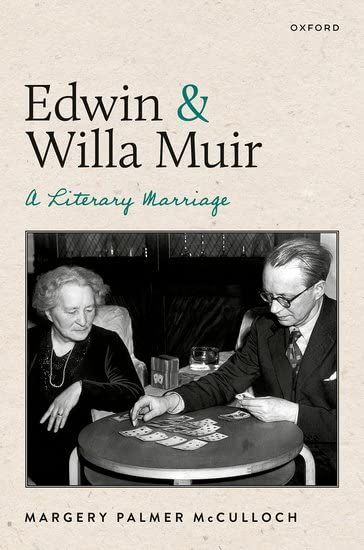
This is the story of a literary marriage. It tells of the partnership between Edwin and Willa Muir, two intellectuals from small town Scottish backgrounds and their discovery of Europe in the years after the first and second world wars. It tells us about the cultural, social, and political issues of those dynamic and difficult years and much else, in intimate detail, about their own personal struggles. Edwin Muir was to become a leading poet in the twentieth century Scottish literary renaissance, but to make a living the couple also worked as translators of modern German literature, including key works by Hermann Broch and, most famously, Franz Kafka. They were intimate with many of the leading writers of their time, both at home and abroad, and these contacts, and their travels in Europe gave them a special and sometimes painful insight into the trials of the twentieth century. Dr Margery McCulloch's study draws on personal travel and a wealth of new sources from private correspondence, publishers' archives, the recollections of friends, and the diaries, unpublished journals, and autobiographical memoirs of Edwin and Willa themselves. This is the fullest account of the couple's life and times together during a long and loving marriage, not without its difficulties as Willa struggled to find proper acknowledgement of her translation skills, and space for her own creativity as a novelist in the shadow of her own ill health and Edwin's growing status as a major modern poet.

At the time of his death in 1935, Edwin Arlington Robinson was regarded as the leading American poet-the equal of Frost and Stevens. In this biography, Scott Donaldson tells the intriguing story of this poet's life, based in large part on a previously unavailable trove of more than 3,000 personal letters, and recounts his profoundly important role in the development of modern American literature. Born in 1869, the youngest son of a well-to-do family in Gardiner, Maine, Robinson had two brothers: Dean, a doctor who became a drug addict, and Herman, an alcoholic who squandered the family fortune. Robinson never married, but he fell in love as many as three times, most lastingly with the woman who would become his brother Herman's wife. Despite his shyness, Robinson made many close friends, and he repeatedly went out of his way to give them his support and encouragement. Still, it was always poetry that drove him. He regarded writing poems as nothing less than his calling-what he had been put on earth to do. Struggling through long years of poverty and neglect, he achieved a voice and a subject matter all his own. He was the first to write about ordinary people and events-an honest butcher consumed by grief, a miser with "eyes like little dollars in the dark," ancient clerks in a dry goods store measuring out their days like bolts of cloth. In simple yet powerful rhetoric, he explored the interior worlds of the people around him. Robinson was a major poet and a pivotal figure in the course of modern American literature, yet over the years his reputation has declined. With his biography, Donaldson returns this remarkable talent to the pantheon of great American poets and sheds new light on his enduring legacy.