Kirjojen hintavertailu. Mukana 11 342 296 kirjaa ja 12 kauppaa.

Kirjahaku

Etsi kirjoja tekijän nimen, kirjan nimen tai ISBN:n perusteella.

1000 tulosta hakusanalla Evripides

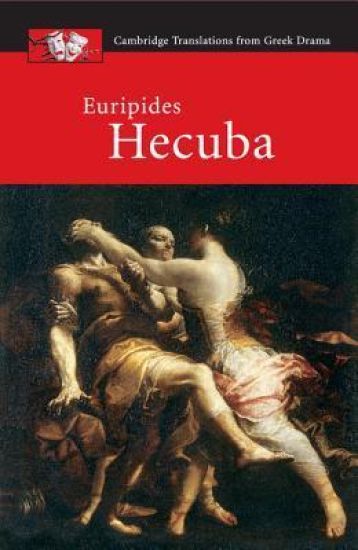
Euripides: Hecuba

Euripides: Hecuba

John Harrison

Cambridge University Press
2008
pokkari
Treating ancient plays as living drama. Classical Greek drama is brought vividly to life in this series of new translations. Students are encouraged to engage with the text through detailed commentaries, including suggestions for discussion and analysis. In addition, numerous practical questions stimulate ideas on staging and encourage students to explore the play's dramatic qualities. Hecuba is suitable for students of both Classical Civilisation and Drama. Useful features include full synopsis of the play, commentary alongside translation for easy reference and a comprehensive introduction to the Greek Theatre. Hecuba is aimed primarily at A-level and undergraduate students in the UK, and college students in North America.
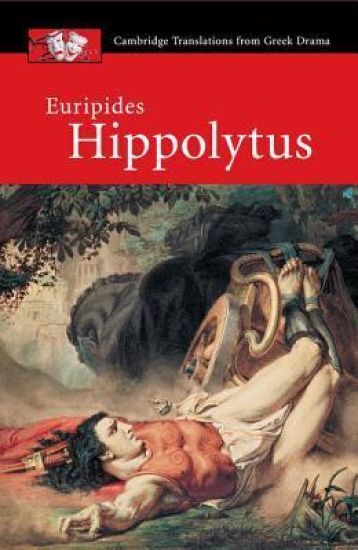
Euripides: Hippolytus

Euripides: Hippolytus

Ben Shaw

Cambridge University Press
2007
pokkari
Treating ancient plays as living drama. Classical Greek drama is brought vividly to life in this series of new translations. Students are encouraged to engage with the text through detailed commentaries, including suggestions for discussion and analysis. In addition, numerous practical questions stimulate ideas on staging and encourage students to explore the play's dramatic qualities. Hippolytus is suitable for students of both Classical Civilisation and Drama. Useful features include full synopsis of the play, commentary alongside translation for easy reference and a comprehensive introduction to the Greek Theatre. Hippolytus is aimed primarily at A-level and undergraduate students in the UK, and college students in North America.

Euripides: 'Helen'

Euripides: 'Helen'

Euripides

Cambridge University Press
2008
sidottu
This up-to-date edition offers a detailed literary and cultural analysis of Euripides' Helen, a work which arguably embodies the variety and dynamism of fifth-century Athenian tragedy more than any other surviving play. The story of an exemplary wife (not an adulteress) who went to Egypt (not to Troy), Euripides' 'new Helen' skilfully transforms and supplants earlier currents of literature and myth. The Introduction elucidates Euripides' treatment of Helen and sets the play in its wider intellectual context. It also discusses questions of genre and reception, rejecting such descriptions as 'tragicomedy' or 'romantic tragedy', and showing how later artists have responded to Euripides' unorthodox heroine and her phantom double. The Commentary's notes on language and style are intended to make Helen fully accessible to readers of Greek at all levels, while the edition as a whole is designed for use by anyone with an interest in Greek tragedy.
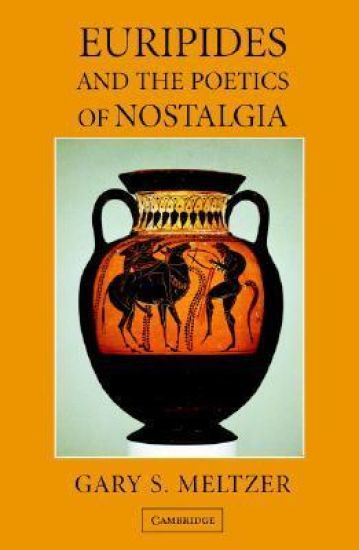
Euripides and the Poetics of Nostalgia

Euripides and the Poetics of Nostalgia

Gary S. Meltzer

Cambridge University Press
2006
sidottu
Branded by critics from Aristophanes to Nietzsche as sophistic, iconoclastic, and sensationalistic, Euripides has long been held responsible for the demise of Greek tragedy. Despite this reputation, his drama has a fundamentally conservative character. It conveys nostalgia for an idealized age that still respected the gods and traditional codes of conduct. Using deconstructionist and feminist theory, this book investigates the theme of the lost voice of truth and justice in four Euripidean tragedies. The plays' unstable mix of longing for a transcendent voice of truth and skeptical analysis not only epitomizes the discursive practice of Euripides' era but also speaks to our postmodern condition. The book sheds light on the source of the playwright's tragic power and enduring appeal, revealing the surprising relevance of his works for our own day.
Ten Plays by Euripides

Ten Plays by Euripides

Euripides

Bantam Books Inc
1990
pokkari
The first playwright of democracy, Euripides wrote with enduring insight and biting satire about social and political problems of Athenian life. In contrast to his contemporaries, he brought an exciting--and, to the Greeks, a stunning--realism to the "pure and noble form" of tragedy. For the first time in history, heroes and heroines on the stage were not idealized: as Sophocles himself said, Euripides shows people not as they ought to be, but as they actually are.
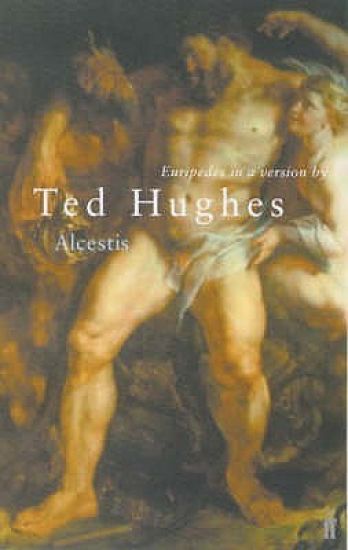
Euripides' Alcestis

Euripides' Alcestis

Ted Hughes

Faber Faber
2000
nidottu
This is Hughes's version of "Alcestis" - the story of a king, Admetus, who is able to escape death because his wife, Alcestis, has volunteered to die in his place. It is a tragedy about being beckoned to die, and also a story of death defeated.
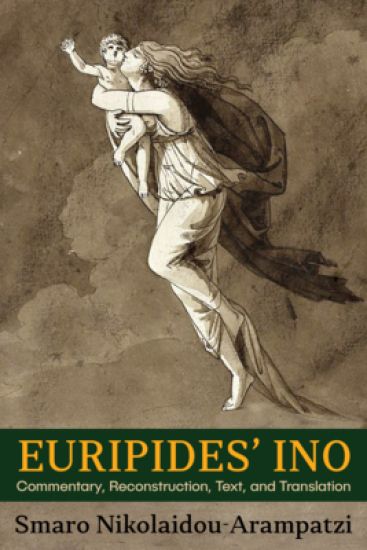
Euripides’ Ino

Euripides’ Ino

Smaro Nikolaidou-Arampatzi

HARVARD UNIVERSITY PRESS
2022
nidottu
In this groundbreaking study, Smaro Nikolaidou-Arampatzi analyzes the direct and indirect evidence of Euripides' fragmentary play, the Ino, and reexamines matters of reconstruction and interpretation. This work is a full-scale commentary on Euripides' Ino, with a new arrangement of the fragments, an English translation in prose, and an extensive bibliography. Nikolaidou-Arampatzi argues that the axial point in the play is Ino's filicide. Hyginus' Fabula 4, entitled Ino Euripidis, recounts how, after her forced return from Cithaeron, Euripides' Ino-in a state of Dionysiac madness-participates in the plotting of the jealous Themisto against her own children without being able to recognize them. Ino was the sister of Dionysus' mother Semele, and she was also the primordial nurse of the god, a role that infuriated Hera. In his Medea, Euripides refers to Ino as a filicidal woman who, driven mad by Hera, murdered her own children. Nikolaidou-Arampatzi contends, then, that the filicide of Euripides' Ino in a state of mania can be considered as a dramatic prototype by which his filicide Medea would be judged.
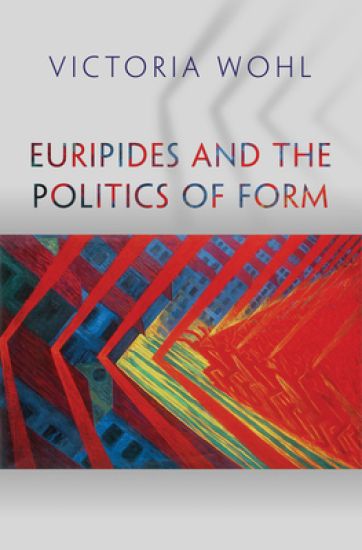
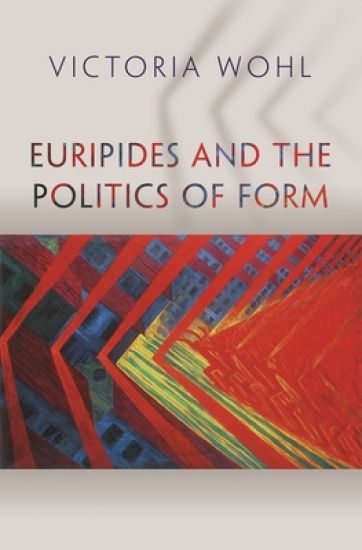
Euripides and the Politics of Form

Euripides and the Politics of Form

Victoria Wohl

PRINCETON UNIVERSITY PRESS
2015
sidottu
How can we make sense of the innovative structure of Euripidean drama? And what political role did tragedy play in the democracy of classical Athens? These questions are usually considered to be mutually exclusive, but this book shows that they can only be properly answered together. Providing a new approach to the aesthetics and politics of Greek tragedy, Victoria Wohl argues that the poetic form of Euripides' drama constitutes a mode of political thought. Through readings of select plays, she explores the politics of Euripides' radical aesthetics, showing how formal innovation generates political passions with real-world consequences. Euripides' plays have long perplexed readers. With their disjointed plots, comic touches, and frequent happy endings, they seem to stretch the boundaries of tragedy. But the plays' formal traits--from their exorbitantly beautiful lyrics to their arousal and resolution of suspense--shape the audience's political sensibilities and ideological attachments. Engendering civic passions, the plays enact as well as express political ideas. Wohl draws out the political implications of Euripidean aesthetics by exploring such topics as narrative and ideological desire, the politics of pathos, realism and its utopian possibilities, the logic of political allegory, and tragedy's relation to its historical moment. Breaking through the impasse between formalist and historicist interpretations of Greek tragedy, Euripides and the Politics of Form demonstrates that aesthetic structure and political meaning are mutually implicated--and that to read the plays poetically is necessarily to read them politically.
Euripides and the Politics of Form

Euripides and the Politics of Form

Victoria Wohl

Princeton University Press
2020
pokkari
How can we make sense of the innovative structure of Euripidean drama? And what political role did tragedy play in the democracy of classical Athens? These questions are usually considered to be mutually exclusive, but this book shows that they can only be properly answered together. Providing a new approach to the aesthetics and politics of Greek tragedy, Victoria Wohl argues that the poetic form of Euripides' drama constitutes a mode of political thought. Through readings of select plays, she explores the politics of Euripides' radical aesthetics, showing how formal innovation generates political passions with real-world consequences.Euripides' plays have long perplexed readers. With their disjointed plots, comic touches, and frequent happy endings, they seem to stretch the boundaries of tragedy. But the plays' formal traits—from their exorbitantly beautiful lyrics to their arousal and resolution of suspense—shape the audience's political sensibilities and ideological attachments. Engendering civic passions, the plays enact as well as express political ideas. Wohl draws out the political implications of Euripidean aesthetics by exploring such topics as narrative and ideological desire, the politics of pathos, realism and its utopian possibilities, the logic of political allegory, and tragedy's relation to its historical moment.Breaking through the impasse between formalist and historicist interpretations of Greek tragedy, Euripides and the Politics of Form demonstrates that aesthetic structure and political meaning are mutually implicated—and that to read the plays poetically is necessarily to read them politically.
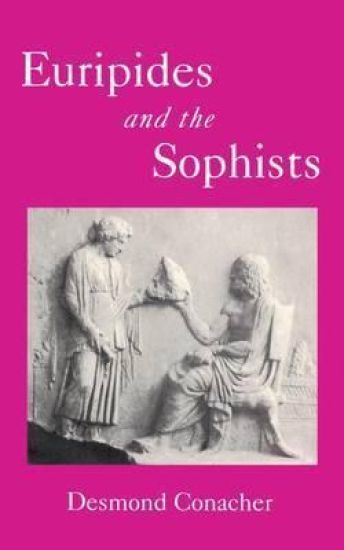
Euripides and the Sophists

Euripides and the Sophists

D. J. Conacher

Bristol Classical Press
1998
pokkari
This work describes how Euripides provides, in specific plays, a variety of original treatments of well-known views of his contemporaries, the Sophists. The emphasis is on Euripides as the creative virtuoso of dramatic ideas rather than as a philosopher. Euripides' adaptation covers a range of dramatic styles and approaches, from the tragic treatment of the nature in "Hippolytus", to the near parody of Sophistic views on sense-perception in "Helen".
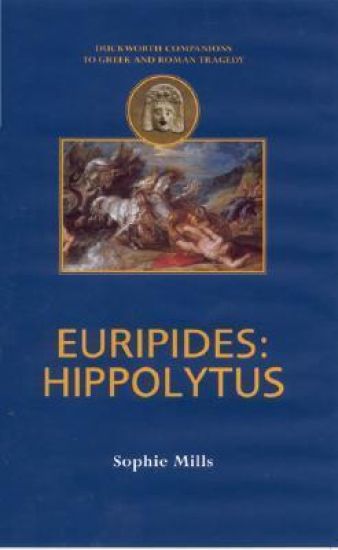
Euripides

Euripides

Sophie Mills

Bristol Classical Press
2002
pokkari
"Hippolytus" is generally acknowledged to be one of Euripides' finest tragedies, for the construction of its plot, its use of language and its memorable characterisations of Phaedra and Hippolytus. Furthermore, it asks serious and disturbing questions about the influence of divinity on human lives. Sophie Mills considers these and many other themes in detail, setting the play in its mythological, cultural and historical contexts. She also includes discussions of major trends in interpretations of the play and of subsequent adaptations of the Hippolytus story, from Seneca to Mary Renault and beyond.
Euripides

Euripides

Pantelis Michelakis

Bristol Classical Press
2006
nidottu
"Iphigenia at Aulis" dramatises the myth of Iphigenia, the young virgin sacrificed by her father Agamemnon at the start of the expedition against Troy. The ongoing debates around Iphigenia's voluntary sacrifice, the corruption of the play's moral universe, and the corruption of its text make "Iphigenia at Aulis" one of Euripides' most intriguing and challenging plays. This Companion provides a summary of the plot, discusses the characters and main themes of the play, examines its mythological background, and explores the cultural, political, institutional, and theatrical contexts within which it was originally composed and performed. It also maps the changing fortunes and meanings of the play and outlines the history of its interpretations on page, stage, and screen.