Kirjojen hintavertailu. Mukana 11 244 527 kirjaa ja 12 kauppaa.

Kirjahaku

Etsi kirjoja tekijän nimen, kirjan nimen tai ISBN:n perusteella.

1000 tulosta hakusanalla Forrest F Freelander

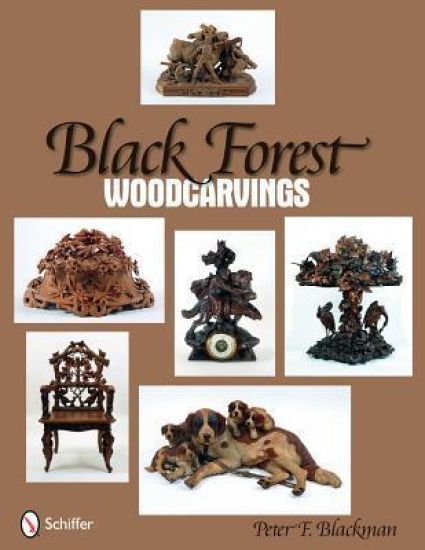
Black Forest  Woodcarvings

Black Forest Woodcarvings

Peter F. Blackman

Schiffer Publishing Ltd
2009
sidottu
The origins, artistic growth, and dissemination of "Black Forest" carved wooden furniture and fine decor that developed from 1815 through the early 20th century. With original documents discovered to build his story, Peter Blackman has eloquently explained the origins, artistic growth, and dissemination of Black Forest carved wooden furniture and fine decor now recognized worldwide. The style evolved in 1815 in Brienz, a small village in the Swiss Alps, and spread through the 19th century, with operations stretching to Paris and central Germany. Bears are the best known and prolific examples, but many other animals and human figures also comprise the style. The book presents in detail the development of the "Black Forest" woodcarving tradition, or Brienzerwares, through noteworthy carvers, schools, companies, and the Great Exhibitions worldwide. Artists, collectors, museum curators, and wood carvers will be instructed and inspired by Mr. Blackman's relentless research, fine analysis, and keen eye.
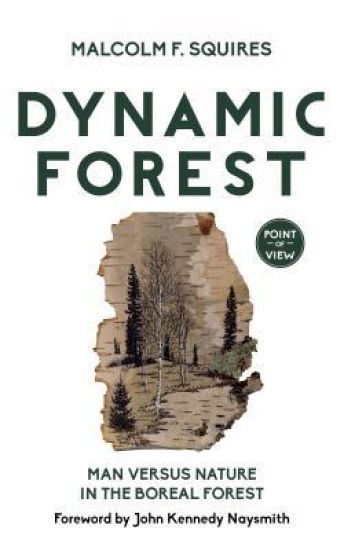
Dynamic Forest

Dynamic Forest

Malcolm F. Squires; John Kennedy Naysmith

Dundurn Group Ltd
2017
pokkari
Nearing the end of a lifetime in the boreal forest, a retired forester writes a passionate plea for rational, science-based forest management. The boreal forest is constantly changing, often dramatically. We like to picture it as a stable, balanced system. Really, it is anything but stable. The boreal forest is dynamic. For over sixty years, forester Malcolm F. Squires has seen mature forests within protected areas devastated by insects, moose, wind, and wildfire. While the forests often return from this destruction, they are never quite the same. A naturally balanced boreal forest is a human notion that does not match the reality of nature. If we don’t soon recognize and accept that reality and stop making irrational demands that a forest be “protected” from change or human management, we may be dooming them to disaster.
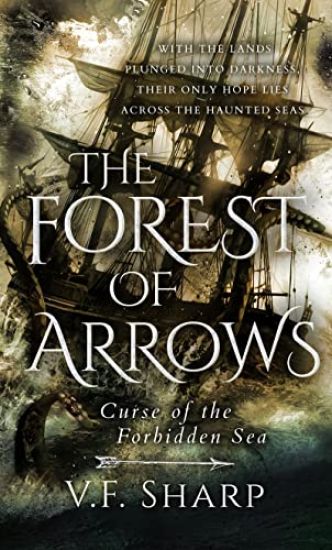
The Forest of Arrows

The Forest of Arrows

V F Sharp

V.F. Sharp
2022
pokkari
With the lands plunged into darkness, their only hope lies across the haunted seas A mysterious, ancient dark force has spread from the Forest of Arrows throughout the Human Lands. Meanwhile, the overzealous King Zaros has seized control of the kingdom of Old Vynterra. In defiance of Zaros, Prince Alazar and his three ships have set sail toward the forbidden Magiclands to seek help from the only possible hope for human survival-the powerful magical beings not seen by humans since the Great War. It's up to Ezstasia, a simple cottage girl known by the villagers as Lady Arrow, to aid the revolution against Zaros's regime on the small chance the prince will return with help. Ezstasia's friends have been separated; some stand with her in defending the Human Lands, and the others sail with the prince. All will face terrifying forces beyond their wildest nightmares as humanity's hope hangs in the balance. In this captivating second installment in the Forest of Arrows trilogy, V.F. Sharp blends high seas adventure, intriguing mystery, and fantastical creatures into a fun, scary joyride for readers of all ages.
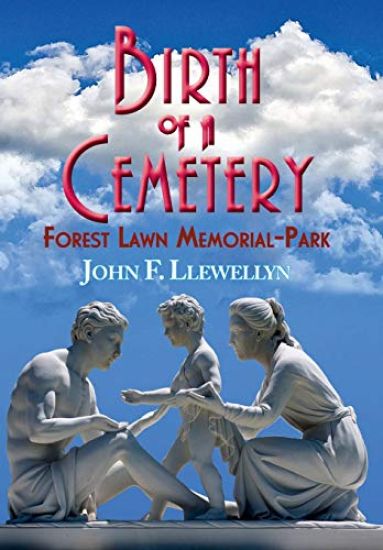
Birth of a Cemetery: Forest Lawn Memorial-Park

Birth of a Cemetery: Forest Lawn Memorial-Park

John F. Llewellyn

Tropico Press
2018
nidottu
In Birth of a Cemetery, John F. Llewellyn reminds us that even supremely successful enterprises often emerge from chaotic beginnings. Llewellyn's book is essential reading for cemetery scholars and fans who want the inside story of how modern cemeteries develop, and the challenges they face. Llewellyn chronicles the mindboggling organizational drama from 1905 until the mid-1920s accompanying the founding of what was first called Forest Lawn Cemetery. While early American cemeteries were founded by faith-based organizations or public entities, by this time, cemeteries had become hybrid institutions, partly non-profit, partly profit. They exemplified the period's seemingly unlimited, and largely unregulated entrepreneurial spirit.Forest Lawn also mirrored the booming, racially divided city and suburbs of early 20th century Los Angeles. The cemetery's founders recognized the opportunity that growth represented, but had trouble settling on a management and sales program that would allow them to fully exploit it. Instead, they squabbled, backbit, and gossiped as they endlessly tried to find a system that would work, and time after time theirs produced more debt than profit.Some familiar faces in California history, Hubert Eaton, architect T. Paterson Ross, Motley Flint, the Glassell family, among others, populate the story. Many are civic leaders, while more than a few are scoundrels trying to figure out that most LA of pursuits, a quick success. Eventually, Hubert Eaton would take control, invent his version of the "memorial-park," and infuse the landscape with the values for which the institution became famous, middle class families, patriotism, and faith. Within a decade, as Llewellyn demonstrates in the final chapters, the newly christened Forest Lawn Memorial-Park would become the model for most cemeteries founded in the US.
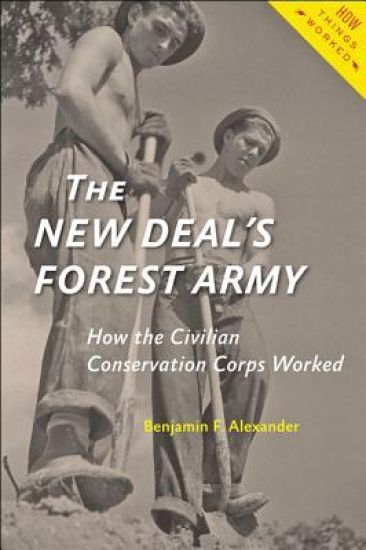
The New Deal's Forest Army

The New Deal's Forest Army

Benjamin F. Alexander

Johns Hopkins University Press
2018
sidottu
How the Civilian Conservation Corps constructed, rejuvenated, and protected American forests and parks at the height of the Great Depression.Propelled by the unprecedented poverty of the Great Depression, President Franklin D. Roosevelt established an array of massive public works programs designed to provide direct relief to America’s poor and unemployed. The New Deal’s most tangible legacy may be the Civilian Conservation Corps’s network of parks, national forests, scenic roadways, and picnic shelters that still mark the country’s landscape. CCC enrollees, most of them unmarried young men, lived in camps run by the Army and worked hard for wages (most of which they had to send home to their families) to preserve America’s natural treasures. In The New Deal’s Forest Army, Benjamin F. Alexander chronicles how the corps came about, the process applicants went through to get in, and what jobs they actually did. He also explains how the camps and the work sites were run, how enrollees spent their leisure time, and how World War II brought the CCC to its end. Connecting the story of the CCC with the Roosevelt administration’s larger initiatives, Alexander describes how FDR’s policies constituted a mixed blessing for African Americans who, even while singled out for harsh treatment, benefited enough from the New Deal to become an increasingly strong part of the electorate behind the Democratic Party. The CCC was the only large-scale employment program whose existence FDR foreshadowed in speeches during the 1932 campaign—and the dearest to his heart throughout the decade that it lasted. Alexander reveals how the work itself left a lasting imprint on the country’s terrain as the enrollees planted trees, fought forest fires, landscaped public parks, restored historic battlegrounds, and constructed dams and terraces to prevent floods. A uniquely detailed exploration of life in the CCC, The New Deal’s Forest Army compellingly demonstrates how one New Deal program changed America and gave birth to both contemporary forestry and the modern environmental movement.
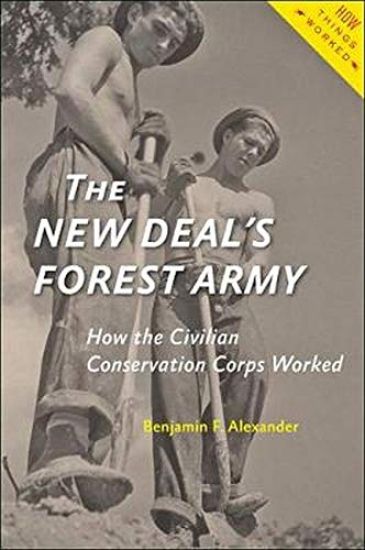
The New Deal's Forest Army

The New Deal's Forest Army

Benjamin F. Alexander

Johns Hopkins University Press
2018
pokkari
How the Civilian Conservation Corps constructed, rejuvenated, and protected American forests and parks at the height of the Great Depression.Propelled by the unprecedented poverty of the Great Depression, President Franklin D. Roosevelt established an array of massive public works programs designed to provide direct relief to America’s poor and unemployed. The New Deal’s most tangible legacy may be the Civilian Conservation Corps’s network of parks, national forests, scenic roadways, and picnic shelters that still mark the country’s landscape. CCC enrollees, most of them unmarried young men, lived in camps run by the Army and worked hard for wages (most of which they had to send home to their families) to preserve America’s natural treasures. In The New Deal’s Forest Army, Benjamin F. Alexander chronicles how the corps came about, the process applicants went through to get in, and what jobs they actually did. He also explains how the camps and the work sites were run, how enrollees spent their leisure time, and how World War II brought the CCC to its end. Connecting the story of the CCC with the Roosevelt administration’s larger initiatives, Alexander describes how FDR’s policies constituted a mixed blessing for African Americans who, even while singled out for harsh treatment, benefited enough from the New Deal to become an increasingly strong part of the electorate behind the Democratic Party. The CCC was the only large-scale employment program whose existence FDR foreshadowed in speeches during the 1932 campaign—and the dearest to his heart throughout the decade that it lasted. Alexander reveals how the work itself left a lasting imprint on the country’s terrain as the enrollees planted trees, fought forest fires, landscaped public parks, restored historic battlegrounds, and constructed dams and terraces to prevent floods. A uniquely detailed exploration of life in the CCC, The New Deal’s Forest Army compellingly demonstrates how one New Deal program changed America and gave birth to both contemporary forestry and the modern environmental movement.
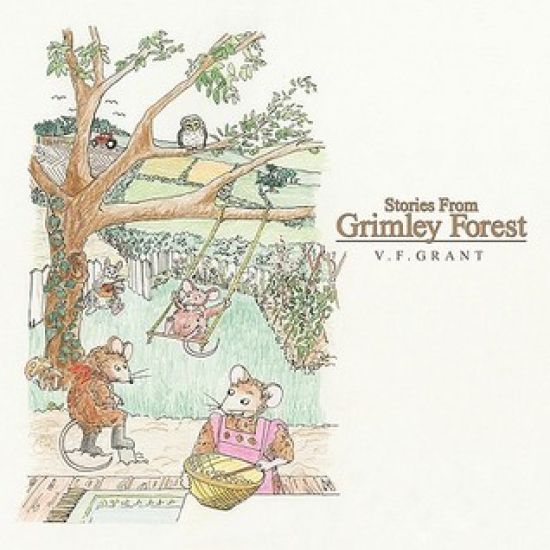
Stories From Grimley Forest

Stories From Grimley Forest

V.F. GRANT

AuthorHouse
2011
pokkari
CAN YOU IMAGINE BEING A PART OF THE DAILY ADVENTURES OF A CUTE LITTLE MOUSE AND HIS FAMILY? HOW ABOUT A VERY STUBBORN OWL WHO NEEDS GLASSES OR PERHAPS FINDING TO YOUR SURPRISE THAT BIG WOLVES CAN HAVE BIG HEARTS FRESHLY BAKED APPLE PIES THAT SUDDENLY DISAPPEAR AND A RABBIT WHO LOVES NOTHING BETTER IN LIFE THAN TO EAT. COULD THE CUTE LITTLE BUNNY BE THE PIE THIEF; READ THE BOOK AND FIND OUT ADD TO THIS A KINDLY OLD HERMIT WHO HELPS THE FOREST CREATURES WHEN THEY GET SICK AND YOU WILL FALL IN LOVE WITH STORIES FROM GRIMLEY FORESTTHE FIRST BOOK IN A SERIES OF CHILDRENS BOOKS EVERYONE WILL LOVE.