Kirjojen hintavertailu. Mukana 11 342 296 kirjaa ja 12 kauppaa.

Kirjahaku

Etsi kirjoja tekijän nimen, kirjan nimen tai ISBN:n perusteella.

1000 tulosta hakusanalla Gerhard Hauser

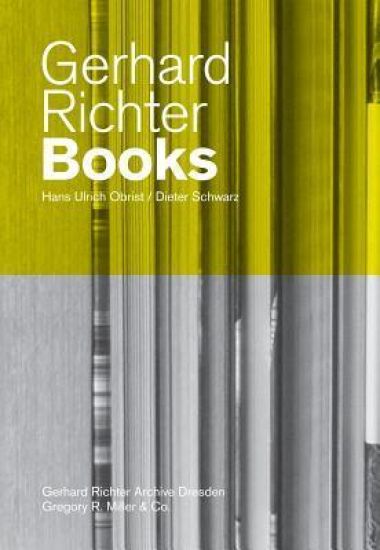
Gerhard Richter: Books

Gerhard Richter: Books

Gregory Miller Company
2014
pokkari
Gerhard Richter (born 1932) is predominantly known for his paintings and drawings, which strike a playful balance between photo-realism and abstraction, while at once delving into often controversial political commentary. His works have explored a multitude of media, from photo-based, monochrome and brightly colored paintings to ink-doused papers and thin, multicolored strips of pure pattern. Beyond his artistic works, and particularly in recent years, Richter has published extensively on his vision of art and artistic values: in letters, interviews, public statements, excerpts and articles, Richter has established himself as a brilliant advocate of contemporary painting. Richter has also increasingly explored the possibilities of the book as medium in a series of extraordinary artist's books. Gerhard Richter: Books takes an in-depth look at his work in this medium. It features a book-length interview with the artist by internationally renowned art critic and historian Hans Ulrich Obrist, who walks us through the Richter archive and discusses the work with the artist himself, affording the reader an entirely new perspective on his works. The book also includes a new text by Kunstmuseum Winterthur director Dieter Schwarz.
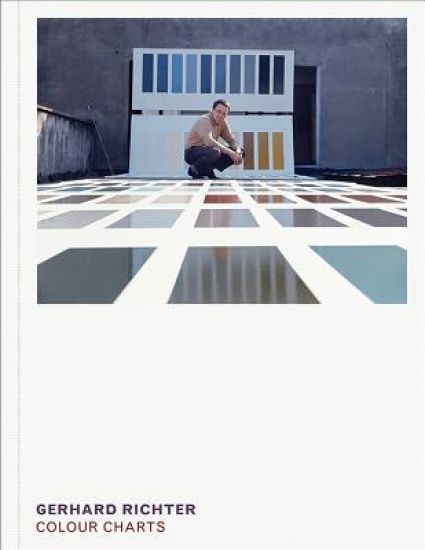
Gerhard Richter: Colour Charts

Gerhard Richter: Colour Charts

Dominique Levy Gallery
2016
sidottu
In 1966, German artist Gerhard Richter (born 1932) embarked on a series of paintings: uniform grids of colored rectangles or squares in a chart configuration against a white background, inspired by industrially produced paint chips. With the exception of only one other painting, this marked the artist’s first use of color and a turning point in his career. This comprehensive catalogue is the first publication dedicated to the original Colour Charts, both those created in 1966 and those made in the ‘70s after a five-year hiatus. Featuring new essays by Dietmar Elger, head of the Gerhard Richter Archive; Hubertus Butin, curator and author of several key texts on Richter; and Jaleh Mansoor, professor at the University of British Columbia, whose research concentrates on modern abstraction and its socioeconomic implications, this is a handsome tribute to one of Richter’s most groundbreaking bodies of work.
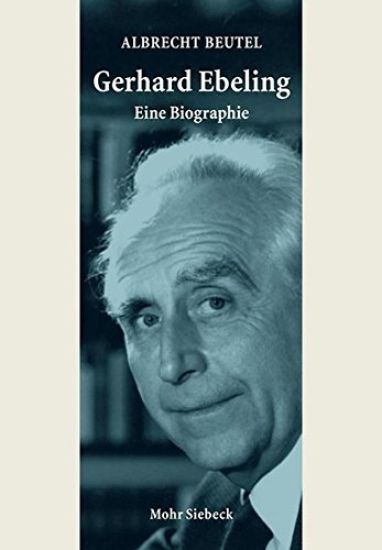
Gerhard Ebeling - Eine Biographie

Gerhard Ebeling - Eine Biographie

Albrecht Beutel

Mohr Siebeck
2012
sidottu
Gerhard Ebeling (1912-2001) hat die deutschsprachige evangelische Theologie nach 1945 maßgeblich gestaltet. Als führender Lutherforscher, Hermeneutiker, Dogmatiker und Fundamentaltheologe, dazu als einflußreicher Wissenschaftsorganisator prägte er über Jahrzehnte hinweg die Konturen und Konstellationen theologischer Sachreflexion. Frühe Impulse, die er namentlich von Dietrich Bonhoeffer und Rudolf Bultmann empfing, vermochte er in seiner eigenen, weit ausstrahlenden Lehr- und Forschungstätigkeit durch kritisch aneignende Transformation fruchtbar zu machen. Das vorliegende Lebensbild schöpft aus einem reichhaltigen, zu erheblichen Teilen in Privatarchiven verwahrten Quellenmaterial. Dadurch kann es erstmals auch die geistige Verwurzelung Ebelings in der Bekennenden Kirche und die lebenslangen Prägungen, die ihm daraus erwachsen sind, tiefenscharf rekonstruieren. Durchgehend wird der engen Verflechtung von Biographie und Theologie, die für Ebeling in überraschender Intensität wichtig geworden ist, Beachtung geschenkt. Insgesamt entsteht dabei das theologische Charakterbild eines Menschen, der auf Kollegen, Schüler und Weggefährten, auf Kirche, Theologie und Gesellschaft bedeutenden Einfluß ausübte und dem es dank hoher Begabung und Selbstdisziplin auf besondere Weise vergönnt war, Leben in Werk zu verwandeln. Am Leitfaden einer außergewöhnlichen Biographie erschließen sich nicht nur Zusammenhänge der jüngsten Theologie- und Zeitgeschichte, sondern zugleich auch elementare Voraussetzungen, von denen die evangelische Theologie und Kirche der Gegenwart zehren.