Kirjojen hintavertailu. Mukana 11 627 374 kirjaa ja 12 kauppaa.

Kirjahaku

Etsi kirjoja tekijän nimen, kirjan nimen tai ISBN:n perusteella.

1000 tulosta hakusanalla Hervé Deleu

Éloge Funèbre M. l'Abbé J. Hervé, Curé Potherie, Prononcé Dans l'Église de la Potherie, 16 Mai 1854
Eloge funebre de M. l'abbe J. Herve, cure de la Potherie, prononce dans l'eglise de la Potherie, le 16 mai 1854, par M. l'abbe L. Levoyer, ...Date de l'edition originale: 1854Sujet de l'ouvrage: HerveCe livre est la reproduction fidele d'une oeuvre publiee avant 1920 et fait partie d'une collection de livres reimprimes a la demande editee par Hachette Livre, dans le cadre d'un partenariat avec la Bibliotheque nationale de France, offrant l'opportunite d'acceder a des ouvrages anciens et souvent rares issus des fonds patrimoniaux de la BnF.Les oeuvres faisant partie de cette collection ont ete numerisees par la BnF et sont presentes sur Gallica, sa bibliotheque numerique.En entreprenant de redonner vie a ces ouvrages au travers d'une collection de livres reimprimes a la demande, nous leur donnons la possibilite de rencontrer un public elargi et participons a la transmission de connaissances et de savoirs parfois difficilement accessibles.Nous avons cherche a concilier la reproduction fidele d'un livre ancien a partir de sa version numerisee avec le souci d'un confort de lecture optimal. Nous esperons que les ouvrages de cette nouvelle collection vous apporteront entiere satisfaction.Pour plus d'informations, rendez-vous sur www.hachettebnf.fr
de la Forme Des Testaments En Droit Romain Et En Droit Français: Thèse Pour Le Doctorat
De la forme des testaments en droit romain et en droit francais: these pour le doctorat... / par Valere Herve, ...; Faculte de droit de PoitiersDate de l'edition originale: 1873Appartient a l'ensemble documentaire: PoitouCh1Ce livre est la reproduction fidele d'une oeuvre publiee avant 1920 et fait partie d'une collection de livres reimprimes a la demande editee par Hachette Livre, dans le cadre d'un partenariat avec la Bibliotheque nationale de France, offrant l'opportunite d'acceder a des ouvrages anciens et souvent rares issus des fonds patrimoniaux de la BnF.Les oeuvres faisant partie de cette collection ont ete numerisees par la BnF et sont presentes sur Gallica, sa bibliotheque numerique.En entreprenant de redonner vie a ces ouvrages au travers d'une collection de livres reimprimes a la demande, nous leur donnons la possibilite de rencontrer un public elargi et participons a la transmission de connaissances et de savoirs parfois difficilement accessibles.Nous avons cherche a concilier la reproduction fidele d'un livre ancien a partir de sa version numerisee avec le souci d'un confort de lecture optimal. Nous esperons que les ouvrages de cette nouvelle collection vous apporteront entiere satisfaction.Pour plus d'informations, rendez-vous sur www.hachettebnf.fr
Le Notariat Belge Et Le Notariat Français, Réformes Nécessaires
Le Notariat belge et le notariat francais, reformes necessaires, par Valere Herve, ...Date de l'edition originale: 1877Appartient a l'ensemble documentaire: PoitouCh1Ce livre est la reproduction fidele d'une oeuvre publiee avant 1920 et fait partie d'une collection de livres reimprimes a la demande editee par Hachette Livre, dans le cadre d'un partenariat avec la Bibliotheque nationale de France, offrant l'opportunite d'acceder a des ouvrages anciens et souvent rares issus des fonds patrimoniaux de la BnF.Les oeuvres faisant partie de cette collection ont ete numerisees par la BnF et sont presentes sur Gallica, sa bibliotheque numerique.En entreprenant de redonner vie a ces ouvrages au travers d'une collection de livres reimprimes a la demande, nous leur donnons la possibilite de rencontrer un public elargi et participons a la transmission de connaissances et de savoirs parfois difficilement accessibles.Nous avons cherche a concilier la reproduction fidele d'un livre ancien a partir de sa version numerisee avec le souci d'un confort de lecture optimal. Nous esperons que les ouvrages de cette nouvelle collection vous apporteront entiere satisfaction.Pour plus d'informations, rendez-vous sur www.hachettebnf.fr
Democracy, the Market, and the Firm

Democracy, the Market, and the Firm

Hervé Crès; Mich Tvede

Oxford University Press
2021
sidottu
Why are collective choices so stable and easy to make in practice, when in theory it should be totally otherwise? This question has puzzled social scientists since Condorcet in the eighteenth century. A striking illustration of this puzzle is the almost unanimous support of shareholders in publicly traded companies to the motions tabled by directors. Democracy, the Market, and the Firm investigates the behavioural assumptions leading to an alignment of shareholders, even in a context of severe market failures, and provides an analysis of the philosophical and axiomatic underpinnings of these assumptions. In sum, and figuratively, Crès and Tvede argue that the invisible hand of the market and the active hand of democracy can work hand in hand to give rise to a better world. The first part of the book explores the interplay between the voting and trading mechanisms. Two main arguments are proposed: on the one hand, the better the market works, the easier it is for majority voting to achieve political stability; on the other hand, among all market equilibria, those that are politically stable are more likely to be economically efficient. The second part of the book explores the feedback from collective choices to individual preferences.
Experimental Design and Analysis for Psychology

Experimental Design and Analysis for Psychology

Herve Abdi; Betty Edelman; Dominique Valentin; W. Jay Dowling

Oxford University Press
2009
nidottu
Careful data collection and analysis lies at the heart of good research, through which our understanding of psychology is enhanced. Yet the students who will become the next generation of researchers need more exposure to statistics and experimental design than a typical introductory course presents. Experimental Design and Analysis for Psychology provides a complete course in data collection and analysis for students who need to go beyond the basics. Acting as a true course companion, the text's engaging writing style leads readers through a range of often challenging topics, blending examples and exercises with careful explanations and custom-drawn figures to ensure even the most daunting concepts can be fully understood. Opening with a review of key concepts, including probability, correlation, and regression, the book goes on to explore the analysis of variance and factorial designs, before moving on to consider a range of more specialised, but yet powerful, statistical tools, including the General Linear Model, and the concept of unbalanced designs. Not just a printed book, Experimental Design and Analysis for Psychology is enhanced by a range of online materials, all of which add to its value as an ideal teaching and learning resource. The Online Resource Centre features: For registered adopters: Figures from the book, available to download. Answers to exercises featured in the book. Online-only Part III: bonus chapters featuring more advanced material, to extend the coverage of the printed book. For students: A downloadable workbook, featuring exercises for self-study. SAS, SPSS and R companions, featuring program code and output for all major examples in the book tailored to these three software packages.
Opening Bazin

Opening Bazin

Herve Joubert-Laurencin

Oxford University Press Inc
2011
sidottu
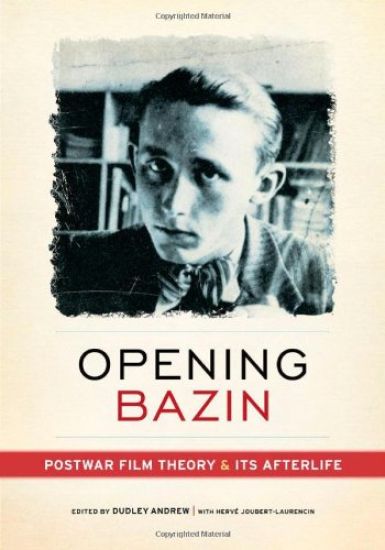
Andre Bazin remains one of the most read, most studied, and most engaging figures ever to have written about film. He is indisputably the cinema's most influential philosopher-critic. Always an important presence within cinema theory, Bazin, who died just over fifty years ago, has seen a massive resurgence of interest among critics, scholars, and students of every persuasion. The journal that he founded in 1951, Cahiers du Cinéma, marked the anniversary year of his death by republishing a dozen of his uncollected essays while Film Comment and Film Quarterly in the US published memorial issues; conferences were held worldwide. Last year also saw the opening of an electronic Bazin archive which consists of his entire output of 2600 pieces on a fascinating array of topics. These events represent an ideal springboard for a major collection about Bazin. The proposed volume will include essays from the best scholars of French cinema in the US and abroad. The contributors represent a pantheon of several generations of the very best film scholars: Gunning, Frodon, Margulies, Conley, MacCabe, Narboni, Vernet, Finally, Fifty years after his death, André Bazin's full range of articles has been catalogued. Armed with this, 33 scholars from four continents have opened Bazin up in this new century, tracing his lineage, debating his aesthetics, locating him in the rich cultural moment of postwar France, and tracking the effect of his thought around the world. This volume reinforces his preeminence as the most gifted and influential of all writers on film.
Opening Bazin

Opening Bazin

Herve Joubert-Laurencin

Oxford University Press Inc
2011
nidottu
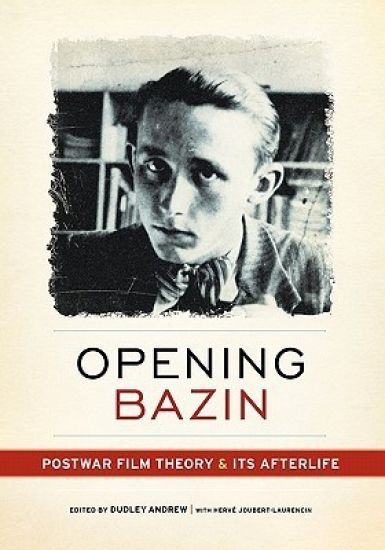
Andre Bazin remains one of the most read, most studied, and most engaging figures ever to have written about film. He is indisputably the cinema's most influential philosopher-critic. Always an important presence within cinema theory, Bazin, who died just over fifty years ago, has seen a massive resurgence of interest among critics, scholars, and students of every persuasion. The journal that he founded in 1951, Cahiers du Cinéma, marked the anniversary year of his death by republishing a dozen of his uncollected essays while Film Comment and Film Quarterly in the US published memorial issues; conferences were held worldwide. Last year also saw the opening of an electronic Bazin archive which consists of his entire output of 2600 pieces on a fascinating array of topics. These events represent an ideal springboard for a major collection about Bazin. The proposed volume will include essays from the best scholars of French cinema in the US and abroad. The contributors represent a pantheon of several generations of the very best film scholars: Gunning, Frodon, Margulies, Conley, MacCabe, Narboni, Vernet, Finally, Fifty years after his death, André Bazin's full range of articles has been catalogued. Armed with this, 33 scholars from four continents have opened Bazin up in this new century, tracing his lineage, debating his aesthetics, locating him in the rich cultural moment of postwar France, and tracking the effect of his thought around the world. This volume reinforces his preeminence as the most gifted and influential of all writers on film.
Ghost Image

Ghost Image

Herve Guibert

University of Chicago Press
2014
nidottu
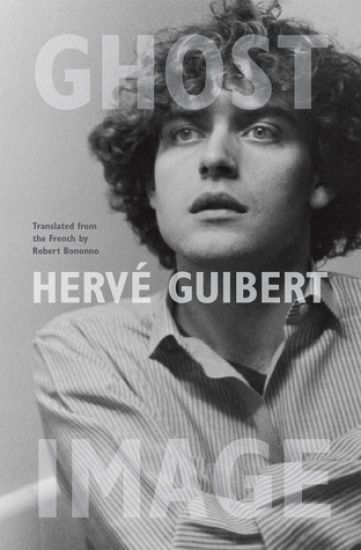
Ghost Image is made up of sixty-three short essays - meditations, memories, fantasies, and stories bordering on prose poems - and not a single image. Herve Guibert's brief, literary rumination on photography was written in response to Roland Barthes' Camera Lucida, but its deeply personal contents go far beyond that canonical text. Some essays talk of Guibert's parents and friends, some describe old family photographs and films, and spinning through them all are reflections on remembrance, narcissism, seduction, deception, death, and the phantom images that have been missed. Both a memoir and an exploration of the artistic process, Ghost Image not only reveals Guibert's particular experience as a gay artist captivated by the transience and physicality of his media and his life, but also his thoughts on the more technical aspects of his vocation. In one essay, Guibert searches through a cardboard box of family portraits for clues-answers, or even questions-about the lives of his parents and more distant relatives. Rifling through vacation snapshots and the autographed images of long-forgotten film stars, Guibert muses, "I don't even recognize the faces, except occasionally that of an aunt or great-aunt, or the thin, fair face of my mother as a young girl." In other essays, he explains how he composes his photographs, and how - in writing - he seeks to escape and correct the inherent limits of his technique, to preserve those images lost to his technical failings as a photographer. With strains of Jean Genet and recurring themes that speak to the work of contemporary artists across a range of media, Guibert's Ghost Image is a beautifully written, melancholic ode to existence and art forms both fleeting and powerful - a unique memoir at the nexus of family, memory, desire, and photography.
Molecular Gastronomy

Molecular Gastronomy

Hervé This

Columbia University Press
2006
sidottu
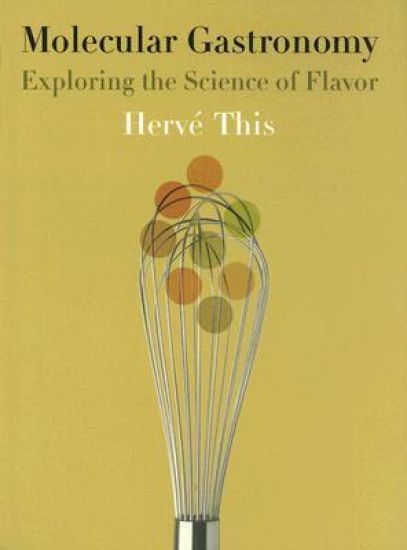
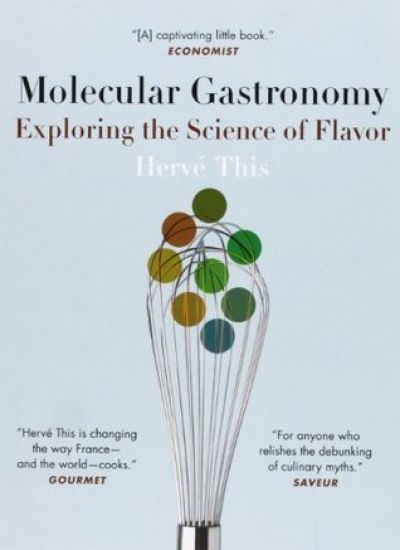
Herve This (pronounced "Teess") is an internationally renowned chemist, a popular French television personality, a bestselling cookbook author, a longtime collaborator with the famed French chef Pierre Gagnaire, and the only person to hold a doctorate in molecular gastronomy, a cutting-edge field he pioneered. Bringing the instruments and experimental techniques of the laboratory into the kitchen, This uses recent research in the chemistry, physics, and biology of food to challenge traditional ideas about cooking and eating. What he discovers will entertain, instruct, and intrigue cooks, gourmets, and scientists alike. Molecular Gastronomy, This's first work to appear in English, is filled with practical tips, provocative suggestions, and penetrating insights. This begins by reexamining and debunking a variety of time-honored rules and dictums about cooking and presents new and improved ways of preparing a variety of dishes from quiches and quenelles to steak and hard-boiled eggs. He goes on to discuss the physiology of flavor and explores how the brain perceives tastes, how chewing affects food, and how the tongue reacts to various stimuli. Examining the molecular properties of bread, ham, foie gras, and champagne, the book analyzes what happens as they are baked, cured, cooked, and chilled. Looking to the future, Herve This imagines new cooking methods and proposes novel dishes. A chocolate mousse without eggs? A flourless chocolate cake baked in the microwave? Molecular Gastronomy explains how to make them. This also shows us how to cook perfect French fries, why a souffle rises and falls, how long to cool champagne, when to season a steak, the right way to cook pasta, how the shape of a wine glass affects the taste of wine, why chocolate turns white, and how salt modifies tastes.
Molecular Gastronomy

Molecular Gastronomy

Hervé This

Columbia University Press
2008
pokkari
Herve This (pronounced "Teess") is an internationally renowned chemist, a popular French television personality, a bestselling cookbook author, a longtime collaborator with the famed French chef Pierre Gagnaire, and the only person to hold a doctorate in molecular gastronomy, a cutting-edge field he pioneered. Bringing the instruments and experimental techniques of the laboratory into the kitchen, This uses recent research in the chemistry, physics, and biology of food to challenge traditional ideas about cooking and eating. What he discovers will entertain, instruct, and intrigue cooks, gourmets, and scientists alike. Molecular Gastronomy, This's first work to appear in English, is filled with practical tips, provocative suggestions, and penetrating insights. This begins by reexamining and debunking a variety of time-honored rules and dictums about cooking and presents new and improved ways of preparing a variety of dishes from quiches and quenelles to steak and hard-boiled eggs. He goes on to discuss the physiology of flavor and explores how the brain perceives tastes, how chewing affects food, and how the tongue reacts to various stimuli. Examining the molecular properties of bread, ham, foie gras, and champagne, the book analyzes what happens as they are baked, cured, cooked, and chilled. Looking to the future, Herve This imagines new cooking methods and proposes novel dishes. A chocolate mousse without eggs? A flourless chocolate cake baked in the microwave? Molecular Gastronomy explains how to make them. This also shows us how to cook perfect French fries, why a souffle rises and falls, how long to cool champagne, when to season a steak, the right way to cook pasta, how the shape of a wine glass affects the taste of wine, why chocolate turns white, and how salt modifies tastes.
Kitchen Mysteries

Kitchen Mysteries

Hervé This

Columbia University Press
2007
sidottu
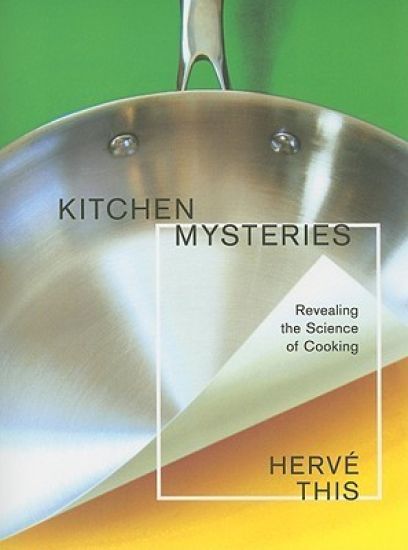
An international celebrity and founder of molecular gastronomy, or the scientific investigation of culinary practice, Herve This is known for his ground-breaking research into the chemistry and physics behind everyday cooking. His work is consulted widely by amateur cooks and professional chefs and has changed the way food is approached and prepared all over the world. In Kitchen Mysteries, Herve This offers a second helping of his world-renowned insight into the science of cooking, answering such fundamental questions as what causes vegetables to change color when cooked and how to keep a souffle from falling. He illuminates abstract concepts with practical advice and concrete examples--for instance, how sauteing in butter chemically alters the molecules of mushrooms--so that cooks of every stripe can thoroughly comprehend the scientific principles of food. Kitchen Mysteries begins with a brief overview of molecular gastronomy and the importance of understanding the physiology of taste. A successful meal depends as much on a cook's skilled orchestration of taste, odors, colors, consistencies, and other sensations as on the delicate balance of ingredients. Herve then dives into the main course, discussing the science behind many meals' basic components: eggs, milk, bread, sugar, fruit, yogurt, alcohol, and cheese, among other items. He also unravels the mystery of tenderizing enzymes and gelatins and the preparation of soups and stews, salads and sauces, sorbet, cakes, and pastries. Herve explores the effects of boiling, steaming, braising, roasting, deep-frying, sauteing, grilling, salting, and microwaving, and devotes a chapter to kitchen utensils, recommending the best way to refurbish silverware and use copper. By sharing the empirical principles chefs have valued for generations, Herve This adds another dimension to the suggestions of cookbook authors. He shows how to adapt recipes to available ingredients and how to modify proposed methods to the utensils at hand. His revelations make difficult recipes easier to attempt and allow for even more creativity and experimentation. Promising to answer your most compelling kitchen questions, Herve This continues to make the complex science of food digestible to the cook.
Kitchen Mysteries

Kitchen Mysteries

Hervé This

Columbia University Press
2010
pokkari
An international celebrity and founder of molecular gastronomy, or the scientific investigation of culinary practice, Herve This is known for his ground-breaking research into the chemistry and physics behind everyday cooking. His work is consulted widely by amateur cooks and professional chefs and has changed the way food is approached and prepared all over the world. In Kitchen Mysteries, Herve This offers a second helping of his world-renowned insight into the science of cooking, answering such fundamental questions as what causes vegetables to change color when cooked and how to keep a souffle from falling. He illuminates abstract concepts with practical advice and concrete examples--for instance, how sauteing in butter chemically alters the molecules of mushrooms--so that cooks of every stripe can thoroughly comprehend the scientific principles of food. Kitchen Mysteries begins with a brief overview of molecular gastronomy and the importance of understanding the physiology of taste. A successful meal depends as much on a cook's skilled orchestration of taste, odors, colors, consistencies, and other sensations as on the delicate balance of ingredients. Herve then dives into the main course, discussing the science behind many meals' basic components: eggs, milk, bread, sugar, fruit, yogurt, alcohol, and cheese, among other items. He also unravels the mystery of tenderizing enzymes and gelatins and the preparation of soups and stews, salads and sauces, sorbet, cakes, and pastries. Herve explores the effects of boiling, steaming, braising, roasting, deep-frying, sauteing, grilling, salting, and microwaving, and devotes a chapter to kitchen utensils, recommending the best way to refurbish silverware and use copper. By sharing the empirical principles chefs have valued for generations, Herve This adds another dimension to the suggestions of cookbook authors. He shows how to adapt recipes to available ingredients and how to modify proposed methods to the utensils at hand. His revelations make difficult recipes easier to attempt and allow for even more creativity and experimentation. Promising to answer your most compelling kitchen questions, Herve This continues to make the complex science of food digestible to the cook.

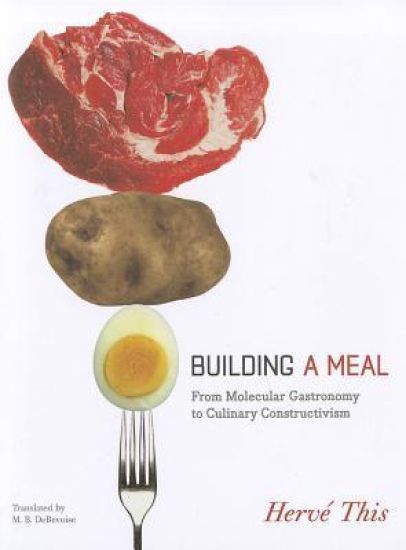
Building a Meal

Building a Meal

Hervé This

Columbia University Press
2009
sidottu
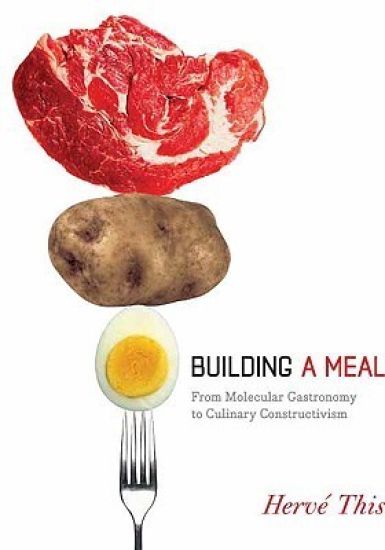
An internationally renowned chemist, popular television personality, and bestselling author, Herve This heads the first laboratory devoted to molecular gastronomy--the scientific exploration of cooking and eating. By testing recipes that have guided cooks for centuries, and the various dictums and maxims on which they depend, Herve This unites the head with the hand in order to defend and transform culinary practice. With this new book, Herve This's scientific project enters an exciting new phase. Considering the preparation of six bistro favorites--hard-boiled egg with mayonnaise, simple consomme, leg of lamb with green beans, steak with French fries, lemon meringue pie, and chocolate mousse--he isolates the exact chemical properties that tickle our senses and stimulate our appetites. More important, he connects the mind and the stomach, identifying methods of culinary construction that appeal to our memories, intelligence, and creativity. By showing that the creation of a meal is as satisfying as its consumption, Herve This recalibrates the balance between food and our imaginations. The result is a revolutionary perspective that will tempt even the most casual cooks to greater flights of experimentation.
Building a Meal

Building a Meal

Hervé This

Columbia University Press
2011
pokkari
An internationally renowned chemist, popular television personality, and bestselling author, Herve This heads the first laboratory devoted to molecular gastronomy--the scientific exploration of cooking and eating. By testing recipes that have guided cooks for centuries, and the various dictums and maxims on which they depend, Herve This unites the head with the hand in order to defend and transform culinary practice. With this new book, Herve This's scientific project enters an exciting new phase. Considering the preparation of six bistro favorites--hard-boiled egg with mayonnaise, simple consomme, leg of lamb with green beans, steak with French fries, lemon meringue pie, and chocolate mousse--he isolates the exact chemical properties that tickle our senses and stimulate our appetites. More important, he connects the mind and the stomach, identifying methods of culinary construction that appeal to our memories, intelligence, and creativity. By showing that the creation of a meal is as satisfying as its consumption, Herve This recalibrates the balance between food and our imaginations. The result is a revolutionary perspective that will tempt even the most casual cooks to greater flights of experimentation.
The Science of the Oven

The Science of the Oven

Hervé This

Columbia University Press
2009
sidottu
Mayonnaise "takes" when a series of liquids form a semisolid consistency. Eggs, a liquid, become solid as they are heated, whereas, under the same conditions, solids melt. When meat is roasted, its surface browns and it acquires taste and texture. What accounts for these extraordinary transformations? The answer: chemistry and physics. With his trademark eloquence and wit, Herve This launches a wry investigation into the chemical art of cooking. Unraveling the science behind common culinary technique and practice, Herve This breaks food down to its molecular components and matches them to cooking's chemical reactions. He translates the complex processes of the oven into everyday knowledge for professional chefs and casual cooks, and he demystifies the meaning of taste and the making of flavor. He describes the properties of liquids, salts, sugars, oils, and fats and defines the principles of culinary practice, which endow food with sensual as well as nutritional value. For fans of Herve This's popular volumes and for those new to his celebrated approach, The Science of the Oven expertly expands the possibilities of the kitchen, fusing the physiology of taste with the molecular structure of bodies and food.
The Science of the Oven

The Science of the Oven

Hervé This

Columbia University Press
2012
pokkari
Mayonnaise "takes" when a series of liquids form a semisolid consistency. Eggs, a liquid, become solid as they are heated, whereas, under the same conditions, solids melt. When meat is roasted, its surface browns and it acquires taste and texture. What accounts for these extraordinary transformations? The answer: chemistry and physics. With his trademark eloquence and wit, Herve This launches a wry investigation into the chemical art of cooking. Unraveling the science behind common culinary technique and practice, Herve This breaks food down to its molecular components and matches them to cooking's chemical reactions. He translates the complex processes of the oven into everyday knowledge for professional chefs and casual cooks, and he demystifies the meaning of taste and the making of flavor. He describes the properties of liquids, salts, sugars, oils, and fats and defines the principles of culinary practice, which endow food with sensual as well as nutritional value. For fans of Herve This's popular volumes and for those new to his celebrated approach, The Science of the Oven expertly expands the possibilities of the kitchen, fusing the physiology of taste with the molecular structure of bodies and food.