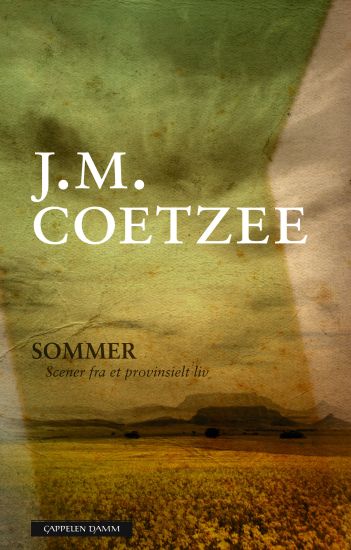
Den berømte forfatteren John Coetzee er død, og en ung forfatter arbeider med en biografi om Coetzee. Han intervjuer personer som har stått Coetzee nær på 70-tallet, da han bodde i Sør-Afrika, men ikke hadde slått igjennom som forfatter. Ut fra disse samtalene dannes et bilde av en mann som ikke har hatt evne til å åpne seg for andre mennesker, og som har mislykkes i de fleste av sine menneskelige relasjoner.Sommer er den tredje og frittstående delen av den selvbiografiske trilogien som begynte med Barndom og Ungdom. Coetzee er nådeløst selvutleverende og selvkritisk om livet og forfattergjerningen. Den dobbelte Bookerprisvinneren fikk sin tredje nominasjon for Sommer.
En mann og en gutt har krysset havet og kommer til et nytt land. Her blir de tildelt et navn, alder og losji mens de lærer seg spansk. Som Simón og David navigerer de seg fram til relokaliseringssenteret i sentrum av Novilla, hvor byråkratene behandler dem høflig, om enn ikke nødvendigvis hjelpsomt.Simón finner seg en jobb ved kornmottaket på havnen. Arbeidet er uvant og slitsomt, men snart blir han kjent med de andre havnearbeiderne. I pausene har de filosofiske samtaler om arbeidets verdighet og ser ut til å trives.Nå må han gjøre det han kan for å finne guttens mor. Han har i likhet med alle andre som kommer til dette nye landet, fått hukommelsen hvisket ut.
Jesu skoledager er en fascinerende og stilsikker ny roman fra nobelprisvinner J.M. Coetzee, og oppfølger til Jesu barndom, som kom på norsk i 2014.I Jesu skoledager fortsetter Coetzee fortellingen om den lille gutten Davíd, som sammen med Simón og Inés har flyttet til den lille byen Estrella. Davíd er en gutt som stiller spørsmål ved alt og ikke liker å innordne seg. Nå begynner han på det lille, private Akademiet for dans og ser ut til å finne seg godt til rette.Men kanskje viktigere enn plott er dette en bok som forholder seg til filosofiske spørsmål: Hva er kjærlighet? Frihet? Begjær? Å være et menneske? Som i sine tidligere bøker skriver Coetzee knapt og sterkt og med en suveren kjennskap til litteraturen og kulturhistorien, på en måte som få andre kan måle seg med i dag. Han drar opp grunnleggende universelle problemstillinger rundt hvordan det er å vokse opp og utvikle seg som menneske, og å stadig bli dratt mellom følelser og intellekt.
Jesu skoledager er en fascinerende og stilsikker ny roman fra nobelprisvinner J.M. Coetzee, og oppfølger til Jesu barndom, som kom på norsk i 2014.I Jesu skoledager fortsetter Coetzee fortellingen om den lille gutten Davíd, som sammen med Simón og Inés har flyttet til den lille byen Estrella. Davíd er en gutt som stiller spørsmål ved alt og ikke liker å innordne seg. Nå begynner han på det lille, private Akademiet for dans og ser ut til å finne seg godt til rette.Men kanskje viktigere enn plott er dette en bok som forholder seg til filosofiske spørsmål: Hva er kjærlighet? Frihet? Begjær? Å være et menneske? Som i sine tidligere bøker skriver Coetzee knapt og sterkt og med en suveren kjennskap til litteraturen og kulturhistorien, på en måte som få andre kan måle seg med i dag. Han drar opp grunnleggende universelle problemstillinger rundt hvordan det er å vokse opp og utvikle seg som menneske, og å stadig bli dratt mellom følelser og intellekt.
Etter Jesu barndom og Jesu skoledager fullfører nobelprisvinneren sin mesterlige trilogi med et nytt mesterverk.David er en veslevoksen gutt på 10 år, god i fotball og elsker å spille sammen med vennene sine. Faren hans, Simón og hunden Bolívar pleier å se på mens moren, Inés jobber i en klesbutikk. David er en gutt som stiller spørsmål ved det meste og utfordrer sine foreldre og alle andre autoritetspersoner i sitt liv. På danseskolen danser han akkurat som han vil, han nekter å gjøre matteoppgaver og leser ingen andre bøker enn Don Quixote.En dag invitere Julio Fabricante, bestyreren på et barnehjem i nærheten, ham og hans venner til å være med å lage et ordentlig fotballag. David bestemmer seg for å forlate foreldrene for å komme å bo hos Julio, men snart er han i ferd med å gå til grunne av en mystisk sykdom.I Jesu død fortsetter J.M. Coetzee å utforske mening i en verden tømt for minner, men full av spørsmål.“[Jesu død] ikke bare imponerer og bringer deg ut av fatning, men beveger deg også til tårer (. . .) Jesus-trilogien vender tilbake til det vi kan kalle en «hoved-fase» Coetzee – til de ruvende romanene Vanære, Før barbarene kommer og Michael K. Hans liv og tid, med deres utvidende kortfattethet, etiske rikdom og permanente litterære valuta - og innsikten som kommer med alderen i tillegg (…) Coetzee er fortsatt muligens vår største forfatter, og (. . .) med mesterverket Jesu død, minner han oss om hvorfor. ”The Los Angeles Review of Books“Du kan kalle ham en idéenes romanforfatter, men også en filosof som skriver romaner.»Judith Shulevitz, The New York Times Book Review«Avslutter trilogien med tyngde og hjerte (…) Hvis Jesu død treffer deg på riktig sted, kommer du til å lese den kjølige, tørre siste setning – som jeg gjorde -med tårer i øynene.»The Times«Jesu død er obligatorisk lesning og kaster merkverdig nytt lys på en av verdens største og mest gåtefulle romanforfattere.»Financial Times
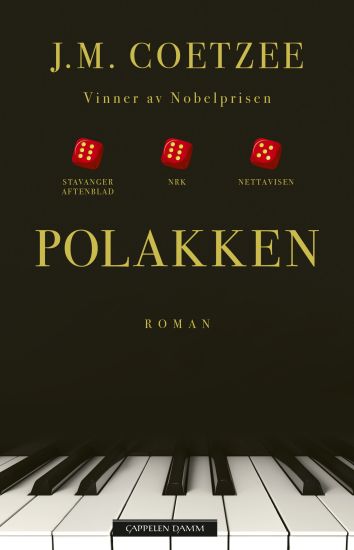
Denne lille romanen av J.M. Coetzee, en av vår tids fremste forfattere, stiller spørsmålet om vår forhåndsforståelse av hva kjærlighet er. Kan man drive frem kjærlighet? Er det i det hele tatt mulig å forstå hverandre?Etter en konsert i Barcelona faller den polske pianisten Witold for arrangøren Beatriz. Hun gjengleder ikke følelsene, i alle fall ikke innledningsvis. Med slående utholdenhet sender han henne musikk, brev, poesi, invitasjoner til å reise. Etter hvert, nærmeste motvillig, men også på egne premisser, begynner hun å utforske hans verden.
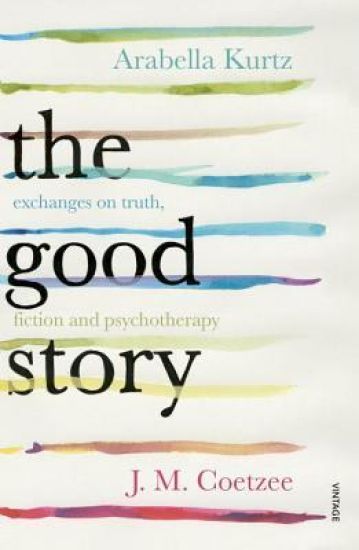
The Good Story is an exchange between a writer with a longstanding interest in moral psychology and a psychotherapist with a training in literary studies.
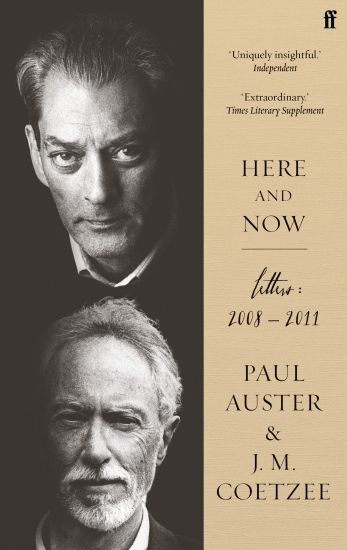
Here and Now is a collection of letters between Paul Auster and Nobel laureate J. M. Coetzee, two of the greatest writers of our time.'Uniquely insightful.' Independent'Extraordinary.' Times Literary SupplementAlthough Paul Auster and J. M. Coetzee had been reading each other's books for years, the two writers did not meet until February 2008. Not long after, Auster received a letter from Coetzee, suggesting they begin exchanging letters on a regular basis and, 'God willing, strike sparks off each other'.Here and Now is the result of that proposal: an epistolary dialogue between two great writers who became great friends. Over three years their letters touched on nearly every subject, from sports to fatherhood, literature to film, philosophy to politics, from the financial crisis to art, eroticism, marriage, friendship, and love.
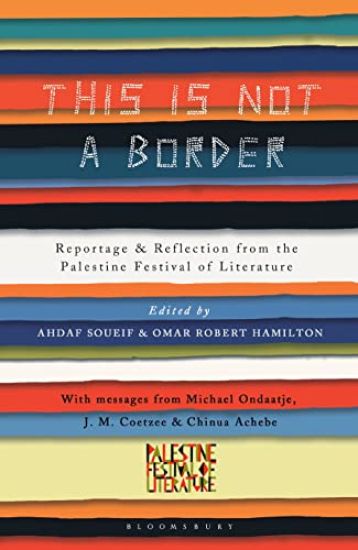
________________'This anthology will help turn your intellectual understanding of oppression into an emotional one' - New Statesman'Thanks for being who you are and for giving us such exposure to wonderful people. Palestine is proud of you' - Suad Amiry________________The Palestine Festival of Literature was established in 2008. Bringing together writers from all corners of the globe, it aims to help Palestinians break the cultural siege imposed by the Israeli military occupation, to strengthen their artistic links with the rest of the world, and to reaffirm, in the words of Edward Said, ‘the power of culture over the culture of power’.Celebrating the tenth anniversary of PalFest, This Is Not a Border is a collection of essays, poems and stories from some of the world’s most distinguished artists, responding to their experiences at this unique festival. Both heartbreaking and hopeful, their gathered work is a testament to the power of literature to promote solidarity and courage in the most desperate of situations.Contributors: Susan Abulhawa, Suad Amiry, Victoria Brittain, Jehan Bseiso, Teju Cole, Molly Crabapple, Selma Dabbagh, Mahmoud Darwish, Najwan Darwish, Geoff Dyer, Yasmin El-Rifae, Adam Foulds, Ru Freeman, Omar Robert Hamilton, Suheir Hammad, Nathalie Handal, Mohammed Hanif, Jeremy Harding, Rachel Holmes, John Horner, Remi Kanazi, Brigid Keenan, Mercedes Kemp, Omar El-Khairy, Nancy Kricorian, Sabrina Mahfouz, Jamal Mahjoub, Henning Mankell, Claire Messud, China Miéville, Pankaj Mishra, Deborah Moggach, Muiz, Maath Musleh, Michael Palin, Ed Pavlic, Atef Abu Saif, Kamila Shamsie, Raja Shehadeh, Gillian Slovo, Ahdaf Soueif, Linda Spalding, Will Sutcliffe, Alice WalkerWith messages from China Achebe, Michael Ondaatje and J. M. Coetzee________________'Every literary act, whether it is a great epic poem or an honest piece of journalism or a simple nonsense tale for children is a blow against the forces of stupidity and ignorance and darkness … The Palestine Festival of Literature exists to do just that – and I salute it for its work. Not only this year but for as long as it is necessary' - Philip Pullman
This is a book about languages, what languages can and what they cannot do.In this dialogue between a Nobel Laureate and a leading translator, provocative ideas emerge about the evolution of language and the challenge of translation.Language, historically speaking, has always been slippery. Two dictionaries provide two different maps of the universe: which one is true, or are both false? Speaking in Tongues - taking the form of a dialogue between Nobel-Laureate novelist J. M. Coetzee and eminent translator Mariana Dimópulos - explores questions that have constantly plagued writers and translators, now more than ever. Among them:How can a translator liberate meanings imprisoned in the language of a text?Why is the masculine form dominant in gendered languages while the feminine is treated as a deviation?How should we counter the spread of monolingualism?Should a translator censor racist or misogynistic language?Does mathematics tell the truth about everything?In the tradition of Walter Benjamin’s seminal essay 'The Task of the Translator', Speaking in Tongues emerges as an engaging and accessible work of philosophy, shining a light on some of the most important linguistic and philological issues of our time.
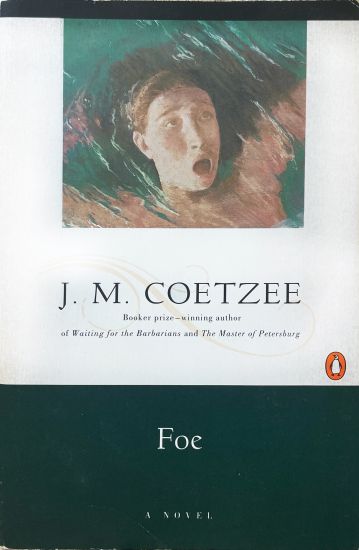
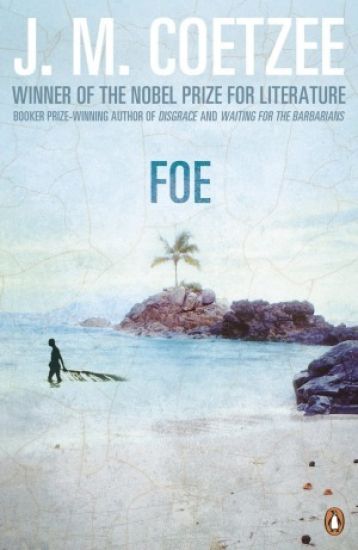
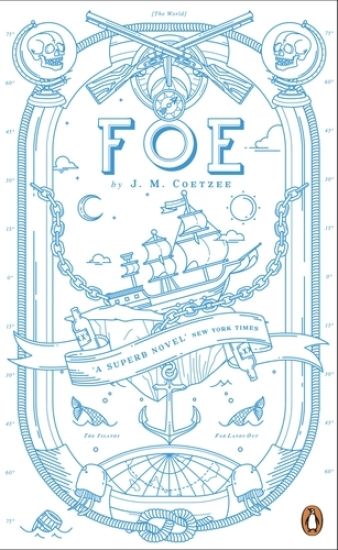
A small miracle of a book...of marvellous intricacy and overwhelming power' - The Washington Post Book World. Coetzee reinvents the story of Robinson Crusoe, directing our attention to the seduction and tyranny of storytelling itself.
Nobel Laureate and two-time Booker prize-winning author of Disgrace and The Life and Times of Michael K, J. M. Coetzee reimagines Daniel DeFoe's classic novel Robinson Crusoe in Foe. In an act of breathtaking imagination, J.M Coetzee radically reinvents the story of Robinson Crusoe.In the early eighteenth century, Susan Barton finds herself adrift from a mutinous ship and cast ashore on a remote desert island. There she finds shelter with its only other inhabitants: a man named Cruso and his tongueless slave, Friday. In time, she builds a life for herself as Cruso's companion and, eventually, his lover. At last they are rescued by a passing ship, but only she and Friday survive the journey back to London.Determined to have her story told, she pursues the eminent man of letters Daniel Foe in the hope that he will relate truthfully her memories to the world. But with Cruso dead, Friday incapable of speech and Foe himself intent on reshaping her narrative, Barton struggles to maintain her grip on the past, only to fall victim to the seduction of storytelling itself.Treacherous, elegant and unexpectedly moving, Foe remains one of the most exquisitely composed of this pre-eminent author's works.'A small miracle of a book. . . of marvellous intricacy and overwhelming power' Washington Post'A superb novel' The New York TimesSouth African author J. M. Coetzee was awarded the Nobel Prize for Literature in 2003 and was the first author to win the Booker Prize twice for his novels Disgrace and The Life and Times of Michael K. His novel set during the South African apartheid, Age of Iron, winner of the Sunday Express Book of the Year award is also available in Penguin paperback.
Nobel Laureate and two-time Booker prize-winning author of Disgrace and The Life and Times of Michael K, J. M. Coetzee reimagines Daniel DeFoe's classic novel Robinson Crusoe in Foe. Published as a Penguin Essential for the first time. In an act of breathtaking imagination, J.M Coetzee radically reinvents the story of Robinson Crusoe.In the early eighteenth century, Susan Barton finds herself adrift from a mutinous ship and cast ashore on a remote desert island. There she finds shelter with its only other inhabitants: a man named Cruso and his tongueless slave, Friday. In time, she builds a life for herself as Cruso's companion and, eventually, his lover. At last they are rescued by a passing ship, but only she and Friday survive the journey back to London.Determined to have her story told, she pursues the eminent man of letters Daniel Foe in the hope that he will relate truthfully her memories to the world. But with Cruso dead, Friday incapable of speech and Foe himself intent on reshaping her narrative, Barton struggles to maintain her grip on the past, only to fall victim to the seduction of storytelling itself.Treacherous, elegant and unexpectedly moving, Foe remains one of the most exquisitely composed of this pre-eminent author's works.'A small miracle of a book. . . of marvellous intricacy and overwhelming power' Washington Post'A superb novel' The New York Times
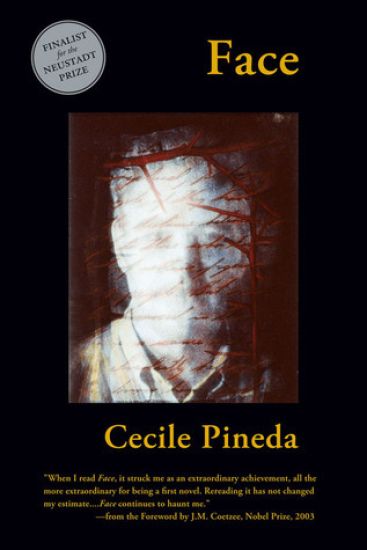
When it was first published in 1985, Face met with critical acclaim and established Cecile Pineda among the very first Latina writers in the United States to be published by a major New York house. This new expanded edition, which marks the announcement of Face as a 2013 Neustadt Prize finalist, features a foreword by Nobel Prize–winning author J. M. Coetzee and a never-before-published interview with the author conducted by Dr. Francisco Lomelí.The novel—based on an actual event—tracks the fortunes of Helio Cara, a poor but brilliant Brazilian man. When he hears that his mother is dying, Helio rushes from his shack in one of Rio de Janeiro’s favelas to the local telegraph office, only to fall down a steep hillside and literally lose his face, and in turn his identity. He rapidly loses his job, his lover, and his friends—his neighbour’s go so far as to burn down his shack—and flees to the Brazilian interior to live as an outcast in his mother’s tiny house. Pineda deftly, hauntingly records Helio Cara’s decision to perform self-surgery, using only novocaine, to reconstruct his face and identity. This compelling metaphor for identity, already taught in American and Latino literature courses in numerous universities, stands ready to engross a new generation of readers.
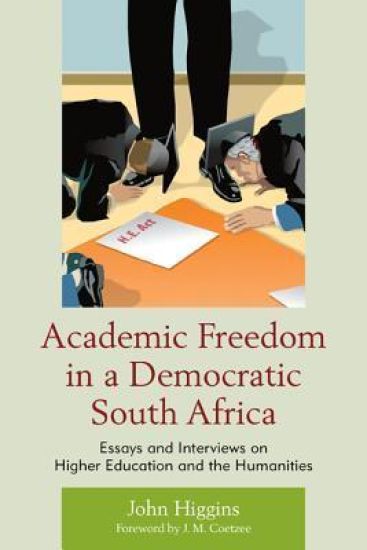
How do we understand academic freedom today? Does it still have relevance in a global reconfiguring of higher education in the interests of the economy, rather than the public good? And locally, is academic freedom no more than an inconvenient ideal, paid lip service to South Africa’s Constitution as an individual right, but neglected in institutional practice? This book argues that the core content of academic freedom—the principle of supporting and extending open intellectual enquiry—is essential to realizing the full public value of higher education. John Higgins emphasizes the central role that the humanities, and the particular forms of argument and analysis they embody, bring to this task. Each chapter embodies the particular force of a critical literacy in action, one which brings into play the combined force of historical inquiry, theoretical analysis, and precise attention to the textual dynamics of all statement so as to challenge and confront the received ideas of the day. These provocative analyses are complemented by probing interviews with three key figures from the Critical Humanities: Terry Eagleton, who discusses the deforming effects of managerialism in British universities; Edward W. Said, who argues for increased recognition of the democratizing force of the humanities; and Jakes Gerwel, who presents some of the most recent challenges for the realization of a humanist politics in South Africa.
De to forfattere Paul Auster (USA) og J.M. Coetzee (Sydafrika) mødtes ved et litterært arrangement i Australien og har hen over tre år ført en brevveksling på tværs af kontinenter. Det er blevet til en særdeles indholdsrig 'samtale' spækket med interessante synspunkter omkring valg af livsform, nødvendigheden af at skrive, kærlighedens og venskabets natur, hvad god litteratur kan . Brevvekslingen giver et vigtigt indblik i de to vægtige forfatteres måde at tænke og skrive på.
Nobel Prize-winning novelist J. M. Coetzee is one of the most widely taught contemporary writers, but also one of the most elusive. Many critics who have addressed his work have devoted themselves to rendering it more accessible and acceptable, often playing down the features that discomfort and perplex his readers.Yet it is just these features, Derek Attridge argues, that give Coetzee's work its haunting power and offer its greatest rewards. Attridge does justice to this power and these rewards in a study that serves as an introduction for readers new to Coetzee and a stimulus for thought for those who know his work well. Without overlooking the South African dimension of his fiction, Attridge treats Coetzee as a writer who raises questions of central importance to current debates both within literary studies and more widely in the ethical arena. Implicit throughout the book is Attridge's view that literature, more than philosophy, politics, or even religion, does singular justice to our ethical impulses and acts. Attridge follows Coetzee's lead in exploring a number of issues such as interpretation and literary judgment, responsibility to the other, trust and betrayal, artistic commitment, confession, and the problematic idea of truth to the self.