Kirjojen hintavertailu. Mukana 11 244 527 kirjaa ja 12 kauppaa.

Kirjahaku

Etsi kirjoja tekijän nimen, kirjan nimen tai ISBN:n perusteella.

1000 tulosta hakusanalla Jane M. Style

Juniper Allergies

Juniper Allergies

Jane M. Engleman

Lulu.com
2015
nidottu
The first collected poetry of Jane M. Engleman, perhaps the last of the print books. Thoughts about illness, soreness and sourness, and ideas about cement versus earth. Encourages the observance of red ants, turtles, fish and men. Not too erudite, just sounds that way when one is not sober. It's all poetry. It is all poetry, with or without any sense.
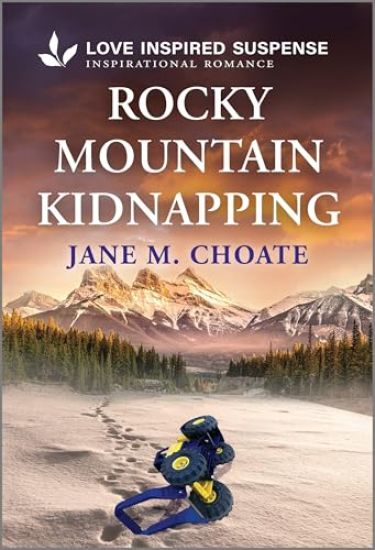
Rocky Mountain Kidnapping

Rocky Mountain Kidnapping

Jane M. Choate

Love Inspired Suspense True Large Print
2025
nidottu
Rescuing an innocent life... with danger only a step away. Harper Sloan returns to her ranch from a search-and-rescue mission--only to discover her own son has been kidnapped. Blackmailed by drug runners, she's forced to retrieve a lost narcotics package in exchange for her child. And there's only one man who can help--her ex, security specialist Luca Brady, who doesn't know he's a father. Together they brave treacherous terrain and a snowstorm to save the boy, but the journey quickly turns into a fight for survival. Can Harper and Luca stay alive long enough to take down the vicious cartel? From Love Inspired Suspense: Courage. Danger. Faith.
Rocky Mountain Kidnapping

Rocky Mountain Kidnapping

Jane M. Choate

Love Inspired Suspense Larger Print
2025
pokkari
Rescuing an innocent life... with danger only a step away. Harper Sloan returns to her ranch from a search-and-rescue mission--only to discover her own son has been kidnapped. Blackmailed by drug runners, she's forced to retrieve a lost narcotics package in exchange for her child. And there's only one man who can help--her ex, security specialist Luca Brady, who doesn't know he's a father. Together they brave treacherous terrain and a snowstorm to save the boy, but the journey quickly turns into a fight for survival. Can Harper and Luca stay alive long enough to take down the vicious cartel? From Love Inspired Suspense: Courage. Danger. Faith.
Rocky Mountain Kidnapping

Rocky Mountain Kidnapping

Jane M. Choate

Love Inspired Suspense
2025
pokkari
Rescuing an innocent life... with danger only a step away. Harper Sloan returns to her ranch from a search-and-rescue mission--only to discover her own son has been kidnapped. Blackmailed by drug runners, she's forced to retrieve a lost narcotics package in exchange for her child. And there's only one man who can help--her ex, security specialist Luca Brady, who doesn't know he's a father. Together they brave treacherous terrain and a snowstorm to save the boy, but the journey quickly turns into a fight for survival. Can Harper and Luca stay alive long enough to take down the vicious cartel? From Love Inspired Suspense: Courage. Danger. Faith.
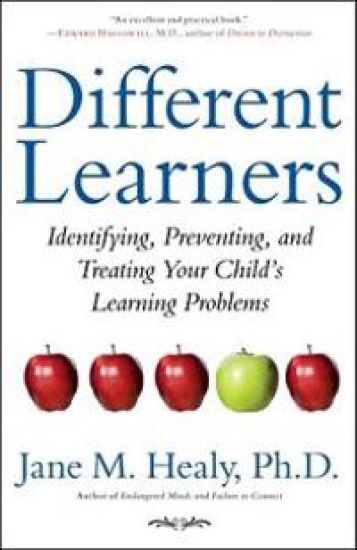
Different Learners: Identifying, Preventing, and Treating Your Child's Learning Problems
"My child is having trouble in school. What should I do?" When parents are told that their child is having difficulty in school, they often don't know where to turn for reliable information and advice. They may be confused by conflicting claims of "cures" or may mistakenly think that, because some learning problems are genetically based, they can do nothing to help. Even the terminology of learning disorders is confusing: dyslexia, dyscalculia, ADD, ADHD, autism, Asperger's syndrome, NVLD, executive function disorder--what are all these conditions, how do they differ from one another and, most important, what practical steps should parents and teachers take to remedy the situation? This comprehensive, practical guide to children's learning problems should be the first resource parents and teachers reach for when a child shows signs of difficulty in academic, social, or behavioral learning. Drawing on her decades of experience, educator Jane Healy offers understandable explanations of the various types of learning disorders. She distills the latest scientific research on brains, genes, and learning as she explains how to identify problems--even before they are diagnosed--and how to take appropriate remedial action at home, at school, and in the community. Today's fast-paced, stressed-out culture is hazardous to growing minds, says Healy, and a growing "epidemic" of children's disorders is the result. Different Learners offers a complete program not only for treating the child, but also for making more beneficial lifestyle choices at home and improving teaching techniques at school. It shows parents and caregivers how to prevent some learning difficulties from ever happening in the first place. It explains how to have your child evaluated if necessary, and, if a problem is found, how to evaluate various treatments. Different Learners explains how medications for attention and learning work in the brain and why they should not be the first step in most treatment programs. It shows how schools can actually worsen a child's learning difficulties and how to make sure this doesn't happen to your child. It even offers a program for "brain-cleaning" that will help any child perform better in school. Jane Healy draws on stories of real children to offer sympathetic as well as practical advice for children--and parents--who are struggling in an overstressed environment. She provides reassurance that parents and teachers can have dramatically positive effects on every child's ability to learn.
Meridian Township

Meridian Township

Jane M. Rose

Arcadia Publishing (SC)
2015
nidottu
Meridian Township began as a collection of small pioneer communities. Pine Lake was the largest body of water in Ingham County, and Native tribes camped along its shores and cut a trail along the west side of the lake. White pioneers appeared in 1836 and
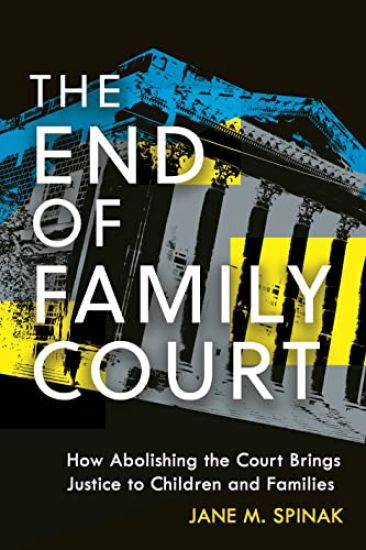
The End of Family Court

The End of Family Court

Jane M. Spinak

NEW YORK UNIVERSITY PRESS
2023
sidottu
Explores the failures of family court and calls for immediate and permanent change At the turn of the twentieth century, American social reformers created the first juvenile court. They imagined a therapeutic court where informality, specially trained public servants, and a kindly, all-knowing judge would assist children and families. But the dream of a benevolent means of judicial problem-solving was never realized. A century later, children and families continue to be failed by this deeply flawed court. The End of Family Court rejects the foundational premise that family court can do good when intervening in family life and challenges its endless reinvention to survive. Jane M. Spinak illustrates how the procedures and policies of modern family court are deeply entwined in a heritage of racism, a profound disdain for poverty, and assimilationist norms intent on fixing children and families who are different. And the court's interventionist goals remain steeped in an approach to equity and well-being that demands individual rather than collective responsibility for the security and welfare of families. Spinak proposes concrete steps toward abolishing the court: shifting most family supports out of the court's sphere, vastly reducing the types and number of matters that need court intervention, and ensuring that any case that requires legal adjudication has the due process protections of a court of law. She calls for strategies that center trusting and respecting the abilities of communities to create and sustain meaningful solutions for families. An abolitionist approach, in turn, celebrates a radical imagination that embraces and supports all families in a fair and equal economic and political democracy.
The End of Family Court

The End of Family Court

Jane M. Spinak

NEW YORK UNIVERSITY PRESS
2025
pokkari
Explores the failures of family court and calls for immediate and permanent change At the turn of the twentieth century, American social reformers created the first juvenile court. They imagined a therapeutic court where informality, specially trained public servants, and a kindly, all-knowing judge would assist children and families. But the dream of a benevolent means of judicial problem-solving was never realized. A century later, children and families continue to be failed by this deeply flawed court. The End of Family Court rejects the foundational premise that family court can do good when intervening in family life and challenges its endless reinvention to survive. Jane M. Spinak illustrates how the procedures and policies of modern family court are deeply entwined in a heritage of racism, a profound disdain for poverty, and assimilationist norms intent on fixing children and families who are different. And the court's interventionist goals remain steeped in an approach to equity and well-being that demands individual rather than collective responsibility for the security and welfare of families. Spinak proposes concrete steps toward abolishing the court: shifting most family supports out of the court's sphere, vastly reducing the types and number of matters that need court intervention, and ensuring that any case that requires legal adjudication has the due process protections of a court of law. She calls for strategies that center trusting and respecting the abilities of communities to create and sustain meaningful solutions for families. An abolitionist approach, in turn, celebrates a radical imagination that embraces and supports all families in a fair and equal economic and political democracy.