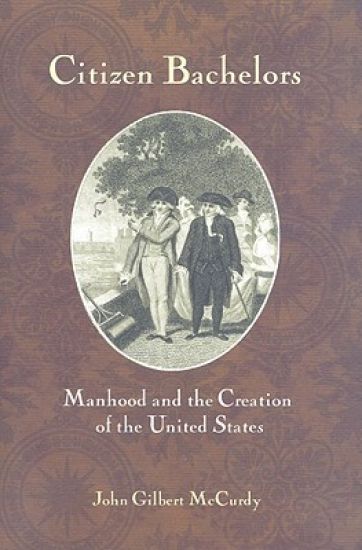
In 1755 Benjamin Franklin observed "a man without a wife is but half a man" and since then historians have taken Franklin at his word. In Citizen Bachelors, John Gilbert McCurdy demonstrates that Franklin's comment was only one side of a much larger conversation. Early Americans vigorously debated the status of unmarried men and this debate was instrumental in the creation of American citizenship. In a sweeping examination of the bachelor in early America, McCurdy fleshes out a largely unexamined aspect of the history of gender. Single men were instrumental to the settlement of the United States and for most of the seventeenth century their presence was not particularly problematic. However, as the colonies matured, Americans began to worry about those who stood outside the family. Lawmakers began to limit the freedoms of single men with laws requiring bachelors to pay higher taxes and face harsher penalties for crimes than married men, while moralists began to decry the sexual immorality of unmarried men. But many resisted these new tactics, including single men who reveled in their hedonistic reputations by delighting in sexual horseplay without marital consequences. At the time of the Revolution, these conflicting views were confronted head-on. As the incipient American state needed men to stand at the forefront of the fight for independence, the bachelor came to be seen as possessing just the sort of political, social, and economic agency associated with citizenship in a democratic society. When the war was won, these men demanded an end to their unequal treatment, sometimes grudgingly, and the citizen bachelor was welcomed into American society. Drawing on sources as varied as laws, diaries, political manifestos, and newspapers, McCurdy shows that in the course of the seventeenth and eighteenth centuries the bachelor was a simultaneously suspicious and desirable figure: suspicious because he was not tethered to family and household obligations yet desirable because he was free to study, devote himself to political office, and fight and die in battle. He suggests that this dichotomy remains with us to this day and thus it is in early America that we find the origins of the modern-day identity of the bachelor as a symbol of masculine independence. McCurdy also observes that by extending citizenship to bachelors, the founders affirmed their commitment to individual freedom, a commitment that has subsequently come to define the very essence of American citizenship.