Three strange people, two men and a woman, arrive in a house where they are obviously expected. Who are they? They talk about crime. Are they criminals? The woman talks a lot about sex, what dubious business is she in? A play about the act of judging: can it be separated from the character and past of who sits in judgement? Naked Justice toured the UK in 2001.
Henry, now in the autumn of his years, is transported back to the key episodes of his life. At once ironic and affectionate, he speaks with his younger self both man and boy, offering warnings of a life to come and advice on how he might live it without the small self-delusions and regrets that leave him ultimately unfulfilled. Warm, funny and always entertaining Hock and Soda Water is a nostalgic lament for a life never lived. Christopher Morahan directs this quintessentially English comedy about the recipe for happiness through the three ages of man at the Chichester Festival Theatre from November 2001.
John Mortimer’s autobiographical play is the affectionate portrait of a son’s relationship with his father. Growing up in the shadow of the brilliant barrister, who adored his garden and hated visitors, and whose blindness was never mentioned, the son continually yearns for his father’s love and respect.
Zerah Colburn was a well-known nineteenth century locomotive engineer, journalist and publisher. In life he mixed with the famous men of engineering in America and Britain. Ans he was among 200 leading Americans nominated for New York University's Hall of Fame. But Colburn was an enigma, a dark and irascible man with a violent temper. His work colleagues in London called him the 'Spirit of Darkness'. But why did he shoot himself at the age of 38 at the height of his career?
Zerah Colburn was a well-known nineteenth century locomotive engineer, journalist and publisher. In life he mixed with the famous men of engineering in America and Britain. And he was among 200 leading Americans nominated for New York University's Hall of Fame. But Colburn was an enigma, a dark and irascible man with a violent temper. His work colleagues in London called him the 'Spirit of Darkness'.
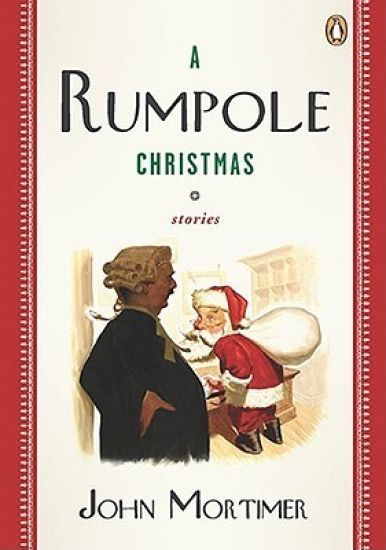
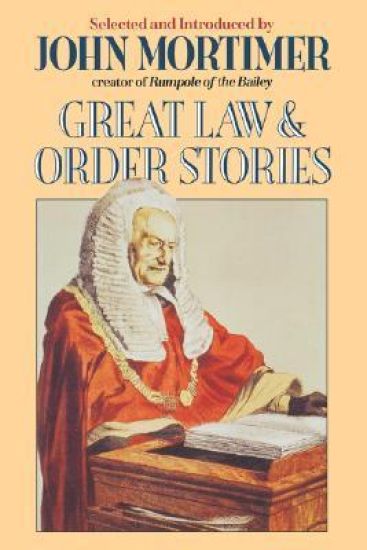
"Rumpole is one of the immortals of mystery fiction." --San Francisco Chronicle Of the late Sir John Mortimer's many beloved characters, Horace Rumpole is widely considered his greatest fictional creation. Here, collected in book form for the first time, are five delightful tales that capture the beleaguered barrister at his grumpy yet warm-hearted best. Rumpole isn't particularly fond of Christmas Day--he finds it has a horrible habit of dragging on as "She Who Must Be Obeyed" leads him through the usual rituals. But at least the criminal fraternity rarely takes a holiday. Whether it's a suspicious Father Christmas or an unseasonably nasty murder trial, there's always something wonderfully unlawful to liven up Rumpole's dull holiday plans.
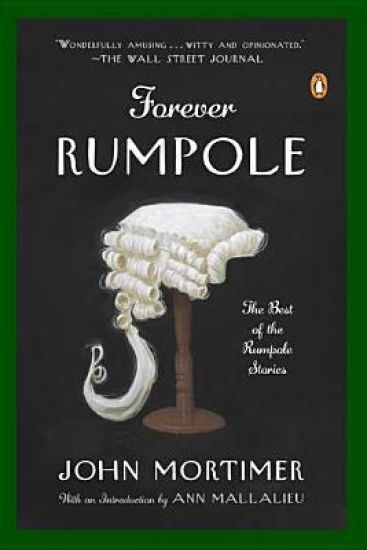
John Mortimer--novelist, playwright, memoirist, and the author of more than eighty Rumpole short stories--will never be forgotten. While still a practicing barrister, Mortimer took up the pen, and the rest is literary history. His stories featuring the cigar-chomping, cheap-wine-tippling Rumpole and his wife, Hilda (aka "She Who Must Be Obeyed"), have justly earned their place in the pantheon of mystery fiction legends, becoming the basis for the very successful television series Rumpole of the Bailey. Bringing fourteen of Rumpole's most entertaining adventures (seven of which were collected in The Best of Rumpole) together with a fragment of a new story, Forever Rumpole proves beyond a reasonable doubt that Rumpole is never less than delightful.
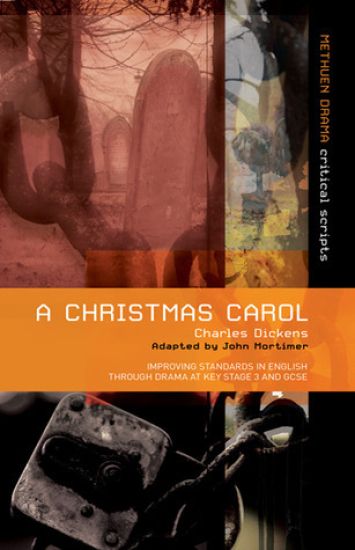
Charles Dickens' tale of Ebenezer Scrooge's transformation from embittered skinflint to generous benefactor has been dramatized by Mortimer. It retains Dickens' own ironic point of view through the use of the a chorus to propel the drama.
Eight short plays: Triangle, Gladly Otherwise, The Black and White, Trouble in the Works, Cleaning Up Justice, Collector's Piece, Conference and Can You Hear Me?
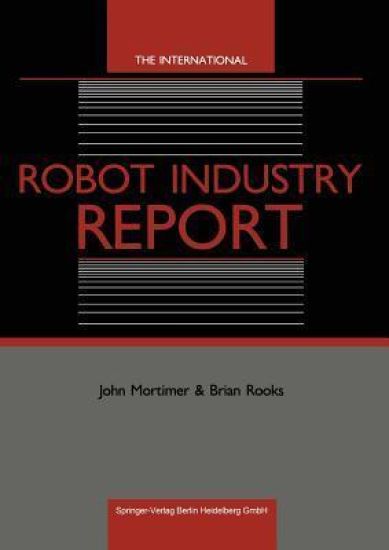
Like many other new technologies which have since been seized and exploited by others, the industrial robot is a British invention. In 1957, a patent was produced by a British inventor, Cyril Walter Kenward, and later it became crucial to the future of robotics. For across the Atlantic two robot builders, Unimation and AMF, both infringed this patent and ultimately a cash settlement was made to Kenward. The owner of Unimation Inc. was Joseph Engelberger, an entrepreneur and avid reader of Isaac Asimov, the writer who helped to create the image of the benevolent robot. It is claimed that Engelberger's journey of fame down the road which led to him being hailed as the 'father of robotics' can be traced to the day that he met George C. Devol at a cocktail party. Devol was an inventor with an impressive list of patents to his name in the electronics field. One of Devol's patent applications referred to a Programmed Transfer Article. Devol's patent was issued in 1961 as US Patent 2,988,237, and this formed the basis of the Unimate robot which first saw the light of day in 1960. The first Unimate was sold to Ford Motor Company which used it to tend a die-casting machine. It is perhaps ironic that the first robot was used by a company which refused to recognise the machine as a robot, preferring instead to call it a Universal Transfer Device.
Perfect for pupils aged 11+, this stage version of Dickens' classic tale uses John Mortimer's much-loved dramatisation first produced by the RSC in 1994. This educational edition in Methuen Drama's Critical Scripts series has been prepared by national Drama in Secondary English experts Ruth Moore and Paul Bunyan. Building on a decade of highly effective work and publications endorsed by national organisations and supported by teachers and consultants across Britain, each book in the series:- meets the new requirements at KS3 and GCSE (2010)- features detailed, structured schemes of work utilising drama approaches to improve literary andlanguage analysis- places pupils' understanding of the learning process at the heart of the activities- will help pupils to boost English GCSE success and develop high-level skills at KS3- will save teachers considerable time devising their own resources.Dickens' tale of cold-hearted Ebenezer Scrooge has delighted generations of readers. This edition of the National Curriculum recommended author's work provides an engaging, active approach to studying the Literary Heritage and developing a range of reading, writing and speaking skills. Combining Mortimer's acclaimed adaptation with expertly written activities, this is the perfect edition for classroom use.