Kirjojen hintavertailu. Mukana 11 342 296 kirjaa ja 12 kauppaa.

Kirjahaku

Etsi kirjoja tekijän nimen, kirjan nimen tai ISBN:n perusteella.

990 tulosta hakusanalla Lenore Look

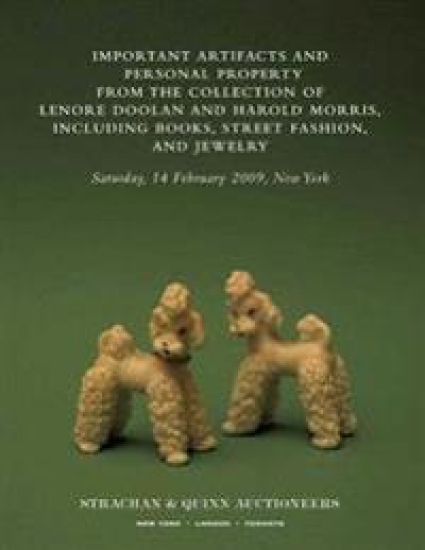
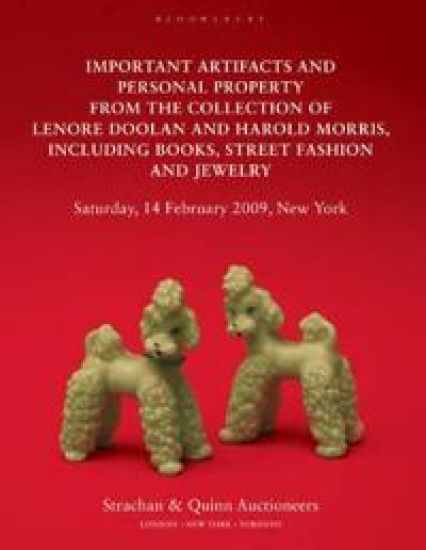
Important Artifacts and Personal Property from the Collection of Lenore Doolan and Harold Morris, Including Books, Street Fashion, and Jewelry
A love story told in the form of an auction catalog. Auction catalogs can tell you a lot about a person -- their passions and vanities, peccadilloes and aesthetics; their flush years and lean. Think of the collections of Jacqueline Kennedy Onassis, Truman Capote, the Duke and Duchess of Windsor. In Leanne Shapton's marvelously inventive and invented auction catalog, the 325 lots up for auction are what remain from the relationship between Lenore Doolan and Harold Morris (who aren't real people, but might as well be). Through photographs of the couple's personal effects -- the usual auction items (jewelry, fine art, and rare furniture) and the seemingly worthless (pajamas, Post-it notes, worn paperbacks) -- the story of a failed love affair vividly (and cleverly) emerges. From first meeting to final separation, the progress and rituals of intimacy are revealed through the couple's accumulated relics and memorabilia. And a love story, in all its tenderness and struggle, emerges from the evidence that has been left behind, laid out for us to appraise and appreciate. In an earlier work, Was She Pretty?, Shapton, a talented artist and illustrator, subtly explored the seemingly simple yet powerfully complicated nature of sexual jealousy. In Important Artifacts and Personal Property from the Collection of Lenore Doolan and Harold Morris--a very different yet equally original book--she invites us to contemplate what is truly valuable, and to consider the art we make of our private lives.
The Buddhist Beat Poets of Diane di Prima and Lenore Kandel
In the 1950s, the authors of the Beat Generation helped introduce American readers to Eastern philosophies and, in particular, to Buddhism. Poets like Allen Ginsberg, Gary Snyder, and Jack Kerouac are often credited with this phenomenon, while, as is so often the case, the women are sidelined.In this illuminating new study, Max Orsini examines the impact of two female poets, Diane di Prima and Lenore Kandel, in shaping American Buddhist poetics. Orsini charts the evolution of their poetry against a backdrop of cultural conservatism, and explores the journeys they set out on that were very different from those trodden by their male counterparts.
Important Artifacts and Personal Property from the Collection of Lenore Doolan and Harold Morris
Lenore Doolan, a food writer for the New York Times, meets Harold Morris, a photographer, at a halloween party in 2002. He is dressed as Harry Houdini. In Leanne Shapton's marvellously inventive and invented auction catalogue, the 325 lots up for auction are what remain from the relationship between Lenore and Harold (who aren't real people, but might as well be). Through photographs of the couple's personal effects-the usual auction items (jewellery, fine art, and rare furniture) and the seemingly worthless (pyjamas, Post-it notes, worn paperbacks)-the story of a failed love affair vividly and cleverly emerges. From first meeting to final separation, the progress and rituals of intimacy are revealed through the couple's accumulated relics and memorabilia. And a love story, in all its tenderness and struggle, emerges from the evidence that has been left behind, laid out for us to appraise and appreciate. In Important Artifacts and Personal Property from the Collection of Lenore Doolan and Harold Morris Leanne Shapton invites us to contemplate what is truly valuable, and to consider the art we make of our private lives.
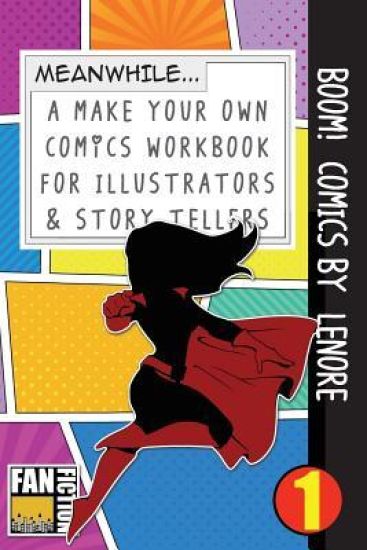
Boom! Comics by Lenore: A What Happens Next Comic Book for Budding Illustrators and Story Tellers
Grab This Deal For The Comics Artist In Your Life For Less Than $10See that girl always doodling and dreaming up stories and plots? She's gonna LOVE the What Happens Next Comic Book For Budding Artists edition, created especially for young artists between 9 and 14 years of age.Bokkaku Dojinshi has created this book as a 6 by 9 inch, perfect pocket book form. Plenty of different templates to explore as well as loads of room to keep track of plot ideas.There is even space for special expression studies of the main characters so the budding artist hits the right emotion in her images every single time.This book is perfect for: mangagraphic novelsSunday funniesanimefan fictionParents and teachers love What Happens Next Comics series for these reasons: helps speech developmentincreases literacydevelops a sense of sequencecreates confidencedevelops an appreciation for artboots creativityOnce you get this book, notice how handy it is - perfect pocket book size means no bulky bags on summer trips or lazy afternoons under a willow tree. All you need is your pencil and ink pen Can't wait to see what you make of your And then... comic book
G.A. Buergers Ballade Lenore in England

G.A. Buergers Ballade Lenore in England

Evelyn B Jolles

Peter Lang Gmbh, Internationaler Verlag Der Wissenschaften
1987
nidottu
Die Rezeption von Burger Ballade Lenore (1774) in England stellt sich dem literaturwissenschaftlichen Betrachter, allein von den ausseren Fakten her, als ein erstaunliches literarisches Phanomen dar. Das Gedicht liegt in dreissig verschiedenen englischen Ubersetzungen vor, die uber einen Zeitraum von annahernd hundert Jahren, von 1796-1892, publiziert wurden. Es gibt wohl kein zweites deutsches Gedicht, das in England jemals eine vergleichbar grosse Anzahl von Bearbeitungen auf den Plan rief. Unter den Ubersetzern finden sich Namen wie Walter Scott, W.R. Spencer, Henry James Pye (Poet laureate), D.G. Rossetti, William Whewell, Sir John Herschel. Die Ubersetzungen konzentrieren sich im wesentlichen innerhalb zweier literarischer Epochen, der englischen Vorromantik und der fruhen Viktorianischen Epoche. Bei der Untersuchung wird sinngemass eine Trennung zwischen den Bearbeitungen des 18. und denen des 19. Jahrhunderts vorgenommen."
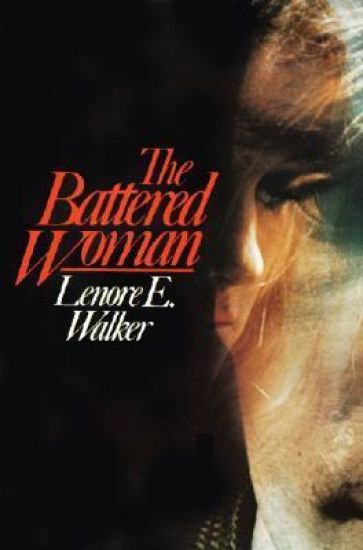
The Battered Woman

The Battered Woman

Lenore E. Walker

William Morrow Company
1980
nidottu
Based on case studies of a clinical psychologist, this book theorizes that battered women become trapped in a learned helplessness syndrome, become convinced that there is nothing they can do to help themselves, and so continue the relationship
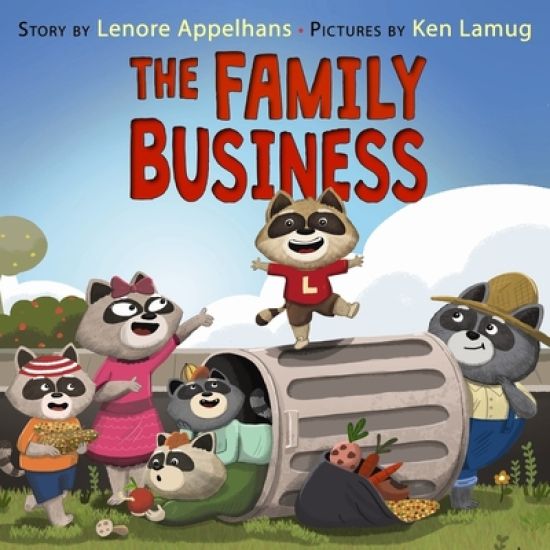
The Family Business

The Family Business

Lenore Appelhans

HARPERCOLLINS PUBLISHERS INC
2022
sidottu
A young raccoon forges his own path in this laugh-out-loud read-aloud picture book!Lucky is a racoon who loves to dance, watch TV, and dream of the day he’s big enough to join the family business. But when Lucky finally gets his chance, his first day on the job isn’t exactly what he expects.And so begins a hilariously rude awakening as Lucky discovers exactly what his family has been up to this entire time. Is there a way to honor his family's expectations while following his heart?Author Lenore Appelhans's well-paced story is full of refrains and builds to a surprising finish and Ken Lamug's adorable artwork brings this special raccoon and his boisterous family to life. Perfect for fans of Gaston and Wolfie the Bunny, Lucky's journey is about the difficulty of balancing family expectations and being true to yourself.
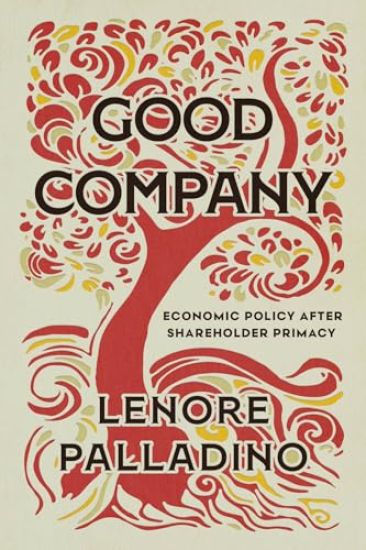
Good Company

Good Company

Lenore Palladino

THE UNIVERSITY OF CHICAGO PRESS
2024
sidottu
On the faulty intellectual origins of shareholder primacy—and how policy can win back what’s been lost. In an era of shareholder primacy, share price is king. Businesses operate with short-term goals to deliver profits to shareholders, enjoying stability (and bonuses) in the process. While the public bemoans the doctrine for its insularity and wealth-consolidating effects, its influence over corporate governance persists. Good Company offers an exacting argument for why shareholder primacy was never the right model to follow for truly understanding how corporations operate. Lenore Palladino shows that corporations draw power from public charters—agreements that allow corporations to enjoy all manner of operational benefits. In return, companies are meant to innovate for the betterment of the societies that support them. However, that debt—increasingly wielded for stock buybacks and shareholder bonuses—is not being repaid. Palladino theorizes a modern corporation that plays its intended role while delivering social and economic good in the process and offers tangible policy solutions to make this a reality. Good Company is both an expert introduction to the political economy of the firm—as it was, as it is, as it can be—and a calibrating examination of how public policy can shape companies, and societies, for the better.
Good Company

Good Company

Lenore Palladino

THE UNIVERSITY OF CHICAGO PRESS
2024
nidottu
On the faulty intellectual origins of shareholder primacy—and how policy can win back what’s been lost. In an era of shareholder primacy, share price is king. Businesses operate with short-term goals to deliver profits to shareholders, enjoying stability (and bonuses) in the process. While the public bemoans the doctrine for its insularity and wealth-consolidating effects, its influence over corporate governance persists. Good Company offers an exacting argument for why shareholder primacy was never the right model to follow for truly understanding how corporations operate. Lenore Palladino shows that corporations draw power from public charters—agreements that allow corporations to enjoy all manner of operational benefits. In return, companies are meant to innovate for the betterment of the societies that support them. However, that debt—increasingly wielded for stock buybacks and shareholder bonuses—is not being repaid. Palladino theorizes a modern corporation that plays its intended role while delivering social and economic good in the process and offers tangible policy solutions to make this a reality. Good Company is both an expert introduction to the political economy of the firm—as it was, as it is, as it can be—and a calibrating examination of how public policy can shape companies, and societies, for the better.