Kirjahaku
Etsi kirjoja tekijän nimen, kirjan nimen tai ISBN:n perusteella.
1000 tulosta hakusanalla Lothar-Rüdiger Lütge
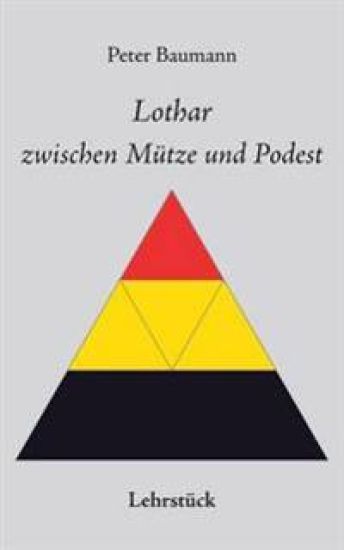
Die Reformation im engeren Sinne ist Geschichte. Aber einerseits kann sich Leben ohne geschichtliches Wurzelwerk nicht voll entfalten. Und andererseits kann das postfaktische Zeitalter nur berwunden werden durch eine neue Aktivierung alter Verbindungen von Himmel und Erde, von Inhalt und Form, von Botschaft und Botschafter. In Lothar und M tze sind diese Verbindungen auf eindrucksvolle Weise sichtbar. Sie ringen ganzheitlich und nachhaltig mit M chtigen und Machtlosen um Freiheit. Dieses Ringen ist elementar und aktuell.
Lothar ein Gedicht in zehn Ges ngen ist ein unver nderter, hochwertiger Nachdruck der Originalausgabe aus dem Jahr 1872. Hansebooks ist Herausgeber von Literatur zu unterschiedlichen Themengebieten wie Forschung und Wissenschaft, Reisen und Expeditionen, Kochen und Ern hrung, Medizin und weiteren Genres. Der Schwerpunkt des Verlages liegt auf dem Erhalt historischer Literatur. Viele Werke historischer Schriftsteller und Wissenschaftler sind heute nur noch als Antiquit ten erh ltlich. Hansebooks verlegt diese B cher neu und tr gt damit zum Erhalt selten gewordener Literatur und historischem Wissen auch f r die Zukunft bei.
Lothar der Sachse und Konrad III. ist ein unver nderter, hochwertiger Nachdruck der Originalausgabe aus dem Jahr 1869. Hansebooks ist Herausgeber von Literatur zu unterschiedlichen Themengebieten wie Forschung und Wissenschaft, Reisen und Expeditionen, Kochen und Ern hrung, Medizin und weiteren Genres. Der Schwerpunkt des Verlages liegt auf dem Erhalt historischer Literatur. Viele Werke historischer Schriftsteller und Wissenschaftler sind heute nur noch als Antiquit ten erh ltlich. Hansebooks verlegt diese B cher neu und tr gt damit zum Erhalt selten gewordener Literatur und historischem Wissen auch f r die Zukunft bei.


Lothar Franz von Schönborn and the Diplomacy of the Electorate of Mainz
R.H. Thompson
Kluwer Academic Publishers
1973
nidottu
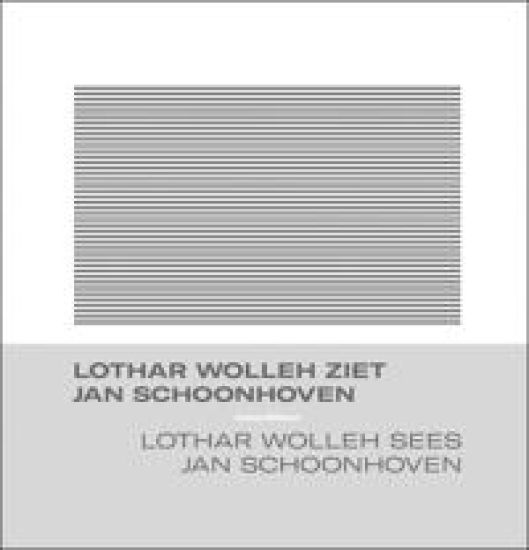
Few artists are so inextricably tied to their native soil as Jan Schoonhoven (1914-1994). In the early 1960s, the born and bred man of Delft achieved international renown with his white reliefs of paper and cardboard, yet he always remained loyal to 'his' Delft. The German photographer Lothar Wolleh (1930-1979) admired Schoonhoven's work and visited Delft for the first time in 1968. Jan Schoonhoven and Lothar Wolleh intended their 1971 artists' book to be a calling card of their artistry. It was a project which often brought the photographer back to Delft. Schoonhoven showed Wolleh how the rhythms of the city recur in drawings and reliefs as 'isolated realities'. Pavement, weathered walls of the alleys of Delft and windows along the canals: Jan Schoonhovens work is abstract and autonomous, but 'breathes' Delft nevertheless. Text in English and Dutch.

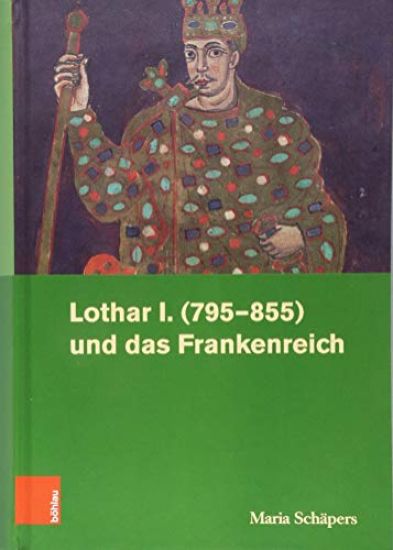
Die vorliegende biographische Studie zu Lothar I. (795-855) schlieat eine Lucke, die die Forschung bis dato offengelassen hat. Lothar, der vor allem wegen seiner Rebellionen gegen den Vater und der blutigen Auseinandersetzung mit seinen Brudern um das Erbe meist negativ von der Nachwelt memoriert wurde, stand bisher kaum im Fokus der Forschung.Detailliert werden nun erstmals Leben und Herrschaft des Karolingers betrachtet. In kritischer Auseinandersetzung mit der bisherigen Forschung werden viele Erkenntnisse zu Lothar und seiner Zeit bestatigt und erganzt, an mehreren Stellen jedoch auch revidiert. Durch die umfangreiche Sammlung der Belege, die Lothar betreffen, bietet die Arbeit zudem eine fundierte Grundlage fur die weitere Betrachtung dieser 'zentralen Gestalt' (Theodor Schieffer) seiner Zeit und des Frankenreiches insgesamt.

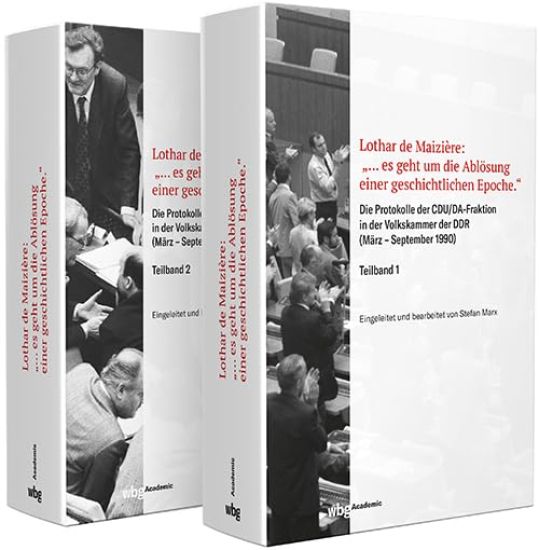
Lothar de Maizière: "...es geht um die Ablösung einer geschichtlichen Epoche."
wbg academic
2025
sidottu

Lothar Matthaus
VDM Publishing House
2010
nidottu
Observera att förlaget som ger ut denna produkt baserar innehållet i sina produkter på fria källor som Wikipedia. Boken är med stor sannolikhet endast ett utdrag ur dessa informationskällor, alltså inte en vanlig bok i den bemärkelsen.

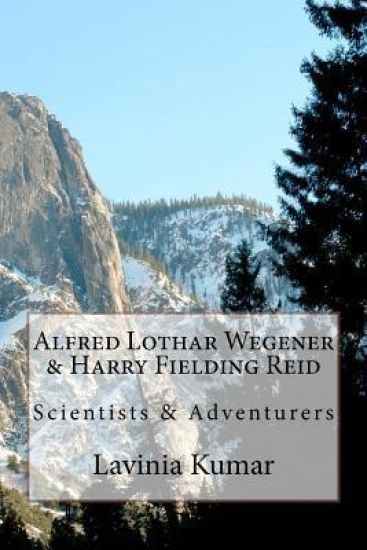
Alfred Lothar Wegener & Harry Fielding Reid: Scientists & Adventurers
Lavinia Kumar Edd
Createspace Independent Publishing Platform
2012
nidottu
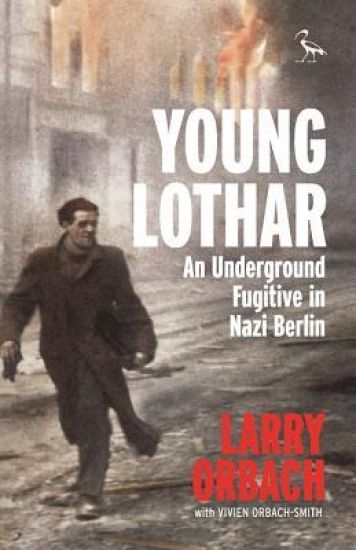
His promising education was aborted; his close-knit family splintered. When the Gestapo came for Orbach's mother on Christmas Eve 1942, they escaped with false papers; his mother found sanctuary with a family of Communists and Orbach - under the assumed identity of Gerhard Peters - entered Berlin's underworld of 'divers'. He scraped a living by hustling pool, cheating in poker and stealing - fighting, literally, to stay alive. Outwardly he became a cagey amoral street thug, inwardly he was a sensitive, romantic boy, devoted son and increasingly religious Jew, clinging to his humanity. In the end, he was betrayed and sent to Auschwitz, on the last transport, in 1944. This singular coming of age story of life in the Berlin underground during WWII is, in essence, a story of hope, even happiness, in the very heart of darkness.