
Kirjahaku
Etsi kirjoja tekijän nimen, kirjan nimen tai ISBN:n perusteella.
1000 tulosta hakusanalla M M Wilson
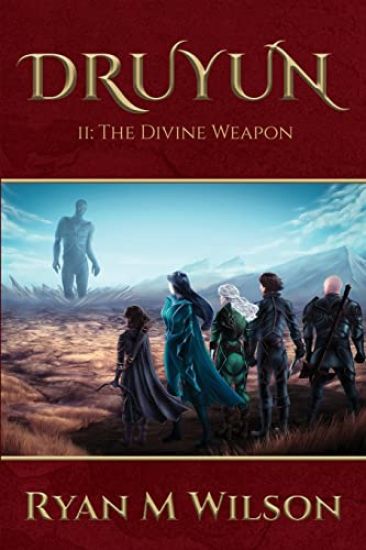
A world in chaos...After centuries of peace, the land of Druyun has been thrust back into the grips of war. Though their enemy is not one another, but rather the mysterious, red-robed force of Spark wielders who have begun their takeover of the countryside. As towns fall before them and their numbers grow with an army of undead, they wield a path of havoc and death.A towering monster...At the heart of the evil army stands the monstrosity known as Monnos. The circumstances of its true creation a mystery to all but a few, it started its journey from the ruins of Newbarrow and appears unstoppable as heroes and armies fall beneath it. True believers of Edos use the monster as a rallying cry to turn against their Spark brothers, seeing the monster as the second coming of Dogma himself.Our last hope...As the destruction continues, a group of young adventurers travel in search of a mysterious land, in the hopes that it could bring about an end to Monnos. Survivors of the tournament of Newbarrow, they have formed a bond that cannot be easily broken. But little do they know of the trials and horrors that await them on their journey...Druyun II: The Divine Weapon is the second book in the Druyun fantasy series by author Ryan M Wilson, chronicling the adventures of the Athamages as they fight not only for Druyun's survival, but their own.
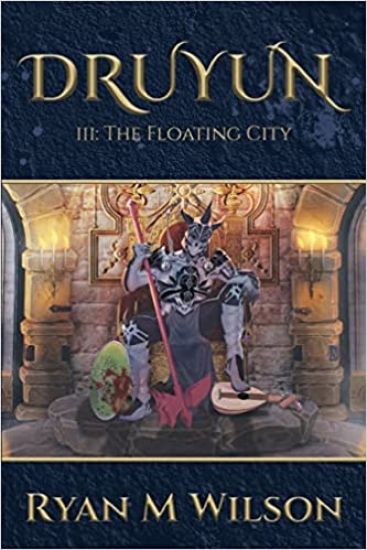
A hollow victory...With the defeat of Monnos at the hands of the Athamages, many thought that peace would soon be upon them. However, Druyun finds itself facing a new, much more powerful enemy. Dogma, the evil once thought defeated over 900 years ago, has returned to the land of Druyun to finish what they started.A mighty force...At Dogma's side, intent on ruling the countryside, sits the cunning and devilish Spark wielder who has finally revealed his true identity. Though whilst to the rest of Druyun he is seen as a maniacal tormentor, he shares a very special bond with one of the Athamages. Only he and the Gods he prays to know his true plans for what lays ahead, along with the powerful arsenal he now controls.Our stranded heroes...Imprisoned back to the world of Ralathyr; Cyrus, Silverwood and Dharxius must find a way home, all whilst battling new threats and dealing with unforeseen challenges in their path. Their companion's whereabouts, Morn and Eska, remain unknown and the clock is ticking to not only rescue their friends, but save the land of Druyun from total annihilation...Druyun III: The Floating City is the third book in the Druyun fantasy series by author Ryan M Wilson, chronicling the adventures of the Athamages and their quest to bring peace back to their home, Druyun.
When we think of gardening, what we often see in our heads is a man or a woman on all fours crouched over a plot of dirt. They dig a hole, place in a seed or even a whole plant which they have bought, close it up and there you go. Or maybe we think of gardening in line with farming and we picture the same thing, only this time there isn't someone crouched down but a series of mechanical inventions that do all that busy work for them. We almost certainly don't think of an indoor setup, as that is more in line with hanging plants and decorative greens than it is with the concept of gardening. This would suggest that our main identifier which separates gardening from owning a few plants is the dirt itself, the soil which is part of Mother Earth. But the facts are quite different.There are many different ways of gardening. The classic flowerbed in the front yard is just one of them. Here we'll be looking at another of them: Hydroponics. To say hydroponics is a new fad in the gardening world would discredit its history which reaches all the way back to the hanging gardens of Babylon and the Aztecs' floating gardens. There are even Egyptian hieroglyphs which describe a form of hydroponic. More recently, hydroponics was even given a place within NASA's space program. Clearly, this is not a new fad. But commercial growers and scientists are coming around to the method, leading to more hydroponic setups being used and more research looking into the advantages of hydroponics.So, what makes hydroponic gardening different than traditional gardening? As the name implies (hydro) water plays a key role. The hydroponic garden actually doesn't make use of soil. Instead, hydroponic gardens make use of nutrient-based solutions through the circulation of water. So, a hydroponic garden tosses out the soil and instead uses an inert grow medium like clay pellets, vermiculite, perlite or one of several others that will pop up throughout this book. What this does is let the roots of the plant directly touch the nutrient solution, get more oxygen as they're not buried in the ground, and together these both promote growth.This book covers the following topics: What is hydroponic gardeningManaging plant healthHow to build your own hydroponic systemBest plants for hydroponics gardeningHydroponics vs soil gardening and & advantages and disadvantagesMyths and mistakes to avoidGrowing mediums & nutrients and lightsSystem maintenanceProblems with the operation of a hydroponic systemChoosing plants...And much moreBut there are even more benefits to using a hydroponic setup than just expedient plant development. Despite the fact that hydro is in the name, hydroponic gardens actually use up less water than traditional soil-based gardens do. This is because the hydroponic system is an enclosed system. This means that there is less soil runoff, evaporation or wastewater in a hydroponic setup. Therefore, a hydroponic garden, when properly set up and maintained, will produce bigger plants at a faster rate with less environmental strain. It seems win-win-win, all around.
Are you looking for a step-by-step method for improving your gardening skills? Then keep reading...Hydroponics is the method of growing plants without soil by supplying them with a constant nutrient solution. Despite the fact that this method remains fairly unknown outside of a small sector of the horticultural world it has in fact been around for a long time. It is a system that was used extensively in the hanging gardens of Babylon and has been studied extensively by scientists and horticulturists for the last several hundred years.There are many powerful reasons for commercial food growers to use this method but it is also now being used more frequently by the domestic gardener keen to produce a high yield in a small amount of space. Though it is seen primarily as a way of producing crops for the table it is also a method that can be used for the production of ornamental plants.All plants require air, light, and dissolved nutrients to grow. Hydroponics allows for a very precisely controlled amount of nutrients, dissolved in water, to be administered directly to the root system, as the plant requires it. Because the root system is no longer obliged to spread so far in order to attain the nutrients it requires this in turn enables the grower to plant his crops at much higher densities which is just one reason why hydroponic crop yields are so much greater than the more traditional soil planted yields.This book covers the following topics: Is hydroponics worth the while?Advantages and disadvantageDifferent type of hydroponic systemsAssembling the systemNutrition for hydroponic plantsWater maintenance, garden expansionIdeal ph. level for your hydroponics plantsGreenhouse operationSome problems you might encounterGrowing tips and tricks...And much moreThere are a variety of variations on the hydroponic theme and this book will take a look at the main options the gardener has available to them. Though some of the methods might sound overly complicated for the home gardener I advise you to persist because what at first might appear a difficult system to reproduce is in fact surprisingly easy in many cases and the increase in yields will be staggering. You have been given a great deal of information on the different types of systems that have been used often by numerous people. You have been given a detailed description of how to construct, maintain and care for each of these systems.
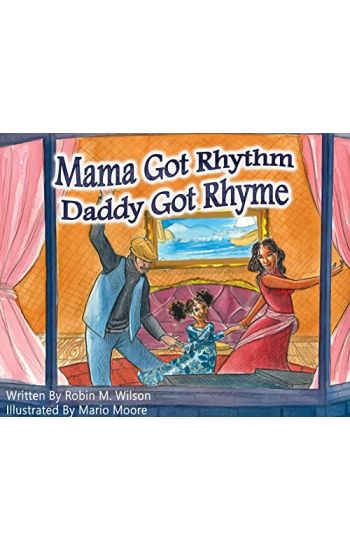
★ It don't mean a thing... If you ain't got that swing. ★Like many six-year olds, Jasmine doesn't like the music her parents listen to, so her parents decided it was time she learn her musical roots. Join Jasmine on her journey to the Jazz Museum and learn all about the great jazz musicians of the past and how their sounds influenced the music that Jasmine loves listening to today.
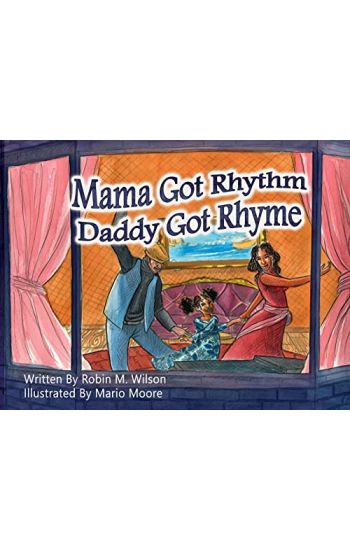
★ It don't mean a thing... If you ain't got that swing. ★Like many six-year olds, Jasmine doesn't like the music her parents listen to, so her parents decided it was time she learn her musical roots. Join Jasmine on her journey to the Jazz Museum and learn all about the great jazz musicians of the past and how their sounds influenced the music that Jasmine loves listening to today.

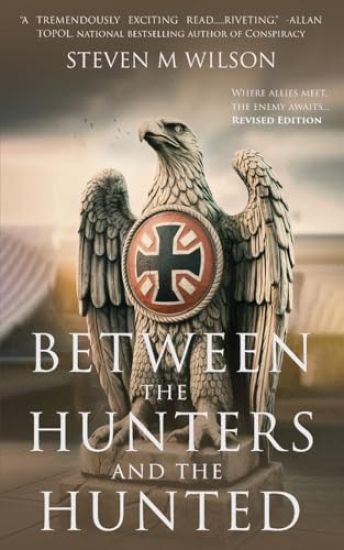
Amid the chaos of World War II, alliances are tested, secrets are buried, and survival comes at a steep price. Between the Hunters & the Hunted is a masterfully crafted historical thriller that plunges readers into the heart of wartime espionage, political maneuvering, and personal sacrifice.When war threatens to engulf the world, intelligence officers, soldiers, and civilians find themselves caught in a web of deception. From the covert corridors of Washington to the perilous battlefields of Europe, this novel follows men and women fighting not just for victory, but for their own survival. As spies operate in the shadows and military leaders strategize their next moves, a deadly game of cat and mouse unfolds-where trust is fleeting, and every decision could mean life or death.Perfect for fans of historical fiction, military thrillers, and espionage novels, Between the Hunters & the Hunted delivers a heart-pounding journey filled with intrigue, action, and the harsh realities of war.
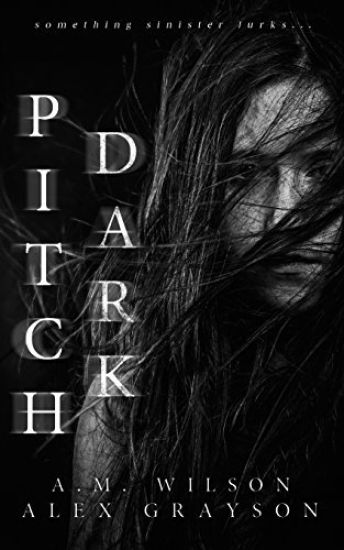
One girl disappeared. After fifteen years, her cold lifeless body was found on the damp forest floor. Not an inch of her was unmarked by the horrors she endured. Alone, malnourished, abused in horrific ways; this was how she died. One girl was found walking the streets, covered in dirt and scars. She had no memory of who she was, where she came from, or what happened to her. Even though the marks on her body attested to years of heinous abuse, her strength shone through at every turn. Revenge and justice were sworn. Years of searching brought up nothing but dead ends. Detective Niko James was too late to save his childhood friend, but he vows not to let down another. The clock is ticking and the trail is pitch dark. *This book contains dark triggers.*

THE WAR IS OVER BUT HIS FIGHT IS JUST BEGINNING New Zealand, 1877: Fear haunts a small Scandinavian settlement near Palmerston, in the North Island of New Zealand. The children have spotted a troll lurking in the bush, a large man clutching a hatchet and carrying a bag over his shoulders, the kind of troll that steals small children away from their families; the women are afraid it's a bad man intent on harming them. Meanwhile, two teenaged boys are missing after crossing the river in search of illegal drinks.The inhabitants of the settlement, who have sailed from Schleswig to escape the aftermath of the Franco-Prussian War, can't get the police to take their fears seriously. When the settlers ask Sergeant Frank Hardy, once a sharpshooter with the 57th. Regiment, to search for the boys, he's not interested. He misses his old life and is bored with his new life as a mail coach driver, but looking for the bodies of two drowned boys is not the excitement he craves. Then he recalls his brother who went missing a decade ago after crossing a different river, and he changes his mind. But as he begins his search, an event from his army days resurfaces, and his danger increases. And now he has a young woman to protect: the attractive cousin of the missing boys, who assigns herself the task of helping him search. Set in the picturesque New Zealand countryside, Not the Faintest Trace, a gripping mystery with a touch of romance, is the first of eight books in The Sergeant Frank Hardy Mystery series. Based partly on a true family story of two young men who crossed a river and disappeared, and partly on a little known but brutal atrocity, this book, as well as the entire series, is a product of the author's imagination.
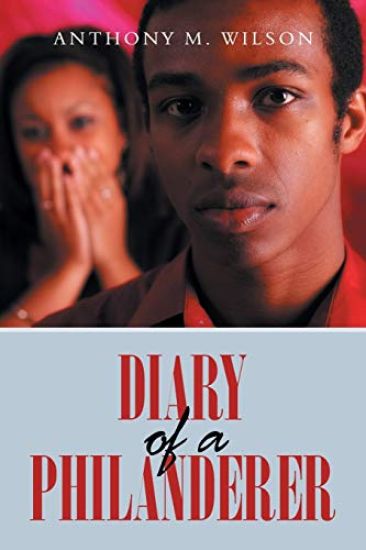
In a society, where cheating in relationships is as common as bottled water, we take on the challenge of introducing you to James, a middle-aged male who is reaching a pivotal moment in life. This moment forces thoughts of reflections on his path that lead him to take on critical decisions. His role as a father, son, friend, lover, husband, and so many other labels worn in one season or another helped shaped and prepare him, but was it enough? Enjoy and take the invite into his diary as it provides for you more than the glimpse that society has judged him on and to show that adjusting for survival can place you in undesired social categories.
In a society, where cheating in relationships is as common as bottled water, we take on the challenge of introducing you to James, a middle-aged male who is reaching a pivotal moment in life. This moment forces thoughts of reflections on his path that lead him to take on critical decisions. His role as a father, son, friend, lover, husband, and so many other labels worn in one season or another helped shaped and prepare him, but was it enough? Enjoy and take the invite into his diary as it provides for you more than the glimpse that society has judged him on and to show that adjusting for survival can place you in undesired social categories.

In 1866, a brutal gang of ex-convicts from Australia left a trail of death, thievery and larceny across the goldfields of New Zealand. In the goldmining town of Greymouth, Inspector William Henry James, in charge of the police camp, attempted to prevent the gang from taking root in his town. Too late he discovered that a missing surveyor may have been the first victim of the gang. After James forced them to leave town, the Burgess/Kelly gang went on to rob and murder five men transporting gold to Nelson in the colony's most horrendous mass murder. The press was merciless. Why didn't he stop the gang when he had the chance?Years later, forced into retirement after government cuts combined two districts, Inspector James reflects on his biggest case, and how he fought to bring those responsible to justice. His own life has been a mixture of success and tragedy, from his days in the goldfields of Victoria, his time leading the gold escort from Christchurch to the West Coast and his gradual advancement on the force, to the personal tragedies that amplify the awful discovery of the young surveyor's body. But as he faces retirement without his promised pension, he delays thinking about his difficult future and reconsiders the worst crime he encountered in his career, and the failures he has lived with for 22 years.

Military Identity and the Transition into Civilian Life
Kevin M Wilson-Smith; Philip J Corr
Springer Nature Switzerland AG
2019
sidottu
This book outlines the relationship between social identity theory and military to civilian transition, examining the mass movement of soldiers back into the civilian occupational world by considering literature specifically on role exit and in relation to the process of full-time military exit. The authors document a range of biographical and experientially-focussed case studies to highlight the range of transitions experienced by individuals leaving the armed forces. This book highlights the challenges faced by those transitioning between military and civilian roles through retirement, redundancy, medical discharge or in constant transition as a Reservist. It addresses themes of significant public interest in the light of the recent restructure of the UK full-time and reserve services and following the Iraq and Afghanistan wars.


Reprint of the original, first published in 1873.