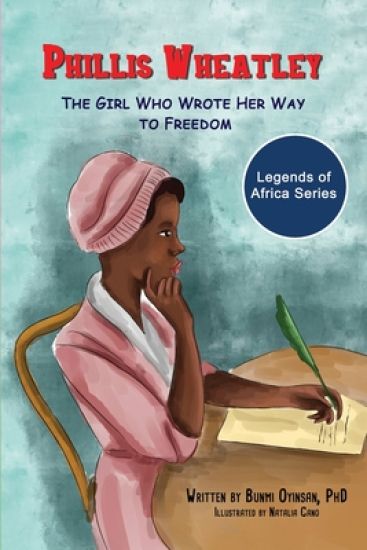
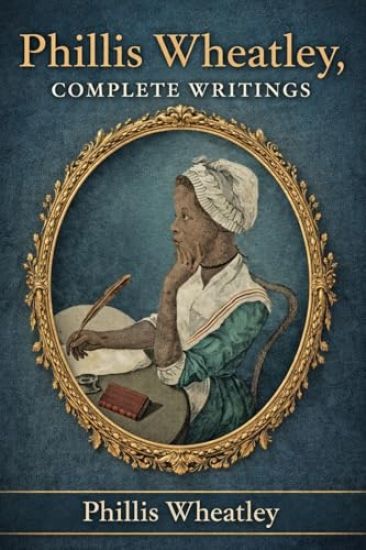
This beautifully illustrated story is a fictionalized version of the life story of Phillis Wheatley who was captured from the Senegambia area of West Africa. Although sold into slavery, she very quickly learnt to read and write. She became the first African-American to publish a book of poetry. This story about her life introduces her to young readers by highlighting some of her struggles as well as major accomplishments.
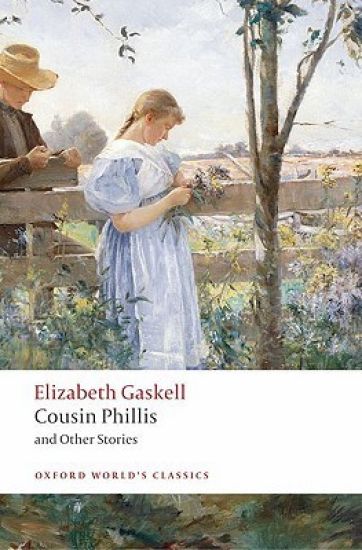
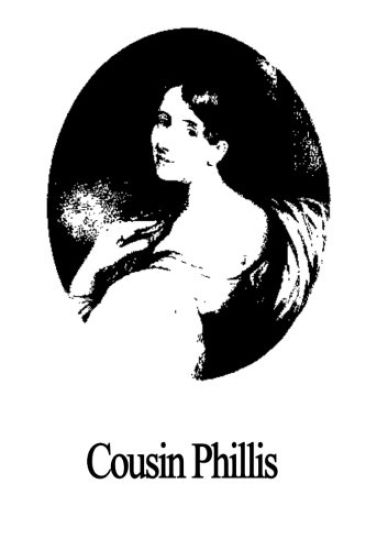
'I see her now - cousin Phillis. The westering sun shone full upon her, and made a slanting stream of light into the room within.' Elizabeth Gaskell has long been one of the most popular of Victorian novelists, yet in her lifetime her shorter fictions were equally well loved, and they are among the most accomplished examples of the genre. The novella-length Cousin Phillis is a lyrical depiction of a vanishing way of life and a girl's disappointment in love: deceptively simple, its undercurrent of feeling leaves an indelible impression. The other five stories in this selection were all written during the 1850s for Dickens's periodical Household Words. They range from a quietly original tale of urban poverty and a fallen woman in 'Lizzie Leigh' to an historical tale of a great family in 'Morton Hall'; echoes of the French Revolution, the bleakness of winter in Westmorland, and a tragic secret are brought vividly to life. Heather Glen reflects on the stories' original periodical publication and on the nineteenth-century development of the short story in her Introduction to these immensely readable and sophisticated tales. ABOUT THE SERIES: For over 100 years Oxford World's Classics has made available the widest range of literature from around the globe. Each affordable volume reflects Oxford's commitment to scholarship, providing the most accurate text plus a wealth of other valuable features, including expert introductions by leading authorities, helpful notes to clarify the text, up-to-date bibliographies for further study, and much more.
Elizabeth Cleghorn Gaskell n e Stevenson (1810-1865), often referred to simply as Mrs. Gaskell, was an English novelist and short story writer during the Victorian era. She is perhaps best known for her biography of Charlotte Bront . Her novels offer a detailed portrait of the lives of many strata of society, including the very poor, and as such are of interest to social historians as well as lovers of literature. She married William Gaskell, the minister at Cross Street Unitarian Chapel in Manchester. They settled in Manchester, where the industrial surroundings would offer inspiration for her novels. Her first novel, Mary Barton: A Tale of Manchester Life, was published anonymously in 1848. The best known of her remaining novels are Cranford (1853), North and South (1855), and Wives and Daughters (1866).
Elizabeth Cleghorn Gaskell, n e Stevenson (29 September 1810 - 12 November 1865), often referred to simply as Mrs Gaskell, was a British novelist and short story writer during the Victorian era. Her novels offer a detailed portrait of the lives of many strata of society, including the very poor, and as such are of interest to social historians as well as lovers of literature. -wikipedia
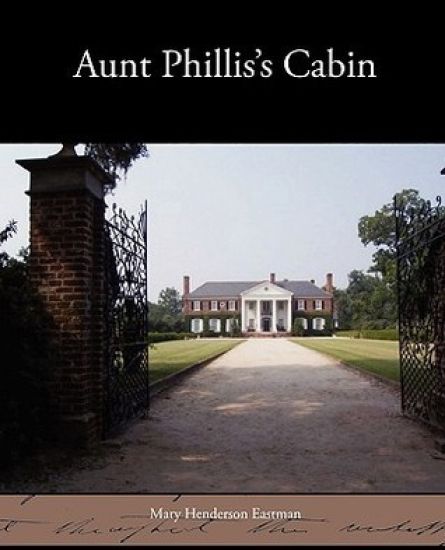
Aunt Phillis's Cabin; or, Southern Life As It Is by Mary Henderson Eastman is a plantation fiction novel, and is perhaps the most read anti-Tom novel in American literature. It was published by Lippincott, Grambo & Co. of Philadelphia in 1852 as a response to Harriet Beecher Stowe's Uncle Tom's Cabin, published earlier that year. The novel sold 20,000-30,000 copies, making it a strong commercial success and bestseller. Based on her growing up in Warrenton, Virginia of an elite planter family, Eastman portrays plantation owners and slaves as mutually respectful, kind, and happy beings. Published in 1852, Aunt Phillis's Cabin contains contrasts and comparisons to the anti-slavery novel, Uncle Tom's Cabin by Harriet Beecher Stowe, which was published earlier that year. It serves as an antithesis; Eastman's novel deliberately referred to the situation in Stowe's Uncle Tom's Cabin, where plantation owners abuse their repressed, disloyal slaves. Eastman portrays white plantation owners who behave benignly toward their slaves. Eastman also uses quotes from various sources - including Uncle Tom's Cabin itself - to explain that slavery is a natural institution, and essential to life. 1] Like other novels of the genre, it contains much dialogue between masters and slaves, in which she portrays "the essential happiness of slaves in the South as compared to the inevitable sufferings of free blacks and the working classes in the North," as noted by the scholar Stephen Railton in the website Uncle Tom's Cabin & American Culture The story is set in unnamed rural town in Virginia, which is frequented by several plantation owners living around it. The town relies on trade from the cotton plantations for its economy. Understanding this, the plantation owners, in contrast to their neighbors in surrounding towns, have adopted a benign approach towards their slaves to keep them peaceful and assure the safety of the town. Several characters in and around the town are introduced throughout the story, demonstrating how this process works and the delicate balance of such a process in action. Although obscure today, the novel remains one of the most-read examples of the anti-Tom genre. Between 20,000 and 30,000 copies of Aunt Phillis's Cabin were sold upon its initial release in 1852. 3] The novel was the most commercially successful of the anti-Tom genre until the publication of The Lofty and the Lowly, or Good in All and None All Good in 1853, which sold 8,000 copies within the first weeks of publication