

Kirjahaku
Etsi kirjoja tekijän nimen, kirjan nimen tai ISBN:n perusteella.
75 tulosta hakusanalla Pushkar Kumar

Waters Beneath My Feet: New Orleans to Nome... My 3 Year Canoe Odyssey
Jerry Pushcar
Last Cache Publishing
2018
nidottu
After a 1,200 mile solo canoe trip from Grand Portage, Minnesota to Hudson Bay, Manitoba, Jerry Pushcar wanted to see more of North America's untamed wilderness. Waters Beneath My Feet is the personal memoir of his response: a three-year solo odyssey from New Orleans, Louisiana to Nome, Alaska. His compelling journey began by paddling up the mighty Mississippi, battling barge traffic and wing dams all the while. The danger didn't stop there. Between the Mississippi and his destination, Pushcar would spend more than two years in the bush, navigating tricky encounters, mammoth lakes, untamed rivers, and inhospitable winters. All were precursors to the final test: the Bering Sea. He almost didn't make it. Contact with Pushcar was lost for weeks near the end. Just as the newspaper in Nome was preparing to declare him lost at sea, a bush pilot spotted him walking along a stark, snow-covered cliff above the ocean. Offered a ride for his final 30 miles to Nome, Pushcar declined. "I've come this far, I might as well finish it." The record-breaking journey ended in Nome at 5:36 P.M. on November 12, 1977.

The first Bosnians settled in Chicagoland in the late 19th and early 20th centuries, joining other immigrants seeking better opportunities and better lives. As the former Yugoslavia continued to find its identity as a nation over the last century, the people of Bosnia and Herzegovina sought stability and new beginnings in the city of Chicago--many intending to return to their homeland. Today as many as 70,000 Bosnians and their descendants live in the Chicago area, representing different faiths, backgrounds, and motivations for making America their new home. Bosnian Americans of Chicagoland examines the journey of this group, its legacy, and its traditions and customs that have lasted since the first immigrants arrived a century ago.

This book argues that language and literature actively produced chance in the late nineteenth and early twentieth centuries by categorizing injuries and losses as innocent of design. Automobile collisions and occupational injuries became "car accidents" and "industrial accidents." During the post-Civil War period of racial, ethnic, and class-based hostility, chance was an abstract enemy against which society might unite. By producing chance, novels by William Dean Howells, Stephen Crane, Anna Katharine Green, Edith Wharton, Theodore Dreiser, and James Cain documented and helped establish new modes of collective interdependence. Chance here is connected not with the competitive individualism of the Gilded Age, but with important progressive and social democratic reforms, including developments in insurance, which had long employed accident narratives to shape its own "mutual society." Accident Society reveals the extent to which American collectivity has depended—and continues to depend—on the literary production of chance.
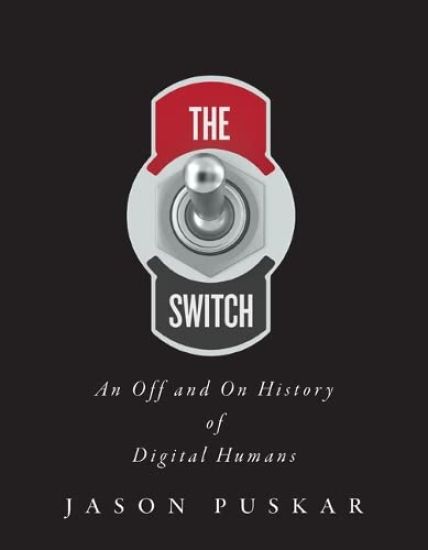
From the telegraph to the touchscreen, how the development of binary switching transformed everyday life and changed the shape of human agency The Switch traces the sudden rise of a technology that has transformed everyday life for billions of people: the binary switch. By chronicling the rapid growth of binary switching since the mid-nineteenth century, Jason Puskar contends that there is no human activity as common today as pushing a button or flipping a switch-the deceptively simple act of turning something on or off. More than a technical history, The Switch offers a cultural and political analysis of how reducing so much human action to binary alternatives has profoundly reshaped modern society. Analyzing this history, Puskar charts the rapid shift from analog to digital across a range of devices-keyboards, cameras, guns, light switches, computers, game controls, even the “nuclear button”-to understand how nineteenth-century techniques continue to influence today’s pervasive digital technologies. In contexts that include musical performance, finger counting, machine writing, voting methods, and immersive play, Puskar shows how the switch to switching led to radically new forms of action and thought. The innovative analysis in The Switch makes clear that binary inputs have altered human agency by making choice instantaneous, effort minimal, and effects more far-reaching than ever. In the process, it concludes, switching also fosters forms of individualism that, though empowering for many, also preserve a legacy of inequality and even domination.
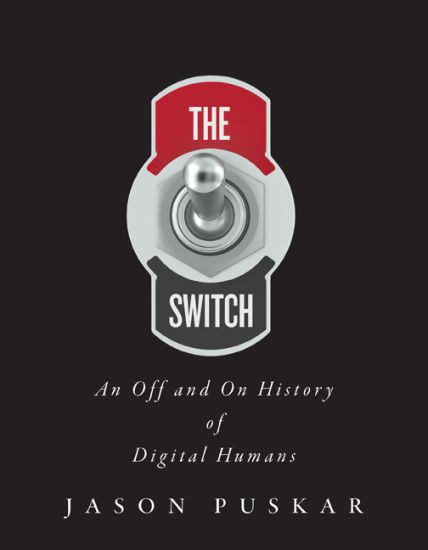
From the telegraph to the touchscreen, how the development of binary switching transformed everyday life and changed the shape of human agency The Switch traces the sudden rise of a technology that has transformed everyday life for billions of people: the binary switch. By chronicling the rapid growth of binary switching since the mid-nineteenth century, Jason Puskar contends that there is no human activity as common today as pushing a button or flipping a switch-the deceptively simple act of turning something on or off. More than a technical history, The Switch offers a cultural and political analysis of how reducing so much human action to binary alternatives has profoundly reshaped modern society. Analyzing this history, Puskar charts the rapid shift from analog to digital across a range of devices-keyboards, cameras, guns, light switches, computers, game controls, even the “nuclear button”-to understand how nineteenth-century techniques continue to influence today’s pervasive digital technologies. In contexts that include musical performance, finger counting, machine writing, voting methods, and immersive play, Puskar shows how the switch to switching led to radically new forms of action and thought. The innovative analysis in The Switch makes clear that binary inputs have altered human agency by making choice instantaneous, effort minimal, and effects more far-reaching than ever. In the process, it concludes, switching also fosters forms of individualism that, though empowering for many, also preserve a legacy of inequality and even domination.


Stack of Poems / काव्यावली
Shashank Puskar
Notion Press
2019
pokkari

After millions of years of inhabiting the earth, the human brain has developed into a highly functional and complex apparatus. That being said, we have come to the point where we actually believe we ARE our minds. What if you realized that you are neither responsible for, nor liable for your thoughts? What if you knew that they are not yours, but are, in fact, an expression of the universal "thoughtmosphere"? The time has come in our evolution to shift the paradigm, and awaken to the realization that your mind has served you well, but that you are so much more. In this revolutionary new book, motivational speaker, producer and author, Theresa Puskar shines a light on the ways in which you deplete your energy, and limit yourself as you attempt to navigate your way through your self-created maze of mind chatter. The answer lies in rising above that maze, so that you can observe its tricks and traps in a non-reactive way. In this groundbreaking book, Theresa will assist you in unravelling the unconscious internal battle of duality that rages within you. As you practice these techniques, you will start to see everything from the place of truth and ultimately learn that it is not about improving your life, it's about changing your paradigm. In doing so, you can begin to heal both your personal and professional life, and affect the world at large In this unique and uplifting book, you will: - Learn how to shift from toxic reactivity to expansive, liberating receptivity - Attract greater success with ease, as you get out of your own way - Shed light on the ways in which your mind prevents you from feeling safe, satisfied and loved - Access your innate sense of well-being, and cultivate a deeper faith in universal benevolence - Review and release your never-ending battle with life, and shift from poverty-consciousness, to life-long manifesting - Cultivate inner integrity so that you can recognize the source of your impatience, anger and intolerance, and discover deep peace - Uncover the source of your loneliness and build genuine, heart-based relationships - Transform exhaustion and overwhelm to energized and inspired mobilization - Fall in love with your True Self, as you shed the confines of your misinterpreted false-self beliefs...and so much more
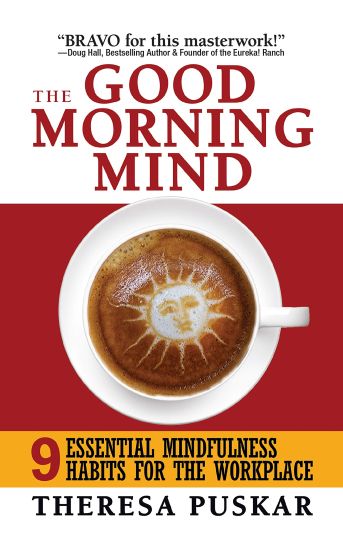
A commitment to cultivating mindfulness practices in your business is no longer optional, it is an imperative. Not only will mindful businesses survive in the 21st century, they will thrive as the world grows in its initiative to support integrity, creativity and diversity in the workplace. Integrating solid and definitive mindfulness practices into your business will create a greater sense of ease, innovation and well-being among your staff. Ultimately, they will feel safer and more self-assured, and in doing so will develop a loyalty to you and your business that will exponentially impact your bottom line. In this revolutionary new book, author Theresa Puskar will provide you with the tools you need to take your business to the next pillar of excellence. In it, you will be given techniques and develop the skills to: - Expel fear-based constrictive mindsets, and ignite genius and innovation - Build a sense of self-accountability, pride and ownership among your staff - Curb combative competitiveness to create a cohesive and connected work environment - Apply proactive, positive communication practices to reduce conflict and encourage optimal results - Integrate calm and joy into the workplace, to create greater productivity and prosperity - Model, create and sustain authentic and heartfelt internal & external customer-care - Cultivate loyalty and longevity, and in doing so, significantly decrease staff turnover...and much more



Practical, easy-to-follow advice that saves lives Based on the author's thirty years of hands-on experience working in the field of industrial fuel systems and combustion equipment safety, this book integrates safety codes with practical, tested, and proven guidance that makes it viable to specify, operate, and maintain industrial fuel and combustion systems as safely as possible. Readers will learn about fuels, piping, combustion, controls, and risks from more than fifty "real-life stories" the author has integrated into each chapter so one can immediately see and understand the concepts presented. The incidents depicted resulted in forty-six deaths, hundreds of serious injuries, and billions of dollars in losses. Each example is followed by lessons learned, helping readers understand what could have been done to avoid the disaster or minimize the resulting destruction of life and property. The book begins with an introductory chapter that presents key concepts in industrial fuel and combustion systems safety. Next, chapters cover such topics as: Combustion and natural gas piping basicsGas supply system issuesGas piping repairs and cleaningFuel trains and combustion equipmentBoilers and their unique risksControlling combustion risks: people, policy, equipment The final two chapters address risks related to facilities outside of the United States, as well as business contingency planning related to fuels and combustion equipment. The last chapter explains how to plan for and then respond quickly and effectively to fuel or combustion system incidents. Filled with practical, easy-to-follow advice that saves lives, Fuel and Combustion Systems Safety is an essential reference for everyone from equipment operators and maintenance personnel to corporate risk managers and global safety directors.

Introduction to Natural Gas and Combustion Systems Safety
John R. Puskar
John Wiley Sons Inc
2014
sidottu
This book covers a broad spectrum of topics found in the naturalgas industry including: drilling and well development, gasprocessing, pipelines, distribution systems, and combustionequipment all with a special emphasis on hazards inherent in thisindustry. The information is provided in a clear and concise mannerin one place with relevant real life examples of things that canand have gone wrong. This book will provide all of thesethings along with problems to solve that will allow for enhancedlearning that applies to situations that the practitioner canexpect to encounter.

Solar Air Heater
Anil Singh Yadav; Pushkal Badoniya; Josy George
Lap Lambert Academic Publishing
2018
nidottu