Kirjojen hintavertailu. Mukana 11 342 296 kirjaa ja 12 kauppaa.

Kirjahaku

Etsi kirjoja tekijän nimen, kirjan nimen tai ISBN:n perusteella.

1000 tulosta hakusanalla Rahman Reuben

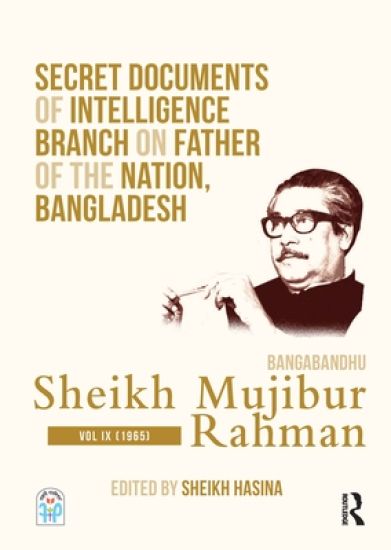
Secret Documents of Intelligence Branch on Father of The Nation, Bangladesh: Bangabandhu Sheikh Mujibur Rahman
Secret Documents of Intelligence Branch on Father of the Nation, Bangladesh: Bangabandhu Sheikh Mujibur Rahman, is a 14-volume set of declassified documents edited by Sheikh Hasina, Honorable Prime Minister of Bangladesh. These are a compilation of the files maintained by the Intelligence Branch of Pakistan Government on Sheikh Mujibur Rahman, who emerged as the sole leader of the country and became Bangabandhu (Friend of Bangladesh). For his long-standing struggle and contribution in fostering notions of Bengali nationhood that led to the independence of Bangladesh, he has been honored as the Father of the Nation. The volumes provide records for period 1948 to 1971 and chronologically elucidate the trajectory of the various movements and political struggles that led to the formation of an independent nation state called People's Republic of Bangladesh. These include the 1952 Bengali Language Movement that catalyzed the assertion of Bengali national identity in the region and became a forerunner to Bengali nationalist movements. Bangabandhu Sheikh Mujibur Rahman led the struggle for independence, first through massive populist and civil disobedience movements and later during the Bangladesh Liberation War. Important events cited in the present volumes include the 1954 United Front election victory, 1966 Six Point Movement, 1968 Agartala Conspiracy Case, 1969 mass uprising, 1970 election victory and 1971 Non-Cooperation Movement among others.These are the first ever declassified documents released by the Government of Bangladesh and will serve as an invaluable historical resource in understanding the liberation of Bangladesh.This 9th volume holds records for the year 1965.
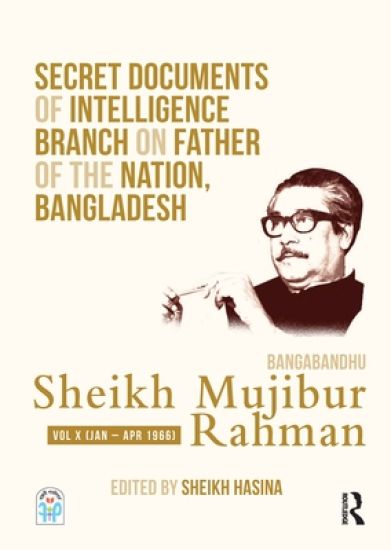
Secret Documents of Intelligence Branch on Father of The Nation, Bangladesh: Bangabandhu Sheikh Mujibur Rahman
Secret Documents of Intelligence Branch on Father of the Nation, Bangladesh: Bangabandhu Sheikh Mujibur Rahman, is a 14-volume set of declassified documents edited by Sheikh Hasina, Honorable Prime Minister of Bangladesh. These are a compilation of the files maintained by the Intelligence Branch of Pakistan Government on Sheikh Mujibur Rahman, who emerged as the sole leader of the country and became Bangabandhu (Friend of Bangladesh). For his long-standing struggle and contribution in fostering notions of Bengali nationhood that led to the independence of Bangladesh, he has been honored as the Father of the Nation. The volumes provide records for period 1948 to 1971 and chronologically elucidate the trajectory of the various movements and political struggles that led to the formation of an independent nation state called People's Republic of Bangladesh. These include the 1952 Bengali Language Movement that catalyzed the assertion of Bengali national identity in the region and became a forerunner to Bengali nationalist movements. Bangabandhu Sheikh Mujibur Rahman led the struggle for independence, first through massive populist and civil disobedience movements and later during the Bangladesh Liberation War. Important events cited in the present volumes include the 1954 United Front election victory, 1966 Six Point Movement, 1968 Agartala Conspiracy Case, 1969 mass uprising, 1970 election victory and 1971 Non-Cooperation Movement among others.These are the first ever declassified documents released by the Government of Bangladesh and will serve as an invaluable historical resource in understanding the liberation of Bangladesh.This 10th volume holds records for the year 1966.
Secret Documents of Intelligence Branch on Father of The Nation, Bangladesh: Bangabandhu Sheikh Mujibur Rahman
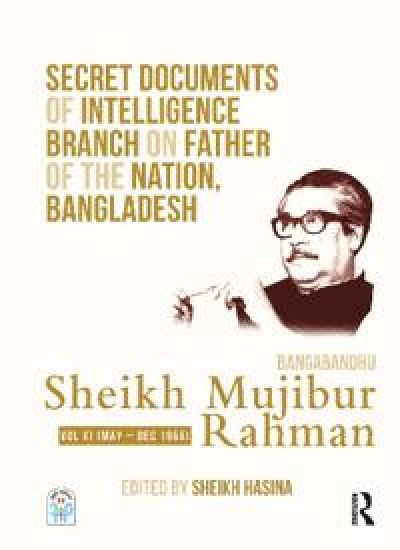
Secret Documents of Intelligence Branch on Father of the Nation, Bangladesh: Bangabandhu Sheikh Mujibur Rahman, is a 14-volume set of declassified documents edited by Sheikh Hasina, Honorable Prime Minister of Bangladesh. These are a compilation of the files maintained by the Intelligence Branch of Pakistan Government on Sheikh Mujibur Rahman, who emerged as the sole leader of the country and became Bangabandhu (Friend of Bangladesh). For his long-standing struggle and contribution in fostering notions of Bengali nationhood that led to the independence of Bangladesh, he has been honored as the Father of the Nation.The volumes provide records for period 1948 to 1971 and chronologically elucidate the trajectory of the various movements and political struggles that led to the formation of an independent nation state called People's Republic of Bangladesh. These include the 1952 Bengali Language Movement that catalyzed the assertion of Bengali national identity in the region and became a forerunner to Bengali nationalist movements. Bangabandhu Sheikh Mujibur Rahman led the struggle for independence, first through massive populist and civil disobedience movements and later during the Bangladesh Liberation War. Important events cited in the present volumes include the 1954 United Front election victory, 1966 Six Point Movement, 1968 Agartala Conspiracy Case, 1969 mass uprising, 1970 election victory and 1971 Non-Cooperation Movement among others.These are the first ever declassified documents released by the Government of Bangladesh and will serve as an invaluable historical resource in understanding the liberation of Bangladesh.This 11th volume holds records for the period May - December 1966.
Secret Documents of Intelligence Branch on Father of The Nation, Bangladesh: Bangabandhu Sheikh Mujibur Rahman
Secret Documents of Intelligence Branch on Father of the Nation, Bangladesh: Bangabandhu Sheikh Mujibur Rahman, is a 14-volume set of declassified documents edited by Sheikh Hasina, Honorable Prime Minister of Bangladesh. These are a compilation of the files maintained by the Intelligence Branch of Pakistan Government on Sheikh Mujibur Rahman, who emerged as the sole leader of the country and became Bangabandhu (Friend of Bangladesh). For his long-standing struggle and contribution in fostering notions of Bengali nationhood that led to the independence of Bangladesh, he has been honored as the Father of the Nation. The volumes provide records for period 1948 to 1971 and chronologically elucidate the trajectory of the various movements and political struggles that led to the formation of an independent nation state called People's Republic of Bangladesh. These include the 1952 Bengali Language Movement that catalyzed the assertion of Bengali national identity in the region and became a forerunner to Bengali nationalist movements. Bangabandhu Sheikh Mujibur Rahman led the struggle for independence, first through massive populist and civil disobedience movements and later during the Bangladesh Liberation War. Important events cited in the present volumes include the 1954 United Front election victory, 1966 Six Point Movement, 1968 Agartala Conspiracy Case, 1969 mass uprising, 1970 election victory and 1971 Non-Cooperation Movement among others.These are the first ever declassified documents released by the Government of Bangladesh and will serve as an invaluable historical resource in understanding the liberation of Bangladesh.This 12th volume holds records for the year 1967.
Secret Documents of Intelligence Branch on Father of The Nation, Bangladesh: Bangabandhu Sheikh Mujibur Rahman
Secret Documents of Intelligence Branch on Father of the Nation, Bangladesh: Bangabandhu Sheikh Mujibur Rahman, is a 14-volume set of declassified documents edited by Sheikh Hasina, Honorable Prime Minister of Bangladesh. These are a compilation of the files maintained by the Intelligence Branch of Pakistan Government on Sheikh Mujibur Rahman, who emerged as the sole leader of the country and became Bangabandhu (Friend of Bangladesh). For his long-standing struggle and contribution in fostering notions of Bengali nationhood that led to the independence of Bangladesh, he has been honored as the Father of the Nation. The volumes provide records for period 1948 to 1971 and chronologically elucidate the trajectory of the various movements and political struggles that led to the formation of an independent nation state called People's Republic of Bangladesh. These include the 1952 Bengali Language Movement that catalyzed the assertion of Bengali national identity in the region and became a forerunner to Bengali nationalist movements. Bangabandhu Sheikh Mujibur Rahman led the struggle for independence, first through massive populist and civil disobedience movements and later during the Bangladesh Liberation War. Important events cited in the present volumes include the 1954 United Front election victory, 1966 Six Point Movement, 1968 Agartala Conspiracy Case, 1969 mass uprising, 1970 election victory and 1971 Non-Cooperation Movement among others.These are the first ever declassified documents released by the Government of Bangladesh and will serve as an invaluable historical resource in understanding the liberation of Bangladesh.This 13th volume holds records for the period 1968-1969.
Secret Documents of Intelligence Branch on Father of The Nation, Bangladesh: Bangabandhu Sheikh Mujibur Rahman
Secret Documents of Intelligence Branch on Father of the Nation, Bangladesh: Bangabandhu Sheikh Mujibur Rahman, is a 14-volume set of declassified documents edited by Sheikh Hasina, Honorable Prime Minister of Bangladesh. These are a compilation of the files maintained by the Intelligence Branch of Pakistan Government on Sheikh Mujibur Rahman, who emerged as the sole leader of the country and became Bangabandhu (Friend of Bangladesh). For his long-standing struggle and contribution in fostering notions of Bengali nationhood that led to the independence of Bangladesh, he has been honored as the Father of the Nation. The volumes provide records for period 1948 to 1971 and chronologically elucidate the trajectory of the various movements and political struggles that led to the formation of an independent nation state called People's Republic of Bangladesh. These include the 1952 Bengali Language Movement that catalyzed the assertion of Bengali national identity in the region and became a forerunner to Bengali nationalist movements. Bangabandhu Sheikh Mujibur Rahman led the struggle for independence, first through massive populist and civil disobedience movements and later during the Bangladesh Liberation War. Important events cited in the present volumes include the 1954 United Front election victory, 1966 Six Point Movement, 1968 Agartala Conspiracy Case, 1969 mass uprising, 1970 election victory and 1971 Non-Cooperation Movement among others.These are the first ever declassified documents released by the Government of Bangladesh and will serve as an invaluable historical resource in understanding the liberation of Bangladesh.This last holds records for the period 1970-1971.
Secret Documents of Intelligence Branch on Father of The Nation, Bangladesh: Bangabandhu Sheikh Mujibur Rahman
Secret Documents of Intelligence Branch on Father of the Nation, Bangladesh: Bangabandhu Sheikh Mujibur Rahman, is a 14-volume set of declassified documents edited by Sheikh Hasina, Honorable Prime Minister of Bangladesh. These are a compilation of the files maintained by the Intelligence Branch of Pakistan Government on Sheikh Mujibur Rahman, who emerged as the sole leader of the country and became Bangabandhu (Friend of Bangladesh). For his long-standing struggle and contribution in fostering notions of Bengali nationhood that led to the independence of Bangladesh, he has been honored as the Father of the Nation. The volumes provide records for period 1948 to 1971 and chronologically elucidate the trajectory of the various movements and political struggles that led to the formation of an independent nation state called People's Republic of Bangladesh. These include the 1952 Bengali Language Movement that catalyzed the assertion of Bengali national identity in the region and became a forerunner to Bengali nationalist movements. Bangabandhu Sheikh Mujibur Rahman led the struggle for independence, first through massive populist and civil disobedience movements and later during the Bangladesh Liberation War. Important events cited in the present volumes include the 1954 United Front election victory, 1966 Six Point Movement, 1968 Agartala Conspiracy Case, 1969 mass uprising, 1970 election victory and 1971 Non-Cooperation Movement among others.These are the first ever declassified documents released by the Government of Bangladesh and will serve as an invaluable historical resource in understanding the liberation of Bangladesh.
Secret Documents of Intelligence Branch on Father of The Nation, Bangladesh: Bangabandhu Sheikh Mujibur Rahman
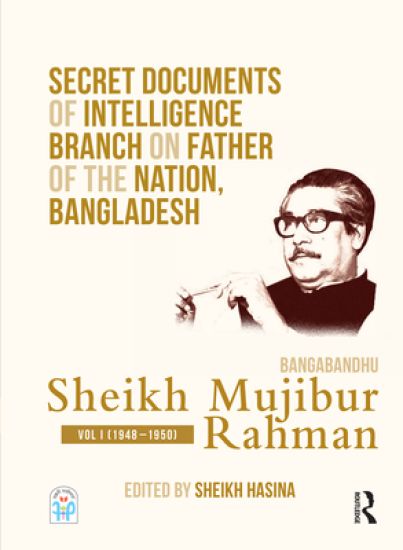
Secret Documents of Intelligence Branch on Father of the Nation, Bangladesh: Bangabandhu Sheikh Mujibur Rahman, is a 14-volume set of declassified documents edited by Sheikh Hasina, Honorable Prime Minister of Bangladesh. These are a compilation of the files maintained by the Intelligence Branch of Pakistan Government on Sheikh Mujibur Rahman, who emerged as the sole leader of the country and became Bangabandhu (Friend of Bangladesh). For his long-standing struggle and contribution in fostering notions of Bengali nationhood that led to the independence of Bangladesh, he has been honored as the Father of the Nation. The volumes provide records for period 1948 to 1971 and chronologically elucidate the trajectory of the various movements and political struggles that led to the formation of an independent nation state called People's Republic of Bangladesh. These include the 1952 Bengali Language Movement that catalyzed the assertion of Bengali national identity in the region and became a forerunner to Bengali nationalist movements. Bangabandhu Sheikh Mujibur Rahman led the struggle for independence, first through massive populist and civil disobedience movements and later during the Bangladesh Liberation War. Important events cited in the present volumes include the 1954 United Front election victory, 1966 Six Point Movement, 1968 Agartala Conspiracy Case, 1969 mass uprising, 1970 election victory and 1971 Non-Cooperation Movement among others.These are the first ever declassified documents released by the Government of Bangladesh and will serve as an invaluable historical resource in understanding the liberation of Bangladesh.This first volume holds records for the period 1948-1950. Events included are as follows: The Language Movement & the abolition of Zamindari System, the movement in Dacca University, the birth of Awami League, letters from Sheikh Mujibur Rahman, distribution of various leaflets, speeches-statements, arrest & imprisonment and meeting with various party leaders.
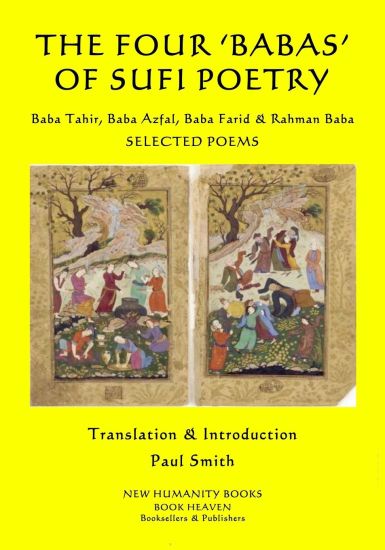
The Four 'Babas' of Sufi Poetry: Baba Tahir, Baba Azfal, Baba Farid & Rahman Baba SELECTED POEMS

The Four 'Babas' of Sufi Poetry: Baba Tahir, Baba Azfal, Baba Farid & Rahman Baba SELECTED POEMS

Baba Azfal; Baba Farid; Rahman Baba

Createspace Independent Publishing Platform
2018
nidottu
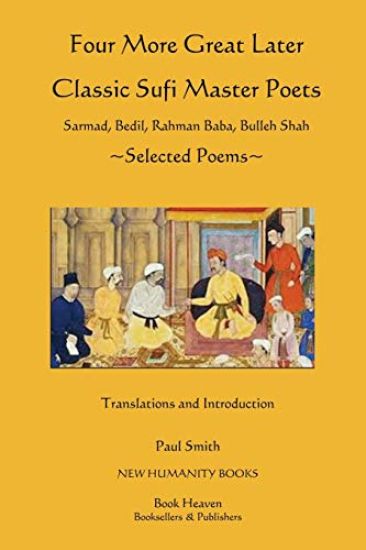
THE FOUR 'BABAS' OF SUFI POETRY Baba Tahir, Baba Azfal, Baba Farid & Rahman Baba SELECTED POEMS Translation & Introduction by Paul Smith Baba Tahir, or Oryan ('The Naked') of Hamadan... approx. 990-1065, was a great God-intoxicated, or God-mad soul (mast) and possibly a Qutub (Perfect Master) who composed about 120 known ruba'i in a simpler metre than the usual 'hazaj' metre. His simple, mystical poems that he would sing while wandering naked throughout the land had a profound influence on Sufis and dervishes and other ruba'i composers, especially Abu Sa'id, Ibn Sina and Omar Khayyam. Included in the Introduction... the life of Baba Tahir, an essay on the ruba'i and on Sufi Poetry. Bibliography. Baba Afzal (1186-1256) came from Maraq near Kashan. He is the author of many Persian works on philosophical and metaphysical subjects and translated the Arabic version of Aristotle's 'The Book of the Soul' into Persian. He was a Sufi and the author of about 500 mystical and at times controversial ruba'is . He is one of the greatest poets among the philosophers of Islam and one of the greatest of this form. Introduction includes: The Life, Times & Work of Baba Afzal, The father of Punjabi poetry Baba Farid (1173-1266) was born in the Punjab. Khwaja Bakhtiar Kaki was Baba Farid's Spiritual Master. Kaki met Mu'in ud-din Chishti at Baghdad and became his disciple. Farid, the Sufi Master poet laureate from Punjab is famous for his wise and spiritual couplets (slokas)... 112 of them are in the bible of the Sikhs. Hospitals and factories and even a town named after him. Introduction on The Life, Times and Poetry of Baba Farid. Rahman Baba (1652 to 1711) is considered the greatest Sufi Pashtun poet to compose poems, mainly ghazals, in the Pashtu language. Born in Mohmand region of Afghanistan near Peshawar he was called 'The Nightingale of Peshawar'. This was a time of struggle and hardship and in the midst of the turmoil he was an excellent student with a natural gift for poetry. His Divan is 343 poems... ghazals and a few qasidas and mukhammas. Introduction is on his Life & Times & Poetry and the Forms in which he wrote. The correct rhyme-structure is kept as well as the meaning of these beautiful, enlightened poems by all four great Sufi poets. Large Format Paperback 7" x 10" Pages 498. Paul Smith (b.1945) is a poet, author and translator of many books of Sufi poets of the Persian, Arabic, Urdu, Turkish, Pashtu and other languages including Hafiz, Sa'di, Nizami, Rumi, 'Attar, Sana'i, Jahan Khatun, Obeyd Zakani, Nesimi, Kabir, Anvari, Ansari, Jami, Khayyam, Rudaki, Yunus Emre, Mu'in, Abu Nuwas, Ibn al-Farid, Seemab, Jigar, Lalla Ded, Hali, Baba Farid and many others, as well as poetry, fiction, plays, children's books, biographies and a dozen screenplays. amazon.com/author/smithpa
Abramo Di Tiberiade, Dialogo Con l'Emiro Abd Al-Rahman Al-Hashimi: Un Dialogo Islamo-Cristiano Ambientato a Gerusalemme Agli Inizi del IX Secolo
(...) an Islamic-Christian dialogue must really and fundamentally have taken place in Jerusalem at the beginning of the 9th century. between a monk, let's call him Abraham of Tiberias, and a high Muslim personality, who could be 'Abd al-Rahman ibn' Adb al-Malik al-Hashimi. But the editor of the text of our dialogue has "arranged" a little freely the fundamental event, wrapped it in a sort of literary genre almost indispensable in the apologetic style of the time. from Marcuzzo, Le dialogue (1986), p. 101. Text of an apologetic dialogue widely widespread during the medieval period. Arabic text from the edition by Giacinto Boulos Marcuzzo (1986) fully vocalized and newly divised and indexed with front italian annotated translation.
Mutimedia Networking-Technology Management and Applications
In recent years rapid Internet growth has pushed the development of new multimedia applications in all aspects of life such as entertainment, communication, collaborative work and electronic commerce. Future applications will make use of different technologies like voice, data and video, but in order to make such a wide variety of multimedia applications successful, a number of technology and management issues must be addressed. Multimedia Networking: Technology, Management and Applications addresses the dynamic and efficient uses of resources – a fundamental aspect of multimedia networks. Geared toward professionals, educators and students alike, this exciting new book will detail current research and the future direction of multimedia networking.
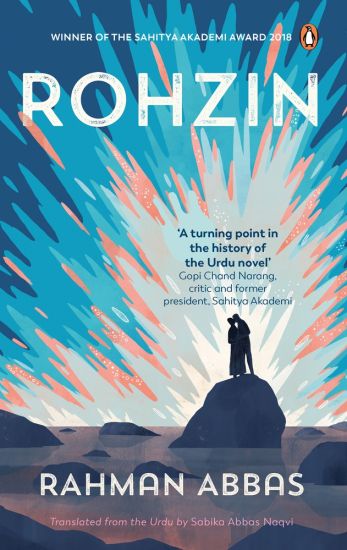
Rohzin

Rohzin

Rahman Abbas

Penguin Random House India
2022
sidottu
Mumbai was almost submerged on the fatal noon of 26 July 2005, when the merciless downpour and cloudburst had spread utter darkness and horror in the heart of the city. River Mithi was inundated, and the sea was furious. At this hour of torturous gloom, Rohzin begins declaring in the first line that it was the last day in the life of two lovers, Asrar and Hina. The novel's protagonist, Asrar, comes to Mumbai, and through his eyes the author describes the hitherto-unknown aspects of Mumbai, unseen colours and unseen secrets of the city's underbelly. The love story of Asar and Hina begins abruptly and ends tragically. It is love at first sight which takes place in the premises of Haji Ali Dargah. The arc of the novel studies various aspects of human emotions, especially love, longing and sexuality as sublime expressions. The emotions are examined, so is love as well as the absence of it, through a gamut of characters and their interrelated lives: Asrar's relationship with his teacher, Ms Jamila, a prostitute named Shanti and, later, with Hina; Hina's classmate Vidhi's relations with her lover and others; Hina's father Yusuf's love for Aymal; Vanu's indulgence in prostitutes. Rohzin dwells on the plane of an imagination that takes readers on a unique journey across the city of Mumbai, a highly intriguing character in its own right.
Jump Start Bootstrap

Jump Start Bootstrap

Rahman Syed

SitePoint Pty Ltd
2014
nidottu
Get a Jump Start on building applications with Bootstrap today! Originally developed by Twitter, Bootstrap is a framework that making the once-arduous process of crafting fully responsive web designs a breeze! Discover why Bootstrap is fast becoming a favorite tool of top web designers. In just one weekend with this hands-on tutorial, you'll learn how to: Integrate Bootstrap into your projects Understand the basic Bootstrap template Work with Bootstrap's grid Customize Bootstrap to work with any project