Timeless Torah: An Anthology Of The Writings Of Samson Raphael Hirsch is a book that compiles the works of Samson Raphael Hirsch, a prominent rabbi and Jewish leader from the 19th century. The book includes a selection of his writings on a variety of topics, including Jewish law, philosophy, and ethics. Hirsch's teachings emphasize the importance of balancing tradition and modernity, and he argues that Judaism should be practiced in a way that is relevant and meaningful to contemporary life. The book is organized thematically, with sections on prayer, education, community, and other topics. It also includes a biographical introduction to Hirsch's life and work, as well as an overview of his contributions to Jewish thought and practice. Timeless Torah is a valuable resource for anyone interested in Jewish theology, history, and culture, and it offers insights into the enduring relevance of Hirsch's teachings for contemporary Jewish life.This scarce antiquarian book is a facsimile reprint of the old original and may contain some imperfections such as library marks and notations. Because we believe this work is culturally important, we have made it available as part of our commitment for protecting, preserving, and promoting the world's literature in affordable, high quality, modern editions, that are true to their original work.
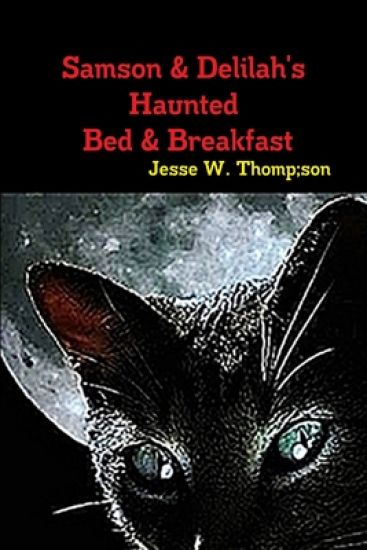
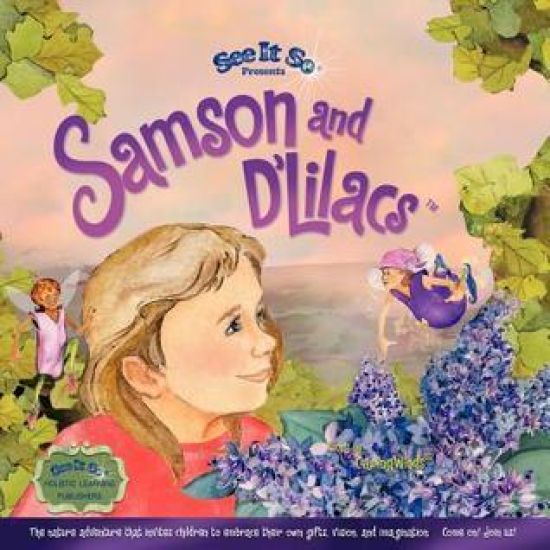
An escaped lunatic murders two prostitutes at Lovland Lodge. Delilah and Annabelle have inherited the raggedy old lodge, and business is dead. They don't have the money for repairs, much less for the balloon payment, soon due, to pay off their fat mortgage. They face foreclosure. The recession has cost Sam his job. His two fishing buddies, wounded in Iraq, try to convince him he should start a bed and breakfast. He says they're crazy. When the lodge becomes Samson and Delilah's Haunted Bed and Breakfast, its new name pulls in gobs of guests. The weird lights and noises at night give fun to everybody, believers and skeptics alike, even if they're not too sure of what's going on. They all pitch in to help solve the mystery. A more realistic problem smacks them: Annabelle's dirty rotten ex-husband, Percy. She has kicked him out and filed for divorce, but he keeps trying to steal the property. He kidnaps her and piles a $100,000 ransom on top of the $280,000 mortgage payment.
The 18th century was a wealth of knowledge, exploration and rapidly growing technology and expanding record-keeping made possible by advances in the printing press. In its determination to preserve the century of revolution, Gale initiated a revolution of its own: digitization of epic proportions to preserve these invaluable works in the largest archive of its kind. Now for the first time these high-quality digital copies of original 18th century manuscripts are available in print, making them highly accessible to libraries, undergraduate students, and independent scholars.Western literary study flows out of eighteenth-century works by Alexander Pope, Daniel Defoe, Henry Fielding, Frances Burney, Denis Diderot, Johann Gottfried Herder, Johann Wolfgang von Goethe, and others. Experience the birth of the modern novel, or compare the development of language using dictionaries and grammar discourses. ++++The below data was compiled from various identification fields in the bibliographic record of this title. This data is provided as an additional tool in helping to insure edition identification: ++++Harvard University LibrariesN021439Adapted from Milton's 'Samson Agonistes' by Newburgh Hamilton. The libretto only.London: printed for J. Barker, (No. 7, ) Little-Russell-Court, Drury-Lane, 1790?]. 20p.; 8
Samson as God’s Adulterous Wife reveals striking parallels between the depiction of Samson in the Book of Judges and the prophetic literature’s metaphorical representations of Israel as an adulterous woman. This book endeavors to understand why Judges dwells on Samson’s sexual and romantic relationships while the personal lives of the other six judges are not afforded the same narrative attention. M. Alroy Mascrenghe compares adulterous Samson with idolatrous Israel and argues that Samson’s life is marked by the same cycles of adultery, bondage, crying out, and deliverance that structure the Book of Judges as a whole. Mascrenghe continues to pursue the theme of God’s adulterous wife through a comparison of the Levite-concubine story of Judges 19 to that of Hosea and Gomer. Samson as God’s Adulterous Wife demonstrates the author’s own method for recognizing intertextual narrative allusions. Drawing from a wide variety of disciplines—including narratology, sociology, and theological hermeneutics—Samson as God’s Adulterous Wife offers a fresh perspective on the role of the Samson story within the broader intertextual thematic space of the Hebrew Bible.