Kirjojen hintavertailu. Mukana 11 244 527 kirjaa ja 12 kauppaa.

Kirjahaku

Etsi kirjoja tekijän nimen, kirjan nimen tai ISBN:n perusteella.

184 tulosta hakusanalla Slobodan Perovic

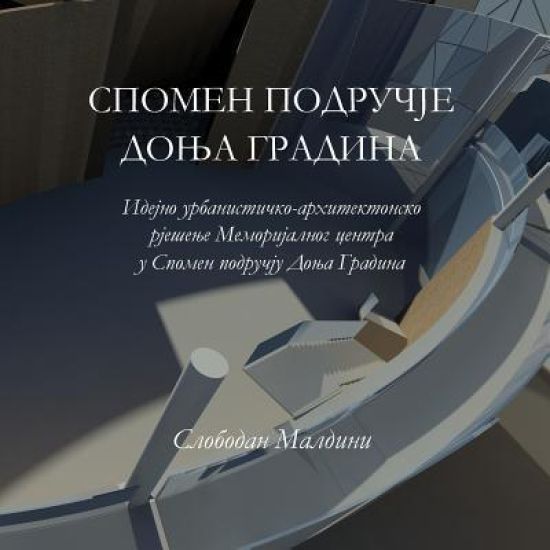
Spomen Podrucje Donja Gradina

Spomen Podrucje Donja Gradina

Slobodan Maldini

Createspace Independent Publishing Platform
2016
nidottu
KONCENTRACIONI LOGOR DONjA GRADINA Nedaleko od usca rijeke Une u rijeku Savu nalazi se Donja Gradina, naseljeno mjesto u opstini Kozarska Dubica. Preko Save granici se sa Republikom Hrvatskom. Na prostoru nedaleko od naselja nalazio se logor Donja Gradina, "Logor 8", u sastavu jasenovackog sistema ustaskih koncentracionih logora koji su osnovani u cilju masovnog istrebljenja Srba, Jevreja i Roma u Drugom svjetskom ratu od strane ustaskih vlasti u Nezavisnoj drzavi Hrvatskoj. Na podrucju 80 jasenovackih logora ubijeno je vise od 700.000 Srba, 80.000 Roma, 32.000 Jevreja i desetine hiljada antifasista raznih nacionalnosti. Mjesto gdje su vrsene najmasovnije likvidacije je Donja Gradina, osnovana avgusta 1941. godine, samo cetiri mjeseca nakon samoproklamacije NDH. Na tlu te nove drzave osnovani su i specijalizovani koncentracioni kampovi za djecu u kojima je ubijeno preko 33.000 malisana, sto nije postojalo ni u nacistickoj Njemackoj. U namjeri da se ocuva spomen na zrtve i strahote genocida koji se dogodio na podrucju logora sistema Jasenovac, Spomen-podrucje Donja Gradina mora preuzeti ulogu Memorijalnog centra Jasenovac koji se nalazi na teritoriji Republike Hrvatske. Pored sadrzaja muzeja, galerije i spomen objekata stradalim Srbima, Romima i Jevrejima, ovaj memorijalni kompleks ce svoja vrata otvoriti svima: ucenicima i drugim gradjanima ali i istrazivacima genocida u NDH, kojima ce pruzati saznanja o pravim razmjerama tragedije koja se dogodila na prostoru Jasenovca i Donje Gradine.
Severless Apps w/Node and Claudia.ja_p1

Severless Apps w/Node and Claudia.ja_p1

Slobodan Stojanovic; Aleksandar Simovic

Manning Publications
2019
nidottu
Description A new generation of serverless tools, including Claudia.js, make it radically easier to set up serverless web applications so users can focus on what their app does instead of meddling with infrastructure configuration and deployment. Serverless Apps with Node and Claudia.js walks readers through building serverless apps on AWS using JavaScript. They’ll learn to simplify the design and development process so they can focus on getting their application deployed as fast as possible without sacrificing quality. Key features · Create a serverless API using AWS Lambda and Claudia.js · Build a voice assistant with Amazon Alexa · Develop microservices with Node.js, AWS Lambda, S3, and more · Create a chatbot for multiple platforms Audience Written for beginner and intermediate web developers comfortable with JavaScript and Node.js. Some prior experience with AWS is required. About the technology Serverless computing services like AWS Lambda and API Gateway can be tedious to set up, aren't designed to work well with JavaScript and Node, and most of the quirks and gotchas aren't well documented. Claudia doesn't alter your project layout or abstract away the core AWS services; it just makes it easier to get started with them!
Lives In Transition

Lives In Transition

Slobodan Randjelovic

The New Press
2018
nidottu
In Lives in Transition, photographer Slobodan Randjelovic captures the struggles and successes of twenty LGBTQ people living throughout Serbia - a conservative, religious country where, despite semi-progressive LGBTQ protection laws, homophobia fueled by religious authorities and right-wing political parties remains deeply entrenched. Lives in Transition portrays remarkable and inspiring resilience in the human struggle against a repressive social environment and demonstrates how friendship and community can help people shape their own futures.
Guru

Guru

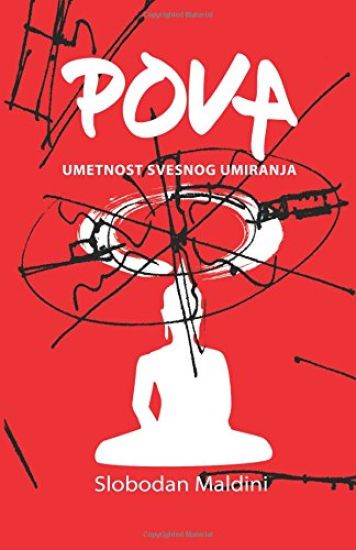
Slobodan Maldini

Independently Published
2019
nidottu
O KNJIZI: Autor u knjizi opisuje dvoje planinara, Malika i Silviju, u njihovom pohodu na Nuptse, visok i ekstremno opasan vrh Himalaja, ciji se masiv uzdize neposredno pored Mont Everesta. Tokom boravka na Nepalu i ekspedicije u sneznu oblast, Malik koji je tulku - reinkarnisani cuvar svetih tajni - prenosi mladoj Silviji 112 Sivinih sutra - vrhovno znanje pomocu kojeg posveceni jogini dostizu prosvetljenje. "Sivine sutre" su saivisticki tekstovi stari 5.000 godina, pisani u originalu na sanskritu, u kojima su opisani razgovori izmedju Gospoda Sive i njegove supruge Devi ili Sakti. Devi trazi od Sive da joj otkrije sustinu puta prema ostvarenju najvise stvarnosti. U odgovoru, Siva opisuje 112 puteva koji vode prema univerzalnom i transcendentalnom stanju svesti. Svaki njegov odgovor dat je u obliku sutre - kratke, kondenzovane duhovne transmisije. Ova ucenja o meditacijama i njihovim tehnikama ukljucuju mnostvo varijanti postizanja svesti na dahu, koncentracije na razlicite centre u telu, nedualnu svesnost, sveto pojanje, imaginaciju, vizualizaciju i kontemplaciju, kroz svako od cula. Vezbajuci sutre, u nama se otvaraju odgovori koji su vec kodirani u nasem bicu i postoje kao uspavani potencijal, budeci se u nama duboko usadjeno, davno prozivljeno i otelotvoreno iskustvo. Na vise od 600 strana, knjiga "Guru" sadrzi esenciju istocnjacke mudrosti koja nas vodi visedimenzionalnim putevima prema prosvetljenju.AUTOR O KNJIZIOva knjiga je nastala kao posledica oslobodjenja moje svesti od tereta koji su je pratili u sredini u kojoj zivim, opterecenoj bespotrebnim raspravama sa ljudima iz neposredne okoline, zahtevima koje pred mene postavljaju drugi, nemogucnosti da radim ono sto zelim pa cak i da budem placen za ono sto radim. Takva, opsta teska situacija decenijama se talozila u meni i ja sam samo cekao trenutak kada cu da puknem, da eksplodiram. To je moglo da se desi na razlicite, neocekivane nacine, posebno buduci da sam trpeljiv, neopterecujuci za svoju okolinu, cak prekomerno tolerantan do te mere da cu svako neslaganje sa drugima preneti direktno na sebe, pre nego sto ga ispoljim javno.*** Dok sam bio mlad, nesklad mog nepokornog duha sa sredinom u kojoj zivim donosio mi je stalnu napetost, tenziju, iz koje sam mogao da izadjem jedino ako bih sebe fizicki unistio ili ucinio nesto radikalno, tesko. Tokom niza godina, izlaz iz ovakvog stanja pronalazio sam u pisanju. Jednostavno, sedao bih za racunar i iz mene su izlazile reci, recenice, poglavlja, knjige. Moje knjige nisam prodavao, nisam ih ni poklanjao. Jednostavno, ukoliko bi neko zeleo da ih procita, poslao bih mu digitalni zapis knjige. Nisam ni od koga ocekivao da razume bilo sta od onog o cemu sam pisao. Jednostavno, pisao sam, zato sto to moram. I, kada ne bih pisao, verovatno bih poludeo, ili bih se ubio. Umesto tragicnog kraja svog zivota, odlucio sam se da unutrasnji naboj, tenziju koju sam nosio u sebi, ispustim kroz ventil koji se naziva pisanje. I to me je spasilo, na kratak rok. CITATI IZ KNJIGE: "Postoje posebni trenuci u nasim zivotima kada se priblizavamo onome sto je nedokucivo i coveku nedohvatljivo. U tim specijalnim momentima, saznajemo lepotu sveta u kojem postojimo i dubinu spoznaje o njemu. Ponekad takve trenutke mozemo da dozivimo kada se nalazimo u kakvom hramu, usred neke duhovne ili religiozne ceremonije, ali i na posebnim mestima, kao sto je vrh planine." - str. 352"U tim momentima, covek se oseca bez tereta, bez napetosti... KAO MALA KAP ROSE KOJA JE SLUCAJNO, BEZNADEZNO PALA U OKEAN." - str. 354"U svetu koji je samo pojava, mi smo prevareni od strane nasih cula, tako da to osecamo kao stvarnost. Ako mozes da gledas kroz svoja cula i budes budna, svet će ti se pojaviti kao iluzoran, poput snova, i moći ćes da prodres do sustine - do same sustine. Ta supstanca je BRAHMAN." - str. 307
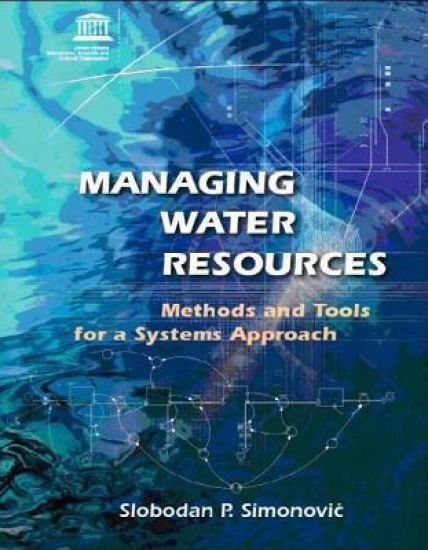
Managing Water Resources

Managing Water Resources

Slobodan P. Simonovic

Earthscan Ltd
2008
sidottu
'This book bridges disciplines, previously confined to specialist journal publications, by providing a comprehensive overview of the systems analysis application to water resources. It is ideal for Masters-level courses in Water Resources Engineering where modern management techniques of optimization and modelling are highly important in the strategic management of a vital resource.' - Derek Clarke, University of Southampton, UK 'The great novelty of this book is that it presents in detail how fuzzy-set theory can be used in water resource system management. The author was one of the pioneers who opened up this new field and is considered to be one of the greatest experts in it.' - Rodolfo Soncini Sessa, Politecnico di Milano, Italy Water resources management is increasingly interdisciplinary and must take into account complex socioeconomic factors and environmental variables. This book describes the 'systems approach' and its application to contemporary water resources management, focusing on three main sets of tools: simulation, optimization and multi-objective analysis. This approach is presented within the context of sustainable planning and development under conditions of uncertainty. Managing Water Resources: Methods and Tools for a Systems Approach introduces system dynamic simulation as a tool for integrated modelling and contains coverage of the use of fuzzy sets for incorporating objective and subjective uncertainties. The book combines theory with many practical examples, as well as including programs and exercises on downloadable resources. It comprises both an advanced text for students of water resources and civil or environmental engineering and a practical guide for professionals. Published jointly with UNESCO and International Hydrological Programme
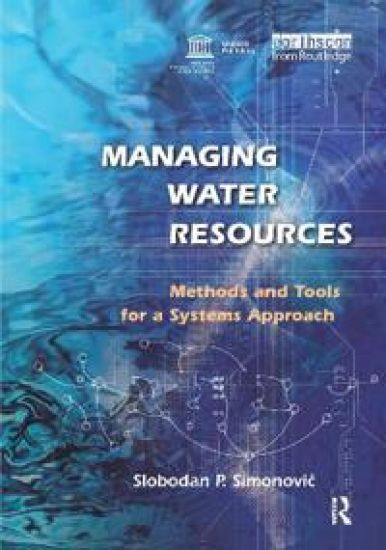
Managing Water Resources

Managing Water Resources

Slobodan P. Simonovic

Earthscan Ltd
2008
nidottu
'This book bridges disciplines, previously confined to specialist journal publications, by providing a comprehensive overview of the systems analysis application to water resources. It is ideal for Masters-level courses in Water Resources Engineering where modern management techniques of optimization and modelling are highly important in the strategic management of a vital resource.' - Derek Clarke, University of Southampton, UK 'The great novelty of this book is that it presents in detail how fuzzy-set theory can be used in water resource system management. The author was one of the pioneers who opened up this new field and is considered to be one of the greatest experts in it.' - Rodolfo Soncini Sessa, Politecnico di Milano, Italy Water resources management is increasingly interdisciplinary and must take into account complex socioeconomic factors and environmental variables. This book describes the 'systems approach' and its application to contemporary water resources management, focusing on three main sets of tools: simulation, optimization and multi-objective analysis. This approach is presented within the context of sustainable planning and development under conditions of uncertainty. Managing Water Resources: Methods and Tools for a Systems Approach introduces system dynamic simulation as a tool for integrated modelling and contains coverage of the use of fuzzy sets for incorporating objective and subjective uncertainties. The book combines theory with many practical examples, as well as including programs and exercises on downloadable resources. It comprises both an advanced text for students of water resources and civil or environmental engineering and a practical guide for professionals. Published jointly with UNESCO and International Hydrological Programme
Fathers and Forefathers

Fathers and Forefathers

Slobodan Selenic

The Harvill Press
2010
nidottu
A touching story of cultural difference and tested loyalties. Set in Belgrade before WWII, Fathers and Forefathers tells the story of the marriage between a Steven, a Serb, and Elizabeth, an Englishwoman. After meeting at an English university they marry and leave England to build their life together. Steven's narrative and Elizabeth's letters home reveal two very different personal accounts of the difficulties this involves. Raised in Serbia their son, Mihajlo, is ashamed of his mixed parentage and rebels against his non-Serbian ancestry. On the eve of the war, Steven's loyalties are challenged when his counsel is sought by both the Serbian king and the opposition. He resolves to keep his distance from the conflict, but Mihajlo's more radical response forces him to become involved, and tragedy engulfs the family.
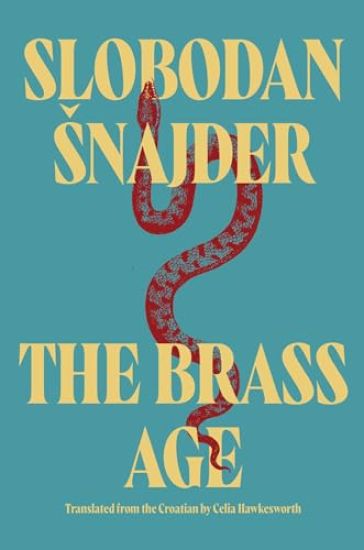
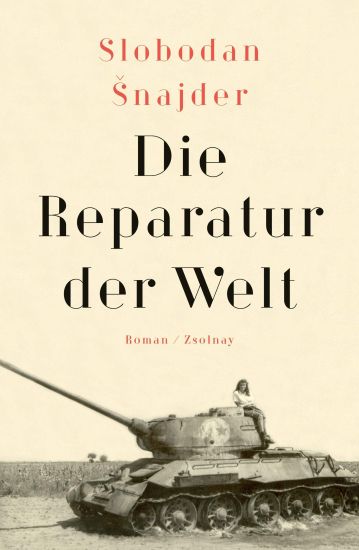
The Brass Age

The Brass Age

Slobodan Šnajder

HEADLINE PUBLISHING GROUP
2024
sidottu
'Like Olga Tokarczuk, Šnajder has written a novel about a Europe that has lost its diversity and has beendestroyed by fascism, communism and, in recent times, nationalism ... a modern epic' Le Monde'A masterpiece' La RepubblicaThe very next day processions of young men, some still children, began to move around the little town of Nuštar, with drums providing a steady rhythm ... These young men came from German families, Germans living outside the Reich, Volksdeutsche. Some stayed in their houses, some were shut up in the storeroom by their mothers, but as time went on more and more of them followed the drumming ...1769. A hungry year in Germany. Kempf the ancestor departs his homeland with his compatriots in search of a brighter future. Years pass and generations of Germans make Slavonia their home. But in 1940, when Europe is at war once more, this minority, the Volksdeutsch, are called to fight for the Reich, for a land now foreign to them.Among their ranks is Georg Kempf, the narrator's father. Forcibly conscripted into the Waffen SS, he deserts, aware of the danger that this involves. At the end of the war, he falls in love with a committed partisan called Vera despite the unimaginable: if they had met earlier, each one would have had to kill the other.The Brass Age, Slobodan Šnajder's masterpiece, is both a family saga and a powerful historical novel about the destiny of those shackled by history, and the generations doomed to inherit the contradictory fates of their forebears. Šnajder looks to his own biography to capture two hundred years of conflict and dividing ideology. In the process, he reconstructs a world that fell apart.
Thorned Towns: Global installation

Thorned Towns: Global installation

Slobodan Maldini

Createspace Independent Publishing Platform
2017
nidottu
Slobodan Maldini: Global anti-urban installation Thorned Towns The historic urban cores of world capital towns are "stabbed" by a multitude of sculptural-architectural artefacts built in the shape of giant spikes. The idea is to globally "grow" thousand mandrels within the built historic urban towns, as a metaphor for "the defense of Mother Earth from urbanization." Global anti-urban installation "Thorned Towns" includes several world-famous cities: Vatican, Venice, Amsterdam, Antwerpen, Barcelona, Vienna, Brussels, Edinburgh, Cologne, Copenhagen, Lisbon, Milan, Mont Saint-Michel, Paris, Prague, Berlin, Los Angeles, Manhattan, Shanghai, Buddhist temple Byodo-in in Uji, Kyoto Prefecture, Japan.
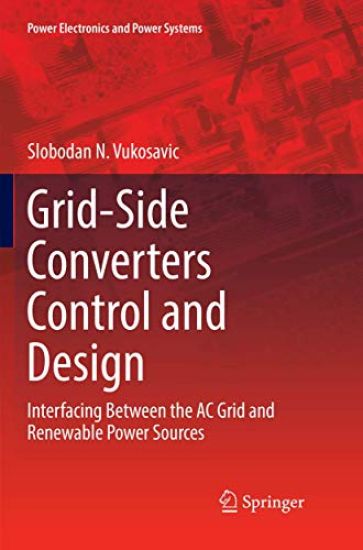
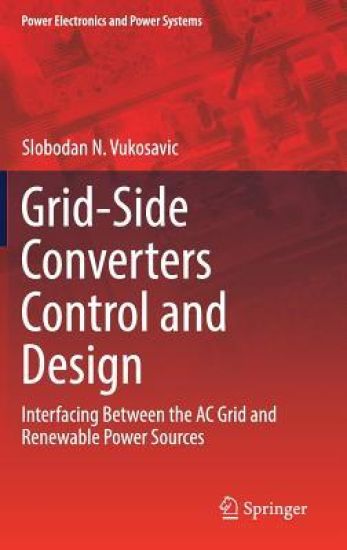
Grid-Side Converters Control and Design

Grid-Side Converters Control and Design

Slobodan N. Vukosavic

Springer Nature Switzerland AG
2018
nidottu
This textbook is intended for engineering students taking courses in power electronics, renewable energy sources, smart grids or static power converters. It is also appropriate for students preparing a capstone project where they need to understand, model, supply, control and specify the grid side power converters. The main goal of the book is developing in students the skills that are required to design, control and use static power converters that serve as an interface between the ac grid and renewable power sources. The same skills can be used to design, control and use the static power converters used within the micro-grids and nano-grids, as the converters that provide the interface between such grids and the external grid. The author’s approach starts with basic functionality and the role of grid connected power converters in their typical applications, and their static and dynamic characteristics. Particular effort is dedicated to developing simple, concise, intuitive and easy-to-use mathematical models that summarize the essence of the grid side converter dynamics. Mathematics is reduced to a necessary minimum, solved examples are used extensively to introduce new concepts, and exercises are used to test mastery of new skills.
Grid-Side Converters Control and Design

Grid-Side Converters Control and Design

Slobodan N. Vukosavic

Springer International Publishing AG
2018
sidottu
This textbook is intended for engineering students taking courses in power electronics, renewable energy sources, smart grids or static power converters. It is also appropriate for students preparing a capstone project where they need to understand, model, supply, control and specify the grid side power converters. The main goal of the book is developing in students the skills that are required to design, control and use static power converters that serve as an interface between the ac grid and renewable power sources. The same skills can be used to design, control and use the static power converters used within the micro-grids and nano-grids, as the converters that provide the interface between such grids and the external grid. The author’s approach starts with basic functionality and the role of grid connected power converters in their typical applications, and their static and dynamic characteristics. Particular effort is dedicated to developing simple, concise, intuitive and easy-to-use mathematical models that summarize the essence of the grid side converter dynamics. Mathematics is reduced to a necessary minimum, solved examples are used extensively to introduce new concepts, and exercises are used to test mastery of new skills.
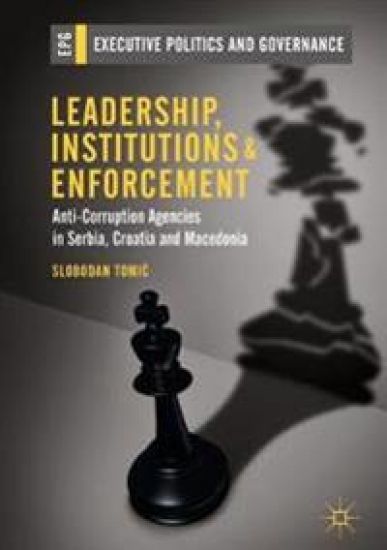
Leadership, Institutions and Enforcement

Leadership, Institutions and Enforcement

Slobodan Tomic

Springer International Publishing AG
2019
sidottu
This book presents an analysis of five anticorruption agencies (ACAs) from Serbia, Macedonia and Croatia, exploring the impact of organisational factors and leadership on their enforcement patterns during the first decade of the transitional reforms (2001-2012). Contrary to the conventional theory of agency insulation, the analysis reveals that the ACAs’ de facto autonomy was not crucially shaped by their statutory independence, but rather by the reputational management of their leaders. The book draws on a mixture of qualitative and quantitative analysis to document these reputational strategies and how they shaped the ACAs’ de facto autonomy. The findings also suggest that that the ACAs’ organisational model – defined by the delegated mandate and powers (preventative vs suppressive) – represented a key variable that mediated under which conditions high de facto autonomy can be achieved. The book offers contributions to the study of anticorruption policy and ethics regulation, as well as the wider inquiry into drivers of agency independence, particularly in transitional contexts.