This book is about Black women's search for relationships and encounters that support healing from intimate and cultural violence. Narratives provide an ethnographic snapshot of this violence, while raising concerns over whether or not existing paradigms for pastoral care and counseling are congruent with how many Black women approach healing.
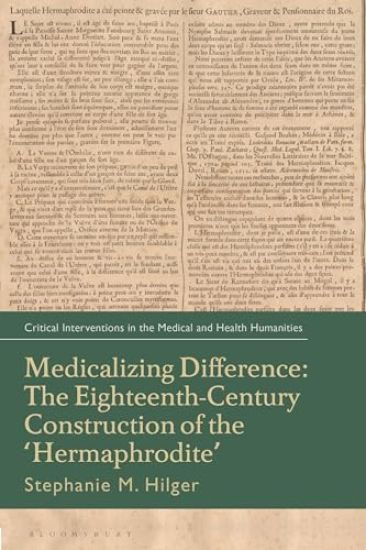
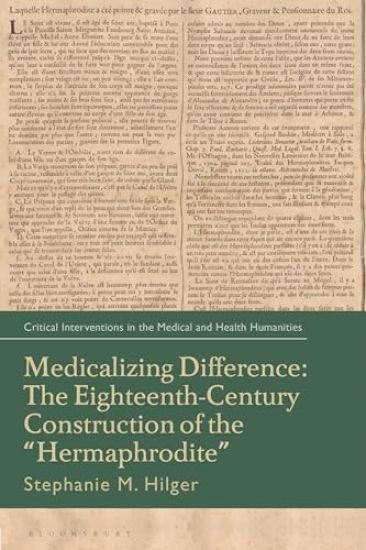
Exploring 18th-century medicine’s construction of individuals with non-standard sexual anatomy as “hermaphrodites”, this book focuses on the genre of the case history from three different languages and national contexts—British, French, and German. Medicalizing Difference examines case studies written about Anne Grandjean, Michel Anne Drouart, Maria Dorothea Derrier, and an unnamed “Angolan hermaphrodite.” Multiple case studies were published about each of these individuals and are discussed throughout the book's four chapters, each of which focuses on one momentous epistemological shift in the eighteenth-century: an increasing focus on empiricism and the related professionalization of medicine, the expanding market for popular scientific literature, changing notions about generation and reproduction, and the exploration of foreign territories.This book reads these case histories against the grain and historicizes 18th-century medicine’s construction of the category of the “hermaphrodite”, demonstrating that, rather than describing a fact, these histories created their subject of study
They say, "It is better to have loved and lost than to never have loved at all" but is it really? Girlfriends create bonds thicker than blood and Angela, Cynthia, Kelly, and Tara are no different. But the pressure of love - or lack thereof - can be too much. Angela's life is perfect, at least to the outside world, but behind closed doors secrets are tearing her perfect world apart. Cynthia wants love, but her history with dating says it's not in the cards. Until she meets a man that shows her what love is supposed to be...maybe. Kelly's recent decisions has forced her beau into celibacy. Tara wants love, but her man doesn't show it so she's taken aback when he suddenly wants a shotgun wedding. With a sisterly bond these girlfriends help each other learn true love of self. Having that foundation is the key to having the relationships they all desire. It is the roadmap to their everlasting ending.
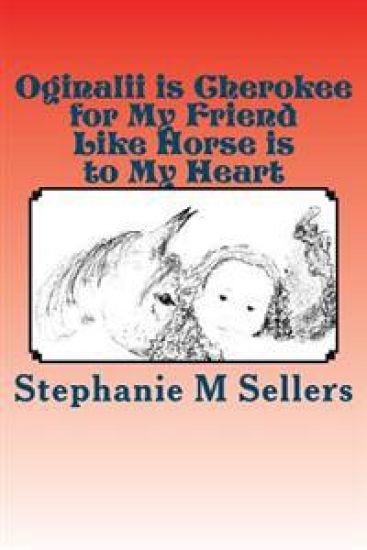
OGINALII is a Young Adult Short Story that pulls in your heart as you leave the asphalt for dusty rural roads and smelly farm land.Exilee Sheffield is a tomboy who recently lost her mother and deals with loneliness and grieving in a most unique manner. Anyone want to watch a pony-show with a cat on the back, featuring a three-legged buffalo, all led by a hyper terrier?Exilee doesn't. She wants to do it And she will. Exilee wants to do anything except learn piano and as Auntie Bell says, "Learn some manners."Until Exilee learns Auntie Bell just might be her new best friend, if she'll let her.
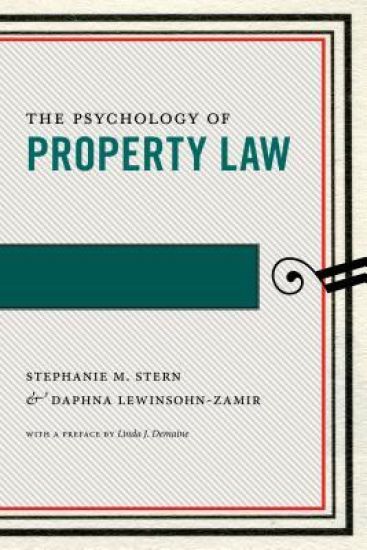
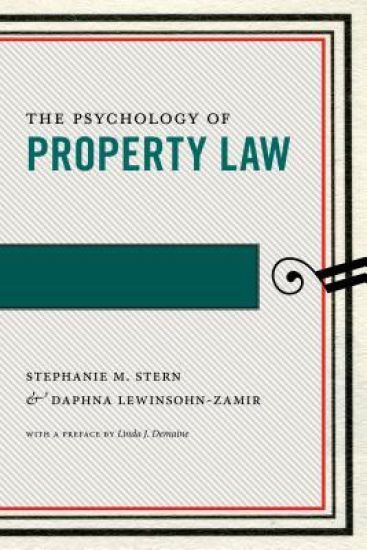
Considers how research in psychology offers new perspectives on property law, and suggests avenues of reform Property law governs the acquisition, use and transfer of resources. It resolves competing claims to property, provides legal rules for transactions, affords protection to property from interference by the state, and determines remedies for injury to property rights. In seeking to accomplish these goals, the law of property is concerned with human cognition and behavior. How do we allocate property, both initially and over time, and what factors determine the perceived fairness of those distributions? What social and psychological forces underlie determinations that certain uses of property are reasonable? What remedies do property owners prefer? The Psychology of Property Law explains how assumptions about human judgement, decision-making and behavior have shaped different property rules and examines to what extent these assumptions are supported by the research. Employing key findings from psychology, the book considers whether property law's goals could be achieved more successfully with different rules. In addition, the book highlights property laws and conflicts that offer productive areas for further behaviorally-informed research. The book critically addresses several topics from property law for which psychology has a great deal to contribute. These include ownership and possession, legal protections for residential and personal property, takings of property by the state, redistribution through property law, real estate transactions, discrimination in housing and land use, and remedies for injury to property.
Considers how research in psychology offers new perspectives on property law, and suggests avenues of reform Property law governs the acquisition, use and transfer of resources. It resolves competing claims to property, provides legal rules for transactions, affords protection to property from interference by the state, and determines remedies for injury to property rights. In seeking to accomplish these goals, the law of property is concerned with human cognition and behavior. How do we allocate property, both initially and over time, and what factors determine the perceived fairness of those distributions? What social and psychological forces underlie determinations that certain uses of property are reasonable? What remedies do property owners prefer? The Psychology of Property Law explains how assumptions about human judgement, decision-making and behavior have shaped different property rules and examines to what extent these assumptions are supported by the research. Employing key findings from psychology, the book considers whether property law's goals could be achieved more successfully with different rules. In addition, the book highlights property laws and conflicts that offer productive areas for further behaviorally-informed research. The book critically addresses several topics from property law for which psychology has a great deal to contribute. These include ownership and possession, legal protections for residential and personal property, takings of property by the state, redistribution through property law, real estate transactions, discrimination in housing and land use, and remedies for injury to property.
This teaching guide is a dynamic, easy-to-follow, chronological set of lessons and activities with everything you need to instruct your students in the best practice methods of beginning ESL/EFL speaking and listening skills. You'll be able to maximize your time with your students instead of spending hours and hours planning and researching your lessons. Just review this guide before your lesson each day, prepare using the materials it provides, and TEACH With this publication you will receive: a recommendations guide for ESL/EFL best practices, 20 ESL/EFL lesson plans with both new and repeating activities organized into four weeklong units, templates for vocabulary activities and grammar structures, dialogues that students can present, games, songs/chants, and short stories with comprehension questions. In addition, this guide comes with a diagnostic test that will take care of your assessment needs. It is an individually administered test that places the student into one of three ESL/EFL levels based on his or her responses; it also comes with a scoring key and guide. Since language learning requires repetition and consistency in order to master concepts, you'll find both new and repeating activities in each lesson plan of this guide. Appropriate for ages 8 to adult.