

Kirjahaku
Etsi kirjoja tekijän nimen, kirjan nimen tai ISBN:n perusteella.
1000 tulosta hakusanalla Stephanie M. Turner







Quitting Smoking: God's Way!!
Stephanie M. Grey
Createspace Independent Publishing Platform
2011
nidottu

It Started with a Blog: A 30 Day Devotional
Stephanie M. Page
Createspace Independent Publishing Platform
2015
nidottu

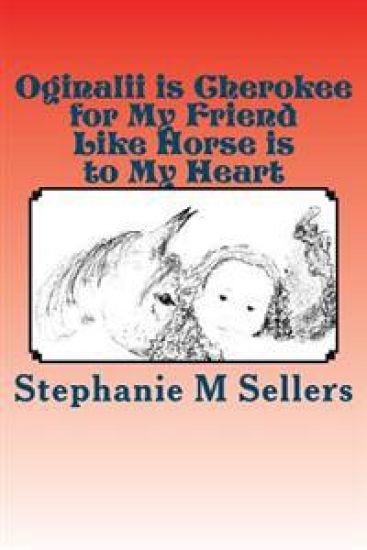
Oginalii is Cherokee for My Friend Like Horse is to My Heart
Stephanie M. Sellers
Createspace Independent Publishing Platform
2011
nidottu
OGINALII is a Young Adult Short Story that pulls in your heart as you leave the asphalt for dusty rural roads and smelly farm land.Exilee Sheffield is a tomboy who recently lost her mother and deals with loneliness and grieving in a most unique manner. Anyone want to watch a pony-show with a cat on the back, featuring a three-legged buffalo, all led by a hyper terrier?Exilee doesn't. She wants to do it And she will. Exilee wants to do anything except learn piano and as Auntie Bell says, "Learn some manners."Until Exilee learns Auntie Bell just might be her new best friend, if she'll let her.



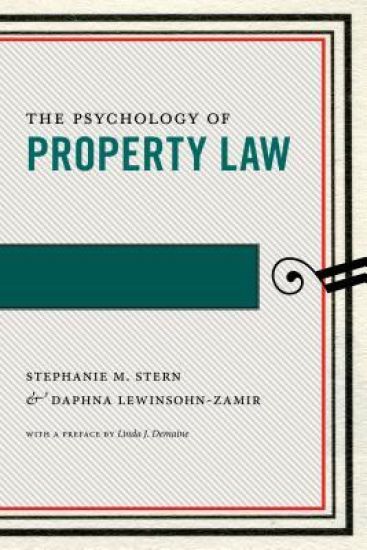
The Psychology of Property Law
Stephanie M. Stern; Daphna Lewinsohn-Zamir
New York University Press
2020
sidottu
Considers how research in psychology offers new perspectives on property law, and suggests avenues of reform Property law governs the acquisition, use and transfer of resources. It resolves competing claims to property, provides legal rules for transactions, affords protection to property from interference by the state, and determines remedies for injury to property rights. In seeking to accomplish these goals, the law of property is concerned with human cognition and behavior. How do we allocate property, both initially and over time, and what factors determine the perceived fairness of those distributions? What social and psychological forces underlie determinations that certain uses of property are reasonable? What remedies do property owners prefer? The Psychology of Property Law explains how assumptions about human judgement, decision-making and behavior have shaped different property rules and examines to what extent these assumptions are supported by the research. Employing key findings from psychology, the book considers whether property law's goals could be achieved more successfully with different rules. In addition, the book highlights property laws and conflicts that offer productive areas for further behaviorally-informed research. The book critically addresses several topics from property law for which psychology has a great deal to contribute. These include ownership and possession, legal protections for residential and personal property, takings of property by the state, redistribution through property law, real estate transactions, discrimination in housing and land use, and remedies for injury to property.
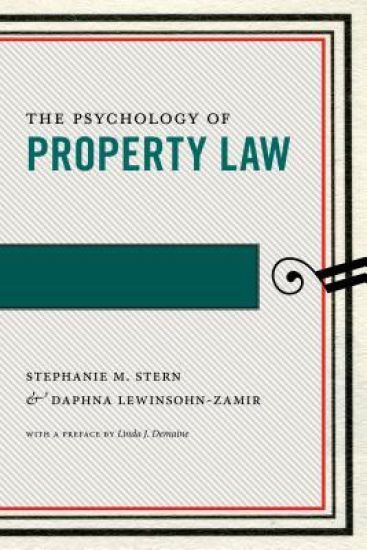
The Psychology of Property Law
Stephanie M. Stern; Daphna Lewinsohn-Zamir
New York University Press
2020
pokkari
Considers how research in psychology offers new perspectives on property law, and suggests avenues of reform Property law governs the acquisition, use and transfer of resources. It resolves competing claims to property, provides legal rules for transactions, affords protection to property from interference by the state, and determines remedies for injury to property rights. In seeking to accomplish these goals, the law of property is concerned with human cognition and behavior. How do we allocate property, both initially and over time, and what factors determine the perceived fairness of those distributions? What social and psychological forces underlie determinations that certain uses of property are reasonable? What remedies do property owners prefer? The Psychology of Property Law explains how assumptions about human judgement, decision-making and behavior have shaped different property rules and examines to what extent these assumptions are supported by the research. Employing key findings from psychology, the book considers whether property law's goals could be achieved more successfully with different rules. In addition, the book highlights property laws and conflicts that offer productive areas for further behaviorally-informed research. The book critically addresses several topics from property law for which psychology has a great deal to contribute. These include ownership and possession, legal protections for residential and personal property, takings of property by the state, redistribution through property law, real estate transactions, discrimination in housing and land use, and remedies for injury to property.