Kirjojen hintavertailu. Mukana 12 409 426 kirjaa ja 12 kauppaa.

Kirjahaku

Etsi kirjoja tekijän nimen, kirjan nimen tai ISBN:n perusteella.

1000 tulosta hakusanalla Tripp Davis

After Steve

After Steve

Tripp Mickle

HARPERCOLLINS PUBLISHERS
2022
nidottu
From the Wall Street Journal's Tripp Mickle, the dramatic, untold story inside Apple after the passing of Steve Jobs by following his top lieutenants-Jony Ive, the Chief Design Officer, and Tim Cook, the COO-turned-CEO-and how the fading of the former and the rise of the latter led to Apple losing its soul. Steve Jobs called Jony Ive his "spiritual partner at Apple." The London-born genius was the second-most powerful person at Apple and the creative force who most embodies Jobs's spirit, the man who designed the products adopted by hundreds of millions the world over: the iPod, iPad, MacBook Air, the iMac G3, and the iPhone. In the wake of his close collaborator's death, the chief designer wrestled with grief and initially threw himself into his work designing the new Apple headquarters and the Watch before losing his motivation in a company increasingly devoted more to margins than to inspiration.In many ways, Cook was Ive's opposite. The product of a small Alabama town, he had risen through the ranks from the supply side of the company. His gift was not the creation of new products. Instead, he had invented countless ways to maximize a margin, squeezing some suppliers, persuading others to build factories the size of cities to churn out more units. He considered inventory evil. He knew how to make subordinates sweat with withering questions.Jobs selected Cook as his successor, and Cook oversaw a period of tremendous revenue growth that has lifted Apple's valuation to $3 trillion. He built a commanding business in China and rapidly distinguished himself as a master politician who could forge global alliances and send the world's stock market into freefall with a single sentence.Author Tripp Mickle spoke with more than 200 current and former Apple executives, as well as figures key to this period of Apple's history, including Trump administration officials and fashion luminaries such as Anna Wintour while writing After Steve. His research shows the company's success came at a cost. Apple lost its innovative spirit and has not designed a new category of device in years. Ive's departure in 2019 marked a culmination in Apple's shift from a company of innovation to one of operational excellence, and the price is a company that has lost its soul.
After Steve

After Steve

Tripp Mickle

HARPERCOLLINS PUBLISHERS
2023
nidottu
From the Wall Street Journal’s Tripp Mickle, the dramatic, untold story inside Apple after the passing of Steve Jobs by following his top lieutenants—Jony Ive, the Chief Design Officer, and Tim Cook, the COO-turned-CEO—and how the fading of the former and the rise of the latter led to Apple losing its soul. Steve Jobs called Jony Ive his “spiritual partner at Apple.” The London-born genius was the second-most powerful person at Apple and the creative force who most embodies Jobs’s spirit, the man who designed the products adopted by hundreds of millions the world over: the iPod, iPad, MacBook Air, the iMac G3, and the iPhone. In the wake of his close collaborator’s death, the chief designer wrestled with grief and initially threw himself into his work designing the new Apple headquarters and the Watch before losing his motivation in a company increasingly devoted more to margins than to inspiration. In many ways, Cook was Ive’s opposite. The product of a small Alabama town, he had risen through the ranks from the supply side of the company. His gift was not the creation of new products. Instead, he had invented countless ways to maximize a margin, squeezing some suppliers, persuading others to build factories the size of cities to churn out more units. He considered inventory evil. He knew how to make subordinates sweat with withering questions. Jobs selected Cook as his successor, and Cook oversaw a period of tremendous revenue growth that has lifted Apple’s valuation to $3 trillion. He built a commanding business in China and rapidly distinguished himself as a master politician who could forge global alliances and send the world’s stock market into freefall with a single sentence. Author Tripp Mickle spoke with more than 200 current and former Apple executives, as well as figures key to this period of Apple’s history, including Trump administration officials and fashion luminaries such as Anna Wintour while writing After Steve. His research shows the company’s success came at a cost. Apple lost its innovative spirit and has not designed a new category of device in years. Ive’s departure in 2019 marked a culmination in Apple’s shift from a company of innovation to one of operational excellence, and the price is a company that has lost its soul.

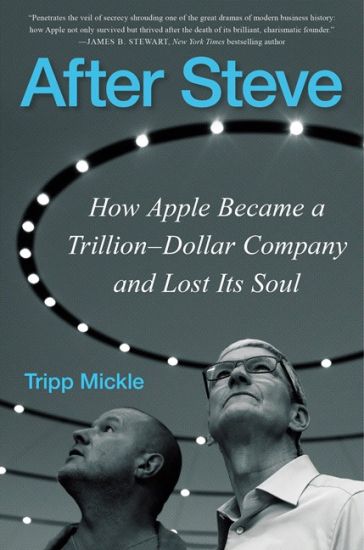
After Steve: How Apple Became a Trillion-Dollar Company and Lost Its Soul
From the New York Times' Tripp Mickle, the dramatic, untold story inside Apple after the passing of Steve Jobs by following his top lieutenants--Jony Ive, the Chief Design Officer, and Tim Cook, the COO-turned-CEO--and how the fading of the former and the rise of the latter led to Apple losing its soul.Steve Jobs called Jony Ive his "spiritual partner at Apple." The London-born genius was the second-most powerful person at Apple and the creative force who most embodies Jobs's spirit, the man who designed the products adopted by hundreds of millions the world over: the iPod, iPad, MacBook Air, the iMac G3, and the iPhone. In the wake of his close collaborator's death, the chief designer wrestled with grief and initially threw himself into his work designing the new Apple headquarters and the Watch before losing his motivation in a company increasingly devoted more to margins than to inspiration.In many ways, Cook was Ive's opposite. The product of a small Alabama town, he had risen through the ranks from the supply side of the company. His gift was not the creation of new products. Instead, he had invented countless ways to maximize a margin, squeezing some suppliers, persuading others to build factories the size of cities to churn out more units. He considered inventory evil. He knew how to make subordinates sweat with withering questions.Jobs selected Cook as his successor, and Cook oversaw a period of tremendous revenue growth that has lifted Apple's valuation to $2 trillion. He built a commanding business in China and rapidly distinguished himself as a master politician who could forge global alliances and send the world's stock market into freefall with a single sentence.Author Tripp Mickle spoke with more than 200 current and former Apple executives, as well as figures key to this period of Apple's history, including Trump administration officials and fashion luminaries such as Anna Wintour while writing After Steve. His research shows the company's success came at a cost. Apple lost its innovative spirit and has not designed a new category of device in years. Ive's departure in 2019 marked a culmination in Apple's shift from a company of innovation to one of operational excellence, and the price is a company that has lost its soul.

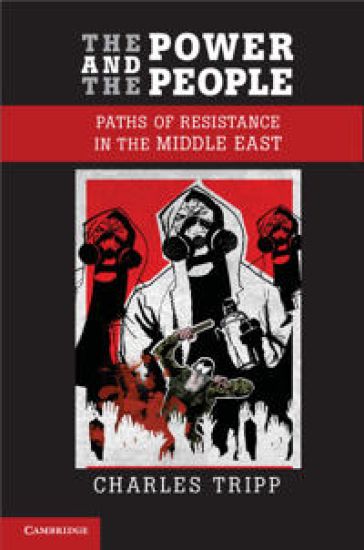
The Power and the People

The Power and the People

Tripp Charles

Cambridge University Press
2013
pokkari
This book is about power. The power wielded over others – by absolute monarchs, tyrannical totalitarian regimes and military occupiers – and the power of the people who resist and deny their rulers' claims to that authority by whatever means. The extraordinary events in the Middle East in 2011 offered a vivid example of how non-violent demonstration can topple seemingly invincible rulers. This book considers the ways in which the people have united to unseat their oppressors and fight against the status quo and probes the relationship between power and forms of resistance. It also examines how common experiences of violence and repression create new collective identities. This brilliant, yet unsettling book affords a panoramic view of the twentieth and twenty-first century Middle East through occupation, oppression and political resistance.
A History of Iraq

A History of Iraq

Tripp Charles

Cambridge University Press
2007
pokkari
To understand Iraq, Charles Tripp's history is the book to read. Since its first appearance in 2000, it has become a classic in the field of Middle East studies, read and admired by students, soldiers, policymakers and journalists. The book is now updated to include the recent American invasion, the fall and capture of Saddam Hussein and the subsequent descent into civil strife. What is clear is that much that has happened since 2003 was foreshadowed in the account found in this book. Tripp's thesis is that the history of Iraq throughout the twentieth-century has made it what it is today, but also provides alternative futures. Unless this is properly understood, many of the themes explored in this book - patron-client relations, organized violence, sectarian, ethnic and tribal difference - will continue to exert a hold over the future of Iraq as they did over its past.
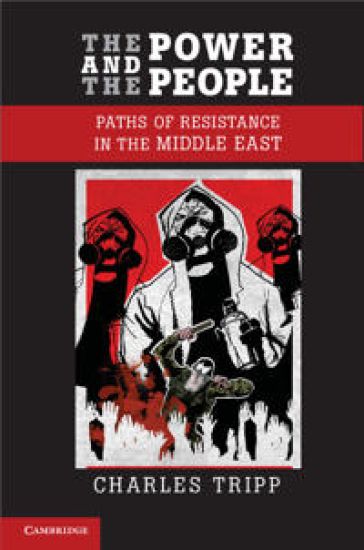
The Power and the People

The Power and the People

Tripp Charles

Cambridge University Press
2013
sidottu
This book is about power. The power wielded over others – by absolute monarchs, tyrannical totalitarian regimes and military occupiers – and the power of the people who resist and deny their rulers' claims to that authority by whatever means. The extraordinary events in the Middle East in 2011 offered a vivid example of how non-violent demonstration can topple seemingly invincible rulers. This book considers the ways in which the people have united to unseat their oppressors and fight against the status quo and probes the relationship between power and forms of resistance. It also examines how common experiences of violence and repression create new collective identities. This brilliant, yet unsettling book affords a panoramic view of the twentieth and twenty-first century Middle East through occupation, oppression and political resistance.
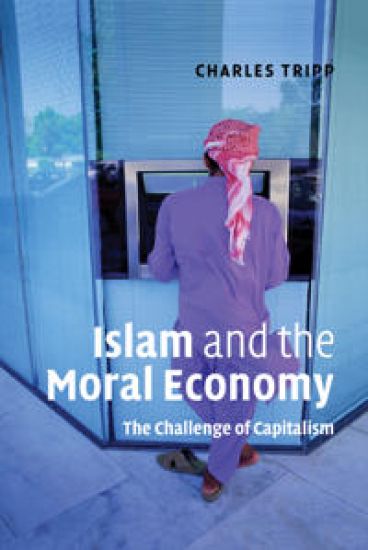
Islam and the Moral Economy

Islam and the Moral Economy

Tripp Charles

Cambridge University Press
2006
sidottu
How do modern Muslims adapt their traditions to engage with today's world? Charles Tripp's erudite and incisive book considers one of the most significant challenges faced by Muslims over the last sixty years: the challenge of capitalism. By reference to the works of noted Muslim scholars, the author shows how, faced by this challenge, these intellectuals devised a range of strategies which have enabled Muslims to remain true to their faith, whilst engaging effectively with a world not of their own making. The work is framed around the development of their ideas on Islamic socialism, economics and the rationale for Islamic banking. While some Muslims have resorted to confrontation or insularity to cope with the challenges of modernity, most have aspired to innovation and ingenuity in the search for compromise and interaction with global capitalism in the twenty-first century.
A History of Iraq

A History of Iraq

Tripp Charles

Cambridge University Press
2007
sidottu
To understand Iraq, Charles Tripp's history is the book to read. Since its first appearance in 2000, it has become a classic in the field of Middle East studies, read and admired by students, soldiers, policymakers and journalists. The book is now updated to include the recent American invasion, the fall and capture of Saddam Hussein and the subsequent descent into civil strife. What is clear is that much that has happened since 2003 was foreshadowed in the account found in this book. Tripp's thesis is that the history of Iraq throughout the twentieth-century has made it what it is today, but also provides alternative futures. Unless this is properly understood, many of the themes explored in this book - patron-client relations, organized violence, sectarian, ethnic and tribal difference - will continue to exert a hold over the future of Iraq as they did over its past.
Puma Travel: the Actor, the Diva, & the Minotaur
In an attempt to interpret a recurring dream, a Hollywood actor books himself on an exotic tour to South America. 20 years after the TV show that pushed him into childhood stardom, Leon begins to feel his career plummeting when his summer blockbuster tanks at the box office. With nothing to lose, he decides to leave for six months in search of an answer to his persistent dream that is beginning to generate migraines. He books a luxury tour with Puma Travel, a company that caters to wealthy clients, including Adrik the minotaur & Hope, international pop diva. Adrik's discovery prompted his human father to push for more acceptance from the world, though he distances himself from humanity. Hope appears happy in her blossoming career except amidst the public eye. When her past catches up with her, she becomes desperate to escape it, forcing Adrik to rethink his heritage. Leon battles his ego to reconnect with Hope & as his migraines worsen, he decides to rid himself of the dream forever.
The Homebrewed Christianity Guide to Jesus

The Homebrewed Christianity Guide to Jesus

Tripp Fuller

Fortress Press,U.S.
2015
pokkari
Christology is crazy. It's rather absurd to identify a first-century homeless Jew as God revealed, but a bunch of us do anyway. In this book, Tripp Fuller examines the historical Jesus, the development of the doctrine of Christ, the questions that drove Christological innovations through church history, contemporary constructive proposals, and the predicament of belief for the church today. Recognizing that the battle over Jesus is no longer a public debate between the skeptic and believer but an internal struggle in the heart of many disciples, he argues that we continue to make Christological claims about more than an "event" or simply the "Jesus of history." On the other hand, C. S. Lewis's infamous "liar, lunatic, and Lord" scheme is no longer intellectually tenable. This may be a guide to Jesus, but for Christians, Fuller is guiding us toward a deeper understanding of God. He thinks it's good news - good news about a God who is so invested in the world that God refuses to be God without us.