Kirjahaku
Etsi kirjoja tekijän nimen, kirjan nimen tai ISBN:n perusteella.
1000 tulosta hakusanalla Uncle Nick
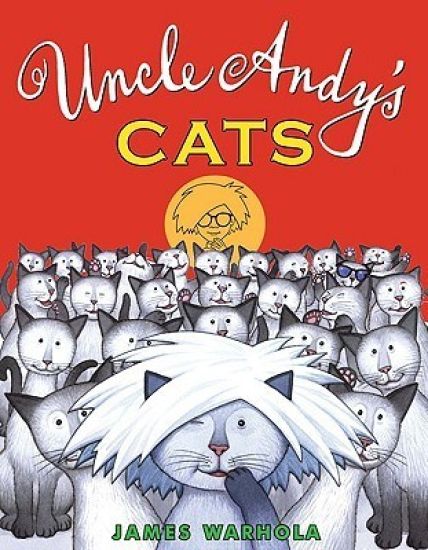
The hilarious story of artist Andy Warhol and his 25 cats named Sam. It all started with a little blue cat named Hester. Then along came Sam and it was love at first sight - along with lots of little Sams! While the cats are perfectly happy stampeding through Uncle Andy's art studio and frolicking among his soup boxes, the humans know things have to change. So Uncle Andy devises a brilliant plan to make his cats famous - and easier to find homes for.
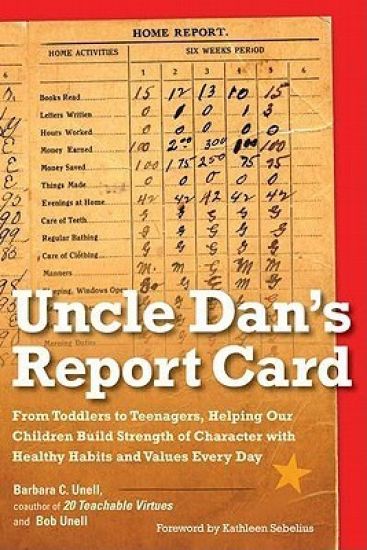
A Unique Approach to Teaching Children Timeless Values The worth of the child cannot be measured in terms of "Per Cent" alone. The home life of the child is an important part of the whole life. The teacher's judgment will be a much better one if the home will kindly co-operate. Parents are asked to carefully consider and mark "Home Report" as indicated. -M. E. Pearson, Superintendent, Kansas City, Kansas, Public Schools, 1914 With the discovery of their Uncle Dan's school report card from 1914, in which a "Home Report" section of the card was to be completed by parents, Barbara and Robert Unell were inspired to explore the behaviors and values upon which students were "graded" in addition to the standard academic subjects. They realized that these surprising entries, ranging from acts of kindness and truthfulness to personal habits and reading for pleasure, were as timeless and relevant today as they were almost a century ago. Uncle Dan's Report Card gives every parent and caregiver not only a reminder of the worth of these values and behaviors but also a practical means to encourage children to recognize and practice good habits. This book provides the positive, proven tools they can use with toddlers to teens to help them be successful and happy in their everyday lives, personally and academically.

Along with Three Sisters and The Cherry Orchard, Uncle Vanya is credited as one of Chekhov's masterpieces and a significant precursor of modern drama. Set on a country estate in late nineteenth century Russia, Uncle Vanya is in part a study of the enervation of Russian middle-class provincial life. The major dynamics between the characters themselves are centred on two obsessive love affairs that lead nowhere and a flirtation that brings disaster. Mixing the tragic and the absurd and dealing with a form that allows for ambiguity and contradiction, Uncle Vanya has been deemed "the first modernist play". (David Lan)
David Lan's new version of one of Chekhov's greatest plays, was commissioned for a co-production between the Royal Shakespeare Company and the Young Vic. Directed by Katie Mitchell, it premiered at the Young Vic, London, in March 1998, a century after its Uncle Vanya is the first of Chekhov's three great masterpieces. Set on a remote farm in the Ukraine, it tells of two obsessive love affairs that lead nowhere, and a flirtation that brings disaster. Written towards the end of the 1890s, it casts a diamond-hard glance towards our century."A notably sharp, bright translation" (The Times)
A masterpiece of Russian drama, now in a student edition Along with Three Sisters and The Cherry Orchard, Uncle Vanya is credited as one of Chekhov's masterpieces and a significant precursor of modern drama. Set on a country estate in late nineteenth century Russia, Uncle Vanya is in part a study of the enervation of Russian middle-class provincial life. The major dynamics between the characters themselves are centred on two obsessive love affairs that lead nowhere and a flirtation that brings disaster. Mixing the tragic and the absurd and dealing with a form that allows for ambiguity and contradiction, Uncle Vanya has been deemed "the first modernist play". (David Lan) "It is the element of might-have-been in Chekhov's characters that makes their sense of waste so tragic ...I know of no more moving climax in world drama." Guardian Definitive translation by acclaimed playwright Michael FraynMethuen Student Editions are expertly annotated texts of a wide range of plays. Contains the complete text of the play, the volume contains a chronology of the playwright's life and work; an introduction giving the background to the play; a discussion of various interpretations; and notes on individual words and phrases in the text
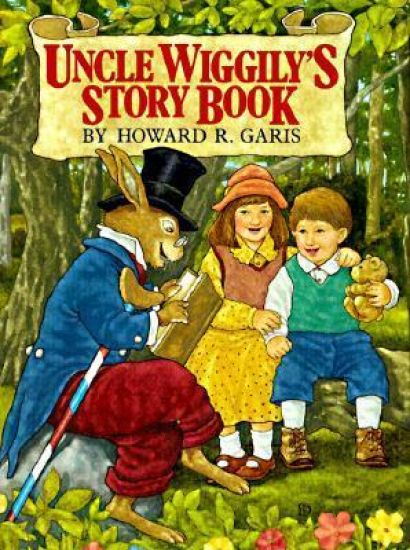
Uncle Wiggily is one of the most popular and enduring characters in American literature. A cheerful "bunny rabbit gentleman" with a wonderful knack for setting things right, he has been a reassuring friend to millions of children since early in the century. Uncle Wiggily's amusing stories speak to readers about familiar experiences, and feature a lively cast of children and animal characters: Toodle and Noodle Flat-Tail, two playful beavers; Nurse Jane Fuzzy Wuzzy, Uncle Wiggily's loyal muskrat housekeeper; Stubby Toes, the little boy who is helped by a sure-footed rabbit named Baby Bunty; Grandpa Goosey Gander; the Kite Boy; and many others. Full of charm, warmth, and old-fashioned fun.
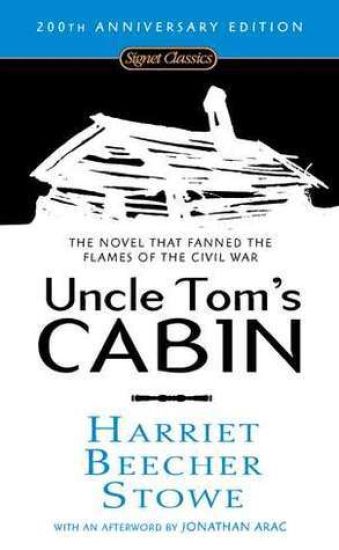
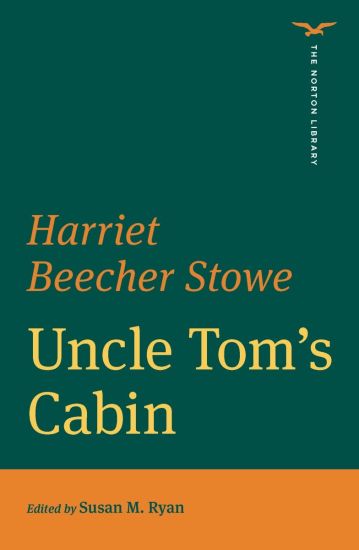
Harriet Beecher Stowe's timeless and moving novel, an incendiary work that fanned the embers of the struggle between free and slave states into the fire of the Civil War. Uncle Tom's Cabin is the story of the slave Tom. Devout and loyal, he is sold and sent down south, where he endures brutal treatment at the hands of the degenerate plantation owner Simon Legree. By exposing the extreme cruelties of slavery, Stowe explores society's failures and asks a profound question: "What is it to be a moral human being?" And as the novel that helped to move a nation to battle, Uncle Tom's Cabin is an essential part of the collective experience of the American people. With an Introduction by Darryl Pinckney and an Afterword by Jonathan Arac
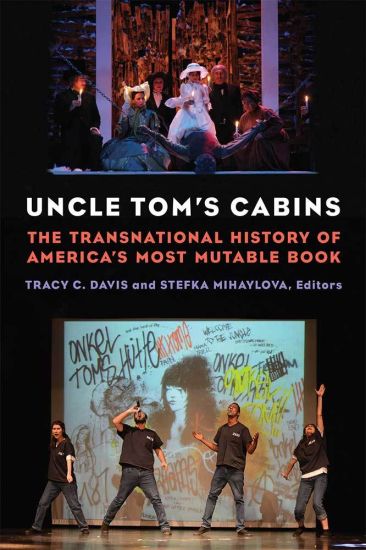
Uncle Tom's Cabins
The University of Michigan Press
2018
sidottu
As Harriet Beecher Stowe’s novel Uncle Tom’s Cabin traveled around the world, it was molded by the imaginations and needs of international audiences. For over 150 years it has been coopted for a dazzling array of causes far from what its author envisioned. This book tells thirteen variants of Uncle Tom’s journey, explicating the novel’s significance for Canadian abolitionists and the Liberian political elite that constituted the runaway characters’ landing points; nineteenth-century French theatergoers; liberal Cuban, Romanian, and Spanish intellectuals and social reformers; Dutch colonizers and Filipino nationalists in Southeast Asia; Eastern European Cold War communists; Muslim readers and spectators in the Middle East; Brazilian television audiences; and twentieth-century German holidaymakers.Throughout these encounters, Stowe’s story of American slavery serves as a paradigm for understanding oppression, selectively and strategically refracting the African American slave onto other iconic victims and freedom fighters. The book brings together performance historians, literary critics, and media theorists to demonstrate how the myriad cultural and political effects of Stowe’s enduring story has transformed it into a global metanarrative with national, regional, and local specificity.
As Harriet Beecher Stowe’s novel Uncle Tom’s Cabin traveled around the world, it was molded by the imaginations and needs of international audiences. For over 150 years it has been coopted for a dazzling array of causes far from what its author envisioned. This book tells thirteen variants of Uncle Tom’s journey, explicating the novel’s significance for Canadian abolitionists and the Liberian political elite that constituted the runaway characters’ landing points; nineteenth-century French theatergoers; liberal Cuban, Romanian, and Spanish intellectuals and social reformers; Dutch colonizers and Filipino nationalists in Southeast Asia; Eastern European Cold War communists; Muslim readers and spectators in the Middle East; Brazilian television audiences; and twentieth-century German holidaymakers. Throughout these encounters, Stowe’s story of American slavery serves as a paradigm for understanding oppression, selectively and strategically refracting the African American slave onto other iconic victims and freedom fighters. The book brings together performance historians, literary critics, and media theorists to demonstrate how the myriad cultural and political effects of Stowe’s enduring story has transformed it into a global metanarrative with national, regional, and local specificity.
First produced by the Moscow Art Theater in 1899, Uncle Vanya is one of Chekhov's greatest plays and a staple of the theatrical repertoire. Both structurally and psychologically compact, it is among the most expressive of the Russian playwright's dramatic works.Set on an estate in nineteenth-century Russia, this deeply emotional tale of misplaced idealism and unrequited love concerns the complex interrelationships between a retired professor, his second wife, and his brother-in-law and daughter from a previous marriage. In deceptively mundane dialogue, the characters reveal their private tragedies -- weakness and inability to communicate -- the failures that lead them to lives of frustration and despair. Nevertheless, Chekhov's delineation of human frailties elicits sympathy for even the most irresolute and deluded characters, and the play's underlying message is one of courage and hope.Essential reading for any course in modern theater, this absorbing play continues to be popular. Students, theatergoers, and all lovers of great drama will appreciate this inexpensive edition of a masterpiece.
Selling more than 300,000 copies the first year it was published, Stowe's powerful abolitionist novel fueled the fire of the human rights debate in 1852. Supposedly, when Stowe met President Lincoln ten years later, he joked, "So this is the little lady who made this big war." The plot centers on Eliza Harris and Tom Shelby, two people who triumph over slavery in very different ways. Today, critics, scholars, and students alike are revisiting this monumental work with fresh eyes and open minds, focusing on Stowe's portrayal of women and the novel's theological underpinnings.


Uncle Curioso's Tales For Youths And Maidens
KESSINGER PUBLISHING CO
2007
muu