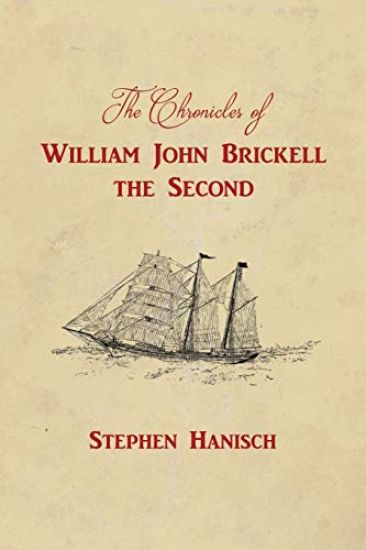
The Chronicles of William John Brickell the SecondBy: Stephen HanischIn the early 19th century, John Brickell, a young American lawyer, chose to serve on his father's ship after graduating university to repay him for his education. He quickly learns that being a lawyer isn't what he expected, so he decides to change the direction of his life. These memoirs detail the struggle between himself and a ring of highly sophisticated smugglers, along with the friendships and adventures he discovers on the way.About the AuthorStephen Hanisch discovered a love for writing early in life, but had to change direction and his passion for writing went on the back burner. Through many sports and family activities, adventures were always on his mind and it was later in life that he was able to continue writing. The characters in this book are a combination of what he had experienced in life as a person, friend, and family man combined with his imagination.
William Zimmerman represents an important part of the American experience. The first American-born child of ethnically German immigrants from Poland, he grew up in a large German-American community in Wisconsin. He went to school speaking German, learned English, memorized huge sections of Longfellow, and left school after eighth grade. He swept the garage floor in Les Paul's father's garage so Les could play the guitar. He ran an amusement park ride. He built ranch roads. He was invited to become a member of the Junior KKK, drove from Wisconsin to Chicago during Prohibition, and then drove trucks from Wisconsin to Portland, Oregon in the early days of the Columbia Gorge highway. He had brain surgery in the forties at the May Clinic. He lived as a German in America through both world wars, and sent his son to Vietnam. He loved history, and reading, and gardening, and his grandchildren. He was a lifelong Milwaukee Brewers fan. He loved caramels, butterscotches, Zane Grey, and Harlequin Romances, and the Beverly Hillbillies. He loved loading up his car with grandchildren and driving-to the beach or to the Charburger or A&W downtown: it didn't really matter. And while he did all these things, he told us stories. I thought I knew Grandpa, but when I started getting his stories down on paper I realized that there was a part of him I had never seen, not because he had concealed it, but because when he told us his stories he infused them with magic-and that magic made it easy to overlook some of the pain and fear he must have felt, more than once. Writing these stories has been like having a conversation with him again.
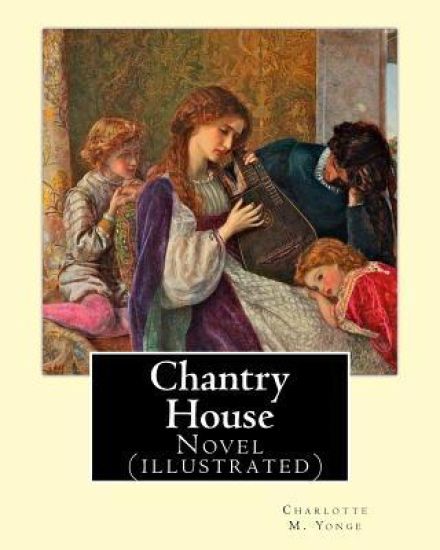
Charlotte Mary Yonge (11 August 1823 - 24 May 1901) was an English novelist known for her huge output, now mostly out of print.Charlotte Mary Yonge was born in Otterbourne, Hampshire, England, on 11 August 1823 to William Yonge and Fanny Yonge, n e Bargus. She was educated at home by her father, studying Latin, Greek, French, Euclid and algebra. Her father's lessons could be harsh: He required a diligence and accuracy that were utterly alien to me. He thundered at me so that nobody could bear to hear it, and often reduced me to tears, but his approbation was so delightful that it was a delicious stimulus... I believe, in spite of all breezes over my innate slovenliness, it would have broken our hearts to leave off working together. And we went on till I was some years past twenty. Yonge's devotion to her father was lifelong and her relationship with him seems to have been for her the standard for all other relationships, including marriage. His "approbation was throughout life my bliss; his anger my misery for the time." She was born into a religious family background, was devoted to the High Church, and much influenced by John Keble, Vicar of Hursley from 1835, a near neighbour and one of the leaders of the Oxford Movement. Yonge is herself sometimes referred to as "the novelist of the Oxford Movement", as her novels frequently reflect the values and concerns of Anglo-Catholicism. She remained in Otterbourne all her life and for 71 years was a teacher in the village Sunday school.In 1868 a new parish was formed to the south of Yonge's home village of Otterbourne; the parish was to contain the villages of Eastley and Barton. Yonge donated 500 towards the parish church and was asked to choose which of the two villages the parish should be named after. She chose Eastley, but decided that it should be spelt 'Eastleigh' as she perceived this as being more modern. Yonge died in her hometown of Otterbourne on 24 May 1901. Her obituary in The Times said: 9] Her friends, and especially her poorer neighbours, knew both the strength and the winning charm of her character. Thus the late Archbishop Benson noted in his diary her odd majesty and kindliness, which are very strong. But it is of course as a writer that Miss Yonge will be remembered. She had an inventive mind and a ready pen, and a bare list of the books written or edited by her would probably occupy nearly a whole column of The Times. She wrote chiefly for young people, especially young girls, and her books are the result not only of a strong ethical purpose, but also of her firm devotion to the High Church view of Christian doctrine and practice.
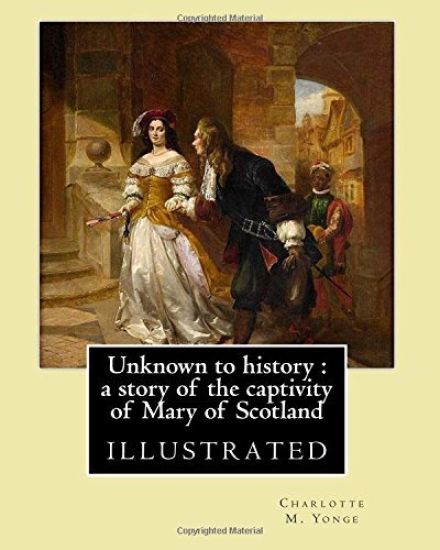
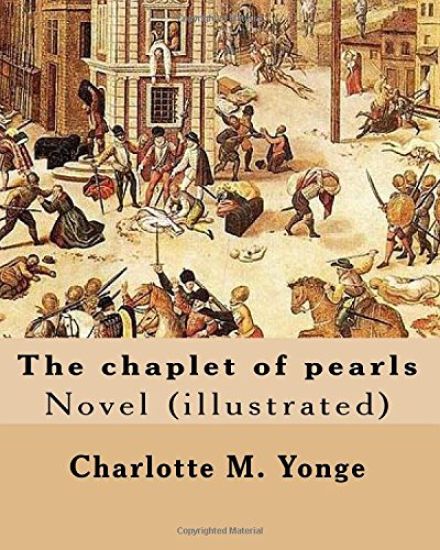
Charlotte Mary Yonge (11 August 1823 - 24 May 1901) was an English novelist known for her huge output, now mostly out of print. Life: Charlotte Mary Yonge was born in Otterbourne, Hampshire, England, on 11 August 1823 to William Yonge and Fanny Yonge, n e Bargus.She was educated at home by her father, studying Latin, Greek, French, Euclid and algebra. Her father's lessons could be harsh: He required a diligence and accuracy that were utterly alien to me. He thundered at me so that nobody could bear to hear it, and often reduced me to tears, but his approbation was so delightful that it was a delicious stimulus... I believe, in spite of all breezes over my innate slovenliness, it would have broken our hearts to leave off working together. And we went on till I was some years past twenty. Yonge's devotion to her father was lifelong and her relationship with him seems to have been for her the standard for all other relationships, including marriage. His "approbation was throughout life my bliss; his anger my misery for the time."She was born into a religious family background, was devoted to the High Church, and much influenced by John Keble, Vicar of Hursley from 1835, a near neighbour and one of the leaders of the Oxford Movement. Yonge is herself sometimes referred to as "the novelist of the Oxford Movement", as her novels frequently reflect the values and concerns of Anglo-Catholicism. She remained in Otterbourne all her life and for 71 years was a teacher in the village Sunday school.In 1868 a new parish was formed to the south of Yonge's home village of Otterbourne; the parish was to contain the villages of Eastley and Barton. Yonge donated 500 towards the parish church and was asked to choose which of the two villages the parish should be named after. She chose Eastley, but decided that it should be spelt 'Eastleigh' as she perceived this as being more modern. Yonge died in her hometown of Otterbourne on 24 May 1901. Her obituary in The Times said: Her friends, and especially her poorer neighbours, knew both the strength and the winning charm of her character. Thus the late Archbishop Benson noted in his diary her 'odd majesty and kindliness, which are very strong'. But it is of course as a writer that Miss Yonge will be remembered. She had an inventive mind and a ready pen, and a bare list of the books written or edited by her would probably occupy nearly a whole column of The Times. She wrote chiefly for young people, especially young girls, and her books are the result not only of a strong ethical purpose, but also of her firm devotion to the High Church view of Christian doctrine and practice. William John Hennessy (July 11, 1839 - December 27, 1917) was an Irish artist.William John Hennessy (originally hAonghusa) was born in Thomastown, County Kilkenny in 1839. His father, John Hennessy, was forced to leave Ireland in 1848 as a result of his involvement in the Young Ireland movement. He landed in Canada and settled in New York City. William, his mother Catherine, and brother joined their father there in 1849. He gained admittance to the National Academy of Design in 1854 and exhibitioned his first works there. Hennessy developed a skill in wood engraving and was hired to illustrate the works of renowned poets, including that of Tennyson, Longfellow and Whittier. As an American he became the co-founder of the Artists' Fund Society, and an honorary member of the American Society of Painters in Watercolours. In 1870 he moved to London where he became a member of the Royal Institute of Oil Painters in 1902. Between 1879 and 1907 the Royal Hibernian Academy displayed eight of his paintings.
Charlotte Mary Yonge (11 August 1823 - 24 May 1901) was an English novelist known for her huge output, now mostly out of print. Life: Charlotte Mary Yonge was born in Otterbourne, Hampshire, England, on 11 August 1823 to William Yonge and Fanny Yonge, n e Bargus.She was educated at home by her father, studying Latin, Greek, French, Euclid and algebra. Her father's lessons could be harsh: He required a diligence and accuracy that were utterly alien to me. He thundered at me so that nobody could bear to hear it, and often reduced me to tears, but his approbation was so delightful that it was a delicious stimulus... I believe, in spite of all breezes over my innate slovenliness, it would have broken our hearts to leave off working together. And we went on till I was some years past twenty. Yonge's devotion to her father was lifelong and her relationship with him seems to have been for her the standard for all other relationships, including marriage. His "approbation was throughout life my bliss; his anger my misery for the time."She was born into a religious family background, was devoted to the High Church, and much influenced by John Keble, Vicar of Hursley from 1835, a near neighbour and one of the leaders of the Oxford Movement. Yonge is herself sometimes referred to as "the novelist of the Oxford Movement", as her novels frequently reflect the values and concerns of Anglo-Catholicism. She remained in Otterbourne all her life and for 71 years was a teacher in the village Sunday school.In 1868 a new parish was formed to the south of Yonge's home village of Otterbourne; the parish was to contain the villages of Eastley and Barton. Yonge donated 500 towards the parish church and was asked to choose which of the two villages the parish should be named after. She chose Eastley, but decided that it should be spelt 'Eastleigh' as she perceived this as being more modern. Yonge died in her hometown of Otterbourne on 24 May 1901. Her obituary in The Times said: Her friends, and especially her poorer neighbours, knew both the strength and the winning charm of her character. Thus the late Archbishop Benson noted in his diary her 'odd majesty and kindliness, which are very strong'. But it is of course as a writer that Miss Yonge will be remembered. She had an inventive mind and a ready pen, and a bare list of the books written or edited by her would probably occupy nearly a whole column of The Times. She wrote chiefly for young people, especially young girls, and her books are the result not only of a strong ethical purpose, but also of her firm devotion to the High Church view of Christian doctrine and practice. William John Hennessy (July 11, 1839 - December 27, 1917) was an Irish artist. William John Hennessy (originally hAonghusa) was born in Thomastown, County Kilkenny in 1839. His father, John Hennessy, was forced to leave Ireland in 1848 as a result of his involvement in the Young Ireland movement. He landed in Canada and settled in New York City. William, his mother Catherine, and brother joined their father there in 1849. He gained admittance to the National Academy of Design in 1854 and exhibitioned his first works there. Hennessy developed a skill in wood engraving and was hired to illustrate the works of renowned poets, including that of Tennyson, Longfellow and Whittier. As an American he became the co-founder of the Artists' Fund Society, and an honorary member of the American Society of Painters in Watercolours. In 1870 he moved to London where he became a member of the Royal Institute of Oil Painters in 1902. Between 1879 and 1907 the Royal Hibernian Academy displayed eight of his paintings.
Charlotte Mary Yonge (11 August 1823 - 24 May 1901) was an English novelist known for her huge output, now mostly out of print. Life: Charlotte Mary Yonge was born in Otterbourne, Hampshire, England, on 11 August 1823 to William Yonge and Fanny Yonge, n e Bargus.She was educated at home by her father, studying Latin, Greek, French, Euclid and algebra. Her father's lessons could be harsh: He required a diligence and accuracy that were utterly alien to me. He thundered at me so that nobody could bear to hear it, and often reduced me to tears, but his approbation was so delightful that it was a delicious stimulus... I believe, in spite of all breezes over my innate slovenliness, it would have broken our hearts to leave off working together. And we went on till I was some years past twenty. Yonge's devotion to her father was lifelong and her relationship with him seems to have been for her the standard for all other relationships, including marriage. His "approbation was throughout life my bliss; his anger my misery for the time."She was born into a religious family background, was devoted to the High Church, and much influenced by John Keble, Vicar of Hursley from 1835, a near neighbour and one of the leaders of the Oxford Movement. Yonge is herself sometimes referred to as "the novelist of the Oxford Movement", as her novels frequently reflect the values and concerns of Anglo-Catholicism. She remained in Otterbourne all her life and for 71 years was a teacher in the village Sunday school.In 1868 a new parish was formed to the south of Yonge's home village of Otterbourne; the parish was to contain the villages of Eastley and Barton. Yonge donated 500 towards the parish church and was asked to choose which of the two villages the parish should be named after. She chose Eastley, but decided that it should be spelt 'Eastleigh' as she perceived this as being more modern. Yonge died in her hometown of Otterbourne on 24 May 1901. Her obituary in The Times said: Her friends, and especially her poorer neighbours, knew both the strength and the winning charm of her character. Thus the late Archbishop Benson noted in his diary her 'odd majesty and kindliness, which are very strong'. But it is of course as a writer that Miss Yonge will be remembered. She had an inventive mind and a ready pen, and a bare list of the books written or edited by her would probably occupy nearly a whole column of The Times. She wrote chiefly for young people, especially young girls, and her books are the result not only of a strong ethical purpose, but also of her firm devotion to the High Church view of Christian doctrine and practice. William John Hennessy (July 11, 1839 - December 27, 1917) was an Irish artist.William John Hennessy (originally hAonghusa) was born in Thomastown, County Kilkenny in 1839. His father, John Hennessy, was forced to leave Ireland in 1848 as a result of his involvement in the Young Ireland movement. He landed in Canada and settled in New York City. William, his mother Catherine, and brother joined their father there in 1849. He gained admittance to the National Academy of Design in 1854 and exhibitioned his first works there. Hennessy developed a skill in wood engraving and was hired to illustrate the works of renowned poets, including that of Tennyson, Longfellow and Whittier. As an American he became the co-founder of the Artists' Fund Society, and an honorary member of the American Society of Painters in Watercolours. In 1870 he moved to London where he became a member of the Royal Institute of Oil Painters in 1902. Between 1879 and 1907 the Royal Hibernian Academy displayed eight of his paintings.
This work has been selected by scholars as being culturally important and is part of the knowledge base of civilization as we know it.This work is in the public domain in the United States of America, and possibly other nations. Within the United States, you may freely copy and distribute this work, as no entity (individual or corporate) has a copyright on the body of the work.Scholars believe, and we concur, that this work is important enough to be preserved, reproduced, and made generally available to the public. To ensure a quality reading experience, this work has been proofread and republished using a format that seamlessly blends the original graphical elements with text in an easy-to-read typeface.We appreciate your support of the preservation process, and thank you for being an important part of keeping this knowledge alive and relevant.
A Memoir of John Elder - engineer and ship-builder is an unchanged, high-quality reprint of the original edition of 1871. Hansebooks is editor of the literature on different topic areas such as research and science, travel and expeditions, cooking and nutrition, medicine, and other genres. As a publisher we focus on the preservation of historical literature. Many works of historical writers and scientists are available today as antiques only. Hansebooks newly publishes these books and contributes to the preservation of literature which has become rare and historical knowledge for the future.