Kirjahaku
Etsi kirjoja tekijän nimen, kirjan nimen tai ISBN:n perusteella.
1000 tulosta hakusanalla Wilson-Perry Maxine Wilson-Perry

Wilson's Historical, Traditionary And Imaginative Tales Of The Borders And Of Scotland
John Mackay Wilson
Kessinger Pub
2007
pokkari
Wilson Philological Lectures On Sanskrit And The Derived Languages, Delivered In 1877
Ramkrishna Gopal Bhandarkar; Shridhar R. (CON) Bhandarkar
Kessinger Pub
2008
pokkari

Super speed. Super Strength. Super annoying. Eight-year-old Wilson hates how famous his superhero family is. While their powers earn the love of his entire class, Wilson seems to only be able to earn detention. But when the evil genius, Mad Margaret, kidnaps Wilson's family, Wilson must do everything he can to get them back, even if it means embracing his embarrassing superpowers. Teamed up with an unlikely gang of heroes, Wilson embarks on a mission to take down Mad Margaret. Nothing will stand in his way, not double barreled snot guns, not goldfish with eggbeaters strapped to their heads, not Uber Eats delivery drivers. Wilson's only hope is that he can save his family before his superpowers destroy the world.


This first volume of a biography that covers the years 1902-1912, which include Wilson's presidency of Princeton, his governorship of New Jersey, and his election to the Presidency. It seeks to get at the reasons behind his actions in this critical period. Originally published in 1947. The Princeton Legacy Library uses the latest print-on-demand technology to again make available previously out-of-print books from the distinguished backlist of Princeton University Press. These editions preserve the original texts of these important books while presenting them in durable paperback and hardcover editions. The goal of the Princeton Legacy Library is to vastly increase access to the rich scholarly heritage found in the thousands of books published by Princeton University Press since its founding in 1905.
Woodrow Wilson was swept into the White House on the basis of a program characterized by the words "The New Freedom." The exciting story of his attempts to put this program into effect, in spite of a sometimes recalcitrant congress, makes up the body of this book, the second volume in Professor Link's monumental biography of Wilson. Covering the first two years of his presidency and concentrating on domestic issues, Professor Link shows Wilson meeting the complex demands of his new office, selecting his cabinet, paying political debts, organizing congressional support, seeking the approval of the public. Wilson was deeply committed to the reform program, and in the fight to put it into effect the personalities of the Wilson circle and its opponents appear vividly. The picture of Wilson as an astute politician adapting and shaping the forces around him is especially revealing in view of the popular stereotype of Wilson as an impractical, uncompromising idealist. The book also describes the Mexican intervention and the beginnings of the New Freedom diplomacy in Latin American affairs, taking the reader up to the brink of World War I. It is a worthy sequel to the famous first volume, Wilson: The Road to the White House, and will leave its readers eager for the next volume on the problems of neutrality. Originally published in 1956. The Princeton Legacy Library uses the latest print-on-demand technology to again make available previously out-of-print books from the distinguished backlist of Princeton University Press. These editions preserve the original texts of these important books while presenting them in durable paperback and hardcover editions. The goal of the Princeton Legacy Library is to vastly increase access to the rich scholarly heritage found in the thousands of books published by Princeton University Press since its founding in 1905.
Events from the beginning of the presidential campaign of 1916 to the entry of the United States into the First World War are covered in this fifth volume of Professor Link's authoritative biography of Woodrow Wilson. Originally published in 1965. The Princeton Legacy Library uses the latest print-on-demand technology to again make available previously out-of-print books from the distinguished backlist of Princeton University Press. These editions preserve the original texts of these important books while presenting them in durable paperback and hardcover editions. The goal of the Princeton Legacy Library is to vastly increase access to the rich scholarly heritage found in the thousands of books published by Princeton University Press since its founding in 1905.

The fourth volume of Mr. Link's biography of Woodrow Wilson and the history of his times covers the period from autumn 1915 to spring 1916. Since this was a time of extreme domestic political controversy and recurring crises with Mexico and Germany, the volume has no single theme. Mr. Link describes fully the negotiation of the House-Grey memorandum and European reaction to it; the armed ship controversy; the Sussex crisis; and the events that nearly led to war with Mexico in 1916. Materials found in German, British, and French archives and manuscript collections are used, as well as from American sources. Originally published in 1964. The Princeton Legacy Library uses the latest print-on-demand technology to again make available previously out-of-print books from the distinguished backlist of Princeton University Press. These editions preserve the original texts of these important books while presenting them in durable paperback and hardcover editions. The goal of the Princeton Legacy Library is to vastly increase access to the rich scholarly heritage found in the thousands of books published by Princeton University Press since its founding in 1905.
Critics have called the two prior volumes in this life of Woodrow Wilson "a model of political biography" (Arthur M. Schlesinger, Jr.), and "a capital piece of work, critical and judicious" (Henry Steele Commager). In this third volume Arthur Link covers the period between the immediate background of World War I and the not, to Great Britain of October 21, 1915, marking the end of Wilson's fight to lay solid foundations for American neutrality. Volume 3 also adds new material on American involvement in Mexico, the Caribbean and the Far East. A less stern picture of Wilson emerges-the picture of man struggling patiently and cautiously to avoid entanglement in the European war, work out a reasonable adjustment to British sea power, and meet the German challenge of submarine warfare in a mod rate restrained manner. Originally published in 1960. The Princeton Legacy Library uses the latest print-on-demand technology to again make available previously out-of-print books from the distinguished backlist of Princeton University Press. These editions preserve the original texts of these important books while presenting them in durable paperback and hardcover editions. The goal of the Princeton Legacy Library is to vastly increase access to the rich scholarly heritage found in the thousands of books published by Princeton University Press since its founding in 1905.

This first volume of a biography that covers the years 1902-1912, which include Wilson's presidency of Princeton, his governorship of New Jersey, and his election to the Presidency. It seeks to get at the reasons behind his actions in this critical period. Originally published in 1947. The Princeton Legacy Library uses the latest print-on-demand technology to again make available previously out-of-print books from the distinguished backlist of Princeton University Press. These editions preserve the original texts of these important books while presenting them in durable paperback and hardcover editions. The goal of the Princeton Legacy Library is to vastly increase access to the rich scholarly heritage found in the thousands of books published by Princeton University Press since its founding in 1905.
Woodrow Wilson was swept into the White House on the basis of a program characterized by the words "The New Freedom." The exciting story of his attempts to put this program into effect, in spite of a sometimes recalcitrant congress, makes up the body of this book, the second volume in Professor Link's monumental biography of Wilson. Covering the first two years of his presidency and concentrating on domestic issues, Professor Link shows Wilson meeting the complex demands of his new office, selecting his cabinet, paying political debts, organizing congressional support, seeking the approval of the public. Wilson was deeply committed to the reform program, and in the fight to put it into effect the personalities of the Wilson circle and its opponents appear vividly. The picture of Wilson as an astute politician adapting and shaping the forces around him is especially revealing in view of the popular stereotype of Wilson as an impractical, uncompromising idealist. The book also describes the Mexican intervention and the beginnings of the New Freedom diplomacy in Latin American affairs, taking the reader up to the brink of World War I. It is a worthy sequel to the famous first volume, Wilson: The Road to the White House, and will leave its readers eager for the next volume on the problems of neutrality. Originally published in 1956. The Princeton Legacy Library uses the latest print-on-demand technology to again make available previously out-of-print books from the distinguished backlist of Princeton University Press. These editions preserve the original texts of these important books while presenting them in durable paperback and hardcover editions. The goal of the Princeton Legacy Library is to vastly increase access to the rich scholarly heritage found in the thousands of books published by Princeton University Press since its founding in 1905.
Events from the beginning of the presidential campaign of 1916 to the entry of the United States into the First World War are covered in this fifth volume of Professor Link's authoritative biography of Woodrow Wilson. Originally published in 1965. The Princeton Legacy Library uses the latest print-on-demand technology to again make available previously out-of-print books from the distinguished backlist of Princeton University Press. These editions preserve the original texts of these important books while presenting them in durable paperback and hardcover editions. The goal of the Princeton Legacy Library is to vastly increase access to the rich scholarly heritage found in the thousands of books published by Princeton University Press since its founding in 1905.

The fourth volume of Mr. Link's biography of Woodrow Wilson and the history of his times covers the period from autumn 1915 to spring 1916. Since this was a time of extreme domestic political controversy and recurring crises with Mexico and Germany, the volume has no single theme. Mr. Link describes fully the negotiation of the House-Grey memorandum and European reaction to it; the armed ship controversy; the Sussex crisis; and the events that nearly led to war with Mexico in 1916. Materials found in German, British, and French archives and manuscript collections are used, as well as from American sources. Originally published in 1964. The Princeton Legacy Library uses the latest print-on-demand technology to again make available previously out-of-print books from the distinguished backlist of Princeton University Press. These editions preserve the original texts of these important books while presenting them in durable paperback and hardcover editions. The goal of the Princeton Legacy Library is to vastly increase access to the rich scholarly heritage found in the thousands of books published by Princeton University Press since its founding in 1905.

Critics have called the two prior volumes in this life of Woodrow Wilson "a model of political biography" (Arthur M. Schlesinger, Jr.), and "a capital piece of work, critical and judicious" (Henry Steele Commager). In this third volume Arthur Link covers the period between the immediate background of World War I and the not, to Great Britain of October 21, 1915, marking the end of Wilson's fight to lay solid foundations for American neutrality. Volume 3 also adds new material on American involvement in Mexico, the Caribbean and the Far East. A less stern picture of Wilson emerges-the picture of man struggling patiently and cautiously to avoid entanglement in the European war, work out a reasonable adjustment to British sea power, and meet the German challenge of submarine warfare in a mod rate restrained manner. Originally published in 1960. The Princeton Legacy Library uses the latest print-on-demand technology to again make available previously out-of-print books from the distinguished backlist of Princeton University Press. These editions preserve the original texts of these important books while presenting them in durable paperback and hardcover editions. The goal of the Princeton Legacy Library is to vastly increase access to the rich scholarly heritage found in the thousands of books published by Princeton University Press since its founding in 1905.

Approximately 2000 bright, color pictures of the most sought-after Coca-Cola products made, along with info on how to identify, date and price a full range of collectibles on today's market. This revised and updated fourth edition is a must-have reference for anyone interested in the wondrously broad range of Coca-Cola collectibles. This book is filled cover-to-cover with approximately 2,000 bright, color pictures of the most sought-after Coca-Cola products ever made, from advertisements, trays, and bottles to haberdashery, jewelry, and amazing one-of-a-kind novelties, all with updated prices reflecting today's market. From its earliest offerings to a modern-day selection, Coca-Cola is well represented by this definitive text, which includes many of the rarest pieces from within the Coca-Cola Company's own archives. A useful and gloriously beautiful book.
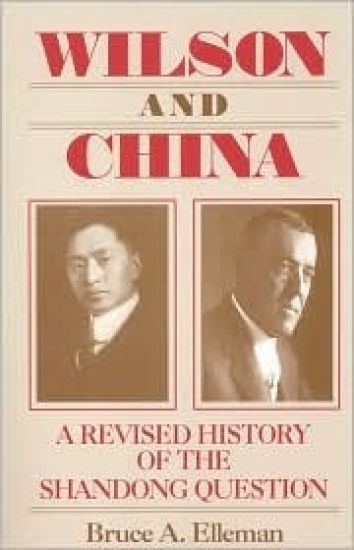
Drawing on sources in Japanese, Chinese, and American archives and libraries, this book reassesses another facet of Woodrow Wilson's agenda at the 1919 Paris Peace Conference at the end of World War I. Breaking with accepted scholarly opinions, the author argues that Wilson did not "betray" China, as many Chinese and Western scholars have charged; rather, Wilson successfully negotiated a compromise with the Japanese to ensure that China's sovereignty would be respected in Shandong Province. Rejecting the compromise, Chinese negotiators refused to sign the Treaty of Versailles, creating conditions for the Soviet Union's entry into China and its later influence over the course of the Chinese revolution.
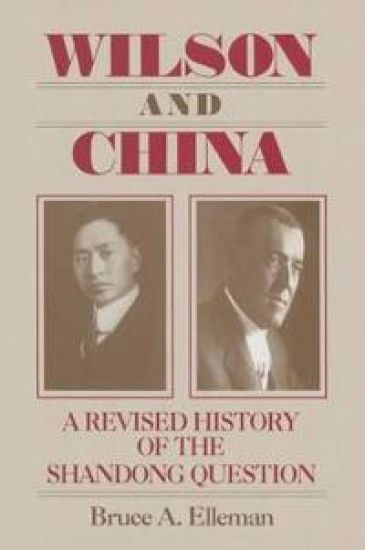
Drawing on sources in Japanese, Chinese, and American archives and libraries, this book reassesses another facet of Woodrow Wilson's agenda at the 1919 Paris Peace Conference at the end of World War I. Breaking with accepted scholarly opinions, the author argues that Wilson did not "betray" China, as many Chinese and Western scholars have charged; rather, Wilson successfully negotiated a compromise with the Japanese to ensure that China's sovereignty would be respected in Shandong Province. Rejecting the compromise, Chinese negotiators refused to sign the Treaty of Versailles, creating conditions for the Soviet Union's entry into China and its later influence over the course of the Chinese revolution.
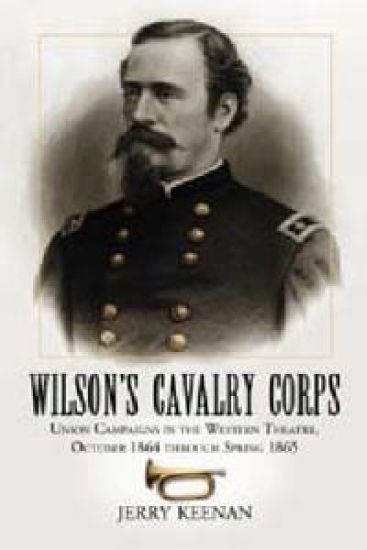
The famed fighting force of Union General William T. Sherman was plagued by a lack of first-rate cavalry--mostly because of Sherman's belief, after some bad experiences, that the cavalry was largely a waste of good horses. The man Grant sent to change Sherman's mind was James Harrison Wilson, a bright, ambitious, and outspoken young officer with a penchant for organization. Wilson proved the perfect man for the job, transforming a collection of independent regiments and brigades into a fiercely effective mounted unit. Wilson's Cavalry, as it came to be known, played a major role in thwarting Confederate General Hood's 1864 invasion of Tennessee, then moved south for the celebrated capture of Selma, Montgomery, and Columbus. Despite such success, it is this book that is the first overall history of the Cavalry Corps. In addition to meticulous description of military actions, the book affords particular attention to Wilson's outstanding achievement in creating an infrastructure for his corps, even as he covered the Federal flanks in the withdrawal to Franklin and Nashville.