Kirjojen hintavertailu. Mukana 12 066 760 kirjaa ja 12 kauppaa.

Kirjahaku

Etsi kirjoja tekijän nimen, kirjan nimen tai ISBN:n perusteella.

1000 tulosta hakusanalla Adrian Lysenko

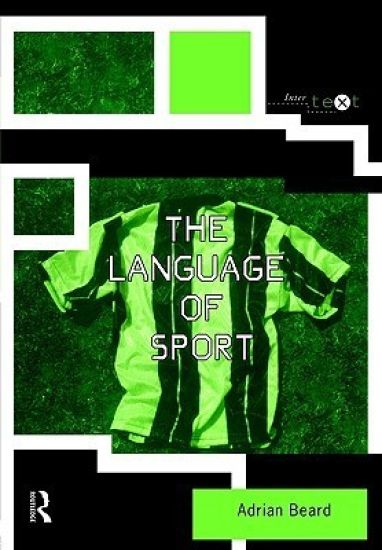
The Language of Sport

The Language of Sport

Adrian Beard

Routledge
1998
nidottu
The Language of Sport:* looks in detail at the language of sports-talk including commentary and 'new sportswriting'* explores linguistic representation of related issues such as gender, national/regional identity* examines the way sport sells itself as an agent of social cohesion and as a way to sell other products* includes BBC, ITV and radio transcripts of such sporting events as Euro '96
Post-Industrial Socialism

Post-Industrial Socialism

Adrian Little

Routledge
1998
nidottu
Post-Industrial Socialism provides critical analysis of recent developments in leftist political thought. Adrian Little charts new directions in the economy and the effects they have had on traditional models of social welfare and orthodox approaches to social policy.In demonstrating the limitations of the welfare state and the associated concept of citizenship, this book suggests that we need to renew socialist welfare theory through the evaluation of universal welfare provision and a policy of breaking the link between work and income.
Peasants in the Pacific

Peasants in the Pacific

Adrian C Mayer

Routledge
1998
sidottu
This is Volume X of eighteen in a collection on the Sociology of Development. Originally published in 1961 this is the second edition of a study of Fiji Indian Rural Society, looking at the areas of Vunioki and Delanikoro and Namboulima.
Children as Consumers

Children as Consumers

Adrian Furnham; Barrie Gunter

Routledge
1998
nidottu
The children's and teenagers' market has become increasingly significant as young people have become more affluent and have an ever growing disposable income. Children as Consumers traces the stages of consumer development through which children pass and examines the key sources of influence upon young people's consumer socialisation. It examines: * the kinds of things young people consume * how they use their money * how they respond to different types of advertising * whether they need to be protected through special legislation and regulation * market research techniques that work well with young people.Children as Consumers will be useful to students of psychology, sociology, business and media studies, as well as professionals in advertising and marketing.
The French Language Today

The French Language Today

Adrian Battye; Marie-Anne Hintze; Paul Rowlett

Routledge
2000
sidottu
This book provides a comprehensive introduction to the French language from the perspective of modern linguistics. Placing French within its social and historical context, the authors highlight the complex, diverse aspects of the language in a lively and accessible way. A variety of topics is covered, including the distribution of French in the world, the historical development of standard French, the sound system of French, its sentence patterns, and its stylistic and geographical variations. Fully updated and revised, this new edition places a greater emphasis on sociolinguistics. To make the book more user-friendly, the following new features have been added: * a further reading guide at the end of each chapter * a glossary of linguistic terms * an expanded bibliography and index.
The French Language Today

The French Language Today

Adrian Battye; Marie-Anne Hintze; Paul Rowlett

Routledge
2000
nidottu
This book provides a comprehensive introduction to the French language from the perspective of modern linguistics. Placing French within its social and historical context, the authors highlight the complex, diverse aspects of the language in a lively and accessible way. A variety of topics is covered, including the distribution of French in the world, the historical development of standard French, the sound system of French, its sentence patterns, and its stylistic and geographical variations. Fully updated and revised, this new edition places a greater emphasis on sociolinguistics. To make the book more user-friendly, the following new features have been added: * a further reading guide at the end of each chapter * a glossary of linguistic terms * an expanded bibliography and index.
The Language of Politics

The Language of Politics

Adrian Beard

Routledge
1999
nidottu
The Language of Politics:* examines how both politicians and commentators describe political stances* explores some of the most common linguistic features to be found in political speeches* analyses electioneering through various written texts including manifestos, posters and pamphlets* looks at how politicians answer questions both in the media and in parliament* includes examples of political discourse from Britain, America and Australia* has a comprehensive glossary of terms.
Texts and Contexts

Texts and Contexts

Adrian Beard

Routledge
2001
nidottu
The idea of studying texts 'in context' has become a major new emphasis in contemporary literary studies. Texts and Contexts explores the idea of contexts and the way they affect texts, concentrating on:* the writer's context* the reader's context* the text's context* the language context* the meaning context.Through a series of units comprising texts, exercises and readings, Adrian Beard sets out a framework for studying texts and their contexts and shows how this approach can lead to a valuable new understanding of the changing and multiple meanings of any text. This accessible, enjoyable set of materials is ideal for any students meeting the idea of contexts for the first time.
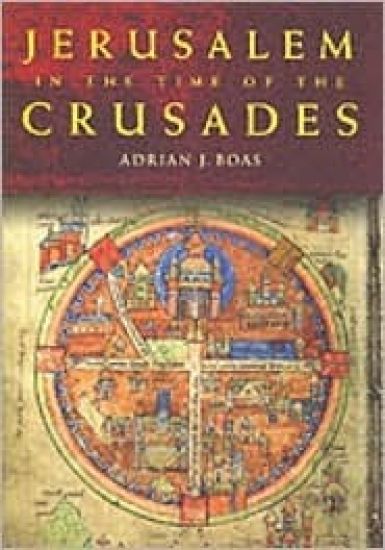
Jerusalem in the Time of the Crusades
Adrian Boas's combined use of historical and archaeological evidence together with first-hand accounts written by visiting pilgrims results in a multi-faceted perspective on Crusader Jerusalem. Generously illustrated, this book will serve both as a scholarly account of this city's archaeology and history, and a useful guide for the interested reader to a city at the centre of international and religious interest and conflict today.
Texts and Contexts

Texts and Contexts

Adrian Beard

Routledge
2001
sidottu
The idea of studying texts 'in context' has become a major new emphasis in contemporary literary studies. Texts and Contexts explores the idea of contexts and the way they affect texts, concentrating on:* the writer's context* the reader's context* the text's context* the language context* the meaning context.Through a series of units comprising texts, exercises and readings, Adrian Beard sets out a framework for studying texts and their contexts and shows how this approach can lead to a valuable new understanding of the changing and multiple meanings of any text. This accessible, enjoyable set of materials is ideal for any students meeting the idea of contexts for the first time.
Michelangelo

Michelangelo

Adrian Stokes

Routledge
2001
nidottu
Adrian Stokes was one of the twentieth century's finest and most discriminating writers on art. Of over twenty works of art criticism, Michelangelo was considered by Lawrence Gowing to be the most complete he ever wrote, presenting an understanding of the great artist that no one subsequently could afford to ignore. Stokes brings to bear in this work not only twenty-five years' study and appreciation of Italian Renaissance art and of aesthetics, but also a unique psychological perspective, as he explains in his introduction, which enables him to uncover the depths of the artist's personality. The subtlety of feeling and profound knowledge of sculpture which Sir Herbert Read admired in Stokes's work is also combined with a literary style perfected through his own poetry and criticism. Presenting a unique survey of his subject's literary as well as his artistic legacy, Stokes succeeds, as no other has before or since, in his aim of bringing Michelangelo's greatness into nearer view.
Illicit Drugs

Illicit Drugs

Adrian Barton

Routledge
2003
sidottu
Illicit drugs and their use are now, more than ever, a dominant concern of politicians, policy makers and the general public. Often, our understandings of the 'drug problem' tend to be uni-dimensional and based around particular areas of risk: drug related crime, dependency and ill-health. This book moves beyond this single issue approach and locates illicit drug use in its wider context, with chapters on:the history of illicit drug use measuring the 'problem'legal and medical responses to illicit drug usethe illicit drugs marketdrugs, crime and trends in drug policy.Drawing information from wide-ranging sources, Adrian Barton illuminates the complex nature and broad impact illicit drug use carries in its wake and provides an overview of the contemporary state of the drug 'scene'. This book will be essential reading for students and researchers working in the area of drugs and society.
Illicit Drugs

Illicit Drugs

Adrian Barton

Routledge
2003
nidottu
Illicit drugs and their use are now, more than ever, a dominant concern of politicians, policy makers and the general public. Often, our understandings of the 'drug problem' tend to be uni-dimensional and based around particular areas of risk: drug related crime, dependency and ill-health. This book moves beyond this single issue approach and locates illicit drug use in its wider context, with chapters on:the history of illicit drug use measuring the 'problem'legal and medical responses to illicit drug usethe illicit drugs marketdrugs, crime and trends in drug policy.Drawing information from wide-ranging sources, Adrian Barton illuminates the complex nature and broad impact illicit drug use carries in its wake and provides an overview of the contemporary state of the drug 'scene'. This book will be essential reading for students and researchers working in the area of drugs and society.
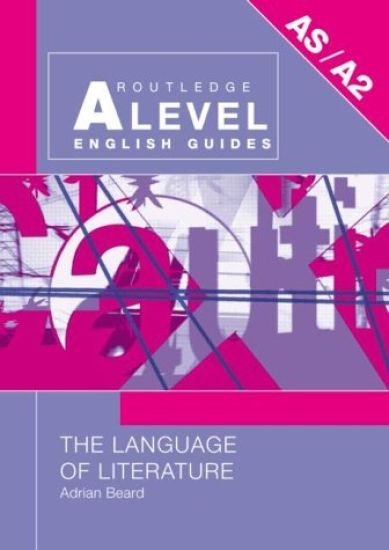
The Language of Literature

The Language of Literature

Adrian Beard

Routledge
2003
sidottu
Routledge A Level English Guides equip AS and A2 Level students with the skills they need to explore, evaluate, and enjoy English.Books in the series are built around the various skills specified in the assessment objectives (AOs) for all AS and A2 Level English courses. Focusing on the AOs most relevant to their topic, the books help students to develop their knowledge and abilities through analysis of lively texts and contemporary data. Each book in the series covers a different area of language and literary study, and offers accessible explanations, examples, exercises, summaries, a glossary of key terms, and suggested answers.The Language of Literature:*looks at how writers use language to create literary texts*explores a wide variety of literary texts from Shakespeare to Helen Fielding, via Alexander Pope, William Blake, Mary Shelley, Charles Dickens, Oscar Wilde, Julian Barnes and Martin Amis*covers the key skills and topics, including structure, shapes and patterns, genre and sub-genre, narrative and narrators, representing talk, metaphor, allegory and intertextuality*offers a step-by-step guide to approaching literary texts and structuring a response*can be used as both a course stimulus and a revision tool.Written by an experienced teacher, author and AS and A2 Level examiner, The Language of Literature is an essential resource for all students of AS and A2 Level English Language, English Literature, and English Language and Literature.
The Language of Literature

The Language of Literature

Adrian Beard

Routledge
2003
nidottu
Routledge A Level English Guides equip AS and A2 Level students with the skills they need to explore, evaluate, and enjoy English.Books in the series are built around the various skills specified in the assessment objectives (AOs) for all AS and A2 Level English courses. Focusing on the AOs most relevant to their topic, the books help students to develop their knowledge and abilities through analysis of lively texts and contemporary data. Each book in the series covers a different area of language and literary study, and offers accessible explanations, examples, exercises, summaries, a glossary of key terms, and suggested answers.The Language of Literature:*looks at how writers use language to create literary texts*explores a wide variety of literary texts from Shakespeare to Helen Fielding, via Alexander Pope, William Blake, Mary Shelley, Charles Dickens, Oscar Wilde, Julian Barnes and Martin Amis*covers the key skills and topics, including structure, shapes and patterns, genre and sub-genre, narrative and narrators, representing talk, metaphor, allegory and intertextuality*offers a step-by-step guide to approaching literary texts and structuring a response*can be used as both a course stimulus and a revision tool.Written by an experienced teacher, author and AS and A2 Level examiner, The Language of Literature is an essential resource for all students of AS and A2 Level English Language, English Literature, and English Language and Literature.
How Texts Work

How Texts Work

Adrian Beard

Routledge
2003
sidottu
How Texts Work: explores the ways in which we categorize texts reveals the limitations of some of the polarisations we use to categorize textsanalyzes a wide variety of texts from a range of genres and periods, from Ibsen's A Doll's House to an 18-30s brochure, Internet chatrooms and George Bush's September 11 speechoffers a step-by-step guide to approaching texts and structuring a response can be used as both a course stimulus and a revision tool.Written by an experienced teacher, author and AS and A2 level examiner, How Texts Work is an essential resource for all students of AS and A2 level English Language, English Literature, and English Language and Literature.
How Texts Work

How Texts Work

Adrian Beard

Routledge
2003
nidottu
How Texts Work: explores the ways in which we categorize texts reveals the limitations of some of the polarisations we use to categorize textsanalyzes a wide variety of texts from a range of genres and periods, from Ibsen's A Doll's House to an 18-30s brochure, Internet chatrooms and George Bush's September 11 speechoffers a step-by-step guide to approaching texts and structuring a response can be used as both a course stimulus and a revision tool.Written by an experienced teacher, author and AS and A2 level examiner, How Texts Work is an essential resource for all students of AS and A2 level English Language, English Literature, and English Language and Literature.
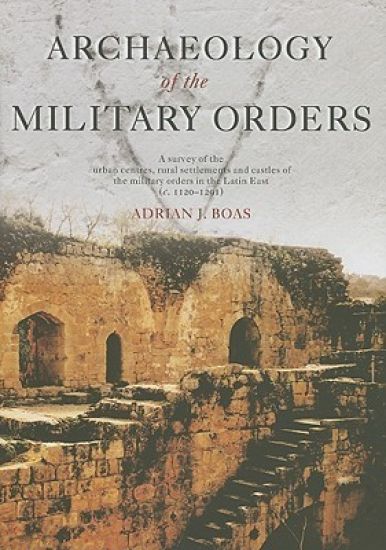
Archaeology of the Military Orders
Including previously unpublished and little known material, this cutting-edge book presents a detailed discussion of the archaeological evidence of the five military orders in the Latin East: the Hospitallers the Templars the Teutonic Knights the Leper Knights of St Lazarus the Knights of St Thomas. Discussing in detail the distinctive architecture relating to their various undertakings (such as hospitals in Jerusalem and Acre) Adrian Boas places emphasis on the importance of the Military Orders in the development of military architecture in the Middle Ages. The three principal sections of the book consist of chapters relating to the urban quarters of the Orders in Jerusalem, Acre and other cities, their numerous rural possessions, and the tens of castles built or purchased and expanded in the twelfth and thirteenth centuries. A highly illustrated and detailed study, this comprehensive volume will be an essential read for any archaeology student or scholar of this period.
Language Change

Language Change

Adrian Beard

Routledge
2004
sidottu
The Intertext series has been specifically designed to meet the needs of contemporary English Language Studies. Working with Texts: A Core Introduction to Language Analysis (second edition 2001) is the foundation text, which is complemented by a range of 'satellite titles. These provide students with hands-on practical experience of textual analysis through special topics, and can be used individually or in conjunction with Working with Texts.Language Change:examines the way external factors have influenced and are influencing language change, focusing on how changing social contexts are reflected in language useexplores the attitudes, values and assumptions that shape the way we use languagelooks at how language change operates within different genres, such as problem pages, sports reports and recipesprovides lively examples from everyday communication, including letters, emails, postcards and text messagesincludes a unit on how new words are formed and features a full glossary.