Kirjojen hintavertailu. Mukana 11 342 296 kirjaa ja 12 kauppaa.

Kirjahaku

Etsi kirjoja tekijän nimen, kirjan nimen tai ISBN:n perusteella.

1000 tulosta hakusanalla Muhammad Pervez

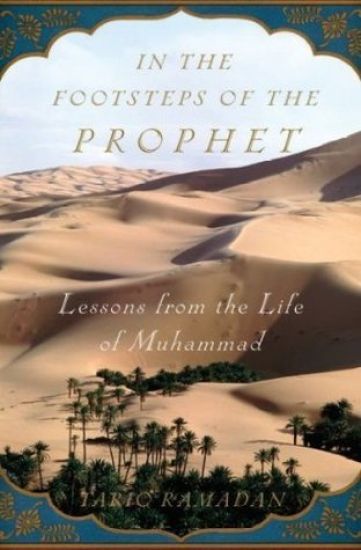
In the Footsteps of the Prophet: Lessons from the Life of Muhammad
Named by Time magazine as one of the 100 most important innovators of the century, Tariq Ramadan is a leading Muslim scholar, with a large following especially among young European and American Muslims. Now, in his first book written for a wide audience, he offers a marvelous biography of the Prophet Muhammad, one that highlights the spiritual and ethical teachings of one of the most influential figures in human history. In the Footsteps of the Prophet is a fresh and perceptive look at Muhammad, capturing a life that was often eventful, gripping, and highly charged. Ramadan provides both an intimate portrait of a man who was shy, kind, but determined, as well as a dramatic chronicle of a leader who launched a great religion and inspired a vast empire. More important, Ramadan presents the main events of the Prophet's life in a way that highlights his spiritual and ethical teachings. The book underscores the significance of the Prophet's example for some of today's most controversial issues, such as the treatment of the poor, the role of women, Islamic criminal punishments, war, racism, and relations with other religions. Selecting those facts and stories from which we can draw a profound and vivid spiritual picture, the author asks how can the Prophet's life remain -- or become again -- an example, a model, and an inspiration? And how can Muslims move from formalism -- a fixation on ritual -- toward a committed spiritual and social presence? In this thoughtful and engaging biography, Ramadan offers Muslims a new understanding of Muhammad's life and he introduces non-Muslims not just to the story of the Prophet, but to the spiritual and ethical riches of Islam.
In the Footsteps of the Prophet: Lessons from the Life of Muhammad
Named by Time magazine as one of the 100 most important innovators of the century, Tariq Ramadan is a leading Muslim scholar, with a large following especially among young European and American Muslims. Now, in his first book written for a wide audience, he offers a marvelous biography of the Prophet Muhammad, one that highlights the spiritual and ethical teachings of one of the most influential figures in human history. In the Footsteps of the Prophet is a fresh and perceptive look at Muhammad, capturing a life that was often eventful, gripping, and highly charged. Ramadan provides both an intimate portrait of a man who was shy, kind, but determined, as well as a dramatic chronicle of a leader who launched a great religion and inspired a vast empire. More important, Ramadan presents the main events of the Prophet's life in a way that highlights his spiritual and ethical teachings. The book underscores the significance of the Prophet's example for some of today's most controversial issues, such as the treatment of the poor, the role of women, Islamic criminal punishments, war, racism, and relations with other religions. Selecting those facts and stories from which we can draw a profound and vivid spiritual picture, the author asks how can the Prophet's life remain -- or become again -- an example, a model, and an inspiration? And how can Muslims move from formalism -- a fixation on ritual -- toward a committed spiritual and social presence? In this thoughtful and engaging biography, Ramadan offers Muslims a new understanding of Muhammad's life and he introduces non-Muslims not just to the story of the Prophet, but to the spiritual and ethical riches of Islam.
The Social Origins of Egyptian Expansionism during the Muhammad 'Ali Period
Color has been a subject of heated debate for as long as anyone can remember. Is it an innate part of material objects or a trick of perception and light? Is it merely superficial and decorative, or does it reveal deeper meaning? Is it the manifestation of divine presence on Earth or evidence of Satan's cunning? This debate captured the medieval imagination and influenced every aspect of life in the Middle Ages -- an era that was truly obsessed with color.Unlike the drab images popularized in films and television programs, parades of vibrant color were on display at every level of medieval European society. Not only did clothing sport gaudy and often clashing colors, but food, statues, animals, and even hair and beards flaunted the most brazen coloration. Yet not everyone revered color; many believed it to be an ephemeral, worldly deception and a symptom of immorality. As the Middle Ages drew to a close, perceptions of color gradually became emblematic of broader cultural issues. Black and blue -- which were primarily associated with asceticism, sorrow, and humility -- became the colors of choice for royalty and the urban aristocracy, while bright, flashy colors came to be associated with the devil -- who, it was believed, had painted the world in tempting hues to lure humanity into sin and away from the path to eternal salvation. As a result, every God-fearing person began to avoid colorful displays, choosing instead more somber shades, a preference still seen today in the blacks and dark blues of evening wear and business attire. Colors Demonic and Divine ranges over painting, fashion, poetry, heraldry, religion, and history to tell the story of medieval attitudes toward color and the profound and pervasive influence they still have on modern society.
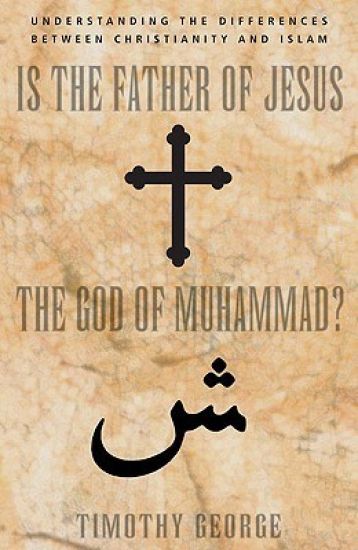
Is the Father of Jesus the God of Muhammad?
The days when western Christians could ignore the influence of Islam are over. Today as never before, the world’s second largest religion is shaping our culture, and words such as jihad, imam, Quran, and fatwa have entered our vocabulary. While all Muslims are no more alike than all Christians are alike, there are certain fundamental beliefs that all Muslims hold in common—some of which Christians would agree with, including belief in one true God. But is it the same God? How does the God of Muhammad differ from the God of Christianity? Written in a clear, passionate style that is conciliatory, balanced, and uncompromisingly biblical, this book describes and contrasts the distinctives of Christianity and Islam. Its author, a noted historian and theologian who has studied Islam for many years, writes with an eye on helping Christians better understand how to interact with Muslims. Beginning with an overview of Islam—what it is and how it arose—here are fascinating and relevant insights on · the Five Pillars of Islam · the role of religious violence from the Crusades onward · the doctrine of the Trinity and the character of God · Christian and Muslim views of Jesus Christ and salvation · what Christians can learn from Muslims · how Christians can share Christ with their Muslim neighbors . . . and more
Marcion, Muhammad and the Mahatma

Marcion, Muhammad and the Mahatma

Heikki Raisanen

SCM Press
1997
nidottu
This book, which began as the 1995-96 Edward Cadbury Lectures at the University of Birmingham, argues that our awareness of other cultural and religious traditions has brought with it a new historical consciousness of the relativity of all cultures and that this must inevitably affect our view of scripture. If biblical studies are taken really seriously, traditional ways of using the Bible in theology become unviable. We are inevitably directed towards pluralism. After all, we can now see just how great a diversity there is in the Bible itself, to such a degree as to make exclusivism not only problematical but also morally dubious. So there should be no pressure to agree with this or that biblical strand, but even the freedom to decide against all biblical options if need be. A modern attitude to the New Testament might perhaps resemble the attitude taken by early Christians like Paul to the Old Testament - with the significant difference that the radical reapplication of scripture should take place consciously, and not in a hidden or unreflective manner. This radical argument is worked out through considerations of such varied sources as Paul's Letter to the Romans and Luke-Acts; Marcion; Muhammad; the pioneering biblical scholar Isaac La Peyrere; Joseph Smith; and Mahatma Gandhi. Radical questions are asked, but the aim is a thoroughly positive one. Could it not be the ultimate goal of the dialogue that Christians should become better Christians, Muslims better Muslims, Hindus better Hindus, humanists better humanists, and so on. And should not each try to help the other to reach this goal?
God, Muhammad and the Unbelievers

God, Muhammad and the Unbelievers

David Marshall

Routledge
2014
nidottu
This study of the Qur'an arises from an interest in a pressing contemporary issue, the relationship between Muslims and non-Muslims ('the Ummah and the Other'). This text explores how the Qur'an comments on this relationship as it changed in the course of Muhammad's ministry. Particular attention is paid to the portrayal in the Meccan 'punishment-narratives' of a fascinating and complex triangular relationship between God, the powerless and persecuted believing community with Muhammad at its centre, and the unbelieving Meccans who rejected Muhammad's preaching. The text raising questions about the possible contemporary relevance of this analysis, focusing firstly on discussions about the appropriate models for Islamic society today, and secondly on dialogue between Christians and Muslims. This book presents a detailed and illuminating analysis of many important Qur'anic themes and passages, and offers a coherent and original account of significant developments within the thought of the Qur'an as a whole.
Who Was the Greatest?: Muhammad Ali

Who Was the Greatest?: Muhammad Ali

Gabe Soria

Penguin Putnam Inc
2022
pokkari
"The Who HQ Graphic Novels series does an excellent job of quickly engaging readers by capturing the drama and immediacy of pivotal historic events." — BooklistDiscover the story behind Muhammad Ali and the boxing match that captivated the world, the Thrilla In Manila, in this powerful graphic novel -- written by Murder Ballads' Gabe Soria and illustrated by award-winning artists Chris Brunner and Rico Renzi.Presenting Who HQ Graphic Novels: an exciting addition to the #1 New York Times best-selling Who Was? series!Explore the journey Muhmmad Ali took to win his final match against fellow heavyweight boxing champion Joe Frazier, known as the Thrilla in Manila. A story of athleticism, heart, and determination, this graphic novel invites readers to immerse themselves into the explosive power of the boxing champion and civil rights activist-- brought to life by gripping narrative and vivid full-color illustrations that jump off the page.A 2023 YALSA Quick Pick for Reluctant Young Adult Readers!
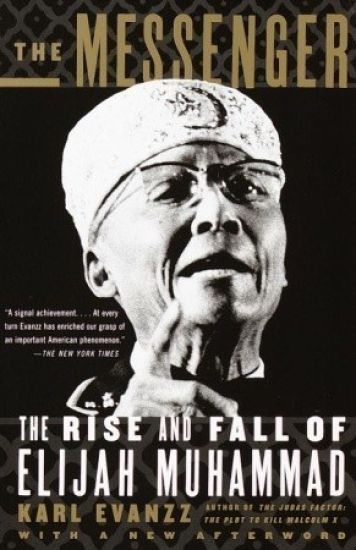
The Messenger: The Rise and Fall of Elijah Muhammad
Drawn from recently declassified FBI files, and interviews with family members and former apostles, The Messenger renders a daring portrait of one of African-American history's most controversial leaders. In this explosive biography, investigative journalist Karl Evanzz recounts the multidimensional life of a semiliterate refugee from the Jim Crow South who became the influential founder of the Nation of Islam. Considered the "Prophet" by his followers and a threat to national security by J. Edgar Hoover, Elijah Muhammad moved four million African Americans to convert to his heterodox version of Islam, and inspired the lives of Malcolm X, Muhammad Ali, Jesse Jackson, and Louis Farrakhan. But his increasingly insatiable hunger for power ultimately led Elijah Muhammad down a path of corruption, ultimately betraying his teachings and his devoted believers by womanizing, fathering thirteen illegitimate children, and abetting in the murders of those who criticized him, not least of whom, his chief disciple, Malcolm X.
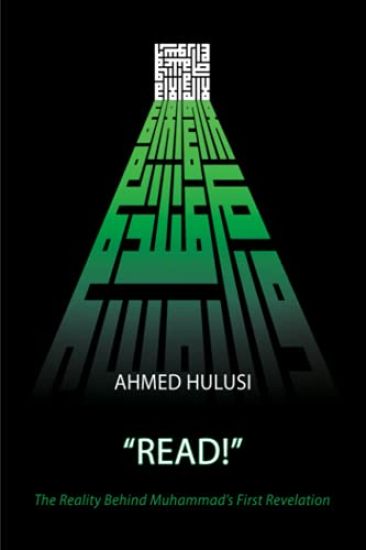
"READ!" (The Reality Behind Muhammad's First Revelation)
"READ "The Reality Behind Muhammad's First Revelation: The first verse and command of the Quran is 'READ' But how did this command reach Muhammad (saw) and what did he feel at that moment?How did the angel Gabriel (as) come to him, ask him to 'READ' and 'squeeze' him; what was this experience like for Muhammad (saw)?In this book I hope to present you with a totally unique perspective. As the title suggests, I'm going to explore 'what Muhammad (saw) read' - not literally, but actually...
God, Muhammad and the Unbelievers

God, Muhammad and the Unbelievers

David Marshall

RoutledgeCurzon
1999
sidottu
This study of the Qur'an arises from an interest in a pressing contemporary issue, the relationship between Muslims and non-Muslims ('the Ummah and the Other'). This text explores how the Qur'an comments on this relationship as it changed in the course of Muhammad's ministry. Particular attention is paid to the portrayal in the Meccan 'punishment-narratives' of a fascinating and complex triangular relationship between God, the powerless and persecuted believing community with Muhammad at its centre, and the unbelieving Meccans who rejected Muhammad's preaching. The text raising questions about the possible contemporary relevance of this analysis, focusing firstly on discussions about the appropriate models for Islamic society today, and secondly on dialogue between Christians and Muslims. This book presents a detailed and illuminating analysis of many important Qur'anic themes and passages, and offers a coherent and original account of significant developments within the thought of the Qur'an as a whole.
War and Peace in the Life of the Prophet Muhammad

War and Peace in the Life of the Prophet Muhammad

Zakaria Bashier

Islamic Foundation
2007
nidottu
By analyzing the Prophet's conduct in war and his measures for ensuring peace the misperception that Islam is inextricably linked with violence can be allayed. The major battles in the early history of Islam are studied in the wider context of Islamic teachings on war and peace, as are the Qur'anic verses which allow Muslims to wage war, if necessary.
Near Eastern Cities from Alexander to the Successors of Muhammad
Near Eastern Cities from Alexander to the Successors of Muhammad compares the evolution of several cities in the Near East from the time of Alexander the Great until the beginning of the Islamic 'Abbasid Dynasty. This volume examines both archaeological remains and literary sources to explain the diversity of imperial, cultural, and religious influences on urban life. It offers several case studies chosen from different regions of the Roman Near East, demonstrating that Greco-Roman and Islamic culture spread unevenly through these various cities, and that it is impossible to make broad generalizations. It argues instead that there were different patterns of urbanism that demonstrate a continued vitality of civic life up to the 'Abbasid revolution.Near Eastern Cities from Alexander to the Successors of Muhammad will be of particular interest to students of this period in the Ancient Near East, as well as those studying ancient cities and everyday life.
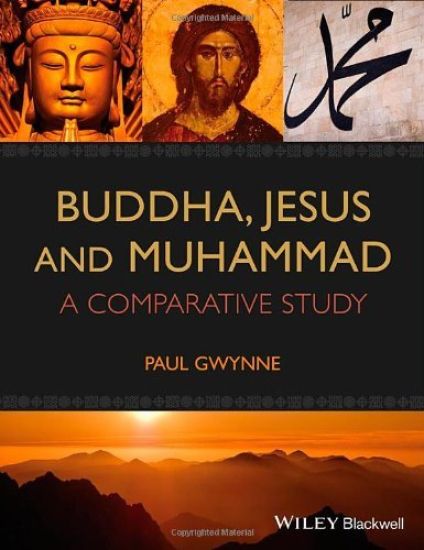
Buddha, Jesus and Muhammad

Buddha, Jesus and Muhammad

Paul Gwynne

John Wiley Sons Inc
2014
nidottu
This cool, clear-sighted comparative study has no theological axe to grind. It offers a trusty thematic guide to the figureheads of three of the largest religions in the world. The comparative approach is descriptive and even-handed, highlighting both similarities and differences across a range of major areas.The thematic chapters cover: early life, followers, the core message, political attitudes, relations with women, and death.The engaging writing and descriptive approach make this an ideal text for students, instructors and general readers.
Buddha, Jesus and Muhammad

Buddha, Jesus and Muhammad

Paul Gwynne

John Wiley Sons Inc
2014
sidottu
This cool, clear-sighted comparative study has no theological axe to grind. It offers a trusty thematic guide to the figureheads of three of the largest religions in the world. The comparative approach is descriptive and even-handed, highlighting both similarities and differences across a range of major areas.The thematic chapters cover: early life, followers, the core message, political attitudes, relations with women, and death.The engaging writing and descriptive approach make this an ideal text for students, instructors and general readers.
Near Eastern Cities from Alexander to the Successors of Muhammad
Near Eastern Cities from Alexander to the Successors of Muhammad compares the evolution of several cities in the Near East from the time of Alexander the Great until the beginning of the Islamic 'Abbasid Dynasty. This volume examines both archaeological remains and literary sources to explain the diversity of imperial, cultural, and religious influences on urban life. It offers several case studies chosen from different regions of the Roman Near East, demonstrating that Greco-Roman and Islamic culture spread unevenly through these various cities, and that it is impossible to make broad generalizations. It argues instead that there were different patterns of urbanism that demonstrate a continued vitality of civic life up to the 'Abbasid revolution.Near Eastern Cities from Alexander to the Successors of Muhammad will be of particular interest to students of this period in the Ancient Near East, as well as those studying ancient cities and everyday life.
Biografi Kehidupan Siti Aminah Binti Wahab Ibunda Nabi Muhammad SAW Edisi Bahasa Indonesia
Biografi Sejarah Kehidupan Siti Aminah Binti Wahab Ibunda Nabi Muhammad SAW Utusan Tuhan Semesta Alam Yang Terakhir Edisi Bahasa Indonesia Bersumberkan Dari Kitab Suci Al-Quran Dan Al-Hadist. Ibunda Aminah binti Wahab adalah ibu yang melahirkan Nabi Muhammad SAW, Nabi umat Islam. Aminah menikah dengan Abdullah. Tidak terdapat keterangan mengenai lahirnya beliau, dan menurut sejarah ia meninggal pada tahun 577 ketika dalam perjalanan menuju Yatsrib untuk mengajak Nabi Muhammad SAW mengunjungi pamannya dan melihat kuburan ayahnya. Siti Aminah dilahirkan di Mekkah. Ayah Ibunda Aminah adalah pemimpin Bani Zuhrah, yang bernama Wahab bin Abdul Manaf bin Zuhrah bin Kilab. Sedangkan ibu Aminah adalah Barrah binti Abdul Uzza bin Utsman bin Abduddar bin Qushay. Siti Aminah adalah pemimpin para ibu, karena ia ibu Nabi Muhammad SAW yang dipilih Allah SWT sebagai Rasul pembawa risalah untuk umat manusia hingga akhir zaman. Baginda Muhammadlah penyeru kebenaran dan keadilan serta kebaikan berupa agama Islam. "Dan barangsiapa memilih agama selain Islam, maka tiadalah diterima (agama itu) darinya. Dan di akhirat termasuk orang-orang yang rugi." (QS. Ali Imran: 85) Tak banyak sejarawan yang mengupas masa hidupnya, namun nama ini senantiasa semerbak bersama hembusan angin keindahan. Perjalanannya yang indah nan suci telah mengukir perubahan besar perputaran zaman. Siapa yang tak kenal Bani Hasyim; karena dari kabilah inilah Nabi Muhammad SAW dilahirkan. Siapa pula yang tak kenal Bani Zuhrah; sebuah kabilah yang pernah menyimpan wanita suci dan mulia, karena dari rahimnya lahir sebuah cahaya agung yang membawa pembaharuan besar di dunia ini, Aminah binti Wahab Ibunda Rasululllah SAW Utusan Allah SWT Sang Pencipta Alam Semesta Yang Terakhir.
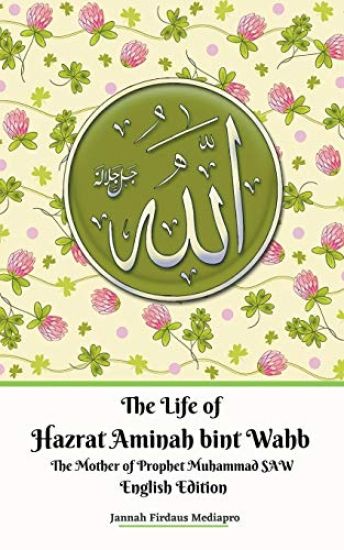
The Life of Hazrat Aminah bint Wahb The Mother of Prophet Muhammad SAW English Edition
The Life of Hazrat Aminah bint Wahb The Mother of Prophet Muhammad SAW Last Messenger of Allah SWT (God) English Edition Hardcover Version Based from The Holy Quran and Al-Hadith. Allah SWT (God) Almighty created the father of mankind, Prophet Adam (Pbuh). When Adam raised his head, he saw that some name was written with an enormous Nur (heavenly light) at the Great Throne: "Ahmad." He asked wondering: "O my Lord, what is that light?" God Almighty replied: "It is the light of a prophet who is going to come from your offspring. His name is Ahmad up in the heaven and Muhammad on earth. If it hadn't been for him, I wouldn't have created you as well " The enormous truth that we faithfully adhere was also proclaimed by the owner of the light after billions of years. One day, one of the Companions, Abdullah bin Jabir (may Allah be pleased with him) asked, "Oh Allah's Messenger, will you explain what Allah created before everything else"? He replied: "Before everything, He created your Messenger's noor (light) from His own light. The light would travel with Allah's power and as it wished. At that time, there was no lawh mahfuz (preserved tablet), no pen, no Heaven, no Hell, no angel, no sky, no land, no sun, no moon, no person, and no jinn. Firstly, the Light that enlightened the heavens with all its grandeur secondly shone in the forehead of Adam (PBUH). Then, from one prophet to another, It came to Abraham (PBUH) and through him to his son Ismael (PBUH). Firstly, the Light that enlightened the heavens with all its grandeur secondly shone in the forehead of Adam (PBUH). Then, from one prophet to another, It came to Abraham (PBUH) and through him to his son Ismael (PBUH).
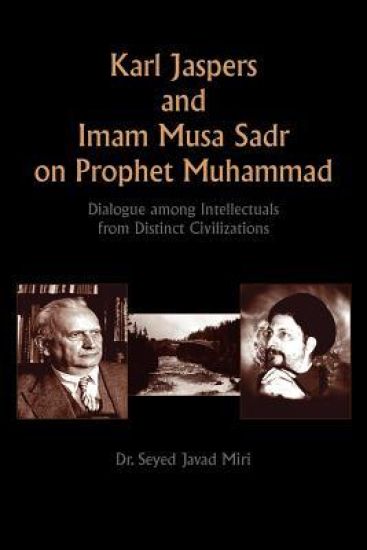
Karl Jaspers and Imam Musa Sadr On Prophet Muhammad
The underlying question in this work is related to the paradigmatic role of Prophet Muhammad and how this paradigm has been understood by both Jaspers and Sadr and why they have come to two different conclusions on this very pivotal issue and furthermore how these differences affected the dialogue among civilizations or more importantly the dialogue among elite intellectuals in Iran (and those intellectuals who work within the paradigm of Sacred Intellectual Tradition in general) and Germany (and those intellectuals who work within the paradigm of the Secular Tradition in general). It is of profound interest to go beyond the journalistic approaches to the questions of 'difference', 'otherness', 'traditions', 'dialogue', 'possibilities of dialogue', and all that which make up the very backbone of contemporary incomprehensibilities across various civilizations, cultures, societies, nations, ethnicities and systems and instead construct common grounds and grounds of commonalities which could touch the hearts of men and women in a meaningful fashion and fashions which are of meaningful depths, i.e. inspired by Revelation (in religious sense), Intellection (in metaphysical sense), and Beautiful (in aesthetical sense). We cannot leave these issues in the hands of politicians or spin doctors who design the relations between human beings based on geostrategical interests of multinational companies rather than interaction between souls which could elevate the quality of human condition by overcoming the boundaries of ignorance or surpassing the predicament of ignoring the suffering of the others based on any illusory justifications.