

Kirjahaku
Etsi kirjoja tekijän nimen, kirjan nimen tai ISBN:n perusteella.
1000 tulosta hakusanalla Alexander Rob

First Down, First Love: Bonny Park High School
Steven Robert Alexander
Createspace Independent Publishing Platform
2012
nidottu
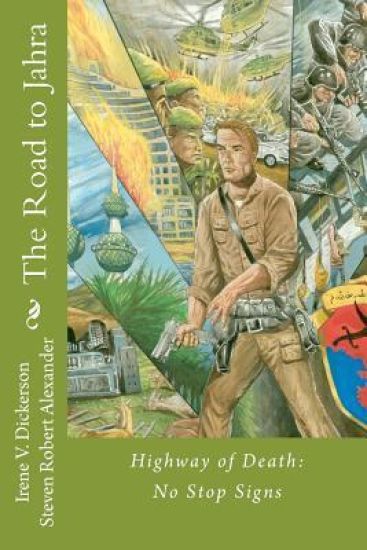
The Road To Jahra
Steven Robert Alexander; Irene V. Dickerson
Createspace Independent Publishing Platform
2012
nidottu

Passed by Congress in July 1787, the Northwest Ordinance laid out the basic form of government for all U.S. territory north of the Ohio River. That summer, the Constitutional Convention drafted the defining document of the American Republic as a whole. A bargain struck between Congress and the Convention outlawed slavery north of the Ohio, but gave Southern states a Congressional and Electoral College representation based on population figures that included slaves--each valued at three-fifths of a free white citizen. Because of this agreement, the western lands acquired from Great Britain after the Revolutionary War were divided into slave and free states--a compromise which, when it failed, precipitated the Civil War 74 years later. For years most historians denied that this political deal took place. Drawing on contemporary letters and documents, this detailed analysis re-examines the Ordinance and how Congress silently permitted the South's "peculiar institution" to move westward.

After the American Revolution, land speculators in the United States desired the bottom portion of the current state of Ohio, with the full Northwest Territory being the ultimate prize. Encompassing approximately 200 million acres, gaining this territory became a priority for the developing United Colonies. This land was ceded to the United Colonies, now the United States, when the British government signed the Treaty of Peace in 1783. Focusing on the first decade after the Revolution, this book explains the United States' seizure of territory in Ohio from the Native People who had no desire or intention of parting with their land. The Northwest Ordinance is discussed as a key event influencing how the United States would develop since this act created the desirable Northwest Territory. How the young republic faced the challenge of gaining this territory from the Natives determined exactly what kind of nation it would become.
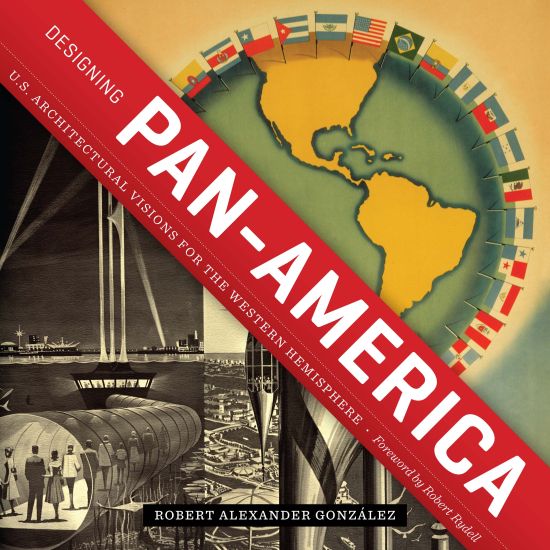
Coinciding with the centennial of the Pan American Union (now the Organization of American States), GonzÁlez explores how nineteenth- and twentieth-century U.S. architects and their clients built a visionary Pan-America to promote commerce and cultural exchange between United States and Latin America. Late in the nineteenth century, U.S. commercial and political interests began eyeing the countries of Latin America as plantations, farms, and mines to be accessed by new shipping lines and railroads. As their desire to dominate commerce and trade in the Western Hemisphere grew, these U.S. interests promoted the concept of "Pan-Americanism" to link the United States and Latin America and called on U.S. architects to help set the stage for Pan-Americanism's development. Through international expositions, monuments, and institution building, U.S. architects translated the concept of a united Pan-American sensibility into architectural or built form. In the process, they also constructed an artificial ideological identity-a fictional Pan-America peopled with imaginary Pan-American citizens, the hemispheric loyalists who would support these projects and who were the presumed benefactors of this presumed architecture of unification. Designing Pan-America presents the first examination of the architectural expressions of Pan-Americanism. Concentrating on U.S. architects and their clients, Robert Alexander GonzÁlez demonstrates how they proposed designs reflecting U.S. presumptions and projections about the relationship between the United States and Latin America. This forgotten chapter of American architecture unfolds over the course of a number of international expositions, ranging from the North, Central, and South American Exposition of 1885–1886 in New Orleans to Miami's unrealized Interama fair and San Antonio's HemisFair '68 and encompassing the Pan American Union headquarters building in Washington, D.C. and the creation of the Columbus Memorial Lighthouse in the Dominican Republic.
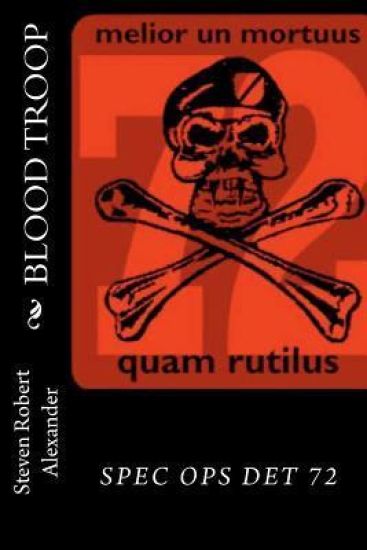
Blood Troop: Special Operations Detachment 72
Steven Robert Alexander
Createspace Independent Publishing Platform
2012
nidottu

The Adventures of Sherlock Fox
Steven Robert Alexander
Createspace Independent Publishing Platform
2012
nidottu
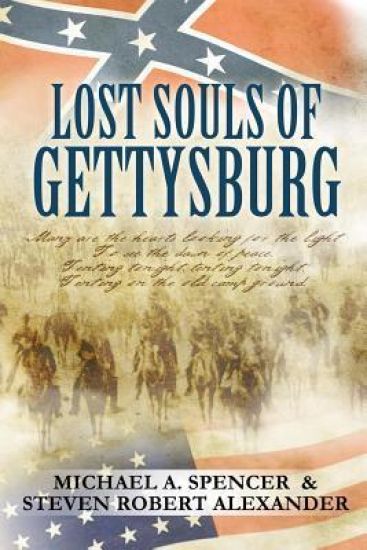
Lost Souls of Gettysburg
Steven Robert Alexander; Michael a. Spencer
Createspace Independent Publishing Platform
2013
nidottu
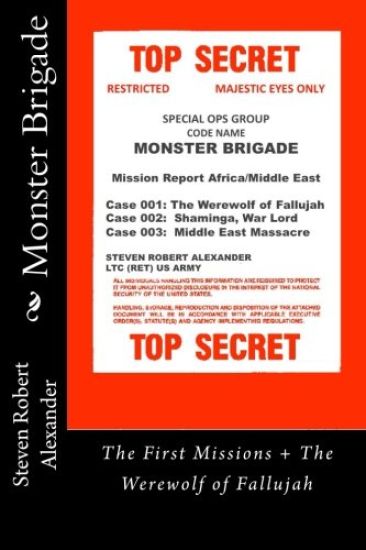
Monster Brigade: Mobilization + The Werewolf of Fallujah
Steven Robert Alexander
Createspace Independent Publishing Platform
2013
nidottu
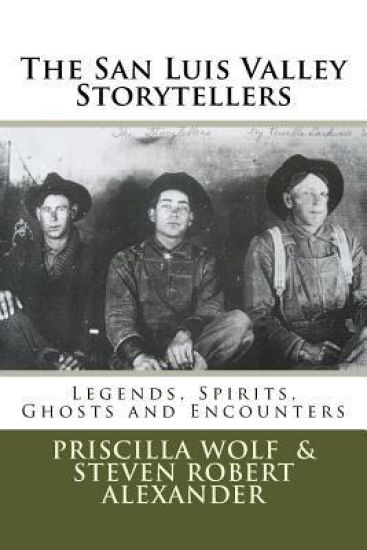
The San Luis Valley Storytellers: Legends, Spirits, Ghosts and Encounters
Steven Robert Alexander; Priscilla Wolf
Createspace Independent Publishing Platform
2013
nidottu

UFO Institute International History and Investigations 20 Year Report
Steven Robert Alexander Ltc (R
Createspace Independent Publishing Platform
2013
nidottu

Never Leave A Fallen Comrade
Steven Robert Alexander
Createspace Independent Publishing Platform
2013
nidottu


The Crime Files of Inspector Blaise; Foetal Attraction: Foetal Attraction
Robert Alexander Gibb
Createspace Independent Publishing Platform
2013
nidottu

An Unfortunate Fortune
Robert Alexander Gibb
Createspace Independent Publishing Platform
2013
nidottu

The Crime Files of Inspector Blaise: The Psycho Path
Robert Alexander Gibb
Createspace Independent Publishing Platform
2013
nidottu

The Crime Files of Inspector Blaise
Robert Alexander Gibb
Createspace Independent Publishing Platform
2013
nidottu