
Kirjahaku
Etsi kirjoja tekijän nimen, kirjan nimen tai ISBN:n perusteella.
1000 tulosta hakusanalla C G Addison

In Anbetracht der Tatsache, dass psychologische Variablen bestimmende Faktoren f r die Bewertung sozialer und individueller Ph nomene sind, zielt dieses Buch darauf ab, das Thema Impulsivit t und Verschuldung zu behandeln. Ausgehend von der Annahme, dass eine der gro en Folgen der Impulsivit t die Verluste eines schlechten Finanzmanagements sind, wurde eine Forschung durchgef hrt, die die Beziehung zwischen personalistischen Variablen bei Personen der erwachsenen Bev lkerung, die eine gewisse Verschuldung haben, evaluierte. Ein zentraler Punkt dieser Studie ist nicht nur zu berpr fen, die Beziehungen der vari reis, sondern auch die Entwicklung von Strategien der Intervention in diesen Einstellungen, um eine bessere Lebensqualit t f r die Menschen und die Eingliederung in den sozialen Kontext, durch die Rettung ihrer Selbstbehauptung, die auch eine gr ere finanzielle Kontrolle.
Considering that psychological variables are determining factors for the evaluation of social and individual phenomena, this book aims to address the theme of impulsiveness and indebtedness. Based on the assumption that one of the great consequences of impulsiveness is the losses of poor financial management, a research was carried out, which evaluated the relationship between personalistic variables in people of the adult population who have some debt. A central point of this study is not only to verify the relations of vari reis, but also to develop strategies of intervention in these attitudes in order to promote better quality of life for people and insertion in the social context, through the rescue of their self-assertion, also allowing greater financial control.
Considerando que las variables psicol gicas son factores determinantes para la evaluaci n de los fen menos sociales e individuales, este libro tiene como objetivo abordar el tema de la impulsividad y el endeudamiento. Partiendo del supuesto de que una de las grandes consecuencias de la impulsividad es la p rdida de una mala gesti n financiera, se realiz una investigaci n que evalu la relaci n entre las variables personalistas en personas de la poblaci n adulta que tienen alguna deuda. Un punto central de este estudio es no s lo verificar las relaciones de los vari reis, sino tambi n desarrollar estrategias de intervenci n en estas actitudes para promover una mejor calidad de vida de las personas y su inserci n en el contexto social, mediante el rescate de su autoafirmaci n, permitiendo tambi n un mayor control financiero.
Consid rant que les variables psychologiques sont des facteurs d terminants pour l' valuation des ph nom nes sociaux et individuels, ce livre vise aborder le th me de l'impulsivit et de l'endettement. Partant de l'hypoth se que l'une des grandes cons quences de l'impulsivit est la perte d'une mauvaise gestion financi re, une recherche a t men e, qui a valu la relation entre les variables personnalistes chez les personnes de la population adulte qui ont une certaine dette. Un point central de cette tude est non seulement de v rifier les relations des vari reis, mais aussi de d velopper des strat gies d'intervention dans ces attitudes afin de promouvoir une meilleure qualit de vie pour les personnes et l'insertion dans le contexte social, travers le sauvetage de leur affirmation de soi, permettant galement un plus grand contr le financier.
Aangezien psychologische variabelen bepalend zijn voor de evaluatie van sociale en individuele fenomenen, wil dit boek ingaan op het thema van impulsiviteit en schuldenlast. Op basis van de veronderstelling dat een van de grote gevolgen van impulsiviteit het verlies van slecht financieel beheer is, werd een onderzoek uitgevoerd dat de relatie tussen personalistische variabelen bij mensen van de volwassen bevolking met enige schuldenlast evalueerde. Een centraal punt van deze studie is niet alleen het verifi ren van de relaties van vari reis, maar ook het ontwikkelen van interventiestrategie n in deze attitudes om een betere kwaliteit van leven voor mensen en de invoeging in de sociale context te bevorderen, door middel van het redden van hun zelfbevestiging, waardoor ook een grotere financi le controle mogelijk is.
Biorąc pod uwagę, że zmienne psychologiczne są czynnikami determinującymi ocenę zjawisk spolecznych i indywidualnych, niniejsza książka ma na celu poruszenie tematu impulsywności i zadlużenia. Wychodząc z zalożenia, że jedną z wielkich konsekwencji impulsywności są straty wynikające ze zlego zarządzania finansami, przeprowadzono badania, kt re ocenily relacje między zmiennymi personalistycznymi u os b doroslych, kt re mają pewne zadlużenie. Centralnym punktem tego badania jest nie tylko weryfikacja relacji wariantu, ale także opracowanie strategii interwencji w te postawy w celu promowania lepszej jakości życia ludzi i wlączenia się w kontekst spoleczny, poprzez ratowanie ich samoafirmacji, pozwalając także na większą kontrolę finansową.
Numerische Steuerung (NC) bezieht sich auf die Verwendung codierter numerischer Informationen bei der automatischen Steuerung von Ger ten. Numerische Steuerung kann als eine Art programmierbare Automatisierung definiert werden, bei der der Prozess durch Zahlen, Buchstaben und Symbole gesteuert wird. Die Zahlen, Buchstaben und Symbole sind als "Befehlsprogramm" f r einen bestimmten Auftrag angeordnet. Die alphanumerischen Daten stellen relative Positionen zwischen einem Arbeitskopf und einem Werkst ck sowie andere Anweisungen dar, die f r den Betrieb der Maschine erforderlich sind. Der Arbeitskopf ist ein Schneidwerkzeug oder eine andere Bearbeitungsvorrichtung, & das Werkst ck ist das zu bearbeitende Objekt. Die Hauptanwendungen der numerischen Steuerung sind Werkzeugmaschinen-anwendungen, wie Bohren, Fr sen, Drehen, Schleifen usw., & Nicht-Werkzeugmaschinenanwendungen, wie Montage, Zeichnen. Die h ufigsten Anwendungen der NC liegen in der Steuerung von Werkzeugmaschinen. Die Werkzeugmaschinen und Prozesse, die derzeit von leistungsf higen Computern gesteuert werden, werden als CNC-Maschinen (Computer Numerical Control) bezeichnet. Die numerische Computersteuerung ist definiert als ein NC-System, dessen Maschinensteuereinheit auf einem speziellen Mikrocomputer und nicht auf einer fest verdrahteten Steuerung basiert.
El control num rico (NC) se refiere al uso de informaci n num rica codificada en el control autom tico del equipo. El Control Num rico puede definirse como un tipo de automatizaci n programable en el que el proceso es controlado por n meros, letras y s mbolos. Los n meros, letras y s mbolos est n dispuestos como un "programa de instrucciones" para un trabajo en particular. Tal programa se denomina programa de piezas. Los datos alfanum ricos representan las posiciones relativas entre un cabezal de trabajo y una pieza de trabajo, as como otras instrucciones necesarias para operar la m quina. El cabezal de trabajo es una herramienta de corte u otro aparato de procesamiento, y la pieza de trabajo es el objeto que se est procesando. Las principales aplicaciones del control num rico son aplicaciones de m quinas herramientas, como taladrar, fresar, tornear, rectificar, etc., y aplicaciones de herramientas no mec nicas, como ensamblar, dibujar. Las aplicaciones m s comunes del CN son en el control de m quinas herramientas. Las m quinas herramientas y los procesos que actualmente est n siendo controlados por potentes ordenadores se denominan M quinas de control num rico computarizado (CNC). El control num rico computarizado se define como un sistema de CN cuya unidad de control de la m quina se basa en un microordenador dedicado en lugar de en un controlador con cables.
La commande num rique (CN) fait r f rence l'utilisation d'informations num riques cod es dans la commande automatique d' quipements. La commande num rique peut tre d finie comme une sorte d'automatisation programmable dans laquelle le processus est contr l par des chiffres, des lettres et des symboles. Les chiffres, les lettres et les symboles sont organis s comme un "programme d'instructions" pour un travail particulier. Les donn es alphanum riques repr sentent les positions relatives entre une t te de travail et une pi ce de travail ainsi que d'autres instructions n cessaires au fonctionnement de la machine. Les principales applications de la commande num rique sont les applications de machines-outils, telles que le per age, le fraisage, le tournage, la rectification, etc. et les applications non li es aux machines-outils, telles que l'assemblage, le dessin. Les applications les plus courantes de la commande num rique se trouvent dans le contr le des machines-outils. Les machines-outils et les processus actuellement contr l s par de puissants ordinateurs sont appel s machines commande num rique par ordinateur (CNC). La commande num rique par ordinateur est d finie comme un syst me de CN dont l'unit de commande de la machine est bas e sur un micro-ordinateur d di plut t que sur un contr leur c bl .
Il controllo numerico (NC) si riferisce all'uso di informazioni numeriche codificate nel controllo automatico delle apparecchiature. Il Controllo Numerico pu essere definito come una sorta di automazione programmabile in cui il processo controllato da numeri, lettere e simboli. I numeri lettere & simboli sono disposti come un "programma di istruzioni" per un particolare lavoro. Tale programma chiamato programma di pezzi. I dati alfanumerici rappresentano le posizioni relative tra una testa di lavoro e un pezzo, nonch altre istruzioni necessarie per il funzionamento della macchina. La testa di lavoro un utensile da taglio o altro apparato di lavorazione, e il pezzo da lavorare l'oggetto da lavorare. Le principali applicazioni del Controllo Numerico sono le applicazioni della macchina utensile, come la foratura, la fresatura, la tornitura, la rettifica ecc. e le applicazioni di utensili non macchina, come l'assemblaggio, il disegno. Le applicazioni pi comuni del controllo numerico sono nel controllo delle macchine utensili. Le macchine utensili e i processi attualmente controllati da potenti computer sono denominati Macchine a controllo numerico (CNC). Il controllo numerico computerizzato definito come un sistema NC la cui Unit di Controllo Macchina basata su un microcomputer dedicato piuttosto che su un controller cablato.
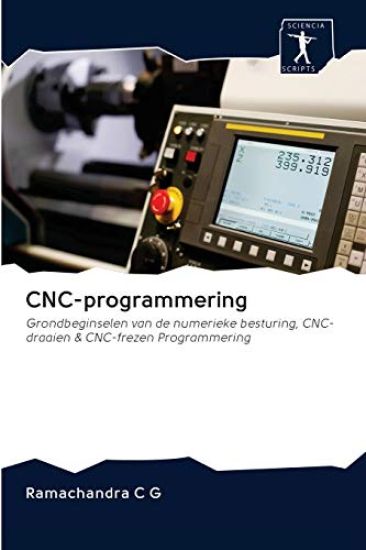
Numerieke controle (NC) verwijst naar het gebruik van gecodeerde numerieke informatie bij de automatische controle van apparatuur. Numerieke besturing kan worden gedefinieerd als een soort programmeerbare automatisering waarbij het proces wordt aangestuurd door cijfers, letters en symbolen. De cijfers, letters en symbolen zijn gerangschikt als een "programma van instructies" voor een bepaalde taak. Een dergelijk programma wordt een onderdeelprogramma genoemd. De alfanumerieke gegevens staan voor relatieve posities tussen een werkkop & een werkstuk en andere instructies die nodig zijn om de machine te bedienen. De werkkop is een snijgereedschap of een ander bewerkingsapparaat, & het werkstuk is het object dat wordt verwerkt. De belangrijkste toepassingen van Numerical Control zijn Machine-toepassingen, zoals boren, frezen, draaien, slijpen etc., & Niet-machine-toepassingen, zoals assemblage, tekenen. De meest voorkomende toepassingen van NC zijn in werktuigmachinebesturing. De werktuigmachine en processen die momenteel door krachtige computers worden aangestuurd, worden aangeduid als Computer numerical control (CNC) Machines. Computer numerieke besturing wordt gedefinieerd als een NC-systeem waarvan de Machine Control Unit is gebaseerd op een speciale microcomputer in plaats van op een hard-wired controller.

Kontrola numeryczna (NC) odnosi się do stosowania zakodowanych informacji numerycznych w automatycznej kontroli urządzeń. Sterowanie numeryczne można zdefiniowac jako rodzaj programowalnej automatyki, w kt rej proces jest sterowany za pomocą liczb, liter i symboli. Cyfry, litery i symbole są ulożone jako "program instrukcji" dla danego zadania. Taki program nazywany jest programem części. Dane alfanumeryczne przedstawiają względne pozycje pomiędzy glowicą i elementem obrabianym, jak r wnież inne instrukcje potrzebne do obslugi maszyny. Glowica robocza jest narzędziem tnącym lub inną obrabiarką, a przedmiot obrabiany to element obrabiany. Gl wnymi zastosowaniami sterowania numerycznego są zastosowania obrabiarek, takie jak wiercenie, frezowanie, toczenie, szlifowanie itp. oraz zastosowania narzędzi nie obrabiarkowych, takie jak montaż, szkicowanie. Najczęstsze zastosowania NC to sterowanie obrabiarkami. Obrabiarki i procesy obecnie sterowane przez potężne komputery nazywane są Maszynami Sterowania Numerycznego (CNC). Komputerowe sterowanie numeryczne jest definiowane jako system NC, kt rego Jednostka Sterowania Maszynami jest oparta na dedykowanym mikrokomputerze, a nie na przewodowym sterowniku.
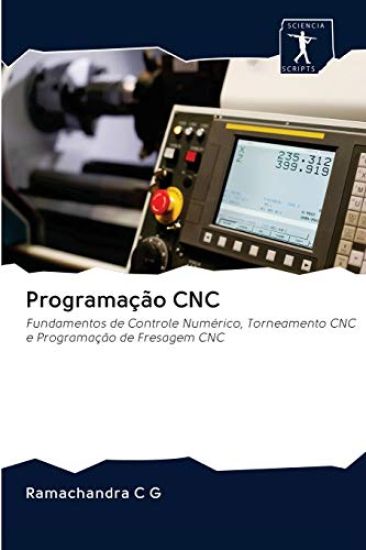
Controle num rico (NC) refere-se ao uso de informa o num rica codificada no controle autom tico do equipamento. O Controle Num rico pode ser definido como uma esp cie de automa o program vel na qual o processo controlado por n meros, letras e s mbolos. Os n meros letras & s mbolos s o dispostos como um "programa de instru es" para um determinado trabalho. Os dados alfanum ricos representam posi es relativas entre uma cabe a de trabalho e uma pe a de trabalho, assim como outras instru es necess rias para operar a m quina. A cabe a de trabalho uma ferramenta de corte ou outro aparelho de processamento, & a pe a de trabalho o objeto a ser processado. As principais aplica es do Controle Num rico s o aplica es de M quinas-ferramenta, tais como furar, fresar, tornear, retificar, etc., & Aplica es de ferramentas n o-m quinas, tais como montagem, estiragem. As aplica es mais comuns de Controle Num rico s o no controle de m quinas-ferramenta. As m quinas-ferramenta e processos que atualmente s o controlados por computadores potentes s o denominados como M quinas de Controle Num rico Computadorizado (CNC). O controle num rico computadorizado definido como um sistema NC cuja Unidade de Controle de M quina baseada em um microcomputador dedicado e n o em um controlador com fio r gido.
A Morte e o Morrer do Paciente
Cristiane C G Thomaz; Dolores A S de Amorim; Kyra V Alóchio
Novas Edições Acadêmicas
2018
nidottu
Manufacturing, in the broadest sense, is the process of converting raw materials into products. It consists of Designing the product, Selection of raw materials, Sequence of processes through which the product will be manufactured. In other words, manufacturing is the economic term for making goods and services available to satisfy human needs and wants. Manufacturing implies creating value by applying useful mental and / or physical labour. It is also defined as a process to shape metals, machine them and join them to produce different component parts. In the casting process, the material is given the desired shape by melting it. The molten material is poured into a cavity of the desired shape and size of the product to be produced, allowing it to solidify. The cavity is made in a suitable material held in a box called mould. After solidification, the end product is extracted from the mould. Metal Joining Process is a joining of two or more pieces together to produce the required shape and/or size of the product. Before joining, the components may be manufactured by any of the processes. Different methods are used for joining two or more parts together such as Welding, Soldering.
Management information system is a general term for the academic discipline covering the application of people, technologies and procedures collectively. The information system could be used to provide solutions to business problems. In organizations, an information system supports not only business processes and operations but also decision making & competitive strategies which are the important factors in effective performance. Managing such an enterprise needs development of information systems in the functional areas which is the backbone of majority of organizations & such systems are referred to as Management information system. As applied to Management information system, the work under consideration can be defined technically as a set of interrelated information of various departments of the organization concerned which will support a smooth flow of information from one department to the other & generate the useful reports at any required time.In today's world of ever increasing complexities of business as well as management, every organization to survive and grow must have an efficient and effective MIS.