Her brilliant, disturbing fiction shows her deep understanding of the longing and struggle in women's lives. This masterly new biography draws on new material and delves into every aspect of Wharton's extraordinary life-story.
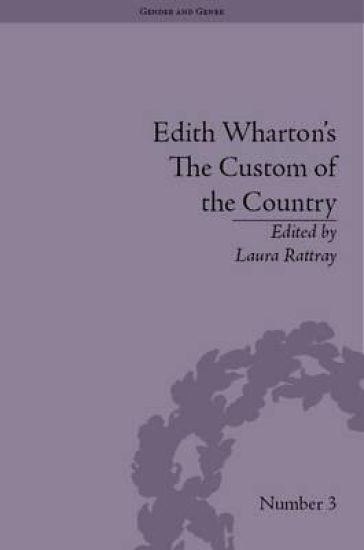
Bringing together leading Wharton scholars from Europe, and North America, this volume offers the first ever collection of essays on Edith Wharton's 1913 tour de force, The Custom of the Country.
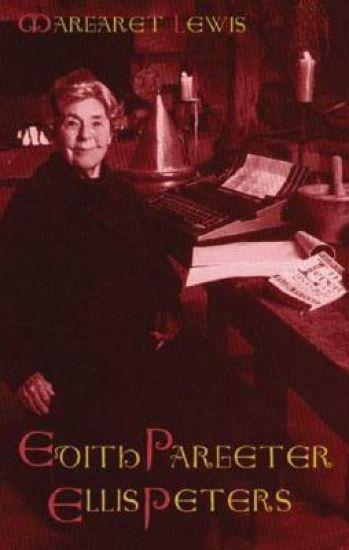
This perceptive survey of the two faces of prolific and award-winning author Edith Pargeter explores both her life and her work. Pargeter is best known as Ellis Peters, the author of the Chronicles of Brother Cadfael. These 20 novels have been televised and adapted for radio and have played a major role in turning crime writing into a literary genre and making historical detectives popular. Also discussed are Pargeter's series of 14 Inspector Felse novels, written under her real name, and her further novels, including two outstanding historical sequences. The Brothers of Gwynedd quartet and The Heaven Tree trilogy. The Eighth Champion of Christendom, a trilogy of novels about the Second World War, is also illuminated.
For the better part of forty years, Edith Sitwell's poetry has been neglected by critics. But born into a family of privileged eccentrics, Edith Sitwell was highly regarded by her contemporaries: the great writers and artists of the day who attended her unlikely London literary salon. Her quips and anecdotes were legendary and her works like English Eccentrics confirmed her comic genius, while later she established herself as the quintessential poet of the Blitz.This masterly biography, meticulously researched and drawing on many previously unseen letters, firmly places Edith Sitwell in the literary tradition to which she belongs.
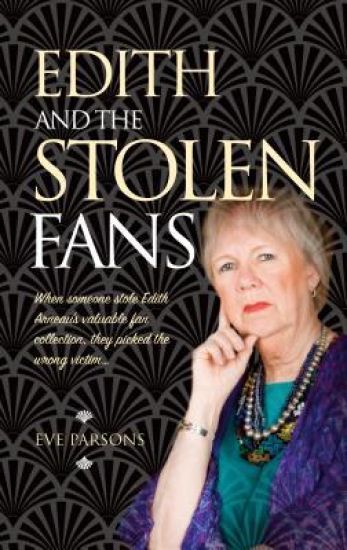
Edith Arneau may be in her sixties, but her unruly behaviour makes her the despair of the staff in the home where she lives in retirement. However, her resourcefulness, her background as an actress and her remarkable climbing skills come in handy when her valuable cabinet of antique fans, collected during her years on the stage, is mysteriously stolen from her room. Helped by the assistant matron, Maree, and their male companions, she sets out for France in the hope of tracking them down. But it is not long before Edith herself disappears...A charming 'whodunnit' set in England and the South of France.
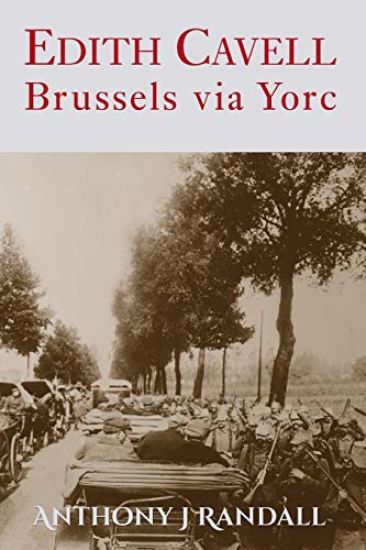
Anthony J Randall examines the resistance movement along the French and Belgian border during the first year of the Great War, culminating with the execution of Edith Cavell and Philippe Baucq in October 1915. There were others: Louise Thuliez, Henriette Moriamé, Jacqueline Van Til, Princess Marie de Croy and Jeanne de Belleville. They all sacrificed their freedom, if not their lives. Some were from the French and Belgian aristocracy, others were simple peasants; all were patriots. Some were rewarded, others returned to obscurity: all were heroes. Georges Gaston Quien plays his part in the story. A Frenchman for whom the war was a game and for whom the consequences of his actions deserve to be his epitaph.
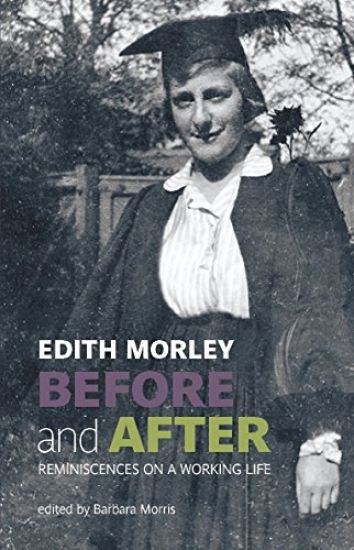
Edith Morley (1875-1964) was a scholar and the main 20th century editor of the works of Henry Crabb Robinson. She was the first woman appointed to a chair at an English university-level institution. Born into a middle-class Victorian family, she hated being a girl, but a forward-thinking home life and a good education enabled her to overcome prejudices and become Professor of English Language at University College, Reading, in 1908. An early feminist with a strong social conscience, she ‘fought… with courage… and passionate sincerity for human rights and freedom.’ Covering the vividly described era of her late Victorian childhood, her student days with the increasing freedoms they brought, the early feminist movement, the growing pains of a new university and, much later, the traumas endured by refugees fleeing Nazi Germany, this absorbing memoir brings alive a very different era, one foundational to the freedoms we enjoy today. Intended to ‘relate my experiences to the background of my period and to portray incidents in the life of a woman born in the last quarter of the nineteenth century’, Edith Morley’s 1944 memoir, Before and After, was written a few years after her retirement.
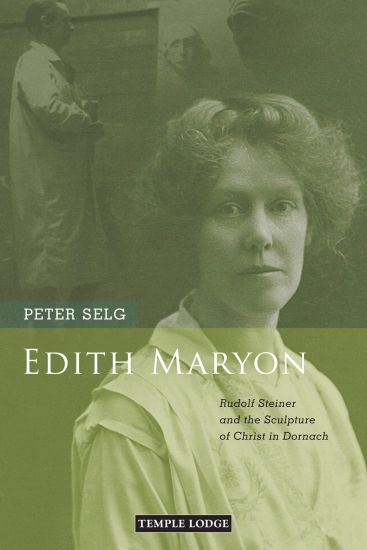
Edith Maryon (1872-1924) was a trained sculptor who worked alongside Rudolf Steiner to create the unique sculpture of Christ (the ‘Representative of Humanity’) at the Goetheanum in Dornach, Switzerland. One of Steiner’s closest collaborators, she was a highly-valued colleague and esoteric pupil. As one of his dearest friends, Maryon kept a busy and detailed correspondence with Rudolf Steiner, in which he confided freely about his personal situation, his lack of true colleagues, difficulties with lecture tours, and the embattled public standing of anthroposophy. Almost invariably, these letters emphasized Steiner’s longing for the Dornach studio and their shared work on the Christ statue. Maryon’s early death, aged 52 – following fifteen months of illness – shook Rudolf Steiner to the core. He was to die himself less than a year later. With this book, the author’s central aim is to illuminate the spiritual signature of Edith Maryon’s relationship with Rudolf Steiner and their mutual work in anthroposophy and on the sculpture of Christ. Building on Rex Raab’s (1993) biography, Peter Selg’s moving study features dozens of photos and facsimiles of letters, utilizing previously unpublished sources from Edith Maryon’s and Ita Wegman’s literary estates and the Rudolf Steiner Archive in Dornach. –– The most essential and intrinsic quality of her soul … was not a particular branch of human endeavour, not even art; the most salient of her soul tendencies, her soul intentions, was the striving for spirituality…’ – Rudolf Steiner
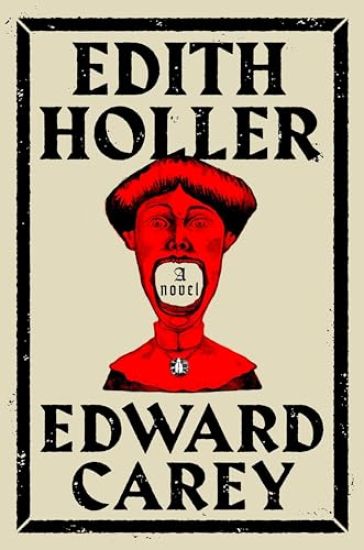
'An extraordinary achievement' A. L. Kennedy‘An enjoyably uncategorisable and atmospheric book, a richly dark and idiosyncratic fairytale for grownups.’ The GuardianEdward Carey's witty and entrancing story of a young woman trapped in a ramshackle English playhouse – and the mysterious figure who threatens its very survival.Norwich, 1901. Edith Holler spends her days among the eccentric denizens of the Holler Theatre, warned by her domineering father that the playhouse will literally tumble down if she should ever leave.Fascinated by tales of the city she knows only from afar, young Edith decides to write a play of her own about Mawther Meg, a monstrous figure said to have used the blood of countless children to make the local delicacy, Beetle Spread. But when her father suddenly announces his engagement to a peculiar woman named Margaret Unthank, Edith scrambles to protect her father, the theatre, and her play – the one thing that’s truly hers – from the newcomer’s sinister designs. Teeming with unforgettable characters and illuminated by Carey’s trademark illustrations, Edith Holler is a surprisingly modern fable of one young woman’s struggle to escape her family’s control and craft her own creative destiny.
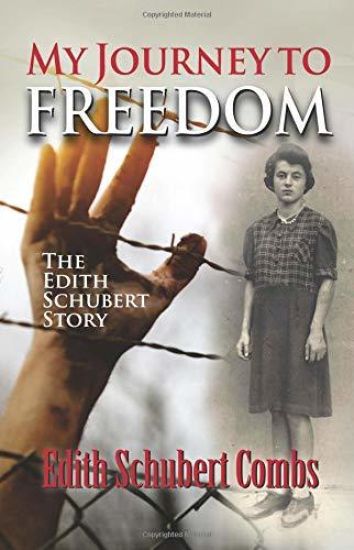
We hear so many stories about the atrocities of Germany and its former leader, Chancellor Adolph Hitler, sending millions of Jews to their deaths in concentration camps, but there are other stories we don't hear much about, and these are stories of Germans that did not agree with Hitler's ideologies, or the war. The story of Edith Schubert is a story of thousands that we will never hear. A child born of German immigrants in Czechoslovakia, Edith and her family lived alongside of their Czech neighbors for hundreds of years. After the invasion of Germany into Czechoslovakia in 1938, at the age of six, Edith's life would take a drastic turn that would lead to years of death, destruction, and the fight of her life. Embark upon a journey that will reveal the life of a young woman that refused to give up. With her "guardian angel" guiding her every step of the way in MY JOURNEY TO FREEDOM: THE EDITH SCHUBERT STORY.
Meet the unstoppable Edith Vosefski, an eternal optimist who hails from Downers Grove, Illinois The Nine Lives of Curious Edith chronicles her life of love and caring for others with a unique sense of humor that models life can be fun as well as serious. After college, she was a housemother in a children's home, a teacher, homemaker, program administrator in a psychiatric hospital, and founder of the Northern Illinois School of Etiquette. Her story takes the reader on a lively, humorous, and faith-filled journey from the horse-drawn ice wagons of her childhood through her courtship, sixty-four year marriage to her husband Joe, and their international travels together. Edith first became an author in her seventies and finished The Nine Lives of Curious Edith just after her ninetieth birthday while dealing with the residual effects of a stroke. Her memoir will capture your heart and inspire you to keep growing and learning at any age... just like Edith does
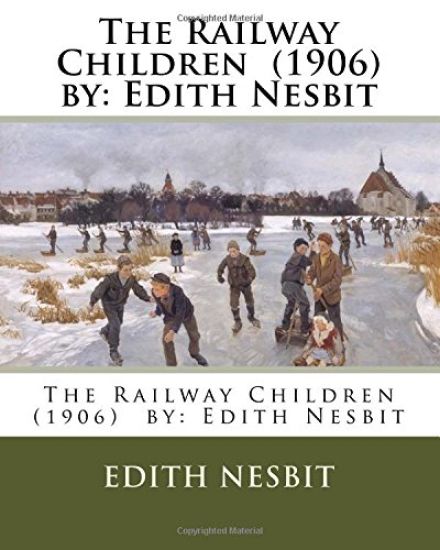
The Railway Children is a children's book by Edith Nesbit, originally serialised in The London Magazine during 1905 and first published in book form in 1906. It has been adapted for the screen several times, of which the 1970 film version is the best known. The Oxford Dictionary of National Biography credits Oswald Barron, who had a deep affection for Nesbit, with having provided the plot. The setting is thought to be inspired by Edith's walks to Chelsfield railway station close to where she lived, and her observance of the construction of the railway cutting and tunnel between Chelsfield and Knockhol The story concerns a family who move from London to "The Three Chimneys", a house near the railway in Yorkshire, after the father, who works at the Foreign Office, is imprisoned after being falsely accused of spying. The children befriend an Old Gentleman who regularly takes the 9:15 train near their home; he is eventually able to help prove their father's innocence, and the family is reunited. The family takes care of a Russian exile, Mr Szczepansky, who came to England looking for his family (later located) and Jim, the grandson of the Old Gentleman, who suffers a broken leg in a tunnel.
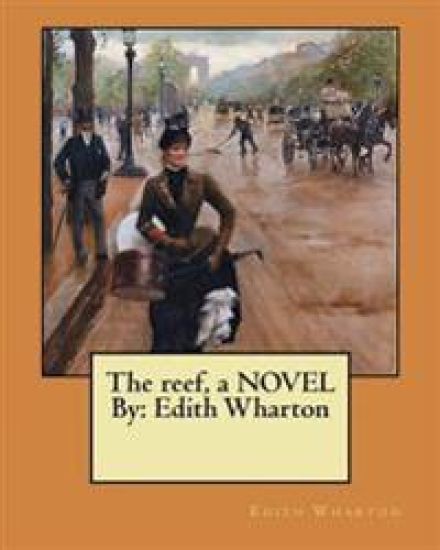
The Reef is a 1912 novel by American writer Edith Wharton. It was published by D. Appleton & Company. It concerns a romance between a widow and her former lover. The novel takes place in Paris and rural France, but primarily features American characters. While writing the novel, Edith Wharton visited England, Sicily, and Germany, among other locations. In a letter to Bernard Berenson in November 1912, Wharton expressed regret regarding her novel, calling it a "poor miserable lifeless lump". She wrote, "Anyhow, remember it's not me, though I thought it was when I was writing it-& that next time I'm going to do something worthwhile
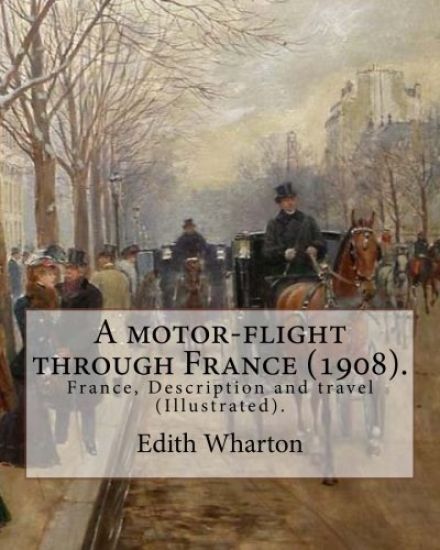
Edith Wharton ( born Edith Newbold Jones; January 24, 1862 - August 11, 1937) was an American novelist, short story writer, and designer. Wharton combined an insider's view of American aristocracy with a powerful prose style. Her novels and short stories realistically portrayed the lives and morals of the late nineteenth century, an era of decline and faded wealth. She won the Pulitzer Prize for Literature in 1921, and was the first woman to receive this honor. Wharton was acquainted with many of the well-known people of her day, both in America and in Europe, including President Theodore Roosevelt. Edith Wharton was born Edith Newbold Jones to George Frederic Jones and Lucretia Stevens Rhinelander at their brownstone at 14 West Twenty-third Street in New York City. She had two older brothers, Frederic Rhinelander, who was sixteen, and Henry Edward, who was eleven. She was baptized April 20, 1862, Easter Sunday, at Grace Church. To her friends and family she was known as "Pussy Jones." The saying "keeping up with the Joneses" is said to refer to her father's family. She was also related to the Rensselaers, the most prestigious of the old patroon families, who had received land grants from the former Dutch government of New York and New Jersey. She had a lifelong friendship with her niece, the landscape architect Beatrix Farrand of Reef Point in Bar Harbor, Maine. Wharton was born during the Civil War; she was three years old when the Confederate States surrendered. After the war, the family traveled extensively in Europe. From 1866 to 1872, the Jones family visited France, Italy, Germany, and Spain. During her travels, the young Edith became fluent in French, German, and Italian. At the age of ten, she suffered from typhoid fever while the family was at a spa in the Black Forest. After the family returned to the United States in 1872, they spent their winters in New York and their summers in Newport, Rhode Island.While in Europe, she was educated by tutors and governesses. She rejected the standards of fashion and etiquette that were expected of young girls at the time, which were intended to allow women to marry well and to be put on display at balls and parties. She considered these fashions superficial and oppressive. Edith wanted more education than she received, so she read from her father's library and from the libraries of her father's friends. Her mother forbade her to read novels until she was married, and Edith obeyed this command.Wharton began writing poetry and fiction as a young girl, and attempted to write her first novel at age eleven. At age 15, her first published work appeared, a translation of a German poem "Was die Steine Erz hlen" ("What the Stones Tell") by Heinrich Karl Brugsch, for which which she was paid $50. Her family did not want her name to appear in print, since writing was not considered a proper occupation for a society woman of her time. Consequently, the poem was published under the name of a friend's father, E. A. Washburn, a cousin of Ralph Waldo Emerson who supported women's education. He played a pivotal role in Edith's efforts to educate herself and encouraged her ambition to write professionally. In 1877, at the age of 15, she secretly wrote a 30,000 word novella "Fast and Loose." In 1878 her father arranged for a collection of two dozen original poems and five translations, Verses, to be privately published. In 1880 she had five poems published anonymously in the Atlantic Monthly, an important literary magazine. Despite these early successes, she was not encouraged by her family or her social circle, and though she continued to write, she did not publish anything more until her poem "The Last Giustiniani" was published in Scribner's Magazine in October 1889.On 29 April 1885, at age 23, she married Edward (Teddy) Robbins Wharton, who was 12 years her senior, at the Trinity Chapel Complex...
Edith Wharton ( born Edith Newbold Jones; January 24, 1862 - August 11, 1937) was an American novelist, short story writer, and designer. Wharton combined an insider's view of American aristocracy with a powerful prose style. Her novels and short stories realistically portrayed the lives and morals of the late nineteenth century, an era of decline and faded wealth. She won the Pulitzer Prize for Literature in 1921, and was the first woman to receive this honor. Wharton was acquainted with many of the well-known people of her day, both in America and in Europe, including President Theodore Roosevelt.Edith Wharton was born Edith Newbold Jones to George Frederic Jones and Lucretia Stevens Rhinelander at their brownstone at 14 West Twenty-third Street in New York City. She had two older brothers, Frederic Rhinelander, who was sixteen, and Henry Edward, who was eleven. She was baptized April 20, 1862, Easter Sunday, at Grace Church. To her friends and family she was known as "Pussy Jones."The saying "keeping up with the Joneses" is said to refer to her father's family. She was also related to the Rensselaers, the most prestigious of the old patroon families, who had received land grants from the former Dutch government of New York and New Jersey. She had a lifelong friendship with her niece, the landscape architect Beatrix Farrand of Reef Point in Bar Harbor, Maine. Wharton was born during the Civil War; she was three years old when the Confederate States surrendered. After the war, the family traveled extensively in Europe. From 1866 to 1872, the Jones family visited France, Italy, Germany, and Spain. During her travels, the young Edith became fluent in French, German, and Italian. At the age of ten, she suffered from typhoid fever while the family was at a spa in the Black Forest. After the family returned to the United States in 1872, they spent their winters in New York and their summers in Newport, Rhode Island. While in Europe, she was educated by tutors and governesses. She rejected the standards of fashion and etiquette that were expected of young girls at the time, which were intended to allow women to marry well and to be put on display at balls and parties. She considered these fashions superficial and oppressive. Edith wanted more education than she received, so she read from her father's library and from the libraries of her father's friends.Her mother forbade her to read novels until she was married, and Edith obeyed this command.Wharton began writing poetry and fiction as a young girl, and attempted to write her first novel at age eleven. At age 15, her first published work appeared, a translation of a German poem "Was die Steine Erz hlen" ("What the Stones Tell") by Heinrich Karl Brugsch, for which which she was paid $50. Her family did not want her name to appear in print, since writing was not considered a proper occupation for a society woman of her time. Consequently, the poem was published under the name of a friend's father, E. A. Washburn, a cousin of Ralph Waldo Emerson who supported women's education. He played a pivotal role in Edith's efforts to educate herself and encouraged her ambition to write professionally. In 1877, at the age of 15, she secretly wrote a 30,000 word novella "Fast and Loose." In 1878 her father arranged for a collection of two dozen original poems and five translations, Verses, to be privately published. In 1880 she had five poems published anonymously in the Atlantic Monthly, an important literary magazine.Despite these early successes, she was not encouraged by her family or her social circle, and though she continued to write, she did not publish anything more until her poem "The Last Giustiniani" was published in Scribner's Magazine in October 1889....
Edith Wharton ( born Edith Newbold Jones; January 24, 1862 - August 11, 1937) was an American novelist, short story writer, and designer. Wharton combined an insider's view of American aristocracy with a powerful prose style. Her novels and short stories realistically portrayed the lives and morals of the late nineteenth century, an era of decline and faded wealth. She won the Pulitzer Prize for Literature in 1921, and was the first woman to receive this honor. Wharton was acquainted with many of the well-known people of her day, both in America and in Europe, including President Theodore Roosevelt.Edith Wharton was born Edith Newbold Jones to George Frederic Jones and Lucretia Stevens Rhinelander at their brownstone at 14 West Twenty-third Street in New York City. She had two older brothers, Frederic Rhinelander, who was sixteen, and Henry Edward, who was eleven. She was baptized April 20, 1862, Easter Sunday, at Grace Church. To her friends and family she was known as "Pussy Jones."The saying "keeping up with the Joneses" is said to refer to her father's family. She was also related to the Rensselaers, the most prestigious of the old patroon families, who had received land grants from the former Dutch government of New York and New Jersey. She had a lifelong friendship with her niece, the landscape architect Beatrix Farrand of Reef Point in Bar Harbor, Maine. Wharton was born during the Civil War; she was three years old when the Confederate States surrendered. After the war, the family traveled extensively in Europe. From 1866 to 1872, the Jones family visited France, Italy, Germany, and Spain. During her travels, the young Edith became fluent in French, German, and Italian. At the age of ten, she suffered from typhoid fever while the family was at a spa in the Black Forest. After the family returned to the United States in 1872, they spent their winters in New York and their summers in Newport, Rhode Island. While in Europe, she was educated by tutors and governesses. She rejected the standards of fashion and etiquette that were expected of young girls at the time, which were intended to allow women to marry well and to be put on display at balls and parties. She considered these fashions superficial and oppressive. Edith wanted more education than she received, so she read from her father's library and from the libraries of her father's friends.Her mother forbade her to read novels until she was married, and Edith obeyed this command.Wharton began writing poetry and fiction as a young girl, and attempted to write her first novel at age eleven. At age 15, her first published work appeared, a translation of a German poem "Was die Steine Erz hlen" ("What the Stones Tell") by Heinrich Karl Brugsch, for which which she was paid $50. Her family did not want her name to appear in print, since writing was not considered a proper occupation for a society woman of her time. Consequently, the poem was published under the name of a friend's father, E. A. Washburn, a cousin of Ralph Waldo Emerson who supported women's education. He played a pivotal role in Edith's efforts to educate herself and encouraged her ambition to write professionally. In 1877, at the age of 15, she secretly wrote a 30,000 word novella "Fast and Loose." In 1878 her father arranged for a collection of two dozen original poems and five translations, Verses, to be privately published. In 1880 she had five poems published anonymously in the Atlantic Monthly, an important literary magazine.Despite these early successes, she was not encouraged by her family or her social circle, and though she continued to write, she did not publish anything more until her poem "The Last Giustiniani" was published in Scribner's Magazine in October 1889....