Mrs. Jefferson trifft auf der Suche nach dem Goldschatz Häuptling Rote Wolke. Er erzählt vom Volk der Tolteken, das 1519 aus Nordamerika in seine alte Heimat Mexiko zurückkehrte und dort mit den spanischen Eroberern unter Cortez zusammentraf. Auch die Digedags haben diese Begegnung miterlebt und berichten, was damals geschah.
My s detstva znakomy s mushketerami Aleksandra Djuma, o kazhdom iz nikh my znaem ochen i ochen mnogoe. Vernee, pochti o kazhdom. O samom, kazalos by, prostom iz velikolepnoj chetverki, o Portose - my ne znaem rovnym schetom nichego. Pri etom obraz ego daleko ne tak prost, kak eto mozhet pokazatsja na pervyj vzgljad. Chitateli traditsionno vosprinimajut ego kak dobrodushnogo, nedalekogo velikana, no tak li eto na samom dele? Poprobuem razgadat tajnu Portosa vmeste s istoricheskoj fantaziej Danielja Klugera!
Sofia, una veterinaria alicantina, su vida cambia al aprobar una oposici n y acaba en un pueblo de Teruel. Soltera de treinta y tantos, con una familia enorme y muy unida.Lorenzo divorciado, no se f a de las mujeres, lleva trabajando los ltimos seis a os sacando adelante su sue o de una granja de cerdos con un secadero de jamones. Tiene dos hijos adolescentes con los que pasa todo el tiempo libre que tiene.Lorenzo huye de dos cosas, de su familia y de las mujeres, ninguna de las dos son una buena combinaci n para l. Qu puede pasar cuando dos mundos tan distintos chocan?
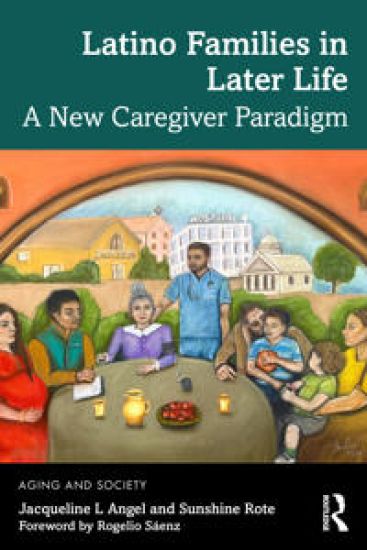
Latino Families in Later Life is a comprehensive look at the issues, dilemmas, and conditions faced by older Latinos and their caregivers, with salient consideration given to key changes shaping the need for assistance and the availability of support. Jacqueline L. Angel and Sunshine Rote address a nascent caregiving crisis at a time when an aging population is set to outnumber younger adults in the United States. Though many older adults in need of care currently receive support from family members, friends, and neighbors, demographic trends portend such kin-based forms of care may not be as readily available in the future. Against this backdrop, the authors examine the caregiving experience broadly, as one shaped by cultural values, economic conditions, and structural inequities. Focusing on Latinos and Latino families in particular, the book attends to key transitions such as migration, the onset of health conditions, and changes in living arrangements, revealing culturally specific forms of resilience and engagement among caregivers and care recipients—and also significant challenges. As demographic, social, and financial circumstances change and pressures mount, the authors advocate for a “new caregiver paradigm” reflecting a supportive and sustainable ecology that is culturally responsive and essential for long-term care routes in the United States. With important revelations about the dual experiences of older adults and those who care for them, Latino Families in Later Life is insightful reading for students, scholars, and advocates interested in aging, health, family support, and care work.
Latino Families in Later Life is a comprehensive look at the issues, dilemmas, and conditions faced by older Latinos and their caregivers, with salient consideration given to key changes shaping the need for assistance and the availability of support. Jacqueline L. Angel and Sunshine Rote address a nascent caregiving crisis at a time when an aging population is set to outnumber younger adults in the United States. Though many older adults in need of care currently receive support from family members, friends, and neighbors, demographic trends portend such kin-based forms of care may not be as readily available in the future. Against this backdrop, the authors examine the caregiving experience broadly, as one shaped by cultural values, economic conditions, and structural inequities. Focusing on Latinos and Latino families in particular, the book attends to key transitions such as migration, the onset of health conditions, and changes in living arrangements, revealing culturally specific forms of resilience and engagement among caregivers and care recipients—and also significant challenges. As demographic, social, and financial circumstances change and pressures mount, the authors advocate for a “new caregiver paradigm” reflecting a supportive and sustainable ecology that is culturally responsive and essential for long-term care routes in the United States. With important revelations about the dual experiences of older adults and those who care for them, Latino Families in Later Life is insightful reading for students, scholars, and advocates interested in aging, health, family support, and care work.