
Kirjahaku
Etsi kirjoja tekijän nimen, kirjan nimen tai ISBN:n perusteella.
1000 tulosta hakusanalla Seth A. Perry



Guero, a young suburban white kid, is thrust into the feds on a marijuana rap. Facing a lengthy sentence he sets out to make his mark in the penitentiary and get his respect. While growing into his manhood amidst the everpresent chaos and twisted realities of the penitentiary, Guero falls in with a Latino drug smuggling gang and struggles with his evolving identity as a convict and "vato loco."Prison Stories is a real-life look into the life of prisoners confined in the Bureau of Prisons. Short story vignettes interwoven throughout the pages offer readers a vicarious, personal experience of everything prison is...the power-tripping of guards, gangs, prisoners getting turned out, killings and more.

You don't need a degree to make movies. You do need tireless dedication, boundless creativity...and a budget. So how do film schools justify charging students tens of thousands of dollars for their programs? Find out in this surprising behind the scenes account of what is currently considered to be one of the best film schools in the country. You'll laugh at the professor's obscure credentials. You'll cry at the cost of tuition and the plight of the graduates. But mostly, you'll be astounded by what alumni have hailed as "very funny, sadly accurate" portrayal of the film school experience.
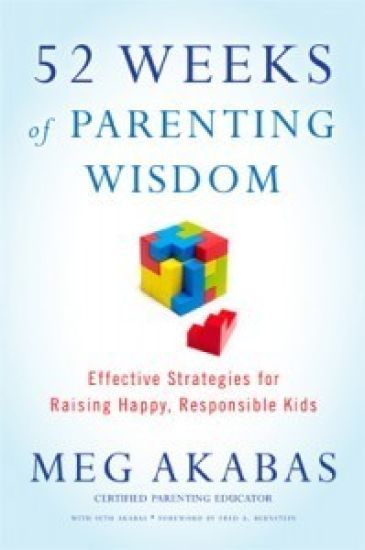
52 Weeks of Parenting Wisdom: Effective Strategies for Raising Happy, Responsible Kids
Seth Akabas; Meg Akabas
Parenting Solutions Press
2012
nidottu


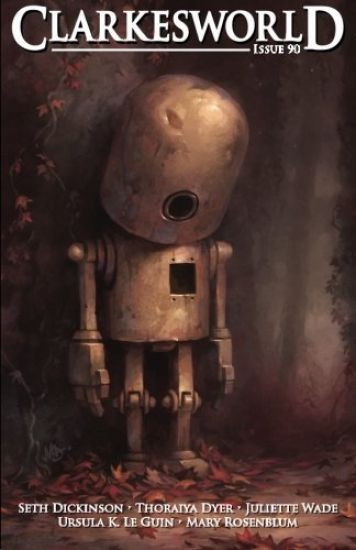
Clarkesworld Issue 90
Seth Dickinson; Thoraiya Dyer; Juliette Wade
Clarkesworld Magazine
2014
nidottu
Clarkesworld is a Hugo Award-winning science fiction and fantasy magazine. Each month we bring you a mix of fiction (new and classic works), articles, interviews and art.Our March 2014 issue contains: Original Fiction by Seth Dickinson ("Morrigan in the Sunglare"), Thoraiya Dyer ("Human Strandings and the Role of the Xenobiologist") and Juliette Wade ("Suteta Mono de wa Nai").Classic stories by Mary Rosenblum ("The Egg Man") and Ursula K. Le Guin ("Mountain Ways").Non-fiction by Mark Cole ("A Sympathy of Light and Shadow: Science Fiction, Gothic Horror and How They Met"), an interview with James Cambias, an Another Word column by Jason Heller, and an editorial by Neil Clarke.


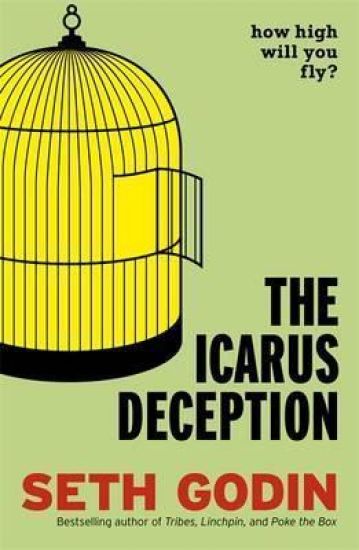
What boss wouldn't want employees to believe that obedience and conformity are the keys to success? This book shows us how it's possible and convinces us why it's essential.
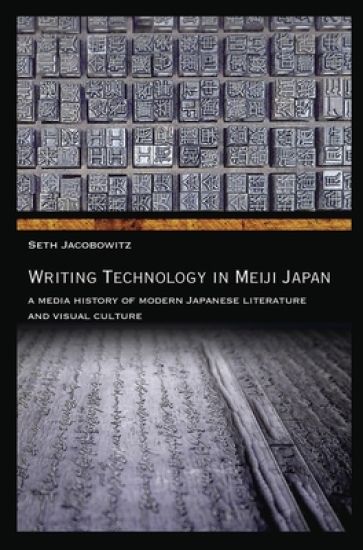
Writing Technology in Meiji Japan boldly rethinks the origins of modern Japanese language, literature, and visual culture from the perspective of media history. Drawing upon methodological insights by Friedrich Kittler and extensive archival research, Seth Jacobowitz investigates a range of epistemic transformations in the Meiji era (1868–1912), from the rise of communication networks such as telegraph and post to debates over national language and script reform. He documents the changing discursive practices and conceptual constellations that reshaped the verbal, visual, and literary regimes from the Tokugawa era. These changes culminate in the discovery of a new vernacular literary style from the shorthand transcriptions of theatrical storytelling (rakugo) that was subsequently championed by major writers such as Masaoka Shiki and Natsume Soseki as the basis for a new mode of transparently objective, “transcriptive” realism. The birth of modern Japanese literature is thus located not only in shorthand alone, but within the emergent, multimedia channels that were arriving from the West. This book represents the first systematic study of the ways in which media and inscriptive technologies available in Japan at its threshold of modernization in the late nineteenth to early twentieth century shaped and brought into being modern Japanese literature.
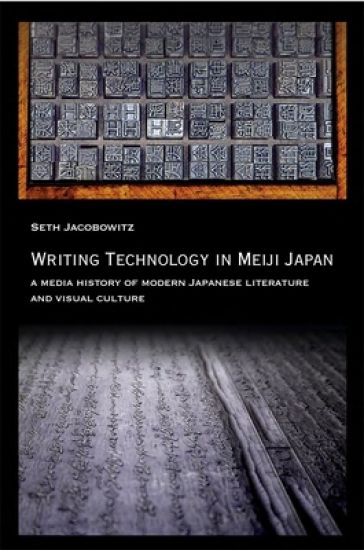
Writing Technology in Meiji Japan boldly rethinks the origins of modern Japanese language, literature, and visual culture from the perspective of media history. Drawing upon methodological insights by Friedrich Kittler and extensive archival research, Seth Jacobowitz investigates a range of epistemic transformations in the Meiji era (1868–1912), from the rise of communication networks such as telegraph and post to debates over national language and script reform. He documents the changing discursive practices and conceptual constellations that reshaped the verbal, visual, and literary regimes from the Tokugawa era. These changes culminate in the discovery of a new vernacular literary style from the shorthand transcriptions of theatrical storytelling (rakugo) that was subsequently championed by major writers such as Masaoka Shiki and Natsume Soseki as the basis for a new mode of transparently objective, “transcriptive” realism. The birth of modern Japanese literature is thus located not only in shorthand alone, but within the emergent, multimedia channels that were arriving from the West. This book represents the first systematic study of the ways in which media and inscriptive technologies available in Japan at its threshold of modernization in the late nineteenth to early twentieth century shaped and brought into being modern Japanese literature.

The founder of Yoyodyne explains how marketing specialists can shape messages to promote a willing acceptance by consumers and offers advice on how to enhance marketing effectiveness by building long-term relationships with customers, creating trust, building brand awareness, and more. 40,000 first printing. Tour.
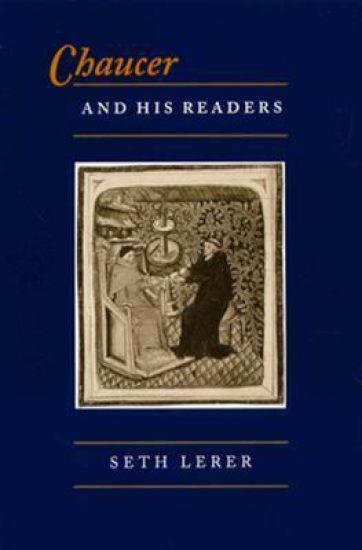
Challenging the view that the fifteenth century was the "Drab Age" of English literary history, Seth Lerer seeks to recover the late-medieval literary system that defined the canon of Chaucer's work and the canonical approaches to its understanding. Lerer shows how the poets, scribes, and printers of the period constructed Chaucer as the "poet laureate" and "father" of English verse. Chaucer appears throughout the fifteenth century as an adviser to kings and master of technique, and Lerer reveals the patterns of subjection, childishness, and inability that characterize the stance of Chaucer's imitators and his readers. In figures from the Canterbury Tales such as the abused Clerk, the boyish Squire, and the infantilized narrator of the "Tale of Sir Thopas," in the excuse-ridden narrator of Troilus and Criseyde, and in Chaucer's cursed Adam Scriveyn, the poet's inheritors found their oppressed personae. Through close readings of poetry from Lydgate to Skelton, detailed analysis of manuscript anthologies and early printed books, and inquiries into the political environments and the social contexts of bookmaking, Lerer charts the construction of a Chaucer unassailable in rhetorical prowess and political sanction, a Chaucer aureate and laureate.
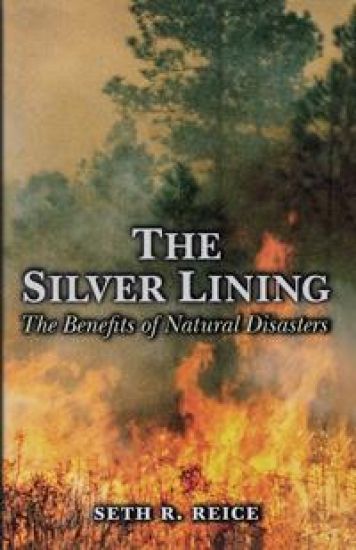
Floods, fires, volcanic eruptions, earthquakes, hurricanes--we are quick to call them "natural disasters." But are they? Did the great fires that swept Yellowstone in 1988 devastate the park, or did they just ravage our image of the park as a fixed, unchanging national treasure? This lucid, lively book reveals the shortsightedness behind conceiving of such events as disastrous to nature. Indeed, Seth Reice contends, such thinking has led to policies that have done the environment more harm than good--the U.S. Forest Service's campaign against natural forest fires and the Army Corps of Engineers' flood prevention program are examples. He points out ways in which we can better address the wide range of environmental problems humanity faces at the dawn of the new millennium. Reice argues, in terms refreshingly nontechnical yet scientifically sound, that the traditional, equilibrium paradigm--according to which "stability" produces healthier ecosystems than does sudden, sweeping change--is fundamentally flawed. He describes a radically different model of how nature operates, one that many ecologists and population biologists have come to understand in recent years: a concept founded on the premise that disturbances help create and maintain the biodiversity that benefits both the ecosystem and ourselves. Reice demonstrates that ecosystems need disturbances to accomplish indispensable tasks such as the production of clean air and water. He recommends changes in environmental management to incorporate the essential role of natural disturbances. This book shows that every tornado's funnel cloud, every forest fire's billowing cloud of smoke, has tremendous benefits for the ecosystem it impacts. As anyone concerned with man's impact on the environment will appreciate, this is the cloud's real silver lining.