From reports of a figure in the old firehouse bell tower to whispered rumors of apparitions seen in basements and tunnels underneath the city, Fort Collins is filled with disturbing and unnatural occurrences. In Old Town, pictures fly off walls, ghostly noises ring out through passageways and specters pass through brick walls. Tour guide Lori Juszak and her team take readers on a trip through the Choice City s most chilling hauntings and legends. Meet the guest at the Antler s Hotel who never checks out and dance along to the unexplained music in the Museum of Art. Watch out for the ghost at the Armadillo Garage and beware the spirits of the underground morgue "
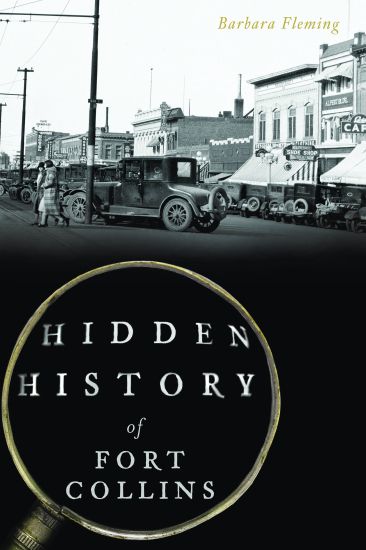
From its Wild West days to the early twentieth century, Fort Collins boasted its share of colorful characters. British import Edith Boothroyd saved a mare from meeting a tragic fate after the bridge she and the horse were traveling across unexpectedly collapsed. In 1915, barnstormer Billy Parker built his first biplane in a local field. Happy Jack slipped away from prison after slyly convincing the jailer to loosen his restraints. And Francis Carter-Cotton left investors holding the bag when he fled to Canada after racking up $300,000 in debt. Barbara Fleming divulges these entertaining stories and more.
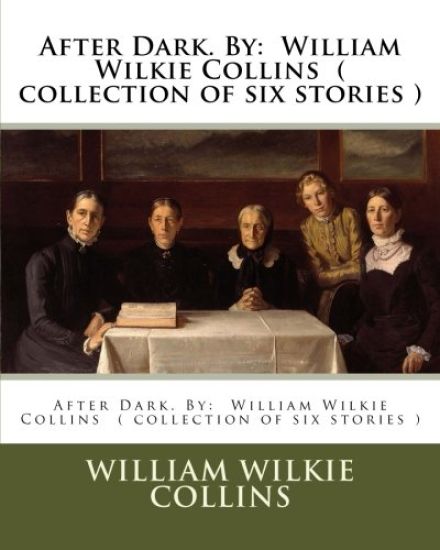
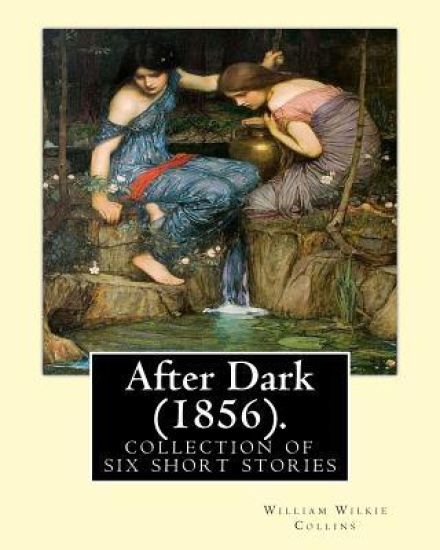
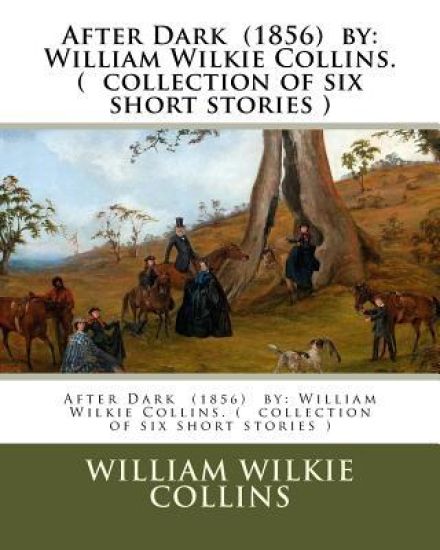
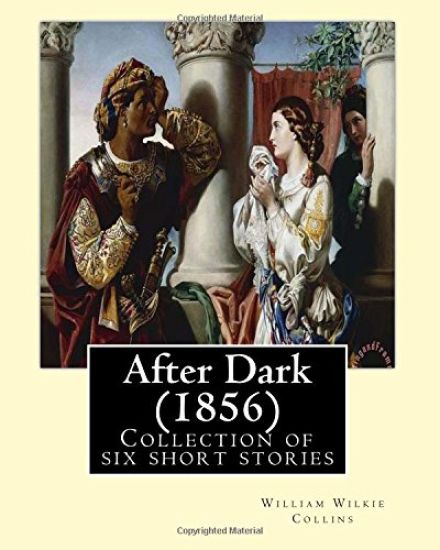
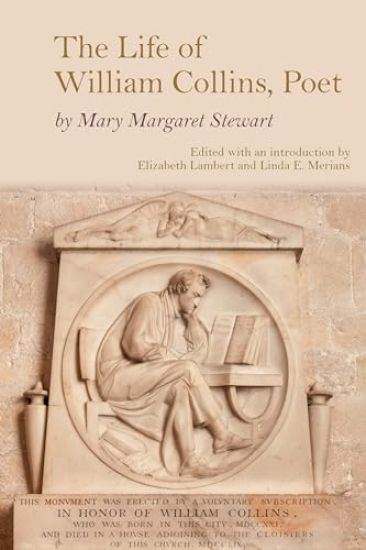
After Dark is a collection of six short stories by Wilkie Collins, first published in 1856. It was the author's first collection of short stories. Five of the stories were previously published in Household Words, a magazine edited by Charles Dickens.... William Wilkie Collins (8 January 1824 - 23 September 1889) was an English novelist, playwright, and short story writer. His best-known works are The Woman in White (1859), No Name (1862), Armadale (1866) and The Moonstone (1868). The last is considered the first modern English detective novel. Born into the family of painter William Collins in London, he lived with his family in Italy and France as a child and learned French and Italian. He worked as a clerk for a tea merchant. After his first novel, Antonina, was published in 1850, he met Charles Dickens, who became a close friend, mentor and collaborator. Some of Collins's works were first published in Dickens' journals All the Year Round and Household Words and the two collaborated on drama and fiction. Collins published his best known works in the 1860s, achieved financial stability and an international reputation. During that time he began suffering from gout. After taking opium for the pain, he developed an addiction. During the 1870s and 1880s the quality of his writing declined along with his health. Collins was critical of the institution of marriage and never married; he split his time between Caroline Graves, except for a two-year separation, and his common-law wife Martha Rudd, with whom he had three children. Collins was born at 11 New Cavendish Street, Marylebone, London, the son of a well-known Royal Academician landscape painter, William Collins and his wife, Harriet Geddes. Named after his father, he swiftly became known by his middle name, which honoured his godfather, David Wilkie. The family moved to Pond Street, Hampstead, in 1826. In 1828 Collins's brother Charles Allston Collins was born. Between 1829 and 1830, the Collins family moved twice, first to Hampstead Square and then to Porchester Terrace, Bayswater.Wilkie and Charles received their early education from their mother at home. The Collins family were deeply religious, and Collins's mother enforced strict church attendance on her sons, which Wilkie disliked. In 1835, Collins began attending school at the Maida Vale academy. From 1836 to 1838, he lived with his parents in Italy and France, which made a great impression on him. He learned Italian while the family was in Italy and began learning French, in which he would eventually become fluent.From 1838 to 1840, he attended the Reverend Cole's private boarding school in Highbury, where he was bullied by a boy who would force Collins to tell him a story before allowing him to go to sleep. "It was this brute who first awakened in me, his poor little victim, a power of which but for him I might never have been aware...When I left school I continued story telling for my own pleasure", Collins later said. In 1840 the family moved to 85 Oxford Terrace, Bayswater. In late 1840, he left school and was apprenticed as a clerk to the firm of tea merchants Antrobus & Co, owned by a friend of Wilkie's father. He disliked his clerical work but remained employed by the company for more than five years. Collins's first story The Last Stage Coachman, was published in the Illuminated Magazine in August 1843. In 1844 he travelled to Paris with Charles Ward. That same year he wrote his first novel, Iolani, or Tahiti as It Was; a Romance, which was submitted to Chapman and Hall but rejected in 1845. The novel remained unpublished during his lifetime.Collins said of it: "My youthful imagination ran riot among the noble savages, in scenes which caused the respectable British publisher to declare that it was impossible to put his name on the title page of such a novel."
After Dark is a collection of six short stories by Wilkie Collins, first published in 1856. It was the author's first collection of short stories. Five of the stories were previously published in Household Words, a magazine edited by Charles Dickens. The stories are linked by a narrative framework. At the beginning and end of the book are "Leaves from Leah's Diary" William Kerby, a travelling portrait-painter, is in danger of losing his sight, and is required by his doctor to cease painting for a while. His wife Leah realizes that destitution threatens. He is a good story-teller, and Leah has the idea of writing down his stories and publishing them. Each story has a prologue, which was added to the original story that appeared in Household Words. Contents: "The Traveller's Story of a Terribly Strange Bed", first published as "A Terribly Strange Bed" in Household Words in 1852. "The Lawyer's Story of a Stolen Letter", first published as "The Fourth Poor Traveller" in "The Seven Poor Travellers", a group of stories by several authors in the Christmas 1854 edition of Household Words. "The French Governess's Story of Sister Rose", first published as "Sister Rose" in Household Words in April 1855. "The Angler's Story of the Lady of Glenwith Grange", first published in this volume. "The Nun's Story of Gabriel's Marriage", first published as "Gabriel's Marriage" in Household Words in April 1853. "The Professor's Story of the Yellow Mask", first published as "The Yellow Mask" in Household Words in July 1855. William Wilkie Collins (8 January 1824 - 23 September 1889) was an English novelist, playwright, and short story writer. His best-known works are The Woman in White (1859), No Name (1862), Armadale (1866) and The Moonstone (1868). The last is considered the first modern English detective novel. Born into the family of painter William Collins in London, he lived with his family in Italy and France as a child and learned French and Italian. He worked as a clerk for a tea merchant. After his first novel, Antonina, was published in 1850, he met Charles Dickens, who became a close friend, mentor and collaborator. Some of Collins's works were first published in Dickens' journals All the Year Round and Household Words and the two collaborated on drama and fiction. Collins published his best known works in the 1860s, achieved financial stability and an international reputation. During that time he began suffering from gout. After taking opium for the pain, he developed an addiction. During the 1870s and 1880s the quality of his writing declined along with his health. Collins was critical of the institution of marriage and never married; he split his time between Caroline Graves, except for a two-year separation, and his common-law wife Martha Rudd, with whom he had three children. Collins died at 82 Wimpole Street, following a paralytic stroke. He is buried in Kensal Green Cemetery, West London. His headstone describes him as the author of The Woman in White.Caroline Graves died in 1895 and was buried with Collins. Martha Rudd died in 1919.
From its Wild West days to the early twentieth century, Fort Collins boasted its share of colorful characters. British import Edith Boothroyd saved a mare from meeting a tragic fate after the bridge she and the horse were traveling across unexpectedly col
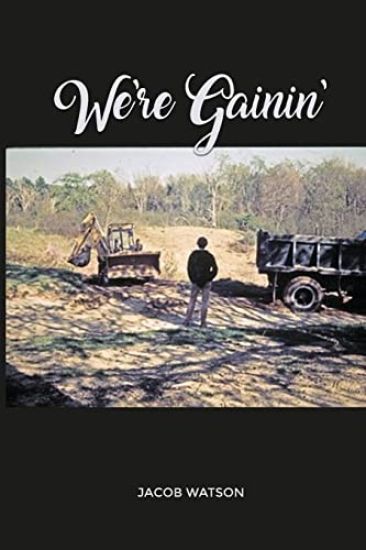
We're Gainin' Collins Brook, A Maine Free School - A Memoir is set in Maine during the turbulent 1960 and '70s. It chronicles a man whose traditional public and private schooling focused on the intellectual and physical, and how he discovered in Summerhill schools his emotional and spiritual life. At age 27, Jacob (then Dick) Watson and his wife Sharon founded Collins Brook School and, with volunteer help, built classrooms and dormitories. Democratic school meetings tackled challenges of optional classes, 'magic meadow', organic gardening, stealing, bullying, food, and animals: Freya the Newfoundland, Randolph the beef steer, Priscilla the pig, and Washington the mallard duck. When a fateful plan to merge Collins Brook with another Summerhill school collapsed and his marriage ended, Watson found solace sailing the Maine coast and islands. Learning to listen to his still small voice within, he became an interfaith minister and started another Maine school. This book includes photographs, student writing, newspaper articles, bedtime stories, and transcripts of school meetings. About the AuthorJacob Watson is a former grief counselor and Hospice Chaplain. He helped start the Center for Grieving Children, is the founding Abbot of the Chaplaincy Institute of Maine, and is a spiritual teacher. The author of Enso Morning: Daily Meditation Gifts and Essence: The Emotional Path to Spirit, and Spiritual Companion, a monthly newsletter, he is the recipient of the Huston Smith Lifetime Achievement Award for Interfaith Education.
We're Gainin' Collins Brook, A Maine Free School - A Memoir is set in Maine during the turbulent 1960 and '70s. It chronicles a man whose traditional public and private schooling focused on the intellectual and physical, and how he discovered in Summerhill schools his emotional and spiritual life. At age 27, Jacob (then Dick) Watson and his wife Sharon founded Collins Brook School and, with volunteer help, built classrooms and dormitories. Democratic school meetings tackled challenges of optional classes, 'magic meadow', organic gardening, stealing, bullying, food, and animals: Freya the Newfoundland, Randolph the beef steer, Priscilla the pig, and Washington the mallard duck. When a fateful plan to merge Collins Brook with another Summerhill school collapsed and his marriage ended, Watson found solace sailing the Maine coast and islands. Learning to listen to his still small voice within, he became an interfaith minister and started another Maine school. This book includes photographs, student writing, newspaper articles, bedtime stories, and transcripts of school meetings.About the AuthorJacob Watson is a former grief counselor and Hospice Chaplain. He helped start the Center for Grieving Children, is the founding Abbot of the Chaplaincy Institute of Maine, and is a spiritual teacher. The author of Enso Morning: Daily Meditation Gifts and Essence: The Emotional Path to Spirit, and Spiritual Companion, a monthly newsletter, he is the recipient of the Huston Smith Lifetime Achievement Award for Interfaith Education.
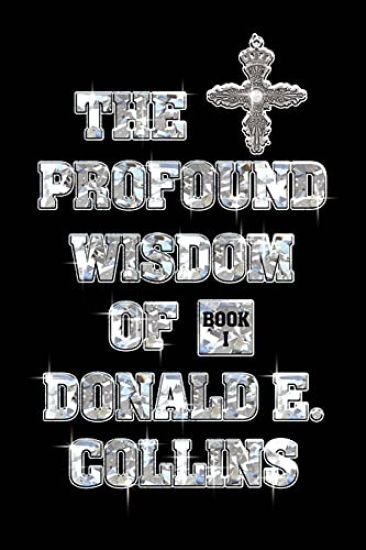
The Profound Wisdom of Donald E. Collins is a book composed of poetry and literature that's a personal reflection of love, faith, anxiety, and depression. The author's aim is to connect with his readers and encourage them with spiritual, emotional, and inspirational perspective. One meaning of profound is a very intense feeling of high intention of emotion. The author hopes that this book will convey that emotion to his readers as well as the Greek philosopher Aristotle's rhetorical appeal, ethos.
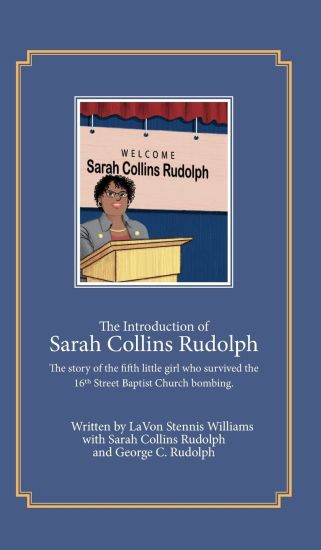
The 16th Street Baptist Church will always be known for a horrific act of evil that took place inside. What was known by the community as a place to gather and celebrate life, births, weddings, and other family gatherings evolved into something more. Citizens met to discuss the news of the day, to make plans for their local neighborhoods and to talk about ways to make their community better. Some people in the community saw this activity as a threat and carried out an unimaginable assault on innocent families and children. Four young girls were killed in the bombing that day, and a fifth child survived. Her name is Sarah Collins Rudolph. This is her story.This book details what the families experienced, and the challenges they faced along the way. It is written for teen readers and adults alike, with illustrations to help visualize their journey. "Beautifully illustrated and creatively told."