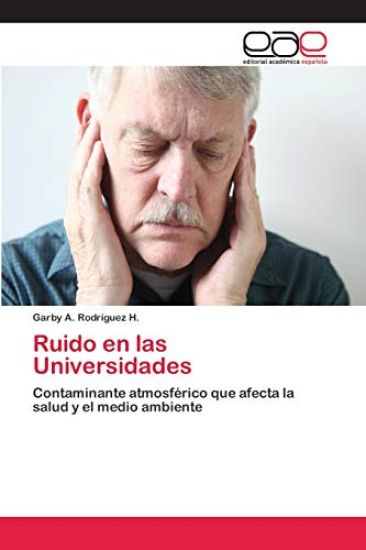
El ruido se considera como un contaminante atmosf rico debido a los efectos negativos que produce sobre la salud humana y el medio ambiente en general. Los altos niveles de ruido a lo que las personas est n expuestas diariamente son capaces de causar efectos como p rdida de la capacidad auditiva, perturbaci n del sue o y el descanso, dificultades para la comunicaci n, irritabilidad, agresividad, problemas para desarrollar la atenci n y concentraci n mental. En este libro se presentan algunas recomendaciones para reducir los niveles del ruido, causantes de estos efectos. El prop sito general de nuestra investigaci n es determinar los niveles de ruido generados, por las diferentes fuentes, en el exterior de las universidades, cuyo caso especifico es la zona universitaria de Santo Domingo, Rep blica Dominicana.
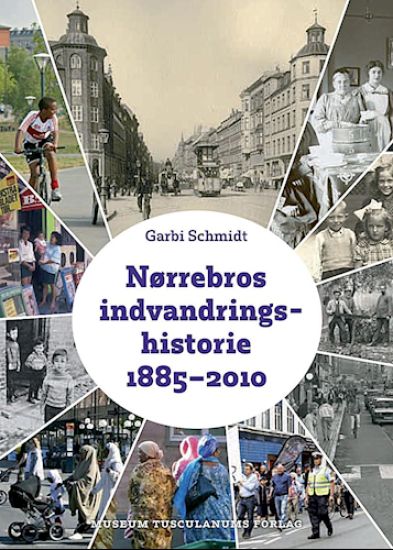
Etnisk mangfoldighed er i dag en tydelig dimension af Nørrebro, men er indvandring til kvarteret et nyt fænomen, eller har indvandring fra tidligt i historien bidraget til Nørrebros liv, udvikling og fortælling?Denne bog beskriver Nørrebros indvandringshistorie, fra svenske tjenestepiger og russisk-jødiske flygtninge over tyske krigsflygtninge og tyrkiske og pakistanske gæstearbejdere til nutiden, hvor Nørrebro både fejres og fordømmes som Københavns indvandrerkvarter. Hvilke roller har indvandrere spillet i kvarteret igennem tiden? Hvem var de, både som grupper og individer? Hvordan spillede indvandring sammen med den fortælling om Nørrebro, som er blevet udviklet og geb
I november 1908 var en menneskejagt i gang i Københavns indre by. En russisk indvandrer havde skudt sin danske arbejdsgiver og forsøgt at gemme sig blandt Lille Brøndstrædes østeuropæiske jøder. Drabssagen satte fokus på den usle bydel, som pressen kort forinden havde døbt ”Københavns ghetto”, og på et betændt begreb, der rimede på fremmedfrygt, forbrydelse og fattigdom. I 1970’erne blev gæstearbejdere inviteret til landet, og mange af dem gjorde storbyernes betongrå boligblokke til deres nye hjem. Med dem genopstod den delikate diskussion om, hvorvidt udlændinge nogensinde kan blive til rigtige danskere. Det har vi skændtes om lige siden. Overskrid grænsen til Danmarks eksotiske enklaver med Garbi Schmidt, migrationsforsker fra Roskilde Universitet, der guider dig igennem indvandringens farverige aftryk.
April 1908. Københavns dunkle ghetto får en ny, russisk beboer. Som mange indvandrere er han på jagt efter et bedre liv, men en ubetalt løn fører til en nedbrændt gård og en fatal forbrydelse, og så går en vild menneskejagt i gang. Den hidsige morder gemmer sig bag mange navne, men bliver en kendis under det italienskklingende Bulotti. Hvem var han egentlig? Fortællingen om Bulotti er ikke blot true crime om en blodig forbrydelse og skæbnen bag. Den er også et snapshot af en intens brydningstid i Danmarks historie, præget af indvandring, industrialisering og ideologiske sammenstød. Hvilket samfund skulle Danmark være, og for hvem?
Det er nu det almindelige, at der i alle klasser i skolen er elever, som har dansk som andetsprog. Derfor er det en nødvendighed, at læreren er i stand til at planlægge, gennemføre og evaluere en undervisning, som tager hensyn til og gør brug af disse særlige elevforudsætninger. Det drejer sig både om at håndtere flerkulturel kompleksitet med flerkulturelle børne- og ungdomsgrupper og om andetsprogspædagogik. Temanummeret introducerer til andetsprogspædagogikkens teori og praksis, andetsprogstilegnelse og interkulturelle praksisformer.
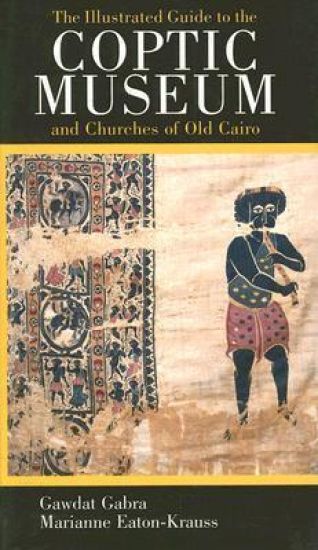
Egypt's Coptic Church is one of the oldest in the world, encompassing two millennia of history, tradition, and culture. The Coptic Museum, founded in Old Cairo in 1908, houses the world's largest and most exquisite collection of Coptic artifacts, representing every historical era, from the earliest Christian period to the nineteenth century. After undergoing extensive renovations and repair, the Coptic Museum is open to the public again, making this richly informative and illustrated book very timely for anyone interested in this rich artistic heritage. Structured as a guide, but fully illustrated with superb color photographs, this book takes readers through the various exhibits, explaining and illuminating the aesthetic and religious importance of each of the museum's works on display, such as icons, stelae, sculptures, wall paintings, altar screens, liturgical implements, vestments, and bible caskets. Textiles, ceramics, and documents (including the Nag Hammadi Gnostic Library from the fourth century, one of the most important collections of papyri in the world) provide valuable insights into the economic and social life of Egypt's Copts over the last two thousand years.
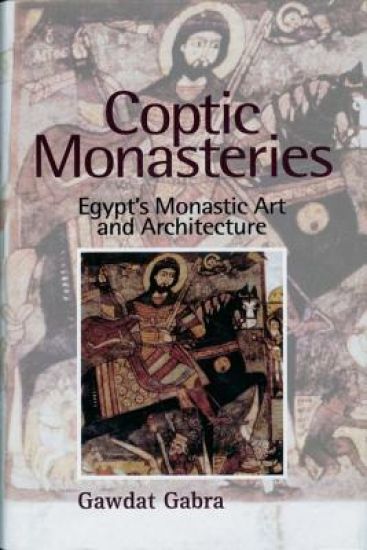
Egypt, the birthplace of communal monasticism, has a rich source of monasteries and monastic art. This volume takes the reader on a tour of the best preserved and most significant of these ancient centres, documenting in detail the richness of the Coptic heritage. The introduction examines the early Christian era, with background information on the origins of the Coptic Church as well as its rites and ceremonies, sketches of some of monasticism's founding figures, and accounts of some of the difficulties they faced, from religious schism to namadic attacks.
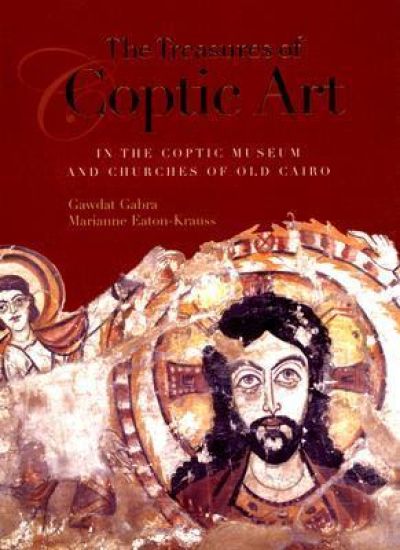
Egypt's Coptic Church is one of the oldest in the world, with a cultural tradition dating back two millennia, during which time churches have been built and a variety of distinctive art forms have flourished. The world's largest and most exquisite collection of Coptic artifacts is now housed in the Coptic Museum, founded in Old Cairo in 1908. Here for the first time, in this lavishly illustrated book, more than one hundred of the greatest treasures of the Coptic Museum have been beautifully photographed to present an overview of this rich artistic heritage. Objects from churches and monasteries across Egypt include some of the finest examples of Coptic icons, stelae, sculptures, wall paintings, wooden altar screens, metal crosses, censers, liturgical implements and vestments, chandeliers, and bible caskets. Textiles, ceramics, terracotta, ivory and bone carvings, and documents (including the famous Nag Hammadi Gnostic library from the fourth century, one of the most valuable collections of papyri in the world) provide invaluable insights into the economic and social life of Egypt over the past two thousand years.In addition to objects from the Coptic Museum, this book also includes photographs of surrounding churches, some of Egypt's oldest, that illustrate the architectural legacy of the Copts.The accompanying text and captions provide a description of Coptic civilization in general and Coptic art in particular.