

Kirjahaku
Etsi kirjoja tekijän nimen, kirjan nimen tai ISBN:n perusteella.
1000 tulosta hakusanalla Helene Ibata

Holly can't pack fast enough. She's leaving South Wales to spend a year in France. At last, a chance to see the world outside her one-hearse town, Pontycynon (alias Ponty Sign-On). Even if it's the last resort - Ponty's dreaded twin town, Mauvoisins. Three days after setting foot on French soil, Holly's on the run from her au pair job. But she won't crawl back home with her tail between her leggings. Not when there's a room above the Bad Cafe. And a new career, teaching the locals to speak English tidy, mun. Holly's trip has its hazards - a run-in with the Mayor's family, tabloid controversy and a toe-curling moment of merde on the dancefloor. But when she stumbles upon a twisted secret, is she heading down the (wrong side of the) road to ruin...? Salad At The Bad Cafe: a tale of friendship, secrets, betrayal, and Welsh cakes.
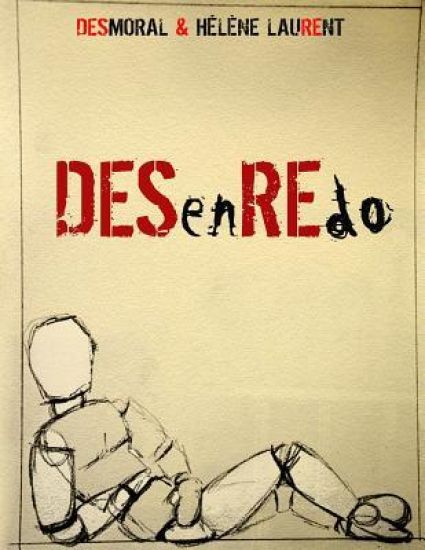
Fusion de poesia, fotografia y dibujo en un peculiar homenaje al comic DESenREdo es una invitacion a volver a la esencia, a jugar con la palabra y la imagen con mucho amor o mucho humor, a no desperdiciar nada y disfrutar tanto de los nudos como de los DESnudos ...

Contrasting US and German Attitudes to Soviet Trade, 1917–91
Helene Seppain
Palgrave Macmillan
1992
nidottu
Analyzes the differences in the approach to Soviet trade between the US and Germany since 1917. It provides an historical perpective to the use of Western economic power as an instrument with which to change Soviet policy. The book relates economic policy to political strategy.

An in-depth analysis of Great Britain's policy in the oil-rich Persian Gulf region during the last years of British imperialism in the area, covering the period from the independence of Kuwait to the decision of the Wilson Government to withdraw from the Gulf.

Architect and philosopher Hélène Frichot examines how the discipline of architecture is theorized and practiced at the periphery. Eschewing a conventionally direct approach to architectural objects – to iconic buildings and big-name architects – she instead explores the background of architectural practice, to introduce the creative ecologies in which architecture exists only in relation to other objects and ideas. Consisting of a series of philosophical encounters with architectural practice that are neither neatly located in one domain nor the other, this book is concerned with ‘other ways of doing architecture’. It examines architecture at the limits where it is muddied by alternative disciplinary influences – whether art practice, philosophy or literature. Frichot meets a range of creative characters who work at the peripheries, and who challenge the central assumptions of the discipline, showing that there is no ‘core of architecture’ – there is rather architecture as a multiplicity of diverse concerns in engagement with local environments and worlds.From an author well-known in the disciplines of architecture and philosophy for her scholarship on Deleuze, this is a radical, accessible, and highly-original approach to design research, deftly engaging with an array of current topics from the Anthropocene to affect theory, new materialism to contemporary feminism.


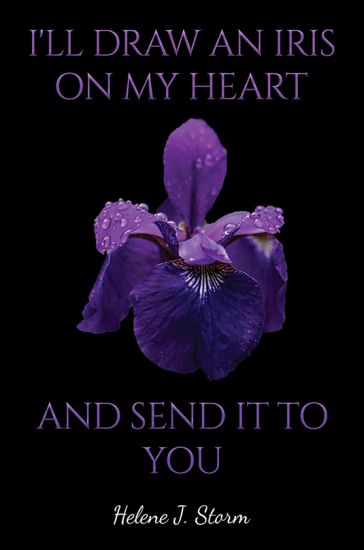
I'll Draw an Iris on my Heart and send it to You
Helene J. Storm
Austin Macauley Publishers
2023
nidottu
I'll Draw an Iris on my Heart and send it to You
Helene J. Storm
Austin Macauley Publishers
2023
sidottu

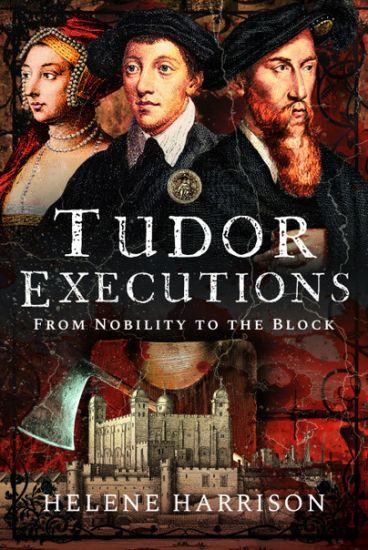
The Tudors as a dynasty executed many people, both high and low. But the nobility were the ones consistently involved in treason, either deliberately or unconsciously. Exploring the long sixteenth century under each of the Tudor monarchs gives a sense of how and why so many were executed for what was considered the worst possible crime and how the definition of treason changed over the period. This book examines how and why Tudor nobles like Edward Stafford, 3rd Duke of Buckingham; Queen Consort Anne Boleyn; Henry Howard, Earl of Surrey; and Robert Devereux, 2nd Earl of Essex, fell into the trap of treason and ended up on the block under the executioner’s axe. Treason and the Tudor nobility seem to go hand in hand as, by the end of the sixteenth century and the advent of the Stuart dynasty, no dukes remained in England. How did this happen and why?
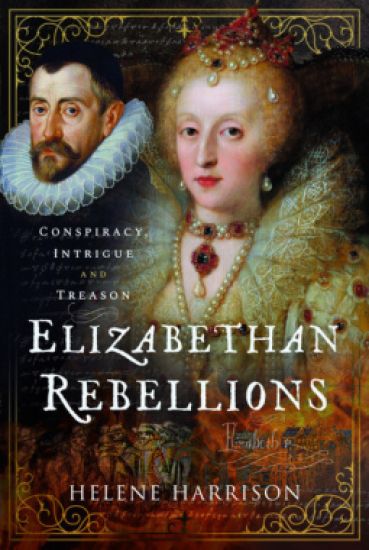
Elizabeth I. Tudor, Queen, Protestant. Throughout her reign, Elizabeth I had to deal with many rebellions which aimed to undermine her rule and overthrow her. Led in the main by those who wanted religious freedom and to reap the rewards of power, each one was thwarted but left an indelible mark on Queen Elizabeth and her governance of England. Learning from earlier Tudor rebellions against Elizabeth's grandfather, father, and siblings, they were dealt with mercilessly by spymaster Francis Walsingham who pushed for the execution of Mary Queen of Scots due to her involvement, and who created one of the first government spy networks in England. Espionage, spying and hidden ciphers would demonstrate the lengths Mary was willing to go to gain her freedom and how far Elizabeth's advisors would go to stop her and protect their Virgin Queen. Elizabeth I and Mary Queen of Scots were rival queens on the same island, pushed together due to religious intolerance and political instability, which created the perfect conditions for revolt, where power struggles would continue even after Mary's death. The Elizabethan period is most often described as a Golden Age; Elizabeth I had the knowledge and insight to deal with cases of conspiracy, intrigue, and treason, and perpetuate her own myth of Gloriana.

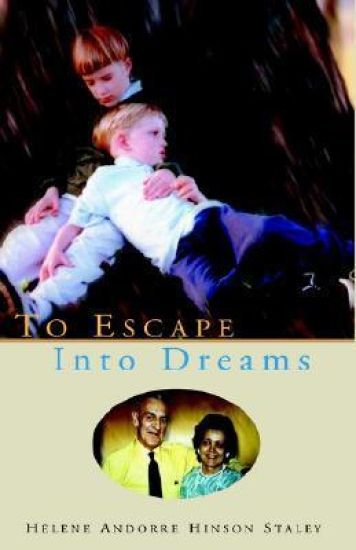
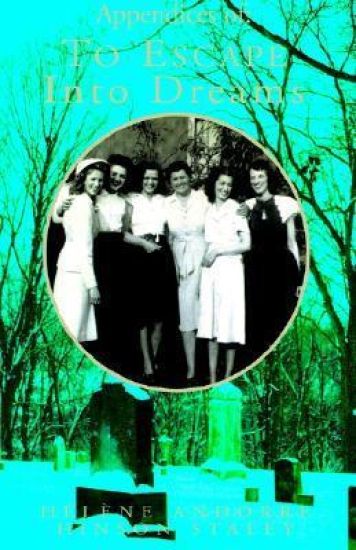
Appendices of: To Escape Into Dreams are companion books - second andthird volumes of To Escape Into Dreams KOberle Normal KOberle 1 1 2003-11-05T22:41:00Z 2003-11-05T22:42:00Z 1 Xlibris 1 1 9.2720 "Appendices of: To Escape Into Dreams arecompanion books - second and third volumes of "To Escape Into Dreams. Lineages forthe following family names are compiled in Volume II of the "Appendicesof: To Escape