Kirjojen hintavertailu. Mukana 11 504 718 kirjaa ja 12 kauppaa.

Kirjahaku

Etsi kirjoja tekijän nimen, kirjan nimen tai ISBN:n perusteella.

1000 tulosta hakusanalla Maple Leaf

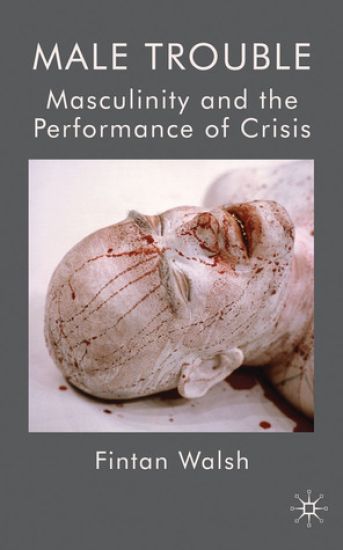
Male Trouble

Male Trouble

F. Walsh

Palgrave Macmillan
2010
sidottu
A rich analysis of the discourses and figurations of 'crisis masculinity' around the turn of the twenty-first century, working at the intersection of performance and cultural studies and looking at film, television, drama, performance art, visual art and street theatre.
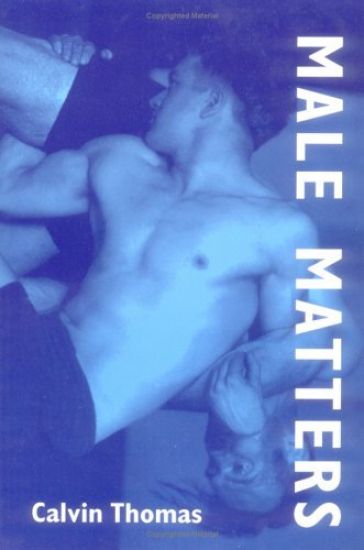
Male Matters

Male Matters

Calvin Thomas

University of Illinois Press
1998
nidottu
Calvin Thomas's Male Matters reveals the act and production of writing as a bodily, material process that transgresses the boundaries of gender. Wise and quirky, sophisticated and coarse, serious and hilarious, this look at male identity and creativity and dislocation at the end of the twentieth century definitely will not assuage male anxiety! "An excellent and important book. . . . By mixing high and low, by speaking candidly about what we usually keep in the (water) closet, while simultaneously engaging the 'highest' philosophies of language and culture, Thomas calls the entire enterprise of criticism into question." -- Jeremy Earp, Journal of Gay, Lesbian, and Bisexual Identity "A brave, indispensable exercise in writing the male body, and a tour de force of theoretically informed close reading." -- Kevin Floyd, Journal of the Midwest Modern Language Association "Both analyzes and performs our anxieties about masculinity. . . . This experiment in criticism transgresses boundaries of theory, gender, and academic taste in ways sure to delight and infuriate its readers." -- Gregory Jay, author of America the Scrivener: Deconstruction and the Subject of Literary History "Calvin Thomas is able to hint at a way out of the prison-house, as he puts it, of straight male identity." -- Kathy Acker, author of In Memoriam to Identity
Male Homosexuality in Four Societies

Male Homosexuality in Four Societies

Frederic Whitam

Praeger Publishers Inc
1985
sidottu
This book shows which aspects of homosexuality are culturally variable and which are not and explores the implications for current descriptions and explanations of homosexuality. Utilizing a combination of quantitative and qualitative material, the authors draw conclusions about the nature of homosexuality across cultural boundaries. Among their findings: homosexuals comprise approximately five percent of the population in each country no matter the degree of repressiveness or acceptance; homosexuals in different societies appear to have the same occupational and leisure-time interests; and their psycho-sexual development is similar and characterized by similar patterns of early cross-gender behavior.
Male Female Differences

Male Female Differences

Roberta Hall

Praeger Publishers Inc
1985
sidottu
This volume examines the differences between the sexes in such diverse areas as sensory motor skills and socialization. The work analyzes current studies on sex differences from a multi-discipline perspective. Included are important discussions of socialization, sociobiology and evolutionary history, cognitive development, size, genetics, and population structure. Each chapter includes tables, charts, and a list of references.
Male Homosexual Behavior and the Effects of AIDS Education

Male Homosexual Behavior and the Effects of AIDS Education

B R Simon Rosser

Praeger Publishers Inc
1991
sidottu
Since the AIDS epidemic was recognized, information on safer sex has been assumed to be the most crucial means of preventing further spread of the disease. But how well has AIDS education worked? What kinds of education work best and for whom? This study is the first to provide an in-depth analysis of the results of AIDS education programs and to explore the psychosocial factors that affect behavioral responses to education.B. R. Simon Rosser provides a detailed profile of a specific population at risk, including factors such as sexual behavior, psychology, religious affiliation, legal status, and discrimination. Using comparative measures of behavior, personality, social status, attitudes, and risk-taking, he identifies important differences between homosexual men who engage in safer sex and those who do not. Finally, he evaluates the impact of different approaches to AIDS education. Examining both positive and negative effects, Rosser shows that the spread of the HIV virus was actually accelerated by a national education campaign utilizing fear, and contrasts this result with four international gay-sensitive education campaigns that produced positive changes in behavior and lifestyle. He discusses ways in which AIDS education must develop in order to become more effective, together with crucial changes that are needed in both the gay population and the larger community if HIV transmission is to be halted. This study is a valuable resource for education and research in AIDS prevention, sexual behavior, psychovenereology, education, health, and related disciplines.
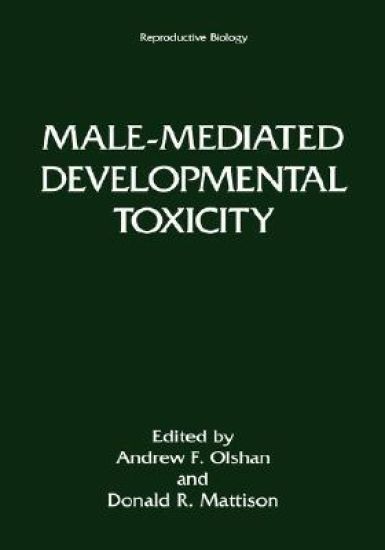
Male-Mediated Developmental Toxicity

Male-Mediated Developmental Toxicity

Kluwer Academic/Plenum Publishers
1994
sidottu
The cause of many of the adverse reproductive outcomes and developmental diseases among offspring is not well understood. Most of the epidemiologic and experimental animal research has focused on the relationship between maternal exposures including medications, tobacco smoke, alcohol, infections, and occupation and the occurrence of spontaneous abortion, low birth weight, and birth defects. The potential role of paternal exposures has not been investigated as extensively despite long-standing animal research that demonstrates the induction of mutations in the male germ cell after exposure to certain agents and subsequent reproductive failure or early pregnancy loss. Given this relative lack of interest, acquisition of epidemiologic data and the development of a definitive model or mechanism for potential male-mediated effects has been hindered. However, recent laboratory and epidemiologic investigations have suggested that paternal exposures may be more important than previously suspected. This topic has been termed by some as "male-mediated developmental toxicity. " This is meant to refer to the effects of exposures and other factors relating to the male parent that result in toxicity to the conceptus and abnormal development. The developmental endpoints of interest can include fetal loss, congenital abnormalities, growth retardation, cancer, and neurobehavioral effects. These effects may operate through a variety of mechanisms including gene mutation, chromosomal aberrations, seminal fluid transfer of toxicants and epigenetic events.
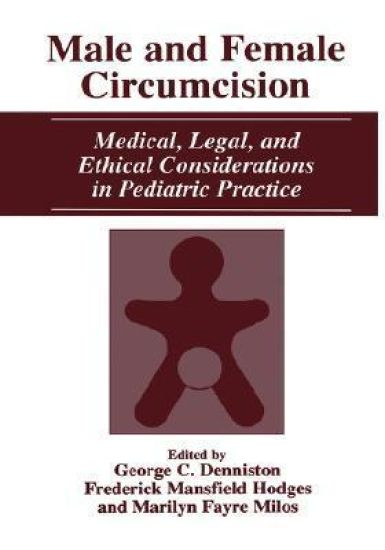
Male and Female Circumcision

Male and Female Circumcision

Kluwer Academic/Plenum Publishers
1999
sidottu
Every year around the world 13.3 million boys and 2 million girls have part or all of their external sex organs cut off. Doctors, parents, and politicians have been misled into thinking that these mutilations are beneficial, necessary and harmless. International respected experts in the fields of medicine, science, politics, law, ethics, sociology, anthropology, history and religion present the latest research, documentation and analysis of this world-wide problem, focusing on the ethical, political and legal aspects of sexual mutilation; the cost and burden to healthcare systems; the latest medical research; anatomical and function consequences; religious and cultural aspects; psychological aspects; and the world-wide campaign to end sexual mutilation.
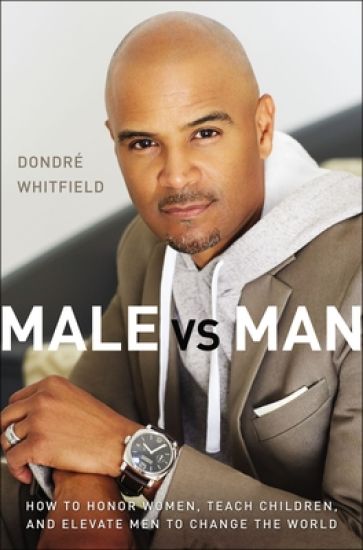
Male vs. Man

Male vs. Man

Dondré T. Whitfield

ZONDERVAN
2022
nidottu
Too many males abuse the power they have.Often those males grow up without healthy role models and so, while they look like men, they act like boys. Only now there are adult consequences to their actions.And many of us are caught in the shifting cultural ideas about manhood, unsure of how to make sound decisions or truly be a man. Every day we find evidence that the role of men at home, at work, and out in the world is deeply misinterpreted.In Male vs. Man, Dondré Whitfield equips us to become men rather than simply "grown males." Men are healthy and productive servant-leaders who bring positive change to their communities. Males are self-serving and stuck in negative cycles that we hear and read about daily. They create chaos instead of cultivating calm.Male vs. Man is an uplifting playbook for men who want to level up. It will help men and women alike understand what real manhood is, based on biblical wisdom as well as hard-earned lessons from someone who has been there. With practical guidance and a strong spiritual foundation, Dondré shows how to cultivate the life-changing spiritual, emotional, and psychological attributes of servant leadership at home, at work, and in our communities.
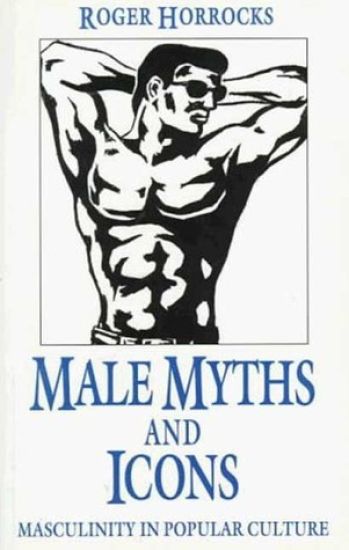
Male Myths and Icons

Male Myths and Icons

R. Horrocks

Palgrave Macmillan
1995
nidottu
This book studies some important myths of masculinity in various popular genres, including the western, the horror film, rock music and pornography. The author argues that popular culture gives us highly complex and ambivalent images of men. The hero turns into the anti-hero; feminine and homoerotic material leak in; the male is often shown as the victim. Attention is also paid to important theoretical issues in gender studies and cultural studies, such as identification and the relation between subject and text.
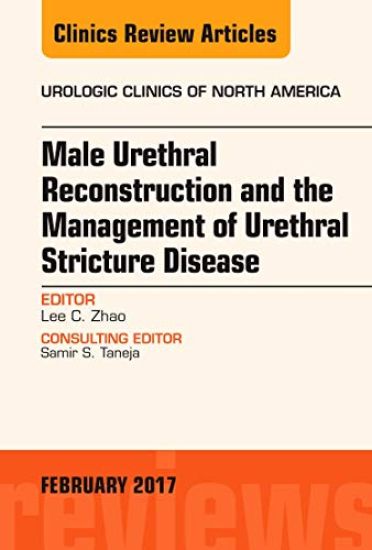
Male Urethral Reconstruction and the Management of Urethral Stricture Disease, An Issue of Urologic Clinics
Dr. Zhao has assembled the top experts in the field of urology to present state-of-the-art clinical reviews devoted to Male Urethral Reconstruction and the Management of Urethral Stricture Disease. The issue is divided into three sections, with focus on evlaluation and follow up, urethroplasty technique, and conditions affecting outcomes. Authors have specifically addressed the following topics: Definition of successful treatment and optimal follow up in urethral strictures; Cost analyses for evaluation and treatment of urethral strictures; Sexual dysfunction after urethroplasty; Endoscopic treatment of urethral stricture; Endoscopic treatment for urethral stenosis; Patient selection for urethroplasty technique: EPA vs Graft; Effect of graft location in urethroplasty; Non-transecting urethroplasty; Urethroplasty for panurethral urethral stricture; Use of alternative graft material in urethroplasty; Effect of Lichen Sclerosis on success of urethroplasty; Treatment of radiation induced urethral strictures; Effect of artificial urethral sphincters on strictures; Urethral strictures after transgender surgery; and Management of urethral strictures after hypospadias repair. Readers will come away with the current clinical diagnosis and management strategies that they can employ immediately.
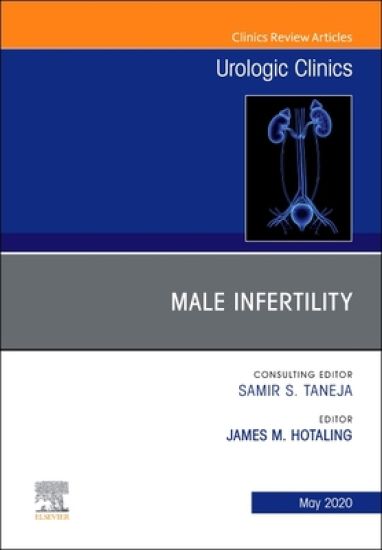
Male Infertility,An Issue of Urologic Clinics

Male Infertility,An Issue of Urologic Clinics

Elsevier - Health Sciences Division
2020
sidottu
Together with Consulting Editor Dr. Samir Taneja, Dr. Badrinath Konety has put together a comprehensive issue that addresses the latest clinical updates in Male Infertility. Expert authors have contributed clinical review articles on the following topics: Cutting edge evaluation in male infertility; Optimal endocrine evaluation and treatment; Sperm extraction in obstructive azoospermia: What's next; FNA vs. microTESE; ROSI (round spermatid injection); Reproductive Urology in the context of an IVF practice; Care delivery in male infertility; Qualitative research in male infertility; Male Infertility & Somatic Health; DNA fragmentation: Does testicular sperm make sense; CRISPR & Genetics of Male Infertility after whole genome sequencing; Transgenerational epigenetics: A window into paternal health influences on offspring; Spermatogonial Stem Cell Culture in oncofertility; Personalized medicine for the infertile male; and Male Infertility & The future of IVF. Readers will come away with the clinical information they need to improve outcomes in patients with infertility.
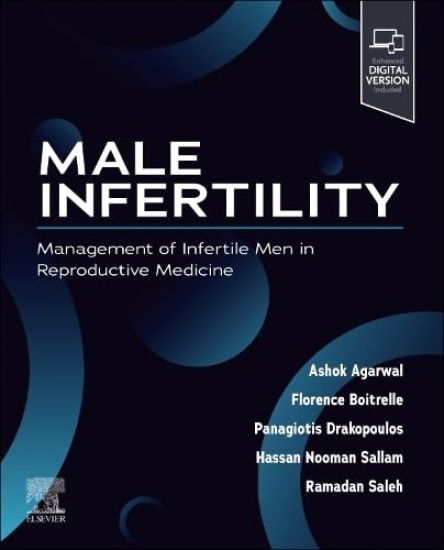
Male Infertility

Male Infertility

Elsevier - Health Sciences Division
2024
nidottu
Despite the fact that about half of infertility problems stem from male factors, gynecologists are often the first health care providers to perform the initial assessment of the infertile couple. For this reason, it is critical that gynecologists and reproductive medicine specialists remain up to date on the primary conditions that cause male infertility, as well as current diagnostic tools and treatment options of both natural and assisted conception. From diagnosis through treatment, Male Infertility: Management of Infertile Men in Reproductive Medicine offers expert, straightforward guidance on the pathophysiology and management of male infertility for clinicians who assist couples early in the process of trying to conceive. Covers diagnostic aspects of male infertility (clinical, laboratory, and imaging methods) as well as various therapeutic options including classical and advanced surgical procedures Discusses intrauterine insemination, conventional in vitro fertilization, intracytoplasmic sperm injection, sperm cryopreservation, preimplantation genetic testing, and more Begins each chapter with key points and ends with clinical scenarios of real-life problems and their solutions Shares the knowledge and expertise of global experts in the field An eBook version is included with purchase. The eBook allows you to access all of the text, figures, and references, with the ability to search, customize your content, make notes and highlights, and have content read aloud
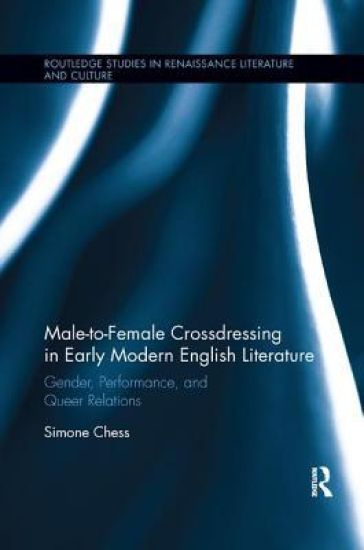
Male-to-Female Crossdressing in Early Modern English Literature
This volume examines and theorizes the oft-ignored phenomenon of male-to-female (MTF) crossdressing in early modern drama, prose, and poetry, inviting MTF crossdressing episodes to take a fuller place alongside instances of female-to-male crossdressing and boy actors’ crossdressing, which have long held the spotlight in early modern gender studies. The author argues that MTF crossdressing episodes are especially rich sources for socially-oriented readings of queer gender—that crossdressers’ genders are constructed and represented in relation to romantic partners, communities, and broader social structures like marriage, economy, and sexuality. Further, she argues that these relational representations show that the crossdresser and his/her allies often benefit financially, socially, and erotically from his/her queer gender presentation, a corrective to the dominant idea that queer gender has always been associated with shame, containment, and correction. By attending to these relational and beneficial representations of MTF crossdressers in early modern literature, the volume helps to make a larger space for queer, genderqueer, male-bodied and queer-feminine representations in our conversations about early modern gender and sexuality.
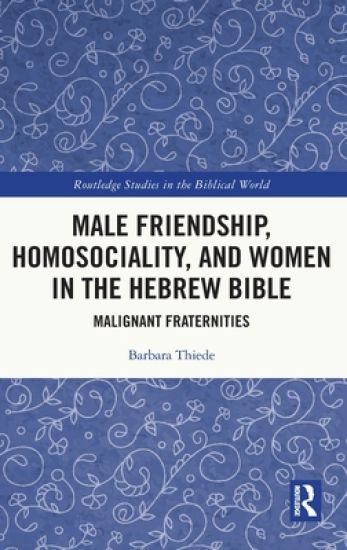
Male Friendship, Homosociality, and Women in the Hebrew Bible
Male alliances, partnerships, and friendships are fundamental to the Hebrew Bible. This book offers a detailed and explicit exploration of the ways in which shared sexual use of women and women’s bodies engenders, sustains, and nourishes such relationships in the Hebrew Bible.Hebrew Bible narratives demonstrate that women and women’s bodies are not merely used to foster and cultivate male homosociality, male friendship, and toxic hegemonic masculinity, but rather to engender them and make them possible in the first place. Thiede argues that homosocial bonds between divine and mortal males are part of a continual competition for power, rank, and honor, and that this competition depends on women’s bodies for its expression. In a final chapter, she also explores whether female characters in the Hebrew Bible use male bodies to form friendships and alliances to advance female power, status, and rank. The book concludes by arguing that women are essential to the toxic biblical hegemonic masculinity we find in the Hebrew Bible, but only because their bodies are used to make it possible in the first place.This book is intended for scholars of the Hebrew Bible, as well as advanced undergraduate and graduate students in religious studies, women and gender studies, masculinity studies, queer studies, and like fields. The book can also be read profitably by lay students of biblical literature, seminary students, and clergy.
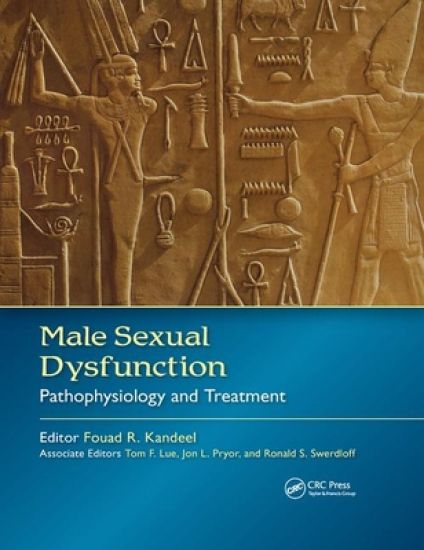
Male Sexual Dysfunction
Although impotence may be the most widely recognized manifestation of male sexual dysfunction, many other forms of sexual disorders do not involve the erectile mechanism, from deficiencies of desire to disturbances in ejaculatory function to the failure of detumescence. With such a myriad-and often co-existing-number of disorders, the successful treatment of male sexual dysfunction requires not only a thorough understanding of the underlying physiology and pathophysiology, but also the coordinated efforts of multiple specialties, including endocrinology, andrology, urology, radiology, sex therapy, and even sometimes psychiatry, cardiology, or oncology. Male Sexual Dysfunction: Pathophysiology and Treatment presents the collective expertise of more than 60 international authorities in a single landmark text. From foundations in the anatomy of the male genital tract to the latest neuroimaging data, readers will appreciate the comprehensive information detailing the tremendous advances made in the delineation of sexual function and its disorders as well as the expert descriptions of practical and cost-effective medical, surgical, and psychological strategies for the treatment of all forms of male sexual dysfunction.
Male–Male Murder

Male–Male Murder

Russell P. Dobash; Rebecca Emerson Dobash

Routledge
2020
nidottu
In Male–Male Murder, Dobash and Dobash – experienced researchers, award winning authors and long-time collaborators use evidence from their Murder Study to examine 424 men who murdered another man. Using both quantitative and qualitative data drawn from a wider study of 866 homicide casefiles and 200 in-depth interviews with murderers in prison, they focus on Five Types of male–male murder: confrontational/fighters; murder for money/financial gain; murder between men in the family; sexual murder between men; murder of older men. Each type is examined in depth and detail in a separate chapter that begins with a brief overview of relevant research and is followed by a comprehensive examination of the murder event including subtypes that illustrate the diversity within each type of murder. Following the examination of the five types of male–male murder, the focus turns to the lifecourse of the perpetrators including childhood, adulthood, and their time in prison. Lastly, the reflect on the body of findings from the Murder Study, and stress the importance of gender in understanding these lethal events. The Dobashes bring their research skills and insights to the complex task of covering the entire scope of homicide cases in which men murder men. This is an essential text for students, professionals, policy makers, and researchers studying violence, gender, and homicide.
Male–Male Murder

Male–Male Murder

Russell P. Dobash; Rebecca Emerson Dobash

Routledge
2020
sidottu
In Male–Male Murder, Dobash and Dobash – experienced researchers, award winning authors and long-time collaborators use evidence from their Murder Study to examine 424 men who murdered another man. Using both quantitative and qualitative data drawn from a wider study of 866 homicide casefiles and 200 in-depth interviews with murderers in prison, they focus on Five Types of male–male murder: confrontational/fighters; murder for money/financial gain; murder between men in the family; sexual murder between men; murder of older men. Each type is examined in depth and detail in a separate chapter that begins with a brief overview of relevant research and is followed by a comprehensive examination of the murder event including subtypes that illustrate the diversity within each type of murder. Following the examination of the five types of male–male murder, the focus turns to the lifecourse of the perpetrators including childhood, adulthood, and their time in prison. Lastly, the reflect on the body of findings from the Murder Study, and stress the importance of gender in understanding these lethal events. The Dobashes bring their research skills and insights to the complex task of covering the entire scope of homicide cases in which men murder men. This is an essential text for students, professionals, policy makers, and researchers studying violence, gender, and homicide.