

Kirjahaku
Etsi kirjoja tekijän nimen, kirjan nimen tai ISBN:n perusteella.
1000 tulosta hakusanalla Maya Eisel

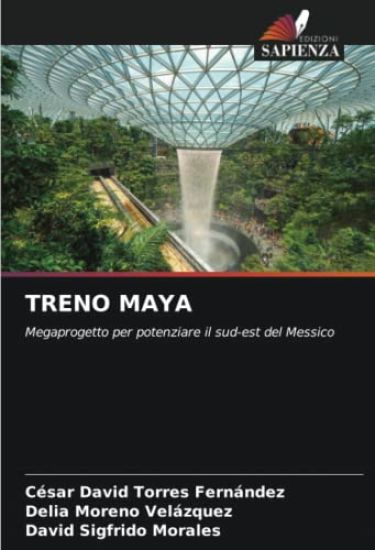
TRENO MAYA
César David Torres Fernández; Delia Moreno Velázquez; David Sigfrido Morales
Edizioni Sapienza
2022
nidottu
Das Maya-Haus in Yucatan. Entstehung und Niedergang eines universellen Archetyps
Othón Baños Ramírez
Verlag Unser Wissen
2023
pokkari
Das Maya-Haus auf Yucatan war ein Thema von gro em Interesse f r Sozialwissenschaftler sowohl aus dem In- als auch aus dem Ausland. Viele Fragen zu seinem Ursprung - vorspanisch oder kolonial - wurden jedoch noch nicht angemessen beantwortet. In dieser Arbeit behaupte ich, dass die verschwundene Sisal-H ngematte, obwohl sie auf den ersten Blick nicht so aussieht, der Schl ssel ist, der viele Fragen im Zusammenhang mit dem Ursprung des Maya-Hauses beleuchtet. Die herangezogenen Dokumentationsquellen legen nahe, dass in der zweiten H lfte des 17. Jahrhunderts dank der Sisalfaser die karibische H ngematte von der Maya-Bev lkerung in Yucatan hergestellt und verwendet wurde. Die Maya schliefen auf Betten aus St cken, als diese also von den H ngematten abgeworfen wurden, entstand ihr Haus - wie wir wissen - aus den radikalen Ver nderungen, die sie vornahmen, um es an das neue Schlafobjekt anzupassen. Das Maya-Haus, das perfekt an die H ngematte, die Umgebung und die Br uche angepasst war, blieb fast drei Jahrhunderte lang unver ndert. Es ist zu einem wahrhaft universellen Archetyp geworden.
भारत सरकारचा साहित्य अकादमी पुरस्कार प्राप्त झालेल्या 'काजळमाया' या संग्रहात वाचकांना भुरळ घालणाऱ्या 'प्रदक्षिणा', 'अंजन', 'विदूषक', 'कळसूत्र' अशा कथांचा समावेश आहे.
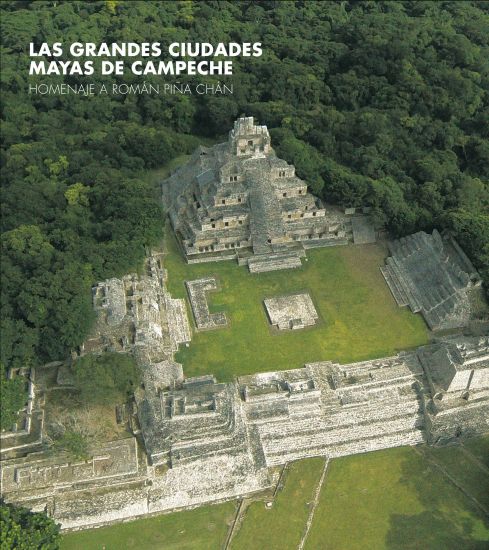
Great Maya Cities of Campeche: Homage to Román Piña Chán
Turner
2015
sidottu
This publication is a tribute to the work of Mexican archaeologist and anthropologist Rom n Pi a Ch n (1920-2001). Originally from the Campeche region in Mexico, Pi a Ch n devoted his life to researching pre-Columbian cultures, particularly Mayan cities and communities excavated in his home state.
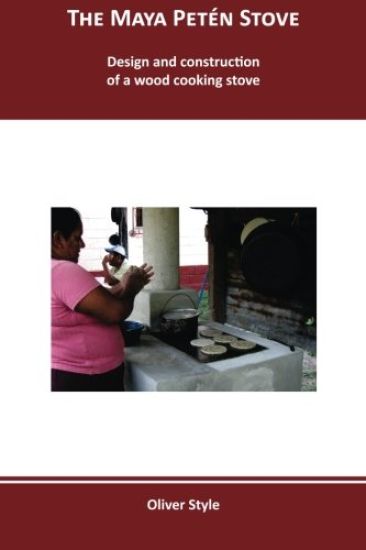
The Maya Peten Stove: Design and construction of a wood cooking stove
Richard Grove; Oliver Style
Itaca Appropriate Technology
2014
nidottu
Around 2,600 million people in the world depend on biomass for cooking, and every year the smoke this produces in the kitchen causes around 1 million deaths. This can be resolved by improved cooking stoves that use less wood and carry smoke out of harms way. This book is a concise and practical guide to designing and building a Maya Pet n cooking stove. The stove is a low-cost and effective solution that improves health in the home and requires cutting less firewood. You'll learn about the basic principles of heat transfer and the thermal properties of materials. Taking you through the design and build process step-by-step with ample illustrations, the book will provide you with what you need to know to build an efficient and long-lasting stove for a variety of applications.

The Maya Method: Chair Yoga For Weight LossFeel Stronger, Energized, and More You-Even on Your Busiest DaysLife is a constant challenge-between career, family, and endless to-do lists, finding time for yourself feels impossible. But what if self-care could happen anywhere, anytime-even right in your chair?The Maya Method is your ultimate guide to Chair Yoga, featuring over 50 easy-to-follow poses with illustrations, audio guides, and videos designed for busy women who deserve to feel their best.Transform Your Life From Your ChairQuick, Powerful Poses that fit seamlessly into your day-at work, home, or on the goPersonal Yoga Instructor in your pocket with QR-code accessible guidesAchieve Real Results including boosted energy, weight loss, and stress reductionChoose Your Path: Dive straight into the poses or follow Maya's inspirational journeyMaya's Story: From Overwhelmed to EmpoweredMaya was once stretched thin by long hours and an unforgiving schedule. Poor posture, repetitive strain, desk lunches, and habitual snacking left her drained and gaining weight-until she discovered Chair Yoga. This simple practice became her lifeline, helping her regain balance, energy, and joy. Her story proves that even the busiest lives can be transformed.Everything You Need to Succeed: ✓ Audiobook: Beautifully narrated with direct access to any pose instructions✓ Maya's Videos Library: Lifetime access-view anywhere, anytime✓ 5 Hand-Picked Chair Yoga Flows: Morning Flow, Seated Office Flow, Energy and Strength Flow, Anytime Energizer Flow, and Bed Relaxation Flow✓ BONUS: Resistance Band and HIIT Workout Book to accelerate your resultsWhy The Maya Method Works: This isn't just another yoga book. It's designed for real life-no extra time needed, no special equipment required, just a chair and a few minutes. The Maya Method transforms difficult yoga concepts into accessible poses that anyone can do, anywhere.Each pose is illustrated and explained, with audio guidance just a scan away. Follow along with videos to perfect your form and maximize results.This Book Is For You If: You're tired of feeling exhausted and uncomfortable in your own bodyYou want to lose weight but can't find time for traditional exerciseYou need relief from desk-job stiffness and painYou're looking for a practical self-care routine that fits into your lifeSmall steps today transform your tomorrow. With The Maya Method, wellness becomes effortless, empowering, and yours.Grab Your Copy Today and Rediscover Your Energy, Health, and Happiness-One Pose at a Time

Enhörningen Maya
Barthelson Förlag
2020
pahvisivuinen
Välkommen in i enhörningen Mayas magiska värld! Här får du träffa hennes fevänner och hjälpa henne att uppfylla deras önskningar.
This book has been considered by academicians and scholars of great significance and value to literature. This forms a part of the knowledge base for future generations. We have represented this book in the same form as it was first published. Hence any marks seen are left intentionally to preserve its true nature.

The Maya Trap
BlueRose Publisher
2022
pokkari

The Maya Chronicles; Brinton's Library Of Aboriginal American Literature, Number 1
ALPHA EDITION
2023
pokkari
The Maya Chronicles; Brinton's Library Of Aboriginal American Literature, Number 1, has been acknowledged as a major work throughout human history, and we have taken precautions to assure its preservation by republishing this book in a modern manner for both present and future generations. This book has been completely retyped, revised, and reformatted. The text is readable and clear because these books are not created from scanned copies.

The Maya Indians of Southern Yucatan and Northern British Honduras
Thomas William Francis Gann
ALPHA EDITION
2023
pokkari
The Maya Indians of Southern Yucatan and Northern British Honduras, has been acknowledged as a major work throughout human history, and we have taken precautions to assure its preservation by republishing this book in a modern manner for both present and future generations. This book has been completely retyped, revised, and reformatted. The text is readable and clear because these books are not created from scanned copies.

Maya is a Gangetic dolphin who is known for spreading love. Everywhere she goes she makes people happy, except Tito, who needs some more convincing. Do you want to be like Maya? Read this fun, colourful book and enjoy with Maya and her friends. The book has a colouring sheet at the end, have your child fill it with their magic. Yug Animal Series covers 8 animals indigenous to India and each of them teach you an emotion or two.Be Loving Like Maya

Moh & Maya
Clever Fox Publishing
2021
pokkari
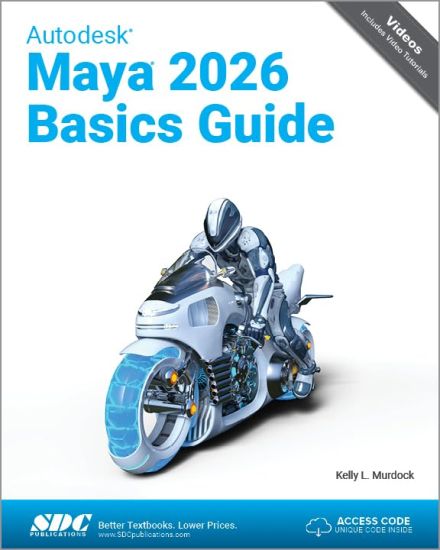
Autodesk Maya 2026 Basics Guide
Sdc Pubns
2025
pokkari
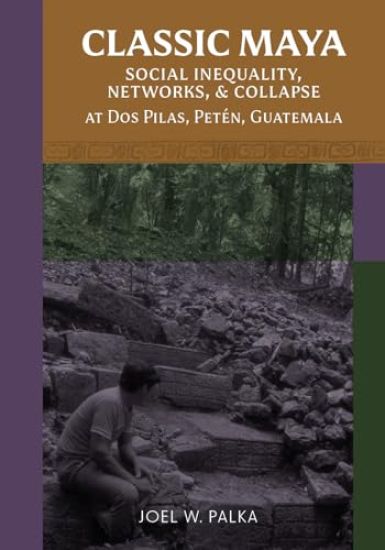
Classic Maya Social Inequality, Networks, and Collapse at Dos Pilas, Petén, Guatemala
Joel W. Palka
University of Utah Press,U.S.
2026
sidottu