Dockside, the award-winning reading intervention programme, is specifically designed for older children who are struggling with their reading, or for children learning English as an additional language. It provides an opportunity for children to practise their reading skills at a suitable level with age-appropriate storylines. A handy breakdown of key words is included as well as question prompts to encourage discussion. The series is set in an everyday world featuring a range of strong characters and stories to which children can relate, and enjoy, providing a unique approach to reading intervention.
Dockside, the award-winning reading intervention programme, is specifically designed for older children who are struggling with their reading, or for children learning English as an additional language. It provides an opportunity for children to practise their reading skills at a suitable level with age-appropriate storylines. A handy breakdown of key words is included as well as question prompts to encourage discussion. The series is set in an everyday world featuring a range of strong characters and stories to which children can relate, and enjoy, providing a unique approach to reading intervention.
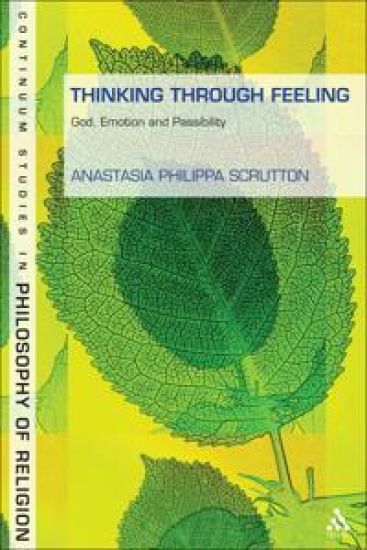
Contemporary debates on God's emotionality are divided between two extremes. Impassibilists deny God's emotionality on the basis of God's omniscience, omnipotence and incorporeality. Passibilists seem to break with tradition by affirming divine emotionality, often focusing on the idea that God suffers with us.Contemporary philosophy of emotion reflects this divide. Some philosophers argue that emotions are voluntary and intelligent mental events, making them potentially compatible with omniscience and omnipotence. Others claim that emotions are involuntary and basically physiological, rendering them inconsistent with traditional divine attributes. Thinking Through Feeling: God, Emotion and Passibility creates a three-way conversation between the debate in theology, contemporary philosophy of emotion, and pre-modern (particularly Augustinian and Thomist) conceptions of human affective experience. It also provides an exploration of the intelligence and value of the emotions of compassion, anger and jealousy.
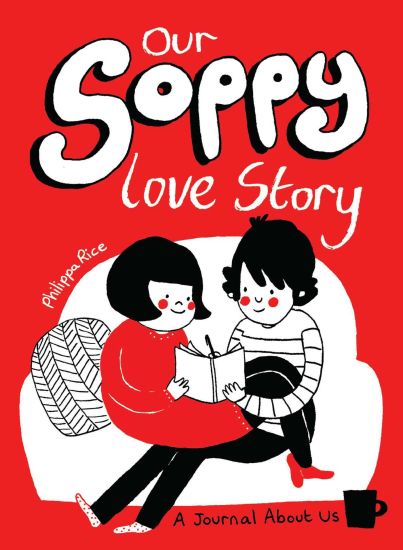
Philippa Rice's enchanting Soppy comic is now a guided journal for two to complete. It's all about documenting your relationship, your feelings, and your lives together. You can fill it in in order or skip ahead and complete any page you like. You can write or draw your answers. If you both want to complete the same page, use different colored pens. Keep this book around and fill it in every once in a while. By documenting the small moments in your life, you can appreciate them more. In this book, you can capture a time in your life that you can look back on in the future and remember how it all felt. The prompts and Soppy comics throughout this book will inspire journal writers with thoughtful questions and interactive content, such as "Sketch your facial expression for that day;" "Check off whether the day was 'stressful,' 'productive,' 'gloomy,' or 'different';" "Rank your three favorite things;" and "Let's never forget." Philippa Rice is a multi-talented artist who creates simple but beautiful comics about the everyday joys of living with someone you love.--Bored Panda
Mother Nature honours a decaying stump for being a kind, inclusive host to a wide variety of lives. With the help of some rain and sun, a few trees and a good fairy, she transforms the stump into an elf called the Stump Gump. The Gump is warmly welcomed by everyone in his forest home. As he gets to know his neighbours, he meets bears and rabbits, birds and squirrels and bees-but no one who is quite like him. When he decides to search for another Stump Gump, his friend Bluebird directs him to "the pond on the hill by the red cedar stump," where he has a life-changing experience. In a magical moment we couldn't possibly spoil for the reader, his feeling of being separate is transformed into a feeling of belonging.
Mother Nature honours a decaying stump for being a kind, inclusive host to a wide variety of lives. With the help of some rain and sun, a few trees and a good fairy, she transforms the stump into an elf called the Stump Gump. The Gump is warmly welcomed by everyone in his forest home. As he gets to know his neighbours, he meets bears and rabbits, birds and squirrels and bees-but no one who is quite like him. When he decides to search for another Stump Gump, his friend Bluebird directs him to "the pond on the hill by the red cedar stump," where he has a life-changing experience. In a magical moment we couldn't possibly spoil for the reader, his feeling of being separate is transformed into a feeling of belonging.
Contemporary debates on God's emotionality are divided between two extremes. Impassibilists deny God's emotionality on the basis of God's omniscience, omnipotence and incorporeality. Passibilists seem to break with tradition by affirming divine emotionality, often focusing on the idea that God suffers with us.Contemporary philosophy of emotion reflects this divide. Some philosophers argue that emotions are voluntary and intelligent mental events, making them potentially compatible with omniscience and omnipotence. Others claim that emotions are involuntary and basically physiological, rendering them inconsistent with traditional divine attributes.Thinking Through Feeling: God, Emotion and Passibility creates a three-way conversation between the debate in theology, contemporary philosophy of emotion, and pre-modern (particularly Augustinian and Thomist) conceptions of human affective experience. It also provides an exploration of the intelligence and value of the emotions of compassion, anger and jealousy.
The digital age is both exciting and challenging for psychotherapy, opening the door to clients groups previously not able to access psychological help, whilst also providing the challenges caused by social media and internet abuse and how these impact on the consulting room. Psychotherapy 2.0 blows open the consulting room doors and shows successful pathways for attracting new clients to gain access to psychological help, as well as demonstrating that despite initial scepticism, working online as a psychotherapist or counsellor can be as effective as 'face2face' work: the therapeutic relationship may be different but it remains the centrally important feature for successful psychotherapy. It follows therefore that all psychotherapists and counsellors need to be fully informed about the impact of the digital age on their clinical practice. Psychotherapy 2.0 covers the key issues for psychotherapists and counsellors who are, or are thinking of, working online, include thinking about psychotherapy in the digital age, the requirements to modify training both for working online and also the digital issues as they arise within the face2face consulting room.
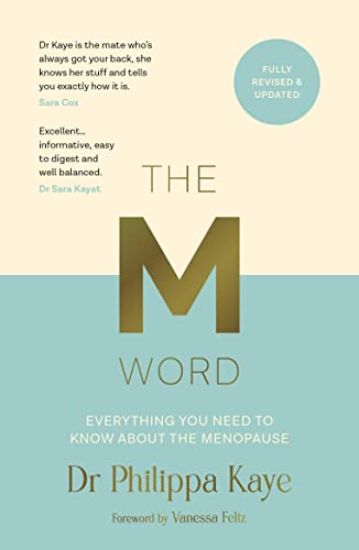
"Dr Kaye is the mate who's always got your back, she knows her stuff and tells you exactly how it is" SARA COXThe complete one-stop guide to the perimenopause and menopause, by Dr Philippa Kaye, with a foreword by Vanessa FeltzMenopause is the last taboo. But it does not have to mean the end of your libido, of sex, of work, or of feeling like who you used to be.With modern treatments and evidence-based knowledge, no woman need suffer or "just about" manage. You are still who you are - let's celebrate that. Let's get informed and get empowered to make our own choices about our symptoms, our treatments, our minds and our bodies.The M Word covers everything from understanding symptoms to managing relationships to which treatments really work. Discussing HRT as well as self-help and lifestyle tips, this fully updated edition of the bestselling book will be your companion through the years before, during and after the menopause.Topics covered include:- Hot flushes and other physical symptoms- Psychological symptoms- Sex, libido and contraception- HRT and other treatments- Lifestyle changes- Health after the menopauseAnd much more!Written in a positive, uplifting and light-hearted style, with plenty of quotes from real women, this book shows you how to not just survive, but thrive through the menopause, letting you remain you.
Dockside, the award-winning reading intervention programme, is specifically designed for older children who are struggling with their reading, or for children learning English as an additional language. It provides an opportunity for children to practise their reading skills at a suitable level with age-appropriate storylines. A handy breakdown of key words is included as well as question prompts to encourage discussion. The series is set in an everyday world featuring a range of strong characters and stories to which children can relate, and enjoy, providing a unique approach to reading intervention.
Dockside, the award-winning reading intervention programme, is specifically designed for older children who are struggling with their reading, or for children learning English as an additional language. It provides an opportunity for children to practise their reading skills at a suitable level with age-appropriate storylines. A handy breakdown of key words is included as well as question prompts to encourage discussion. The series is set in an everyday world featuring a range of strong characters and stories to which children can relate, and enjoy, providing a unique approach to reading intervention.
Dockside, the award-winning reading intervention programme, is specifically designed for older children who are struggling with their reading, or for children learning English as an additional language. It provides an opportunity for children to practise their reading skills at a suitable level with age-appropriate storylines. A handy breakdown of key words is included as well as question prompts to encourage discussion. The series is set in an everyday world featuring a range of strong characters and stories to which children can relate, and enjoy, providing a unique approach to reading intervention.
Dockside, the award-winning reading intervention programme, is specifically designed for older children who are struggling with their reading, or for children learning English as an additional language. It provides an opportunity for children to practise their reading skills at a suitable level with age-appropriate storylines. A handy breakdown of key words is included as well as question prompts to encourage discussion. The series is set in an everyday world featuring a range of strong characters and stories to which children can relate, and enjoy, providing a unique approach to reading intervention.
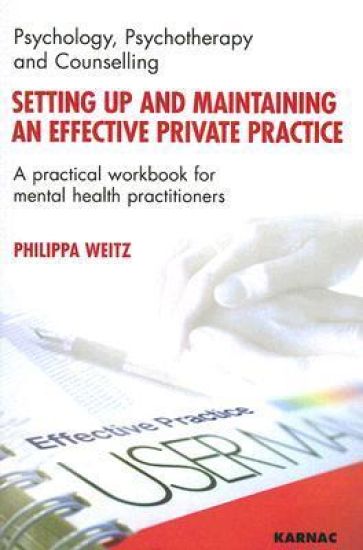
Counsellors, psychotherapists and psychologists are proud to belong to the helping professions. Those working within these professions see themselves as caring people trying to help others to understand themselves better, to feel better about themselves, and to help them get over various traumas and difficulties that they have experienced either within their lives or personalities. Talking about money and thinking of their clients, and the units of therapy time, as items of income can be uncomfortable. Many counsellors, psychotherapists and psychologists may not easily view their private practice as a business. But that is what it is and the primary role of any business is to be profitable. In this volume, the author guides us through practicalities of setting up and maintaining a private practice, and addresses the tensions and problems faced by the practitioner trying to both provide care and run an effective business. The author provides clear models and examples that practitioners will be able to adapt to their own circumstances, for example showing them how to set up accounts.
This book analyses the reasons for women’s participation in the various Lebanese and Palestinian militias involved in the Lebanese Civil War (1975-1990). Whilst most existing accounts of the Civil War in Lebanon either overlook the roles and experiences of women entirely or focus on women as victims or peacemakers only, ‘Women and the Lebanese Civil War’ highlights that women were involved as militants (and often also as fighters) in all of the militias partaking in the war. Analysing individual motivations, organisational characteristics, security-related aspects and societal factors, the book explains why women were included as fighters in some of the militias but not in others. Based on extensive fieldwork in Lebanon, the book is the first comprehensive study of female perpetrators and supporters of political violence during the Lebanese Civil War. Beyond the case of Lebanon, it questions widespread assumptions about the roles of women at times of violent conflict and war.
This book analyses the reasons for women’s participation in the various Lebanese and Palestinian militias involved in the Lebanese Civil War (1975-1990). Whilst most existing accounts of the Civil War in Lebanon either overlook the roles and experiences of women entirely or focus on women as victims or peacemakers only, ‘Women and the Lebanese Civil War’ highlights that women were involved as militants (and often also as fighters) in all of the militias partaking in the war. Analysing individual motivations, organisational characteristics, security-related aspects and societal factors, the book explains why women were included as fighters in some of the militias but not in others. Based on extensive fieldwork in Lebanon, the book is the first comprehensive study of female perpetrators and supporters of political violence during the Lebanese Civil War. Beyond the case of Lebanon, it questions widespread assumptions about the roles of women at times of violent conflict and war.