The 18th century was a wealth of knowledge, exploration and rapidly growing technology and expanding record-keeping made possible by advances in the printing press. In its determination to preserve the century of revolution, Gale initiated a revolution of its own: digitization of epic proportions to preserve these invaluable works in the largest archive of its kind. Now for the first time these high-quality digital copies of original 18th century manuscripts are available in print, making them highly accessible to libraries, undergraduate students, and independent scholars.The Age of Enlightenment profoundly enriched religious and philosophical understanding and continues to influence present-day thinking. Works collected here include masterpieces by David Hume, Immanuel Kant, and Jean-Jacques Rousseau, as well as religious sermons and moral debates on the issues of the day, such as the slave trade. The Age of Reason saw conflict between Protestantism and Catholicism transformed into one between faith and logic -- a debate that continues in the twenty-first century.++++The below data was compiled from various identification fields in the bibliographic record of this title. This data is provided as an additional tool in helping to insure edition identification: ++++British LibraryT033499Edited by Joseph Black and James Hutton.London: printed for T. Cadell Jun. and W. Davies (successors to Mr. Cadell); and W. Creech, Edinburgh, 1795. xcv, 1],244p.; 4
The 18th century was a wealth of knowledge, exploration and rapidly growing technology and expanding record-keeping made possible by advances in the printing press. In its determination to preserve the century of revolution, Gale initiated a revolution of its own: digitization of epic proportions to preserve these invaluable works in the largest archive of its kind. Now for the first time these high-quality digital copies of original 18th century manuscripts are available in print, making them highly accessible to libraries, undergraduate students, and independent scholars.Rich in titles on English life and social history, this collection spans the world as it was known to eighteenth-century historians and explorers. Titles include a wealth of travel accounts and diaries, histories of nations from throughout the world, and maps and charts of a world that was still being discovered. Students of the War of American Independence will find fascinating accounts from the British side of conflict. ++++The below data was compiled from various identification fields in the bibliographic record of this title. This data is provided as an additional tool in helping to insure edition identification: ++++British LibraryT067790Edinburgh: printed for William Creech, and T. Cadell and W. Davies, London, 1797. 3v., plate; 8
The 18th century was a wealth of knowledge, exploration and rapidly growing technology and expanding record-keeping made possible by advances in the printing press. In its determination to preserve the century of revolution, Gale initiated a revolution of its own: digitization of epic proportions to preserve these invaluable works in the largest archive of its kind. Now for the first time these high-quality digital copies of original 18th century manuscripts are available in print, making them highly accessible to libraries, undergraduate students, and independent scholars.Rich in titles on English life and social history, this collection spans the world as it was known to eighteenth-century historians and explorers. Titles include a wealth of travel accounts and diaries, histories of nations from throughout the world, and maps and charts of a world that was still being discovered. Students of the War of American Independence will find fascinating accounts from the British side of conflict. ++++The below data was compiled from various identification fields in the bibliographic record of this title. This data is provided as an additional tool in helping to insure edition identification: ++++National Library of ScotlandT193376Anonymous. By Eliezer Williams, chaplain to the Earl of Galloway (DNB). Edinburgh?, 1795?]. 2],95, 1]p., table; 4
The 18th century was a wealth of knowledge, exploration and rapidly growing technology and expanding record-keeping made possible by advances in the printing press. In its determination to preserve the century of revolution, Gale initiated a revolution of its own: digitization of epic proportions to preserve these invaluable works in the largest archive of its kind. Now for the first time these high-quality digital copies of original 18th century manuscripts are available in print, making them highly accessible to libraries, undergraduate students, and independent scholars.Delve into what it was like to live during the eighteenth century by reading the first-hand accounts of everyday people, including city dwellers and farmers, businessmen and bankers, artisans and merchants, artists and their patrons, politicians and their constituents. Original texts make the American, French, and Industrial revolutions vividly contemporary.++++The below data was compiled from various identification fields in the bibliographic record of this title. This data is provided as an additional tool in helping to insure edition identification: ++++Bodleian Library (Oxford)T191103Edinburgh: reprinted anno, 1726. 44p.; 12
The 18th century was a wealth of knowledge, exploration and rapidly growing technology and expanding record-keeping made possible by advances in the printing press. In its determination to preserve the century of revolution, Gale initiated a revolution of its own: digitization of epic proportions to preserve these invaluable works in the largest archive of its kind. Now for the first time these high-quality digital copies of original 18th century manuscripts are available in print, making them highly accessible to libraries, undergraduate students, and independent scholars.This collection reveals the history of English common law and Empire law in a vastly changing world of British expansion. Dominating the legal field is the Commentaries of the Law of England by Sir William Blackstone, which first appeared in 1765. Reference works such as almanacs and catalogues continue to educate us by revealing the day-to-day workings of society.++++The below data was compiled from various identification fields in the bibliographic record of this title. This data is provided as an additional tool in helping to insure edition identification: ++++British LibraryT217692Probably compiled by William Wilson. The general titlepage is engraved. Each part has its own titlepage, pagination and register and was also issued separately. "John Watson Stewart's almanack" is 'The gentleman's and citizen's almanack, compiled by JoDublin: sold by all the booksellers, 1798. 2],191, 1];151, 1]; 2],170p., plate: map; 8
The Missionary Pioneer, or A Brief Memoir of the Life, Labors, and Death of John Stewart, (Man of Color, ) Founder, under God of the Mission among the Wyandotts at Upper Sandusky, Ohio: by Joseph Mitchell Compiled by Joe Mitchell
*Includes pictures. *Includes actors' quotes about their careers. *Includes bibliographies. In 1999, the American Film Institute released its list of the 50 greatest Hollywood stars of the 20th century, and selecting the 10 best actors out of the bunch was certainly a tall task. The competition was so stacked that men like Gary Cooper and John Wayne were not even among the Top 10. So who were the Top 10 men selected by the AFI? One man has long been considered the greatest male star. From the time he first became a leading man, Humphrey Bogart's screen image has resonated with viewers more than perhaps any other actor. His persona as a tough guy who manages to maintain his sense of virtue no matter how compromising the situation features in some of the most famous films ever made, including Casablanca (1942), The Maltese Falcon (1941), and Key Largo (1949). Movie stars are revered for their ability to captivate audiences, and perhaps no actor has done it as well as Cary Grant, the epitome of the suave, debonair actor who may have been rivaled only by dancer extraordinaire Fred Astaire. Grant offered a version of the male actor that stood in stark contrast with the gangster heroes and hard-boiled film noir detectives that populated the screen throughout his career. If the list was reconstructed today, it is entirely possible that Stewart would rank first. Not only have movies such as It's a Wonderful Life (1946) and Vertigo (1958) continued to gain in popularity even into the 21st century, but Stewart has come to embody an accessible image of American values that is easy for everyone to embrace. Over the course of his long, prolific career, Marlon Brando was considered perhaps the greatest actor of the 20th century as well as one of the most complicated and misunderstood. Uniquely able to be both emotionally charged and technically constrained in the same performance, he single-handedly changed the direction of not only the American style of acting, influencing successors such as Robert De Niro, Al Pacino and even Johnny Depp, but the acting profession on a global scale. Virtually all famous actors are regaled by the public, but even still, Fred Astaire occupies a privileged position in American pop culture. The specific films in which Astaire acted may not be especially famous in their own right, but Astaire's dancing prowess invariably creates a lasting impact on viewers. Among all of Hollywood's iconic leading men, arguably none proved as versatile at acting as Henry Fonda, whose career spanned six decades and earned him Academy Awards for roles in various genres. A lot of Fonda's success could be attributed to the fact that he could convincingly play the all-American man that everybody in the nation adored and/or wanted to be. Best known for his role in Gone with the Wind (1939), Clark Gable had a unique appeal that captivated Depression-era audiences; while Cary Grant offered a sophisticated charm and Fred Astaire was tied to the musical genre, Gable brought an air of sophistication that was less comical than that of Grant and appealed to both genders, unlike Astaire. Ultimately, it was portraying tough guys and gangsters in the 1930s that turned James Cagney into a massive Hollywood star. In movies like The Public Enemy (which included the infamous "grapefruit scene") and White Heat, Cagney convincingly played criminals that brought Warner to the forefront of Hollywood After joining MGM in 1935, Tracy catapulted to fame with one of the most impressive runs in Hollywood history, winning Oscars for Best Actor in 1938 and 1939 after already being nominated in 1937. Charlie Chaplin was the first true film star, and he managed to do so even when films were still silent. He has been honored with too many awards to count, and the fact that his name remains instantly recognizable nearly a century after his first film is a testament to his influence
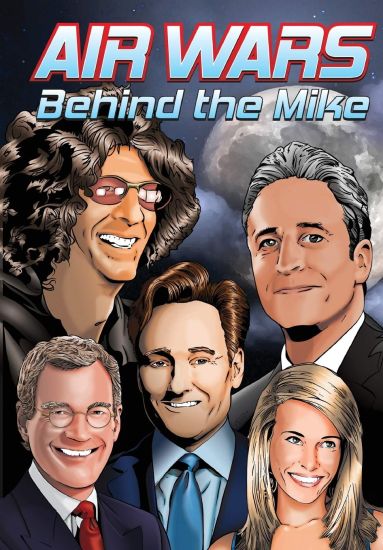
For the 1st time in print, the graphic novel about the late night war. Howard Stern. David Letterman. Chelsea Handler. Conan O'Brien. Jon Stewart: The mouthpieces of a generation and the source for info-tainment, these performers continue to parody hot-button social issues, skewer politicians and movie stars, and entertain us. The comic book series has been featured on ABC, NBC and CBS late night
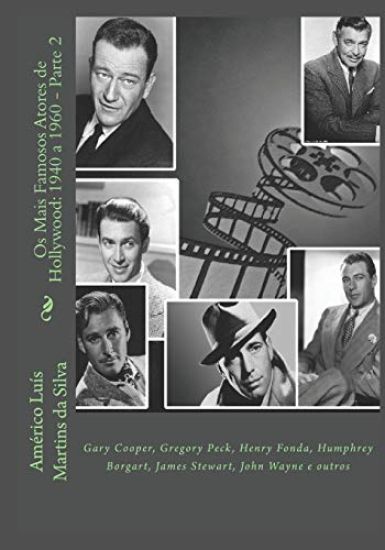
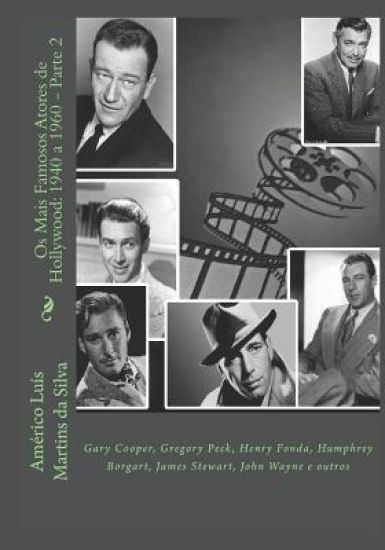
A numera o das artes costume j antigo para designar determinadas manifesta es art sticas. Atualmente, encontra-se em vigor numera o das artes mais consensual, apenas indicativa, onde cada uma das artes caracterizada pelos elementos b sicos que formatam a sua linguagem. Tal numera o classificada da seguinte forma: 1a arte: m sica (som); 2a arte: artes c nicas, ou seja, teatro/dan a/coreografia (movimento); 3a arte: pintura (cor); 4a arte: arquitetura (espa o); 5a arte: escultura (volume); 6a arte: literatura (palavra); 7a arte: cinema (integra os elementos das artes anteriores, principalmente a 8a e no cinema de anima o a 9a); .8a arte: fotografia (imagem); 9a arte: quadrinhos (cor, palavra, imagem); 10a arte: v deo games (alguns jogos integram elementos de todas as artes anteriores somado 11a, por m, no m nimo, ela integra as 1a, 3a, 4a, 6a, 9a artes somadas 11a desde a terceira gera o, considerada portanto, a forma de arte definitiva); 11a arte: arte digital (integra artes gr ficas computadorizadas 2D, 3D e programa o).No entanto, como frequentemente se afirma, o "cinema uma arte s ntese, uma arte total, que concilia todas as outras artes". Tudo na s tima arte extremamente grandioso O filme que usou maior n mero de figurantes em toda a hist ria do cinema foi Gandhi, 1982, de Richard Attenborough: mais de 300.000].Isto Hollywood No entanto, muito se tem para contar a respeito da vida dos atores famosos. De maneira que a proposta da s rie "Atores Famosos de Hollywood", informando ao p blico leitor os principais fatos da vida dos autores mais famosos da s tima arte, inicia-se por este livro, o primeiro volume da s rie intitulada "Famosos Atores de Hollywood".
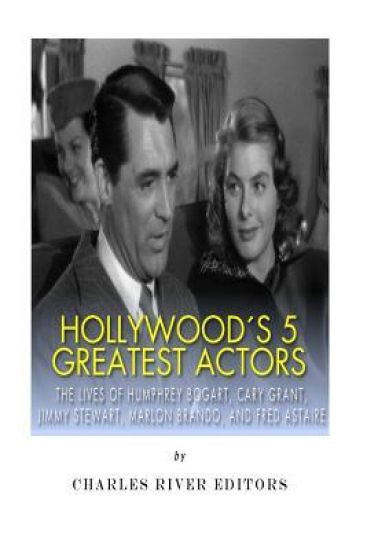
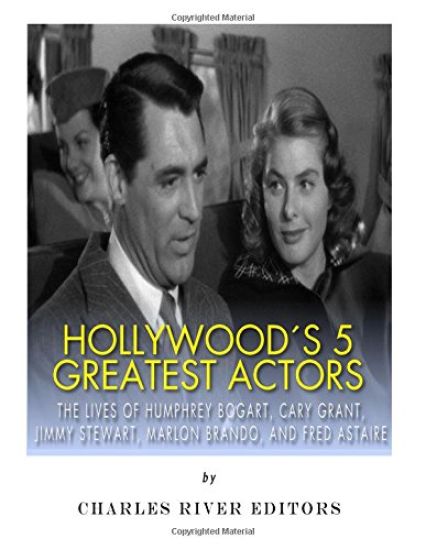
*Includes pictures. *Includes actors' quotes about their careers. *Includes bibliographies. *Includes a table of contents. In 1999, the American Film Institute released its list of the 50 greatest Hollywood stars of the 20th century, and selecting the best actors out of the bunch was certainly a tall task. The competition was so stacked that men like Gary Cooper and John Wayne were not even among the Top 10. So who were the Top 5 men selected by the AFI? One man has long been considered the greatest male star. From the time he first became a leading man, Humphrey Bogart's screen image has resonated with viewers more than perhaps any other actor. His persona as a tough guy who manages to maintain his sense of virtue no matter how compromising the situation features in some of the most famous films ever made, including Casablanca (1942), The Maltese Falcon (1941), and Key Largo (1949). Movie stars are revered for their ability to captivate audiences, and perhaps no actor has done it as well as Cary Grant, the epitome of the suave, debonair actor who may have been rivaled only by dancer extraordinaire Fred Astaire. Grant offered a version of the male actor that stood in stark contrast with the gangster heroes and hard-boiled film noir detectives that populated the screen throughout his career. If the list was reconstructed today, it is entirely possible that Stewart would rank first. Not only have movies such as It's a Wonderful Life (1946) and Vertigo (1958) continued to gain in popularity even into the 21st century, but Stewart has come to embody an accessible image of American values that is easy for everyone to embrace. Over the course of his long, prolific career, Marlon Brando was considered perhaps the greatest actor of the 20th century as well as one of the most complicated and misunderstood. Uniquely able to be both emotionally charged and technically constrained in the same performance, he single-handedly changed the direction of not only the American style of acting, influencing successors such as Robert De Niro, Al Pacino and even Johnny Depp, but the acting profession on a global scale. Virtually all famous actors are regaled by the public, but even still, Fred Astaire occupies a privileged position in American pop culture. The specific films in which Astaire acted may not be especially famous in their own right, but Astaire's dancing prowess invariably creates a lasting impact on viewers. Hollywood's 5 Greatest Actors: The Lives of Humphrey Bogart, Cary Grant, Jimmy Stewart, Marlon Brando, and Fred Astaire profiles the life, career, and legacy of the men deemed by the American Film Institute as the greatest male stars. Along with pictures of important people, places, and events, you will learn about the AFI's Top 5 actors like you never have before.
A numera o das artes costume j antigo para designar determinadas manifesta es art sticas. Atualmente, encontra-se em vigor numera o das artes mais consensual, apenas indicativa, onde cada uma das artes caracterizada pelos elementos b sicos que formatam a sua linguagem. Tal numera o classificada da seguinte forma: 1a arte: m sica (som); 2a arte: artes c nicas, ou seja, teatro/dan a/coreografia (movimento); 3a arte: pintura (cor); 4a arte: arquitetura (espa o); 5a arte: escultura (volume); 6a arte: literatura (palavra); 7a arte: cinema (integra os elementos das artes anteriores, principalmente a 8a e no cinema de anima o a 9a); .8a arte: fotografia (imagem); 9a arte: quadrinhos (cor, palavra, imagem); 10a arte: v deo games (alguns jogos integram elementos de todas as artes anteriores somado 11a, por m, no m nimo, ela integra as 1a, 3a, 4a, 6a, 9a artes somadas 11a desde a terceira gera o, considerada portanto, a forma de arte definitiva); 11a arte: arte digital (integra artes gr ficas computadorizadas 2D, 3D e programa o).No entanto, como frequentemente se afirma, o "cinema uma arte s ntese, uma arte total, que concilia todas as outras artes". Tudo na s tima arte extremamente grandioso O filme que usou maior n mero de figurantes em toda a hist ria do cinema foi Gandhi, 1982, de Richard Attenborough: mais de 300.000].Isto Hollywood No entanto, muito se tem para contar a respeito da vida dos atores famosos. De maneira que a proposta da s rie "Atores Famosos de Hollywood", informando ao p blico leitor os principais fatos da vida dos autores mais famosos da s tima arte, inicia-se por este livro, o primeiro volume da s rie intitulada "Famosos Atores de Hollywood".
Since the mid-1820s, a series of lectures has been delivered each year over the Christmas period in the world-famous Faraday Lecture Theatre at The Royal Institution of Great Britain by prominent scientists, addressed specifically to an audience of children. Initially made accessible in book form, the lectures have been nationally televised throughout the UK and distributed worldwide since the 1960s, making them accessible to an even larger audience. The importance of these lectures in promoting science to a broad audience is perhaps best gauged by the fact that an image of one of Faraday's lectures appeared on the Bank of England £20 note in the 1990s.This anthology brings together, for the first time, a carefully chosen selection of 11 lectures from the 1860s to the 1990s. The selection includes lectures by Michael Faraday, arguably the most important and influential 19th-century physicist, and Lawrence Bragg, the youngest ever winner of the Nobel Prize. Through this work, readers will come to grips with the changing nature of popular science lectures over the past 140 years.
Since the mid-1820s, a series of lectures has been delivered each year over the Christmas period in the world-famous Faraday Lecture Theatre at The Royal Institution of Great Britain by prominent scientists, addressed specifically to an audience of children. Initially made accessible in book form, the lectures have been nationally televised throughout the UK and distributed worldwide since the 1960s, making them accessible to an even larger audience. The importance of these lectures in promoting science to a broad audience is perhaps best gauged by the fact that an image of one of Faraday's lectures appeared on the Bank of England £20 note in the 1990s.This anthology brings together, for the first time, a carefully chosen selection of 11 lectures from the 1860s to the 1990s. The selection includes lectures by Michael Faraday, arguably the most important and influential 19th-century physicist, and Lawrence Bragg, the youngest ever winner of the Nobel Prize. Through this work, readers will come to grips with the changing nature of popular science lectures over the past 140 years.