From the legendary founder of Atari and Chuck E. Cheese's and Steve Jobs's first boss, the secrets to finding, hiring, keeping, and nurturing creative talent. The business world is changing faster than ever, and every day your company faces new complications and difficulties. The only way to resolve these issues is to have a staff of wildly creative people who live as much in the future as the present, who thrive on being different, and whose ideas will guarantee that your company will prosper when other companies fail. A celebrated visionary and iconoclast, Nolan Bushnell founded the groundbreaking gaming company Atari before he went on to found Chuck E. Cheese's and two dozen other companies. He also happened to launch the career of the late Steve Jobs, along with those of many other bril-liant creatives over the course of his five decades in business. With refreshing candor, keen psychological insight, and robust humor, Bushnell explains in Finding the Next Steve Jobs how to think boldly and differently about companies and organizations--and spe-cifically the people who work within them. For anyone trying to turn a company into the next Atari or Apple, build a more creative workforce, or fashion a career in a changing world, this book will enlighten, challenge, surprise, and amuse.
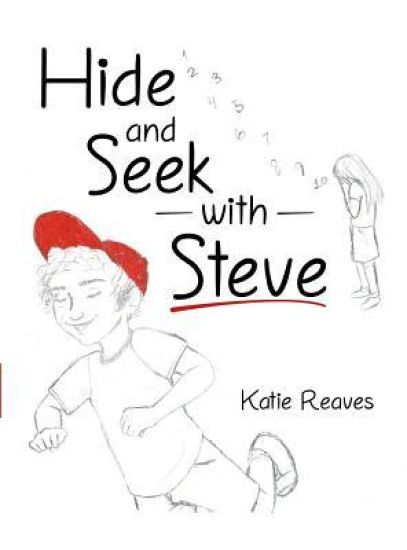
Hide and Seek with Steve is based on the author's remembrance of the many hours spent playing hide and seek, among other games, with her little brother, Steve. Every night he would beg her, "Tell me a story." Reaves would read him books such as Goldilocks and the Three Bears and change her voice with each character. This is for everyone with little siblings who like stories About the Author Katie Reaves is an author living in Florence, Alabama. She hopes you enjoy her story
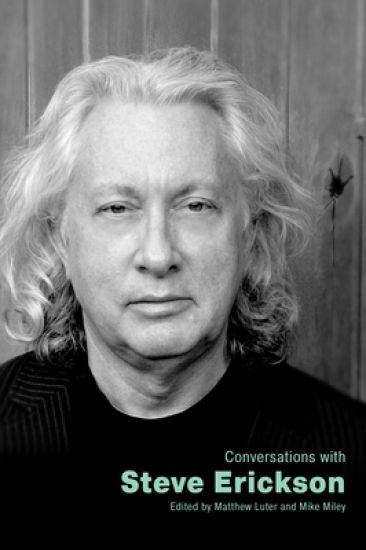
Much like his novels, Steve Erickson (b. 1950) exists on the periphery of our perception, a shadow figure lurking on the margins, threatening to break through, but never fully emerging. Despite receiving prestigious honors, Erickson has remained a subterranean literary figure, receiving effusive praise from his fans, befuddled or cautious assessments from reviewers, and scant scholarly attention. Erickson's obscurity comes in part from the difficulty of categorizing his work within current trends in fiction, and in part from the wide variety of concerns that populate his writing: literature, music, film, politics, history, time, and his fascination with his home city of Los Angeles. His dream-fueled blend of European modernism, American pulp, and paranoid late-century postmodernism makes him essential to an appreciation of the last forty years of American fiction but difficult to classify neatly within that same realm. He is at once thoroughly of his time and distinctly outside it. In these twenty-four interviews Erickson clarifies how his aesthetic and political visions are inextricable from each other. He diagnoses the American condition since World War II, only to reveal that America's triumphs and failures have been consistent since its inception-and that he presciently described decades ago certain features of our present. Additionally, the interviews expose the remarkable consistency of Erickson's vision over time while simultaneously capturing the new threads that appear in his later fiction as they emerge in his thought. Conversations with Steve Erickson will deepen readers' understanding of how Erickson's books work-and why this utterly singular writer deserves greater attention.
Much like his novels, Steve Erickson (b. 1950) exists on the periphery of our perception, a shadow figure lurking on the margins, threatening to break through, but never fully emerging. Despite receiving prestigious honors, Erickson has remained a subterranean literary figure, receiving effusive praise from his fans, befuddled or cautious assessments from reviewers, and scant scholarly attention. Erickson's obscurity comes in part from the difficulty of categorizing his work within current trends in fiction, and in part from the wide variety of concerns that populate his writing: literature, music, film, politics, history, time, and his fascination with his home city of Los Angeles. His dream-fueled blend of European modernism, American pulp, and paranoid late-century postmodernism makes him essential to an appreciation of the last forty years of American fiction but difficult to classify neatly within that same realm. He is at once thoroughly of his time and distinctly outside it. In these twenty-four interviews Erickson clarifies how his aesthetic and political visions are inextricable from each other. He diagnoses the American condition since World War II, only to reveal that America's triumphs and failures have been consistent since its inception-and that he presciently described decades ago certain features of our present. Additionally, the interviews expose the remarkable consistency of Erickson's vision over time while simultaneously capturing the new threads that appear in his later fiction as they emerge in his thought. Conversations with Steve Erickson will deepen readers' understanding of how Erickson's books work-and why this utterly singular writer deserves greater attention.
With a trace of skidmarks and a gleam in his eye, Steve Silverado shows his girlfriend, Debbie Durango that old fashioned love can keep their 4 wheels on the pavement even in the most dire conditions. So hop in the passengers seat and get ready for a ride you won't forget.
Develop resilience in your own life by studying the lives of others. The Profiles of Resilience series highlights how both historic and current day figures have demonstrated resilience in their own lives. Each book contains a short biography, highlighting key events related to resilience in the person's life, quotes related to resilience, a lessons to learn section, and a series of discussion questions.
"I bought a copy for my friend's daughter and she LOVED it There are strong, smart female characters, the book is well paced and well written, and most importantly, it's FUN to read "-Amazon Customer, 5 Star Review"My 9 y.o. is a reluctant reader. I always have to start a series out by reading with him. After we finished the 1st chapter, he said: 'Mom, I want to be a ninja ' That was last night. This evening he ran up to me and said: 'I just finished the whole book I love it. VERY MUCH '-Amazon Customer, 5 Star ReviewSECRET MISSIONS. SPIN KICKS. SINISTER GHOSTS.Thirteen-year-old Agent Darcy is one of the top students at the Bureau of Sneakery, where there are three rules every agent must follow: never make friends with an outsider, never speak of the Bureau, and never reveal your real name. Lately, Darcy has hit a rough patch: her rival, Agent Serena, keeps outdoing her. If things keep going this way, Darcy is convinced that no one will ever assign her a real mission. Ninja Steve's city, Ninjastoria, is the home of sword fights, throwing stars, and Tae Kwon Donuts. Unlike his genius older sister, twelve year-old Steve isn't the best ninja student. He'd rather be swinging a sword instead of taking notes in class. Steve, however, is about to learn that being a true ninja means far more than being able to use a sword. When Darcy is sent to Ninjastoria as an exchange student, it will turn both of their lives upside-down and raise all kinds of questions: What do the mecha-moles want? Who is the man in the gray mask? What do ninjas eat for lunch? And why are there tiger stripes all over the cover of this book? Time to read and find out