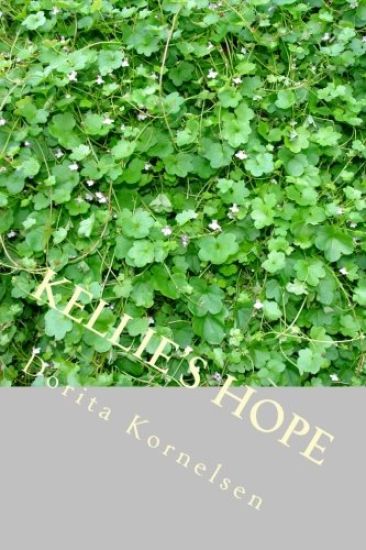
Kellie is off on another visit to Grandma's where something magical always happens. Grandma tells Kellie the story of the dancing garden where flowers, trees and ferns dance as though they are at one of the grandest balls ever and it happens right in Grandma's back yard but Kellie sees not a single sway, leap nor curtsey. She wants so badly to see the dance of the flowers and so Grandma reassures her, "You've always been my little detective. Maybe you can find out what makes them dance." Kellie begins to problem solve. Fortunately she has brought her big, red bag filled with costumes that she uses to disguise herself so she can discover the magic of the dancing garden. During her adventure as Grandma's detective, Kellie even encounters a mischievous puppy and curious cat. Accompanied by creative, colorful illustrations by Fabiana Farcas, this delightful book is one for parents and grandparents who enjoy reading along with their children.Patricia Komar holds university degrees from Switzerland, New York, and British Columbia in the arts, writing, and psychology. She writes feature articles for North American publications and is also the author of "The Hollow Hills Explorers Series" She lives in the Pacific Northwest with her husband and their two dogs. For more about Patricia and her books visit www.patriciakomar.com
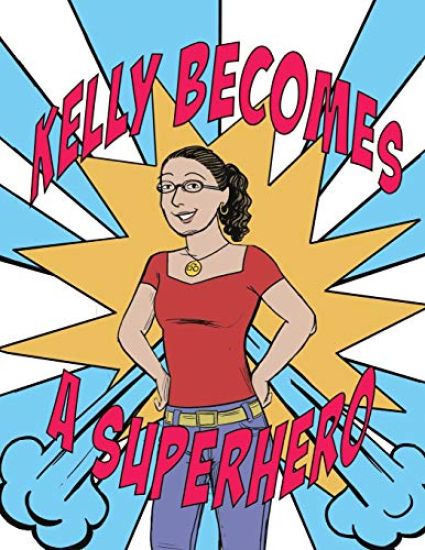
Kelly Becomes a Superhero: Teen Edition is a graphic novel designed for adolescents and teens with Aspergers, Autism Spectrum Disorder (ASD), Anxiety, or Attention Deficit Disorder. The book tells four stories about a girl named Kelly Washington who faces stressful or confusing situations at home, school, and at her job.Kelly gains "Superhero" powers in dealing with her dilemmas when she learns to use a set of tools that help her make sense of confusing situations and also help her better understand why other people act the way they do and how she can get along better with them.After each story, there is a "Think About It" section that gives the reader the opportunity to apply these "Superhero" tools to his or her own life to stay calm when worried or confused and to figure out what to do to make life easier.Many young people have said they don't understand what other people (like their parents, teachers, friends, neighbors, teammates or coaches) expect them to do or why they expect it. When these young people learn to use the "Superhero" tools in this book, they say it becomes easier to get along with others and they enjoy themselves in new ways.
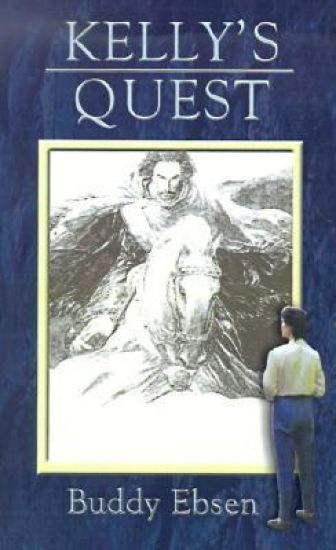
With the death of his father, Connachtach is finally free: Free to leave the family farm, free to return to the monastery of his youth, and free to scribe--a skill held by few in eighth-century Scotia. But answering what he hopes is God's call to create a new, glorified book of the gospel is not without sacrifice: in leaving all earthly matters behind, Connachtach also leaves his sister Oona and niece Deirdre, who are not so eager to let him disappear from their lives. From the Celtic shores of Iona to the amber sands of newly founded Baghdad; from the eerie decrepitude of fallen Rome to the hallowed stairs of Jerusalem, what begins as Connachtach's quest to scribe soon ranges beyond even his most beatific vision.In this transporting testament to the power of the written word, Amy Crider offers a richly imagined early medieval odyssey ripe with purpose and rife with danger--whether from marauding Vikings, treacherous fellow wayfarers, or one's own innermost doubts.
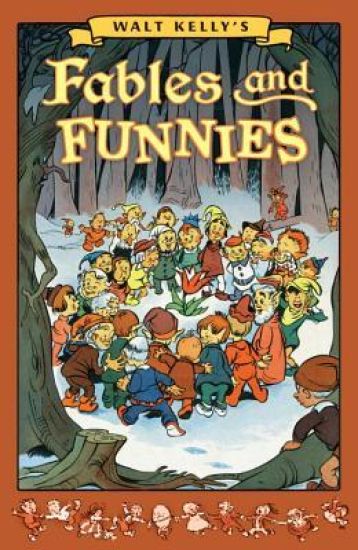
Before achieving international fame as the creator of Pogo Possum, legendary cartoonist Walt Kelly produced an outstanding body of work adapting and illustrating fairy tales, fables and nursery rhymes for Dell Comics in the 1940s. Already an indisputable master of his craft, these wonderful and whimsical stories come to unparalleled life through Kelly's signature, spirited humor and fluid, exuberant hand. Comprised of carefully selected and rarely seen work that originally appeared in issues of Dell Comics' "Fairy Tale Parade, Four Color, Raggedy Ann and Andy, and Santa Claus Funnies," this volume is a vital part of the history and legacy of one of comics' most eminent and influential masters.
In Fred Chappell’s introduction to The Kelly Cherry Reader, he writes, “Cherry is a flambeau example of the extremely conscious artist, a writer who mediates ceaselessly upon the problems and possibilities of the poem, the novel, the short story and the essay. She ponders what she has done and how she has done it; she thinks about the approaches and techniques she has employed, and she labors to extend and expand them. This kind of effort is not common to all writers, many of whom will write this year pretty much the same novel they wrote year before last, the same poem they wrote twenty years ago.”Cherry has long been a writer whose work has remained vital and, due to her diligence, fresh. Here, in the Reader, she collects a body of work, much of it no longer in print, and permits us to remap and re-explore where her writing has come from, where it has gone, and where it is bound yet to go; it reacquaints long-time fans and invites new readers to discover the importance of her work.