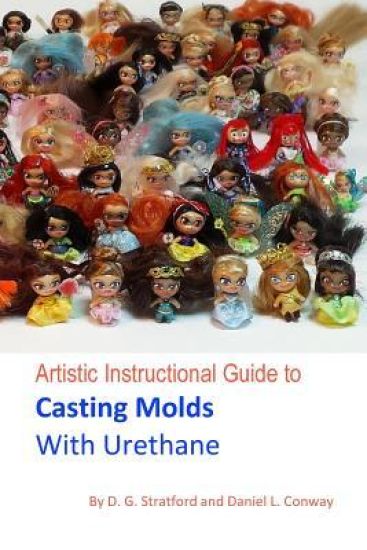
This guide has over 450 color photographs that provides step by step instruction with regard to the urethane molding process using silicone and adding layers to create a finished piece. The reader may also use this guide in the restoration of vintage figures. High attention to detail is outlined in every part of the process whether creating hairstyles in miniature or elaborate accessories for the figures. This introduction to the molding process is meant to inspire the reader with the endless possibilities that is art in this 130+ page book.
The rugged mountains around North Bend hold some giant secrets, some of the townspeople are believers, but most don't want to talk about it. One man is intent on finding out what lives in the Cedar Creek Watershed. This curiosity places him deep in the unforgiving forest running for his life. Being hunted by creatures that dwarf him. With no weapon to defend himself, all he can do is run. His fate in the hands of his pursuers. Word spreads that there has been another spotting of Bigfoot, and the town is inundated with hunters, news media, reality television production crews and very odd characters caught up in the hubbub. Chief Ranger Notworst is dealing with unruly visitors to the campground at Rattlesnake Lake. Sheriff Harrington has his hands full just trying to keep the peace. The bigfoot hunters multiply this by descending on the town in a horrific traffic jam. The sheriff tries to keep the peace, and the President of the United States declares North Bend an emergency disaster, which brings in the National Guard and the Red Cross to aid the stranded. This confusion is all fueled by a news reporter, Wendy Storms, an unwanted guest of North Bend. The sleepy town of North Bend is about to be hit by the apocalyptic wrath of the black orb. A man gets burned to death, and Wendy Storms declares it an act of terrorism which brings secret government agencies to town. Confusing and complicating the already complex situation. Looting and break-ins cause mayhem, and a wrongly accused Rebeca Love stands trial for the crimes. It looks as if she may be prison bound. But the one man who went missing returns to save her from her accuser, prosecuting attorney Rupert Longarm.
With an inspirational foreword by a 19 year old college student Ka'Lysta A. Greene, a deeply emotional introduction by Daniel L. Walker, and a personal testimony by his niece Brittney R. Smith. After the success of his #1 Bestselling novel God's Rain: Poetry of Love, Life, and Family, Poet and Author Daniel L. Walker, Sr returns with his compelling and heartfelt stories of love, betrayal, and hope. So much has been sensationalized surrounding the life and death of Teirra Walker, but this book puts to rest those false rumors. In this novel 3 of his poems" 1ne Dream, Autistic Thoughts, and Masterpiece" were nominated by "2015 Readers Digest Poetry Award. For the first time ever Daniel Walker talks about his experience of dealing with the homicide trial of his wife Teirra Nicole Walker, and being a single father of 2 teenagers.What inspires me to write?Imagine sitting in a quiet secluded place, where it's only you and your pen. Now your pen becomes the most powerful tool in the world because now you get to set the stage, and tell the world your deepest and personal stories. Some may cry, some may laugh, but the image what you created will forever be in their thoughts. I get inspired by hearing testimonies from people who have either shared a similar tragedy, or have read something I wrote. This is what makes me different from all the other poets, writers, and storytellers. Deep down inside, this is why I feel I'm one of the best in the world. No matter what happens, God will always be my inspiration to make a difference in someone life. - Daniel L. Walker, Sr, in a Sacred Bond Broken
How could nanotechnology not perk the interest of any designer, engineer or architect? Exploring the intriguing new approaches to design that nanotechnologies offer, Nanomaterials, Nanotechnologies and Design is set against the sometimes fantastic sounding potential of this technology. Nanotechnology offers product engineers, designers, architects and consumers a vastly enhanced palette of materials and properties, ranging from the profound to the superficial. It is for engineering and design students and professionals who need to understand enough about the subject to apply it with real meaning to their own work.
Creating Deviance is a basic text introductory text for deviance studies. Dotter identifies the convergences between social deviance, the interactionist tradition, and the construction of cultural meaning. He provides an in-depth analysis of the significant theoretical contribution of interactionism to the study of deviant behavior and crime, examining the works of George Herbert Mead, Herbert Blumer, Howard S. Becker, Edwin Shur, and Norman Denzin, among others. Dotter applies this framework to a number of specific scenarios, such as the persistence of gender inequality, the formation of youth subcultures, the contemporary politicization of race in the criminal justice system, and media generated, public representations of stigmatization. His text will be a valuable resource in any introductory course to the study of deviance and crime, the sociology of deviance and social control, and introductory criminology courses.
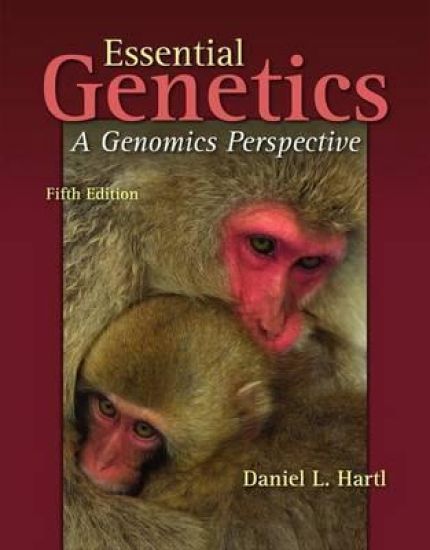
Updated to reflect the latest discoveries in the field, the Fifth Edition of Hartl's classic text provides an accessible, student-friendly introduction to contemporary genetics. Designed for the shorter, less comprehensive introductory course, Essential Genetics: A Genomic Perspective, Fifth Edition includes carefully chosen topics that provide a solid foundation to the basic understanding of gene mutation, expression, and regulation. New and updated sections on genetic analysis, molecular genetics, probability in genetics, and pathogenicity islands ensure that students are kept up-to-date on current key topics. The text also provides students with a sense of the social and historical context in which genetics has developed. New and expanded end-of-chapter material allows for a mastery of key genetics concepts and is ideal for homework assignments and in-class discussion.
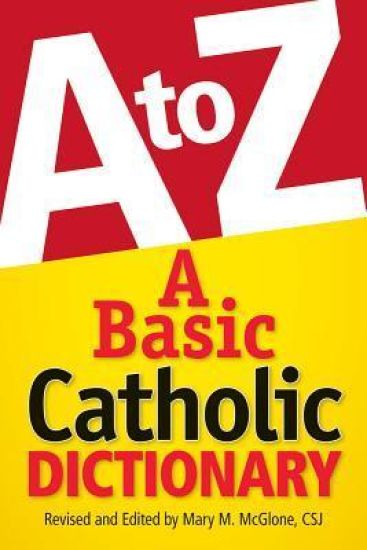
From Abbess to Zephaniah, you will find information about Catholic beliefs and doctrines, liturgical celebrations, moral teachings, and outstanding people in Church history in A Basic Catholic Dictionary. Educational and enlightening, this resource book contains references to the Code of Canon Law and the Catechism of the Catholic Church, and is perfect for anyone in RCIA, students in confirmation classes, for teachers and catechists, and as a personal reference guide in your own home. A revised and edited best-selling staple for any Catholic's bookshelf, this new edition is updated to include timely topics and references to the Catechism as well as current church practices.
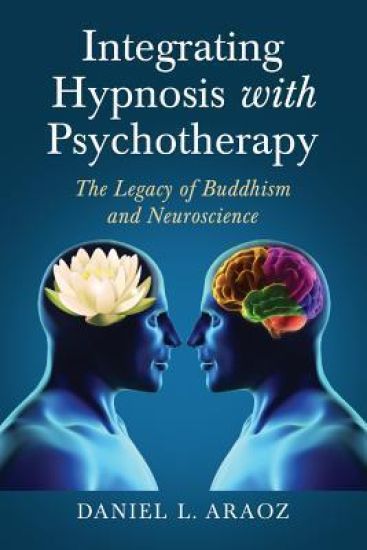
Psychotherapy is a scientifically proven form of treatment, and neuroscience has justified hypnosis as a convenient method to train our minds to change our brains. However, hypnosis remains widely misunderstood. This volume clears up many misconceptions surrounding the practice by exploring it as a part of psychodynamic psychotherapy. In this context, hypnosis involves the activation of the patient's fantasy to create a new inner reality of the self, so that this reality can take the place of the old one for personal enrichment of the individual. Presenting new evidence from neuroscience and the ancient wisdom of Buddhism and detailing many short case studies, this work reveals the essence of hypnosis and demonstrates the benefits of this often misunderstood mind activity.
Maximize your effectiveness with troubled kids!The Aggressive Adolescent: Clinical and Forensic Issues provides mental health professionals with a comprehensive text that covers both theoretical and practical applied knowledge of aggressive youth in a specific, problem-focused way. Through case histories and practical treatment interventions, this unique book will give you information to help you provide improved services to adolescents who have experienced neglect, physical abuse, and/or sexual abuse. The Aggressive Adolescent offers you a new model for practical and functional assessment, treatment, planning, and service delivery for aggressive youths. The book also explores legal and forensic issues that frequently accompany these cases to bring you insight into the whole picture surrounding problem adolescents. Compelling and comprehensive, The Aggressive Adolescent shows you how some behaviors once attributed to mental illness are now seen as criminal, and how this view is pushing mentally ill youths into the criminal justice system. This vital guide will help you, as a mental health professional, to bolster your understanding of forensic mental health issues and effectively assist in criminal justice settings.The Aggressive Adolescent will help you become a better, more connected youth care worker. You will learn:to see institutionalized adolescents as whole people rather than focusing on a single characteristic such as violent behavior to understand that these adolescents share common needs, desires, and aspirations with their therapists, and that you can use these commonalities to give you a connection that will facilitate their therapy to see that traditional methods of intervention are often inappropriate or ineffective for aggressive adolescents to address issues of risk assessment, malpractice, and liability, to help ensure fiscal and legal accountability The Aggressive Adolescent presents strategies for dealing with youths who are resistant to entering into treatment so that you can help them deal with their problems. This essential book will assist you in developing and implementing effective systems of care for aggressive adolescents in order to give them the help and support they need.
Maximize your effectiveness with troubled kids!The Aggressive Adolescent: Clinical and Forensic Issues provides mental health professionals with a comprehensive text that covers both theoretical and practical applied knowledge of aggressive youth in a specific, problem-focused way. Through case histories and practical treatment interventions, this unique book will give you information to help you provide improved services to adolescents who have experienced neglect, physical abuse, and/or sexual abuse. The Aggressive Adolescent offers you a new model for practical and functional assessment, treatment, planning, and service delivery for aggressive youths. The book also explores legal and forensic issues that frequently accompany these cases to bring you insight into the whole picture surrounding problem adolescents. Compelling and comprehensive, The Aggressive Adolescent shows you how some behaviors once attributed to mental illness are now seen as criminal, and how this view is pushing mentally ill youths into the criminal justice system. This vital guide will help you, as a mental health professional, to bolster your understanding of forensic mental health issues and effectively assist in criminal justice settings.The Aggressive Adolescent will help you become a better, more connected youth care worker. You will learn:to see institutionalized adolescents as whole people rather than focusing on a single characteristic such as violent behavior to understand that these adolescents share common needs, desires, and aspirations with their therapists, and that you can use these commonalities to give you a connection that will facilitate their therapy to see that traditional methods of intervention are often inappropriate or ineffective for aggressive adolescents to address issues of risk assessment, malpractice, and liability, to help ensure fiscal and legal accountability The Aggressive Adolescent presents strategies for dealing with youths who are resistant to entering into treatment so that you can help them deal with their problems. This essential book will assist you in developing and implementing effective systems of care for aggressive adolescents in order to give them the help and support they need.
Discover an important source of practical and understandable advice for parents of children with anger management issues! Your Angry Child: A Guide for Parents was created to provide parents of angry children and teenagers with an up-to-date understanding of the whys and hows of anger problems. You’ll find specific, focused ways of helping angry children and managing the difficulties that anger causessome brand new, some time-tested. Written by a psychologist with over 30 years of experience treating troubled and severely behaviorally disordered youth and 20 years experience as a forensic psychologist, this book provides practical and understandable advice that parents can make use of immediately. This insightful book presents up-to-date case histories, current research, and practical, down-to-earth techniques that can help parents of children and adolescents with anger problems. Extraordinarily useful for parents, this book is also an ideal adjunct to counseling and psychotherapy and an essential reference for teachers, pediatricians and family practice physicians, students of psychology, corrections officers, and others who work with angry/violent youth. The first chapters of Your Angry Child: A Guide for Parents provide a thoughtful introduction to child development concepts and the development of anger, examining how hostility and aggression impact the family and illustrating the effects of resistance and oppositional behavior. Next, the book focuses specifically on practical aspects of anger management, including: attachment issues antisocial behavior anger’s impact on temperament, development, moral reasoning, and the thinking process in general indicators of anger problems, such as temper tantrums, cruelty to animals, and fire setting the effect of the media on violent tendencies in children ADHD, oppositional defiant disorder, and other conduct disorders mood disorders, including suicidal feelings and depression links between anger and substance abuse problem solving the power of strong values and positive role models for angry youth and much more!With chapters specifically devoted to the anger problems of children and pre-teenagers as well as advice directed toward parents of angry adolescents, Your Angry Child: A Guide for Parents is an ideal resource for helping professionals and the parents who come to them in varying degrees of desperation. Make this vital book a part of your therapeutic arsenal today!
Discover an important source of practical and understandable advice for parents of children with anger management issues! Your Angry Child: A Guide for Parents was created to provide parents of angry children and teenagers with an up-to-date understanding of the whys and hows of anger problems. You’ll find specific, focused ways of helping angry children and managing the difficulties that anger causessome brand new, some time-tested. Written by a psychologist with over 30 years of experience treating troubled and severely behaviorally disordered youth and 20 years experience as a forensic psychologist, this book provides practical and understandable advice that parents can make use of immediately. This insightful book presents up-to-date case histories, current research, and practical, down-to-earth techniques that can help parents of children and adolescents with anger problems. Extraordinarily useful for parents, this book is also an ideal adjunct to counseling and psychotherapy and an essential reference for teachers, pediatricians and family practice physicians, students of psychology, corrections officers, and others who work with angry/violent youth. The first chapters of Your Angry Child: A Guide for Parents provide a thoughtful introduction to child development concepts and the development of anger, examining how hostility and aggression impact the family and illustrating the effects of resistance and oppositional behavior. Next, the book focuses specifically on practical aspects of anger management, including: attachment issues antisocial behavior anger’s impact on temperament, development, moral reasoning, and the thinking process in general indicators of anger problems, such as temper tantrums, cruelty to animals, and fire setting the effect of the media on violent tendencies in children ADHD, oppositional defiant disorder, and other conduct disorders mood disorders, including suicidal feelings and depression links between anger and substance abuse problem solving the power of strong values and positive role models for angry youth and much more!With chapters specifically devoted to the anger problems of children and pre-teenagers as well as advice directed toward parents of angry adolescents, Your Angry Child: A Guide for Parents is an ideal resource for helping professionals and the parents who come to them in varying degrees of desperation. Make this vital book a part of your therapeutic arsenal today!
A fascinating, and disturbing, story of an urban high school's struggle to survive in the post-integration era of educational reformThomas Jefferson High School faced court-ordered busing, student unrest, white flight, district-sponsored alternative schools, high school consolidation, budget crises, closure threats, magnet programs, and co-existence with a Governor's School. Each event impacted the culture of academic excellence that had been painstakingly crafted during the school's first thirty years. This book offers a history of Tee-Jay from its inception in 1930 through its "glory days," covers the school's efforts to deal with the challenges of the post-integration era, and concludes with a discussion of what the Tee-Jay story can tell us about the future of academic high schools and integration in the urban areas of the United States.
The Christian church continues to seek ethical and spiritual models from the period of Israel's monarchy and has avoided the gravity of the Babylonian exile. Against this tradition, the author argues that the period of focus for the canonical construction of biblical thought is precisely the exile. Here the voices of dissent arose and articulated words of truth in the context of failed power.
Today's church finds itself in a new world, one in which climate change and ecological degradation are front-page news. In the eyes of many, the evangelical community has been slow to take up a call to creation care. How do Christians address this issue in a faithful way?This evangelically centered but ecumenically informed introduction to ecological theology (ecotheology) explores the global dimensions of creation care, calling Christians to meet contemporary ecological challenges with courage and hope. The book provides a biblical, theological, ecological, and historical rationale for earthcare as well as specific practices to engage both individuals and churches. Drawing from a variety of Christian traditions, the book promotes a spirit of hospitality, civility, honesty, and partnership. It includes a foreword by Bill McKibben and an afterword by Matthew Sleeth.
What strategies can a government use to end violent ethnic conflicts in the long term? Under what conditions do these strategies work best, and what are their limitations? Are there some ethnic conflicts that governments simply cannot solve? Drawing on an intimate knowledge of the Middle East as well as the experiences of trouble spots in Asia, Africa, and Europe, political scientist and RAND analyst Daniel Byman examines how government policies can affect-and, in some cases, prevent-the recurrence of violent ethnic conflict. Byman identifies and describes five key strategies: coercing groups and leaders, coopting key elites, changing group identities, implementing power sharing systems, and partitioning states. After weighing the strengths and weaknesses of each of these internal solutions, he also considers the benefits and risks of outside intervention. But Byman's prescription is tempered with realism. "Even under the best circumstances," he concludes, "no single strategy is sufficient to keep the peace after a bloody ethnic war. Only the optimal combination of multiple strategies, implemented in the proper sequence, will ensure success."
A superb, standard Christian theology text for nearly a quarter century, Daniel Migliore's Faith Seeking Understanding explores all of the major Christian doctrines in freshly contemporary ways. This third edition offers new FOR FURTHER READING suggestions at the end of each chapter, a substantial expansion of the glossary, and new material incorporated throughout, including a section on Christians and Muslims. Further, the three imaginary theological dialogues culminating the book -- pointedly playful exchanges that have delighted countless readers -- are here joined by a fourth dialogue, between Karl Barth and Friedrich Nietzsche, on atheism. All in all, a new generation of students, pastors, and Christian educators, eager to better understand the rich heritage, central themes, and contemporary challenges of Christian theology, will find both guidance and stimulation in Migliore's updated work.
Use outcome tools and measures to evaluate the effectiveness of your treatment methods. This step-by-step guide shows you how to incorporate evidence-based methods when interpreting outcomes of physical therapy on individual patients.Following the International Classification of Functioning, Disability and Health (ICF) model, you will learn how to select the appropriate outcome measures by defining needs and barriers, identifying the steps to take when searching for a measure, and choosing critical appraisal criteria. You will also learn how to critically review studies from the literature that reports outcome measures.