
Kirjahaku
Etsi kirjoja tekijän nimen, kirjan nimen tai ISBN:n perusteella.
1000 tulosta hakusanalla Oliver Perry Temple
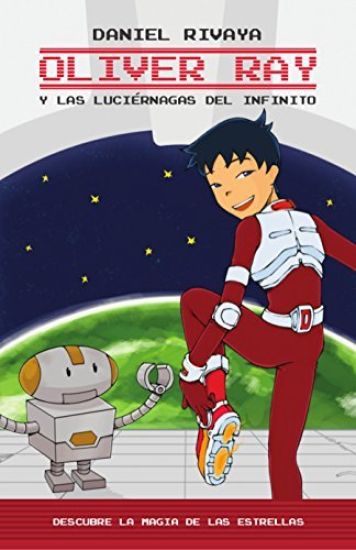
Oliver Ray y las Luciernagas del Infinito
Daniel Rivaya
Createspace Independent Publishing Platform
2017
pokkari
Desde que aquella enorme roca se estrellara contra la Luna, alej ndola de su rbita, las cosas en la Tierra han sido cada vez m s dif ciles. Pero no para Oliver Ray, un chico de trece a os que ha pasado toda su vida entre las paredes de "La Ara a". As se llama la nave colonial que est a punto de llegar a su destino, el planeta "Xindi". Pero la tierra prometida no estar exenta de riesgos. Oliver y sus amigos aprender n que en la oscuridad del espacio se ocultan peligros que nunca hab an imaginado. Descubre con ellos la magia de las estrellas.
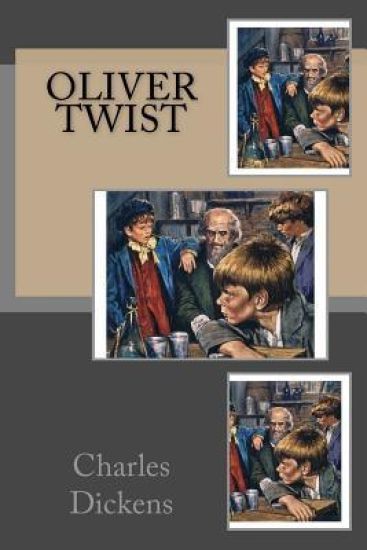
Oliver Twist: or The Parish Boy's Progress
Charles Dickens
Createspace Independent Publishing Platform
2016
nidottu
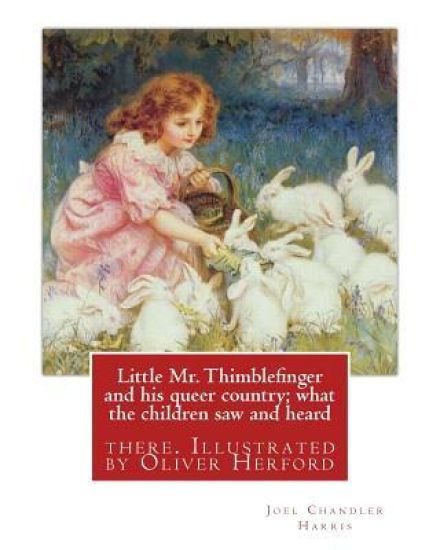
Little Mr. Thimblefinger and his queer country; what the children saw and heard: there. Illustrated by Oliver Herford (1863-1935) was an American writ
Oliver Herford; Joel Chandler Harris
Createspace Independent Publishing Platform
2016
nidottu
Joel Chandler Harris (December 9, 1848 - July 3, 1908) was an American journalist, fiction writer, and folklorist best known for his collection of Uncle Remus stories. Harris was born in Eatonton, Georgia, where he served as an apprentice on a plantation during his teenage years. He spent the majority of his adult life in Atlanta working as an associate editor at the Atlanta Constitution. Harris led two professional lives: as the editor and journalist known as Joe Harris, he supported a vision of the New South with the editor Henry W. Grady (1880-1889), stressing regional and racial reconciliation after the Reconstruction era. As Joel Chandler Harris, fiction writer and folklorist, he wrote many 'Brer Rabbit' stories from the African-American oral tradition and helped to revolutionize literature in the process.Joel Chandler Harris was born in Eatonton, Georgia in 1848 to Mary Ann Harris, an Irish immigrant. His father, whose identity remains unknown, abandoned Mary Ann and the infant shortly after his birth. The parents had never married; the boy was named Joel after his mother's attending physician, Dr. Joel Branham. Chandler was the name of his mother's uncle.Harris remained self-conscious of his illegitimate birth throughout his life.A prominent physician, Dr. Andrew Reid, gave the Harris family a small cottage to use behind his mansion. Mary Harris worked as a seamstress and helped neighbors with their gardening to support herself and her son. She was an avid reader and instilled in her son a love of language: "My desire to write-to give expression to my thoughts-grew out of hearing my mother read The Vicar of Wakefield."Dr. Reid also paid for Harris' school tuition for several years. In 1856, Joe Harris briefly attended Kate Davidson's School for Boys and Girls, but transferred to Eatonton School for Boys later that year. He had an undistinguished academic record and a habit of truancy. Harris excelled in reading and writing, but was mostly known for his pranks, mischief, and sense of humor. Practical jokes helped Harris cloak his shyness and insecurities about his red hair, Irish ancestry, and illegitimacy, leading to both trouble and a reputation as a leader among the older boys... Oliver Herford (1863-1935) was an American writer, artist and illustrator who has been called "The American Oscar Wilde". citation needed] As a frequent contributor to The Mentor, Life, and Ladies' Home Journal, he sometimes signed his artwork as "O Herford". In 1906 he wrote and illustrated the Little Book of Bores. He also wrote short poems like "The Chimpanzee" and "The Hen", as well as writing and illustrating "The Rubaiyat of a Persian Kitten" (1904) and "Excuse It Please" (1930). His sister Beatrice Herford was also a humorist. Ethel Mumford and Addison Mizner wrote a small book The Cynic's Calendar of Revised Wisdom for 1903 as a Christmas present and added Herford's name as an author as a joke. The printer made up more copies to sell and to everyone's surprise it was an astounding success. When Herford found out about it he wanted 90% of the royalties. He was awarded an equal third.
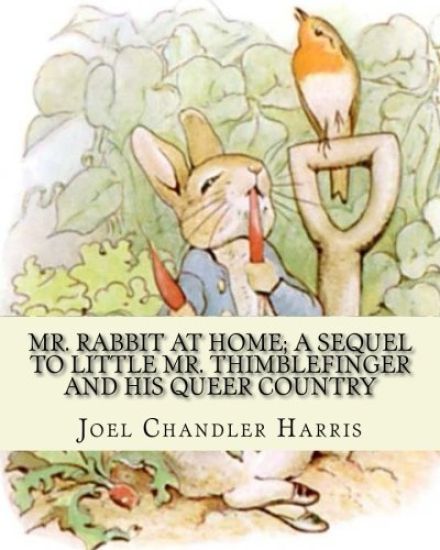
Mr. Rabbit at home; a sequel to Little Mr. Thimblefinger and his queer country: By: Joel Chandler Harris, illustrations By: Oliver Herford(1863-1935)
Oliver Herford; Joel Chandler Harris
Createspace Independent Publishing Platform
2016
nidottu
Joel Chandler Harris (December 9, 1848 - July 3, 1908) was an American journalist, fiction writer, and folklorist best known for his collection of Uncle Remus stories. Harris was born in Eatonton, Georgia, where he served as an apprentice on a plantation during his teenage years. He spent the majority of his adult life in Atlanta working as an associate editor at the Atlanta Constitution. Harris led two professional lives: as the editor and journalist known as Joe Harris, he supported a vision of the New South with the editor Henry W. Grady (1880-1889), stressing regional and racial reconciliation after the Reconstruction era. As Joel Chandler Harris, fiction writer and folklorist, he wrote many 'Brer Rabbit' stories from the African-American oral tradition and helped to revolutionize literature in the process.Joel Chandler Harris was born in Eatonton, Georgia in 1848 to Mary Ann Harris, an Irish immigrant. His father, whose identity remains unknown, abandoned Mary Ann and the infant shortly after his birth. The parents had never married; the boy was named Joel after his mother's attending physician, Dr. Joel Branham. Chandler was the name of his mother's uncle.Harris remained self-conscious of his illegitimate birth throughout his life. A prominent physician, Dr. Andrew Reid, gave the Harris family a small cottage to use behind his mansion. Mary Harris worked as a seamstress and helped neighbors with their gardening to support herself and her son. She was an avid reader and instilled in her son a love of language: "My desire to write-to give expression to my thoughts-grew out of hearing my mother read The Vicar of Wakefield." Dr. Reid also paid for Harris' school tuition for several years. In 1856, Joe Harris briefly attended Kate Davidson's School for Boys and Girls, but transferred to Eatonton School for Boys later that year. He had an undistinguished academic record and a habit of truancy. Harris excelled in reading and writing, but was mostly known for his pranks, mischief, and sense of humor. Practical jokes helped Harris cloak his shyness and insecurities about his red hair, Irish ancestry, and illegitimacy, leading to both trouble and a reputation as a leader among the older boys. Oliver Herford (1863-1935) was an American writer, artist and illustrator who has been called "The American Oscar Wilde". citation needed] As a frequent contributor to The Mentor, Life, and Ladies' Home Journal, he sometimes signed his artwork as "O Herford". In 1906 he wrote and illustrated the Little Book of Bores. He also wrote short poems like "The Chimpanzee" and "The Hen", as well as writing and illustrating "The Rubaiyat of a Persian Kitten" (1904) and "Excuse It Please" (1930). His sister Beatrice Herford was also a humorist. Ethel Mumford and Addison Mizner wrote a small book The Cynic's Calendar of Revised Wisdom for 1903 as a Christmas present and added Herford's name as an author as a joke. The printer made up more copies to sell and to everyone's surprise it was an astounding success. When Herford found out about it he wanted 90% of the royalties. He was awarded an equal third.
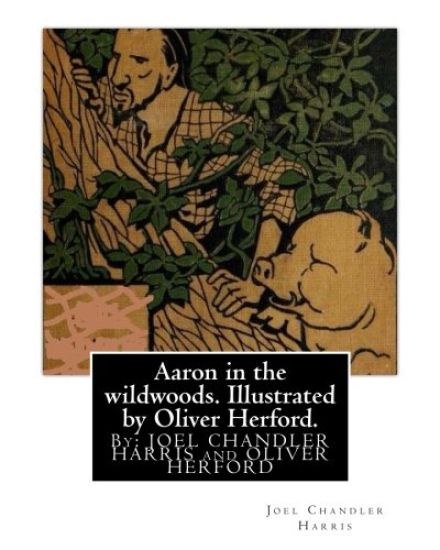
Aaron in the wildwoods. Illustrated by Oliver Herford. By: Joel Chandler Harris: illustrated By: Oliver Herford (1863-1935) was an American writer, ar
Oliver Herford; Joel Chandler Harris
Createspace Independent Publishing Platform
2016
nidottu
Joel Chandler Harris (December 9, 1848 - July 3, 1908) was an American journalist, fiction writer, and folklorist best known for his collection of Uncle Remus stories. Harris was born in Eatonton, Georgia, where he served as an apprentice on a plantation during his teenage years. He spent the majority of his adult life in Atlanta working as an associate editor at the Atlanta Constitution. Harris led two professional lives: as the editor and journalist known as Joe Harris, he supported a vision of the New South with the editor Henry W. Grady (1880-1889), stressing regional and racial reconciliation after the Reconstruction era. As Joel Chandler Harris, fiction writer and folklorist, he wrote many 'Brer Rabbit' stories from the African-American oral tradition and helped to revolutionize literature in the process. Oliver Herford (1863-1935) was an American writer, artist and illustrator who has been called "The American Oscar Wilde". citation needed] As a frequent contributor to The Mentor, Life, and Ladies' Home Journal, he sometimes signed his artwork as "O Herford". In 1906 he wrote and illustrated the Little Book of Bores. He also wrote short poems like "The Chimpanzee" and "The Hen", as well as writing and illustrating "The Rubaiyat of a Persian Kitten" (1904) and "Excuse It Please" (1930). His sister Beatrice Herford was also a humorist. Ethel Mumford and Addison Mizner wrote a small book The Cynic's Calendar of Revised Wisdom for 1903 as a Christmas present and added Herford's name as an author as a joke. The printer made up more copies to sell and to everyone's surprise it was an astounding success. When Herford found out about it he wanted 90% of the royalties. He was awarded an equal third.
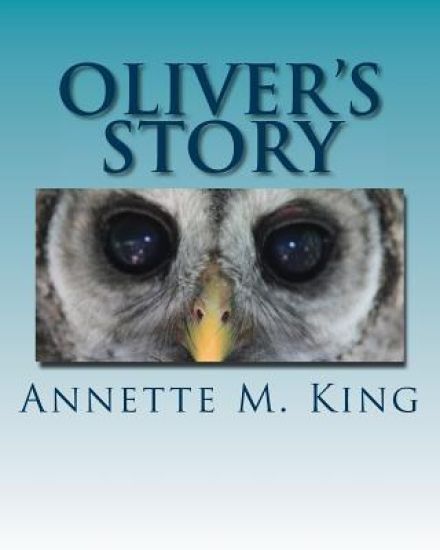
Oliver's Story: The Little Owl Who Did Things His Way
Annette M. King
Createspace Independent Publishing Platform
2016
nidottu
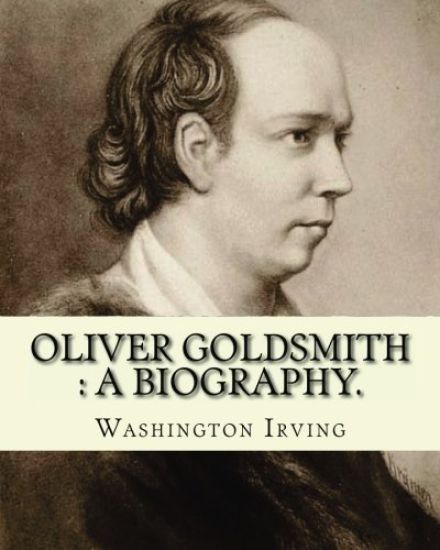
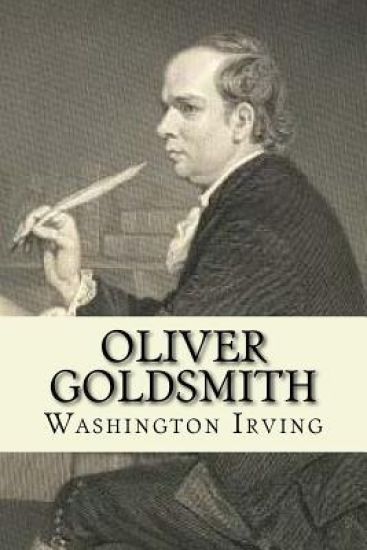
Oliver Goldsmith: a biography. By: Washington Irving: Oliver Goldsmith (10 November 1728 - 4 April 1774) was an Irish novelist, playwright and poet
Washington Irving
Createspace Independent Publishing Platform
2016
nidottu
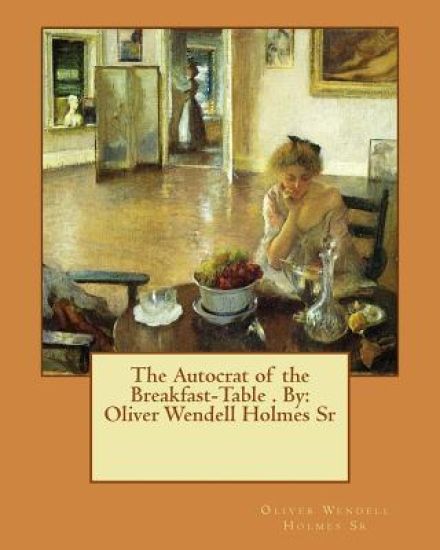
The Autocrat of the Breakfast-Table . By: Oliver Wendell Holmes Sr
Oliver Wendell Holmes
Createspace Independent Publishing Platform
2016
nidottu
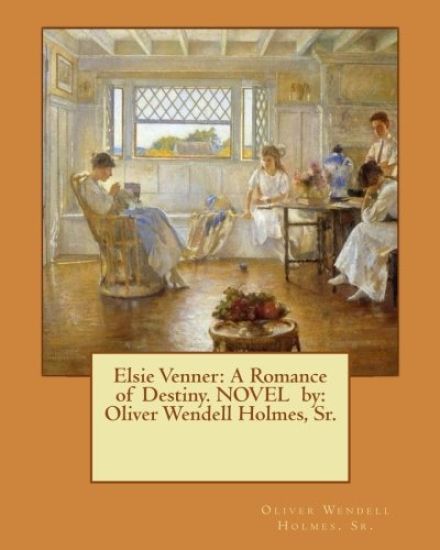
Elsie Venner: A Romance of Destiny. NOVEL by: Oliver Wendell Holmes, Sr.
Oliver Wendell Holmes
Createspace Independent Publishing Platform
2016
nidottu
Oliver Twist, or The Parish Boy's Progress, is the second novel by English author Charles Dickens, and was first published as a serial 1837-39. The story is of the orphan Oliver Twist, who starts his life in a workhouse and is then sold into apprenticeship with an undertaker. He escapes from there and travels to London, where he meets the Artful Dodger, a member of a gang of juvenile pickpockets led by the elderly criminal, Fagin. Oliver Twist is notable for its unromantic portrayal by Dickens of criminals and their sordid lives, as well as for exposing the cruel treatment of the many orphans in London in the mid-19th century. The novel may have been inspired by the story of Robert Blincoe, an orphan whose account of working as a child labourer in a cotton mill was widely read in the 1830s. It is likely that Dickens's own youthful experiences contributed as well.Each RADLEY CLASSIC is a meticulously restored, luxurious and faithful reproduction of a classic book; produced with elegant text layout, clarity of presentation, and stylistic features that make reading a true pleasure. Special attention is given to legible fonts and adequate letter sizing, correct line length for readability, generous margins and triple lead (lavish line separation); plus we do not allow any mistakes/changes/ additions to creep into the original author's words.Visit RADLEY BOOKS at www.radleybooks.com to see more classic book titles in this series.
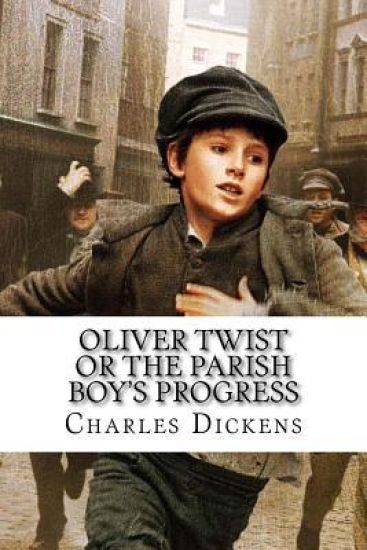
Oliver Twist Or the parish boy's progress Charles Dickens
Charles Dickens
Createspace Independent Publishing Platform
2016
nidottu
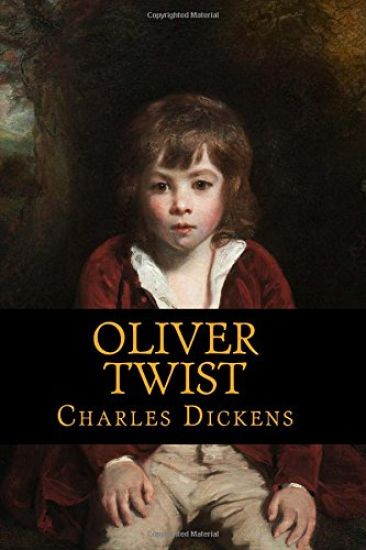
Oliver Twist, or The Parish Boy's Progress, is the second novel by English author Charles Dickens, and was first published as a serial 1837-39. The story is of the orphan Oliver Twist, who starts his life in a workhouse and is then sold into apprenticeship with an undertaker. He escapes from there and travels to London, where he meets the Artful Dodger, a member of a gang of juvenile pickpockets led by the elderly criminal, Fagin.Oliver Twist is notable for its unromantic portrayal by Dickens of criminals and their sordid lives, as well as for exposing the cruel treatment of the many orphans in London in the mid-19th century. The alternate title, The Parish Boy's Progress, alludes to Bunyan's The Pilgrim's Progress, as well as the 18th-century caricature series by William Hogarth, A Rake's Progress and A Harlot's Progress.