Kirjahaku
Etsi kirjoja tekijän nimen, kirjan nimen tai ISBN:n perusteella.
1000 tulosta hakusanalla Various.
Great Gospel Sermons: Various Authors (Contemporary)
Hyman Appleman; Samuel M. Zwemer; Billy Graham
Createspace Independent Publishing Platform
2014
nidottu

The Jack London Reader: Various Works by Jack London
Jack London
Createspace Independent Publishing Platform
2015
nidottu
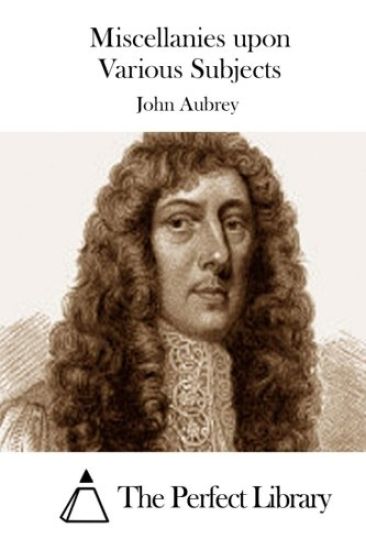
Miscellanies upon Various Subjects
John Aubrey
Createspace Independent Publishing Platform
2015
nidottu
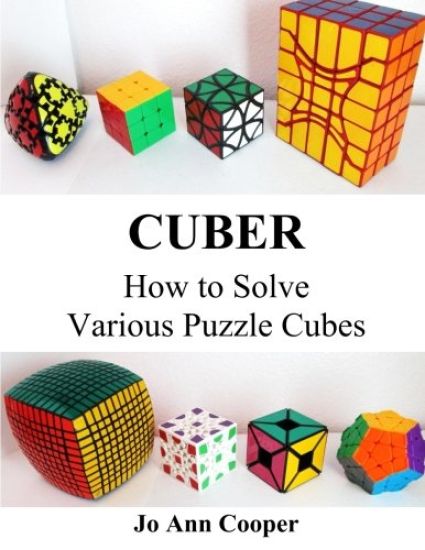
Cuber: How to Solve Various Puzzle Cubes Part I
Joann Denise Cooper
Createspace Independent Publishing Platform
2015
nidottu
Leading Articles on Various Subjects
Hugh Miller
Createspace Independent Publishing Platform
2015
nidottu
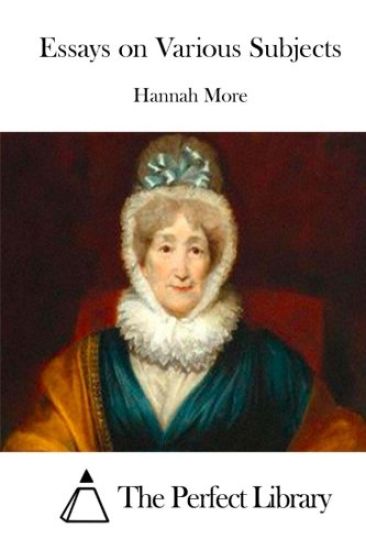
Intricate Knit Designs & Various Creative Items
Nancy King
Createspace Independent Publishing Platform
2015
nidottu
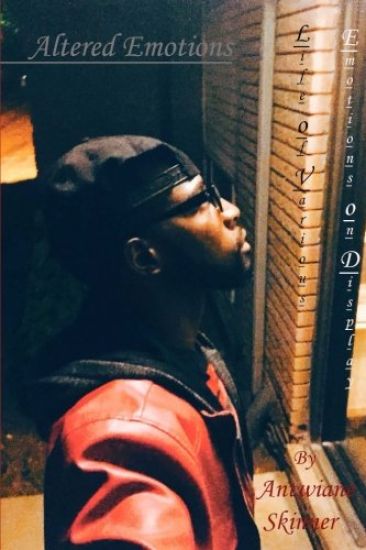
Altered Emotions: Life of Various Emotions on Display
Antwiane D. Skinner
Createspace Independent Publishing Platform
2016
nidottu
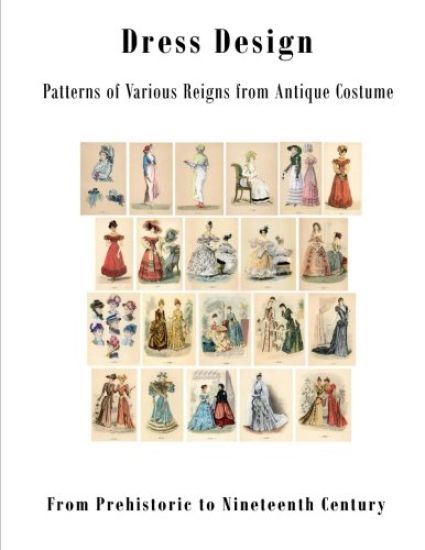
Dress Design: Patterns of Various Reigns from Antique Costume
Talbot Hughes
Createspace Independent Publishing Platform
2015
nidottu

Poems on Various Subjects - Religious and Moral
Phillis Wheatley
Createspace Independent Publishing Platform
2016
nidottu
Extracts from Various Authors
William Twopeny
Createspace Independent Publishing Platform
2016
nidottu
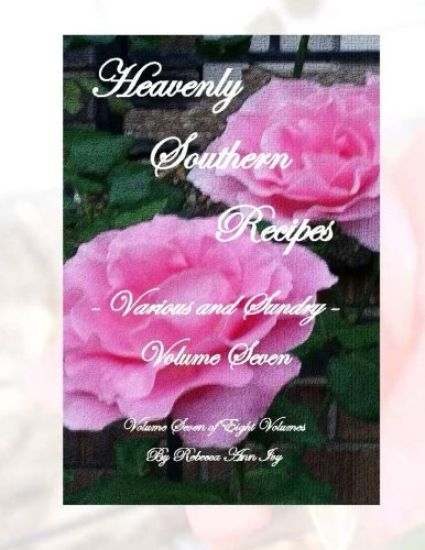
Heavenly Southern Recipes - Various and Sundry: The House of Ivy
Rebecca Ann Ivy
Createspace Independent Publishing Platform
2016
nidottu
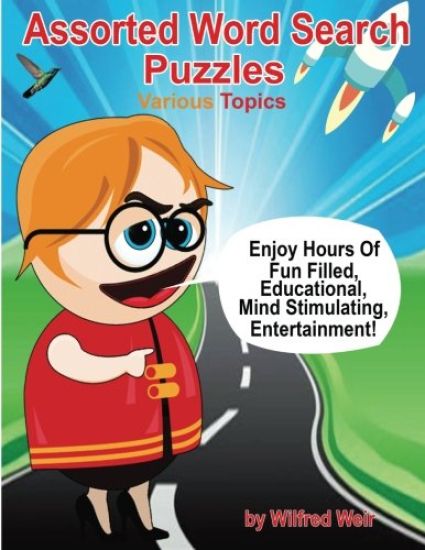
Assorted Word Search Puzzles: Various Topics
Wilfred Weir
Createspace Independent Publishing Platform
2017
nidottu
Word search puzzles are a great tool to train your eyes to read in multiple directions. Always challenging your mind to grow to greater heights. A very engaging and fun filled way to get your mind off your everyday problems.
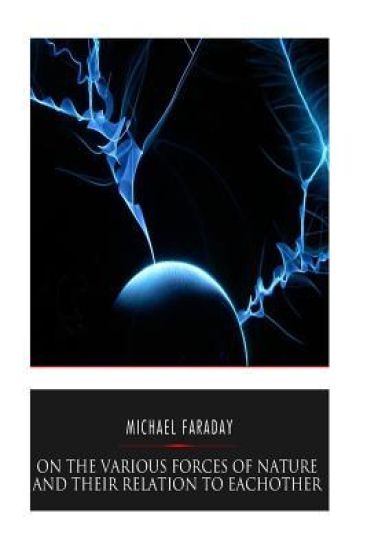
On the Various Forces of Nature and Their Relations to Each Other
Michael Faraday
Createspace Independent Publishing Platform
2016
nidottu
Miscellanies Upon Various Subjects
John Aubrey
Createspace Independent Publishing Platform
2017
nidottu
Though separated from his associates in the University, he appears to have kept up a correspondence with several of them, and among others, Anthony Wood, whom he furnished with much valuable information. Wood made an ungrateful return for this assistance, and in his Autobiography thus speaks of him: -"An. 1667, John Aubrey of Easton Piers in the parish of Kingston, Saint Michael in Wiltshire, was in Oxon. with Edward Forest, a Bookseller, living against Alls. Coll. to buy books. He then saw lying on the stall Notiti Academiae Oxoniensis, and asking who the author of that book was? He Edw. Forest] answered, the report was that one Mr. Anth. Wood, of Merton College was the author, but was not. Whereupon Mr. Aubrey, a pretender to Antiquities, having been contemporary to A. Wood's elder brother in Trin. Coll.
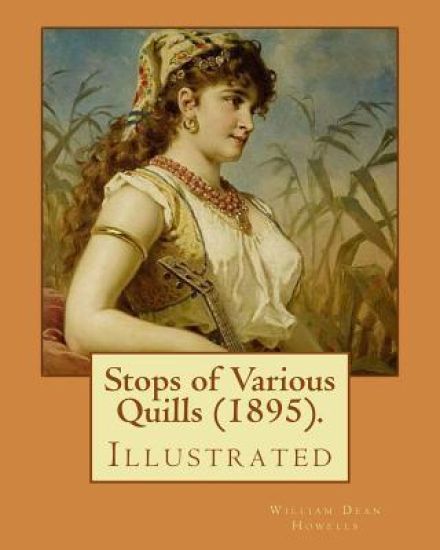
Stops of Various Quills (1895). By: William Dean Howells, illustrated By: Howard Pyle: Howard Pyle (March 5, 1853 - November 9, 1911) was an American
Howard Pyle; William Dean Howells
Createspace Independent Publishing Platform
2017
nidottu
William Dean Howells ( March 1, 1837 - May 11, 1920) was an American realist novelist, literary critic, and playwright, nicknamed "The Dean of American Letters". He was particularly known for his tenure as editor of The Atlantic Monthly, as well as for his own prolific writings, including the Christmas story "Christmas Every Day" and the novels The Rise of Silas Lapham and A Traveler from Altruria. Early life and family: William Dean Howells was born on March 1, 1837 in Martinsville, Ohio (now known as Martins Ferry, Ohio) to William Cooper Howells and Mary Dean Howells, the second of eight children. His father was a newspaper editor and printer who moved frequently around Ohio. In 1840, the family settled in Hamilton, Ohio, where his father oversaw a Whig newspaper and followed Swedenborgianism.Their nine years there were the longest period that they stayed in one place. The family had to live frugally, although the young Howells was encouraged by his parents in his literary interests. He began at an early age to help his father with typesetting and printing work, a job known at the time as a printer's devil. In 1852, his father arranged to have one of his poems published in the Ohio State Journal without telling him. Early career: In 1856, Howells was elected as a clerk in the State House of Representatives. In 1858, he began to work at the Ohio State Journal where he wrote poetry and short stories, and also translated pieces from French, Spanish, and German. He avidly studied German and other languages and was greatly interested in Heinrich Heine. In 1860, he visited Boston and met with writers James Thomas Fields, James Russell Lowell, Oliver Wendell Holmes, Sr., Nathaniel Hawthorne, Henry David Thoreau, and Ralph Waldo Emerson. He became a personal friend to many of them, including Henry Adams, William James, Henry James, and Oliver Wendell Holmes, Jr. In 1860 Howells wrote Abraham Lincoln's campaign biography Life Of Abraham Lincoln and subsequently gained a consulship in Venice. He married Elinor Mead on Christmas Eve 1862 at the American embassy in Paris. She was a sister of sculptor Larkin Goldsmith Mead and architect William Rutherford Mead of the firm McKim, Mead, and White. Among their children was architect John Mead Howells. Editorship and other literary pursuits: The Howells returned to America in 1865 and settled in Cambridge, Massachusetts. He wrote for various magazines, including the Atlantic Monthly and Harper's Magazine. In January 1866, James Fields offered him a position as assistant editor at the Atlantic Monthly; he accepted after successfully negotiating for a higher salary, though he was frustrated by Fields' close supervision. Howells was made editor in 1871, after five years as assistant editor, and he remained in this position until 1881. In 1869, he met Mark Twain with whom he formed a longtime friendship. But his relationship with journalist Jonathan Baxter Harrison was more important for the development of his literary style and his advocacy of Realism. Harrison wrote a series of articles for the Atlantic Monthly during the 1870s on the lives of ordinary Americans.Howells gave a series of twelve lectures on "Italian Poets of Our Century" for the Lowell Institute during its 1870-71 season. He published his first novel Their Wedding Journey in 1872, but his literary reputation soared with the realist novel A Modern Instance (1882), which described the decay of a marriage. His 1885 novel The Rise of Silas Lapham became his best known work, describing the rise and fall of an American entrepreneur of the paint business. His social views were also strongly represented in the novels Annie Kilburn (1888), A Hazard of New Fortunes (1890), and An Imperative Duty (1891)....
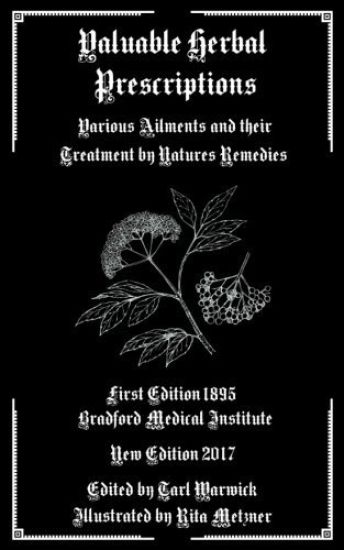
Valuable Herbal Prescriptions: Various Ailments and their Treatment by Natures Remedies
Bradford Medical Institute
Createspace Independent Publishing Platform
2017
nidottu
This book is based on firsthand experience gained by the author and her research team during many years of experimental studies, supported by the analysis of abundant literature published between 1970 and 1999. It deals with the comparative assessment of ischemic and reperfusion injuries and their mechanisms in vitally important organs differing in their sensitivity to oxygen deficiency, metabolic activity, and provision with radical-generating and antioxidant system. A distinctive feature of the monograph, compared to previous studies in this field, is that attention is focused on the role of free-radical reactions, their place among other damaging factors (disturbances of energy metabolism, intensification of lipolysis and phospholipolysis, etc), a detailed analysis of mechanisms responsible for the formation of free radicals during ischemia (the roles of electron transport pathways, radical-generating enzymes, macrophages, endothelial cells, etc) and a general review of modern methods of antiradical and antischemic therapy. None of the books published to date is characterised by such an approach to the problem.