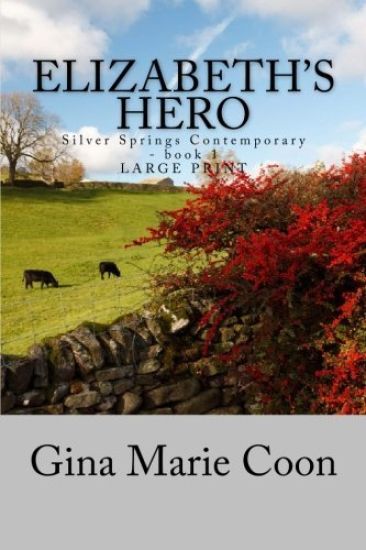
When a shocking accident takes the life of her best friend, Elizabeth Nelson flies to the rescue of the orphaned children, carrying a letter that grants her custody. Her friend's brother-in-law, gruff rancher Jack Summers, is already there, organizing the funeral and planning to take the children back to Montana. With separate legal claims and a concerned social worker looking on, the two strangers desperately search for a way to keep the children together. Their solution: Marriage. Elizabeth is willing to set aside her dull, empty life, in the hopes of having a family. Jack will do whatever it takes to ensure his ranch eventually passes to his brother's children. Will they find love in the bargain?As she settles into her new life, little oddities plague Elizabeth. She begins to question whether the plane crash that claimed her friend's life was really an accident. Jack and Elizabeth discover a mutual attraction, but will they recognize the love that's grown between them before another tragedy strikes?
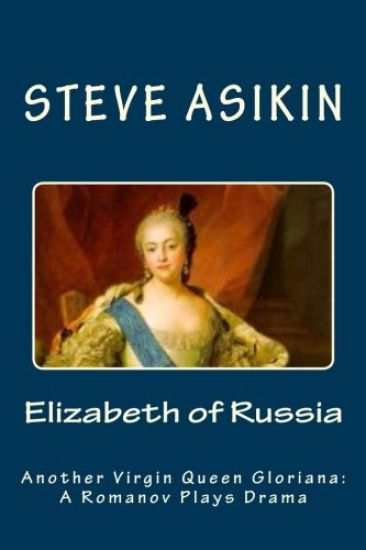
Was the 'Virgin Queen' image just Tudor propaganda? Historian Philippa Jones, author of the acclaimed The Other Tudors, challenges the many myths and truths surrounding Elizabeth's life and reveals the passionate woman behind the scenes. Virgin Queen is the name for which the powerful and fearless daughter of Henry the Eighth and Anne Boleyn is best remembered, and may explain why Elizabeth was the last of the Tudor monarchs. But how appropriate is that reputation? Were Elizabeth's suitors and favorites really just innocent intrigues? Or were they much more than that? Was Elizabeth really a woman driven by her passions, who had affairs with several men, including Thomas Seymour, while he was still the husband of her guardian Catherine Parr, and Robert Dudley, Earl of Leicester a man adjudged to have been the great love of her life? Are the rumors of Elizabeth's illegitimate children true? "
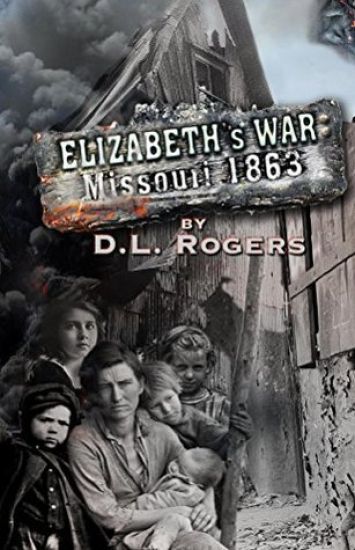
In a time when raiders, bushwhackers, and Redlegs rode the Cass County, Missouri, countryside bringing fear and destruction with them, Elizabeth Miers and her family barely survived into the next day. When the enemy, in the form of Elizabeth's neighbors, comes a-calling more than once with mischief on their minds, Elizabeth fights back to keep her children safe against men she once called friends. On August 25, 1863, following the issuance of General Order No. 11, thousands of women, children, and the elderly were forced to vacate their homes in the brutal summer heat within fifteen days. With determination and a plan, Elizabeth sets out on a sixty-mile trek toward St. Clair County. Carrying enough prepared food and water on a rickety built sled to reach her family, she prays her kin are there to welcome them, uncertain whether they survived the buring of Osceola two years prior, or not. Facing more than just the lack of food and shelter and the unbearable heat, they're set upon by raiders and foraging soldiers who try to take more than just their meager provisions. Much more. Left with little, Elizabeth and her fellow travelers continue south, facing more indignities before their journey is done.Through Elizabeth and the thousands of other refugees that traveled ahead of and behind her, feel what they felt in the wake of General Order No. 11, an order that took everything and left them destitute and afraid they wouldn't live to see one more day.
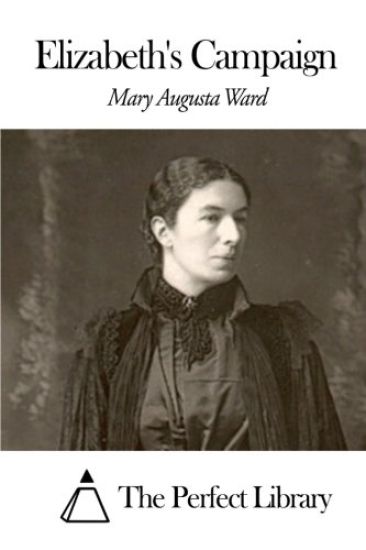
"Elizabeth's Campaign", by Mary Augusta Ward. Mary Augusta Ward was a British novelist who wrote under her married name as Mrs Humphry Ward (1851-1920).
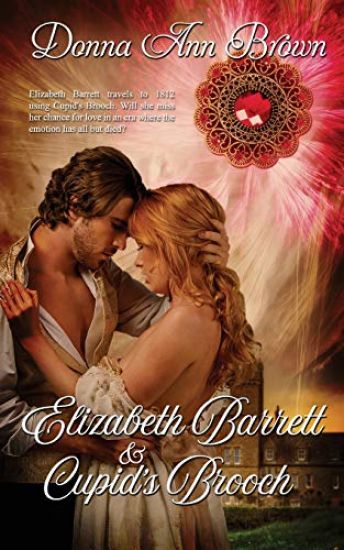
Legend has it Cupid's Brooch sends you to your one true love... Actress Liz Barrett, adored by millions, wields Cupid's Brooch and trades places with Miss Elizabeth Barrett of 1812, a young lady without connections who fears having no choice in whom she must marry. Either Liz's rabid fans have made up this crazy story, while Elizabeth suffers what is surely purgatory, or they've traded places in time and perhaps even fallen into the arms of their one true love. But what will Lord Whittington and Dr. Demfry do if fate is determined to switch them back?
What if Fitzwilliam Darcy refused to approach Elizabeth Bennet when he observes her upon the grounds of Pemberley? What if Elizabeth permits Mr. Darcy to think her the one ruined by Mr. Wickham? What if love is not enough to bring two souls together?FITZWILLIAM DARCY's pride makes the natural leap to ELIZABETH BENNET's ruination when the lady appears, without notice, upon Pemberley's threshold to plead for Darcy's assistance in locating his long-time enemy, George Wickham. Initially, Darcy cannot look beyond the pain of lost hopes, but when Charles Bingley demands that Darcy act with honor, Darcy assumes the task. Even so, the idea of delivering Miss Elizabeth into the hand of Mr. Wickham leaves Darcy raw with anguish. Yet, Darcy loves Elizabeth Bennet too much to see her brought low. He sets his heartbreak aside to save the woman he loves, but it is not long before Darcy realizes Elizabeth practices a deception, one Darcy permits so he might remain at her side long enough to convince the lady only in each other can they find happiness. Their adventure takes more twists and turns than does the original "Pride and Prejudice," but the reader will enjoy the devotion displayed by Darcy and Elizabeth as they bring Wickham to the line in Lydia Bennnet's defense, as well as their working their way through multiple misconstructions and vulnerabilities. Darcy's final wooing of Elizabeth brings two very private individuals to a very public declaration of their love.
This book is a volume in the Penn Press Anniversary Collection. To mark its 125th anniversary in 2015, the University of Pennsylvania Press rereleased more than 1,100 titles from Penn Press's distinguished backlist from 1899-1999 that had fallen out of print. Spanning an entire century, the Anniversary Collection offers peer-reviewed scholarship in a wide range of subject areas.