Kirjahaku
Etsi kirjoja tekijän nimen, kirjan nimen tai ISBN:n perusteella.
1000 tulosta hakusanalla Evripides



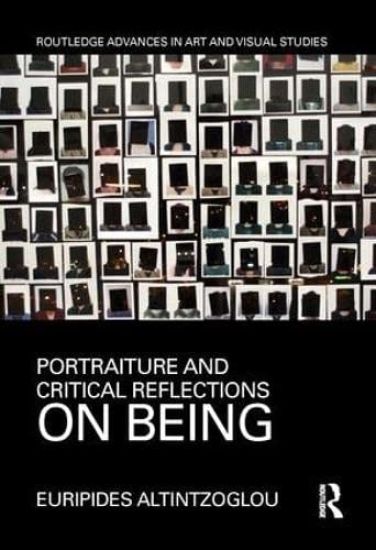
This book analyzes the philosophical origins of dualism in portraiture in Western culture during the Classical period, through to contemporary modes of portraiture. Dualism – the separation of mind from body - plays a central part in portraiture, given that it supplies the fundamental framework for portraiture’s determining problem and justification: the visual construction of the subjectivity of the sitter, which is invariably accounted for as ineffable entity or spirit, that the artist magically captures. Every artist that has engaged with portraiture has had to deal with these issues and, therefore, with the question of being and identity.
Euripidou Hiketides. = Euripidis Drama Supplices Mulieres. Ad Codd. Mss. Recensitum: Et, Versione Correct[, Notis Uberioribus Illustratum. Accedit ...
Euripides
Gale Ecco, Print Editions
2010
nidottu


A horrifying play of drugs and drink. from the 5th century BC, all too relevant for today CALLENDER CLASSICAL TEXTS

A searing tale of lust, jealousy and youth - a fifth century BC tragedy for today CALLENDER CLASSICAL TEXTS
A tale of infidelity, child murder add self destruction. A tragedy for today, as for the audiences of the Athens of the the fifth century BC CALLENDER CLASSICAL TEXTS
One of the most moving exposes of the human cost of war. Set in the context of the mythic tale of Troy Euripides' ' moving drama was for his fellow warring Athenians . - and for all time

A translatin of a lovely Greek play which rightly deserves its description as a romance: disguises, subterfuges, home-sickness by the sea, divine guidance, and escapes CALLENDER CLASSICAL TEXTS
This edition of the Greek classic play Medea by Euripides is translated by well-regarded scholar of classics Gilbert Murray, who offers the reader a vivid yet accurate interpretation of the play. Medea is imperiled as her husband plans to leave her for another woman. Angry at having been abandoned for a Corinthian princess, Medea enacts vengeance befitting her status as a barbarian queen: she slays her former husband's new wife and their children, before absconding to Athens where she begins a new life. Ever since its publication over 2,400 years ago, Medea has been considered a shocking work of fiction, primarily for its violent and malevolent scenes. Despite these horrific events, it was Euripides portrayal of Medea as a sympathetic antihero frustrated by a world of male dominance which won over audiences. Owing to this nuanced depiction, Medea the play and Medea the character has become well-regarded by feminists. It remains the most popular and performed drama by Euripides in the modern day.
This edition of the Greek classic play Medea by Euripides is translated by well-regarded scholar of classics Gilbert Murray, who offers the reader a vivid yet accurate interpretation of the play.Medea is imperiled as her husband plans to leave her for another woman. Angry at having been abandoned for a Corinthian princess, Medea enacts vengeance befitting her status as a barbarian queen: she slays her former husband's new wife and their children, before absconding to Athens where she begins a new life.Ever since its publication over 2,400 years ago, Medea has been considered a shocking work of fiction, primarily for its violent and malevolent scenes. Despite these horrific events, it was Euripides portrayal of Medea as a sympathetic antihero frustrated by a world of male dominance which won over audiences. Owing to this nuanced depiction, Medea the play and Medea the character has become well-regarded by feminists. It remains the most popular and performed drama by Euripides in the modern day.
An industrial port of a war-torn city. Women survivors wait to be shipped abroad. Officials come and go. A grandmother, once Queen, watches as her remaining family are taken from her one by one. The city burns around them. Euripides' great anti-war tragedy is published in Don Taylor's translation to coincide with the National Theatre's production directed by Katie Mitchell in the Lyttelton auditorium. This edition of the play features an introduction by the translator setting the play in its historical and dramaturgical context.
The old songs will have to change. No more hymns to our faithlessness and deceit. Apollo, god of song, lord of the lyre, never passed on the flame of poetry to us. But if we had that voice, what songs we'd sing of men's failings, and their blame. History is made by women, just as much as men. Medea has been betrayed. Her husband, Jason, has left her for a younger woman. He has forgotten all the promises he made and is even prepared to abandon their two sons. But Medea is not a woman to accept such disrespect passively. Strong-willed and fiercely intelligent, she turns her formidable energies to working out the greatest, and most horrifying, revenge possible. Euripides' devastating tragedy is shockingly modern in the sharp psychological exploration of the characters and the gripping interactions between them. Award-winning poet Robin Robertson has captured both the vitality of Euripides' drama and the beauty of his phrasing, reinvigorating this masterpiece for the twenty-first century.