Kirjahaku
Etsi kirjoja tekijän nimen, kirjan nimen tai ISBN:n perusteella.
1000 tulosta hakusanalla HORATIO ALGER JR.


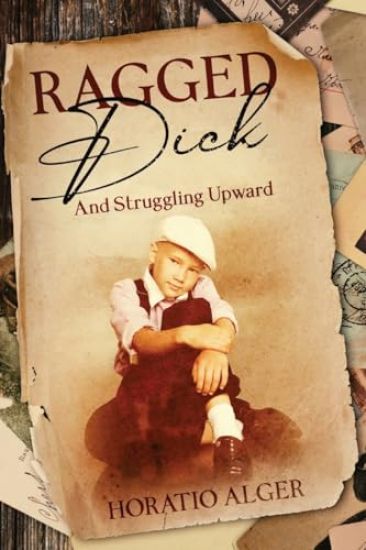
"Ragged Dick and Struggling Upward" by Horatio Alger is a captivating tale that resonates with young audiences through its timeless themes and compelling narrative. This classic work of juvenile fiction follows the journey of a young protagonist navigating social challenges and striving for success in 19th-century America.Alger's story revolves around Dick Hunter, whose determination and resilience epitomize the classic rags-to-riches narrative. Through Dick's experiences, Alger weaves moral lessons of perseverance, honesty, and hard work, inspiring readers with a tale of self-improvement and upward mobility.The narrative unfolds vividly in 19th-century New York City, offering a window into the social dynamics and struggles of the time. Young readers are drawn into the story as they witness Dick's growth, facing obstacles, and embracing opportunities to better himself.Themes of moral development, character building, and the pursuit of success form the backbone of this story. Alger's narrative emphasizes the importance of integrity, determination, and resilience, portraying a young character who strives to improve his circumstances through sheer grit and virtue."Ragged Dick and Struggling Upward" remains relevant due to its timeless messages of hope, hard work, and the belief that anyone, regardless of their background, can overcome challenges and achieve their dreams. This classic tale continues to captivate young audiences, imparting enduring lessons of empowerment, diligence, and the indomitable human spirit.
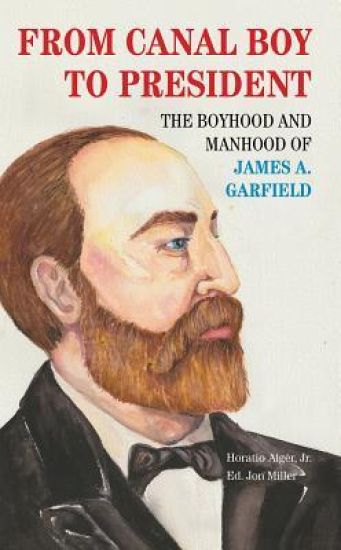
From Canal Boy to President: The Boyhood and Manhood of James A. Garfield
Horatio Alger
University of Akron Press
2018
nidottu
Born and raised in Northeast Ohio, James A. Garfield became the twentieth President of the United States in 1881. His time as President was brief: he served only four months before he was shot in a railroad station by a man who was angry because Garfield would not give him a job. The wound became infected, and Garfield died several months later. In response, From Canal Boy to President was published to immediate success. It was often reprinted and widely read, well into the twentieth century. This biography provides only the basic details of Garfield's life, avoiding nuance, controversy, and partisan politics. But many generations of young Americans read it, and so it remains important today as a record of what late nineteenth- and early twentieth-century Americans believed and wanted to believe about their nation, the potential of its public institutions, and how the political process can work to promote distinguished leaders to our highest office. The book illustrates Garfield's growth and character to support ideas about life in America that have long been cherished. For example, From Canal Boy to President describes Garfield's capacity for hard work through a series of humble jobs--he worked on farms and on the canal as a boy, and he worked as a carpenter and as a janitor to get through college. It also describes how his love of learning, his great study habits, and his development of public speaking skills led to success as a teacher, professor, college president, military commander, lawyer, and statesman.