
Kirjahaku
Etsi kirjoja tekijän nimen, kirjan nimen tai ISBN:n perusteella.
1000 tulosta hakusanalla Janel Rodriguez
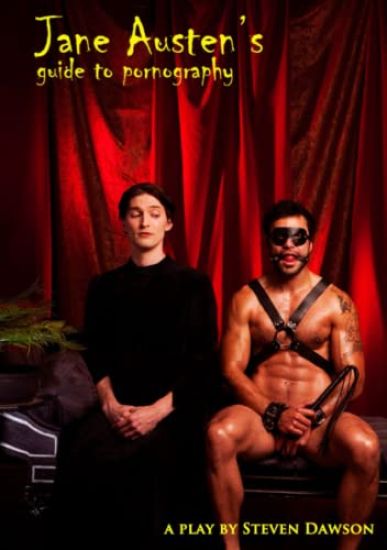
Jane is on her last lung and desperately wanting to go out with a bang; Brett is a 21st century pornographic playwright who desperately wants to write something that doesn't involve willy. Whilst Darcy is sodomising stable boys and Marianne is getting rogered rigid, Jane still can't say "fellatio" without reaching for the smelling salts. Duelling authors bitch across time as each seeks to become more then they are. It is Sense without Sensibility, Perversion without Prejudice
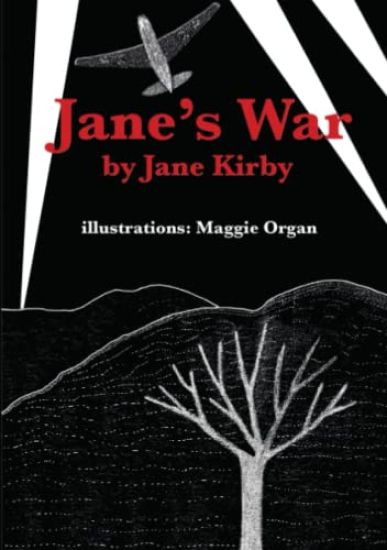
Eastbourne was the most raided town in the South East during World War II. Jane Kirby, the author of Jane's War, lived in Willingdon, a village just inland from there. She was 9 when the war started and 15 when it finished and writes of her life in the village at that time. Read about how her and her friends managed with gas-masks, air-raids, ration books, evacuation to Hertfordshire, doodlebugs and the loss of loved ones. As a retired school teacher, Jane Kirby has written this as suitable for History Key Stage 2 - The Impact of the Second World War on the People of Britain. It should also appeal to anyone, who like herself, was a child at that time.
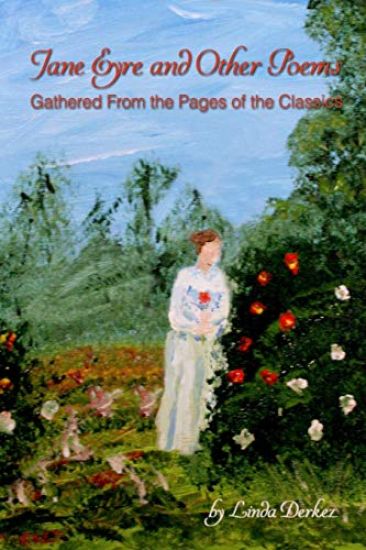
Jane Eyre and Other Poems Gathered from the Pages of the Classics
Linda Derkez
Lulu.com
2015
nidottu
If you love Charlotte Bronte's Jane Eyre and other literary classics written in the 19th century, you'll be enchanted by this volume of poems gathered from the pages of Great Expectations, Frankenstein, Dracula, Anna Karenina and Jane Eyre. As Michelangelo saw "the angel" already within the unworked stone, Linda Derkez chips away at these masterpieces to free the poetry always present. Many of the verses are simply the authors' words rearranged to reveal the sheer poetry of some of the best writers the world has known. Language directly from the pages of these books is crafted into insightful poems that tell the stories and feelings of timeless characters.
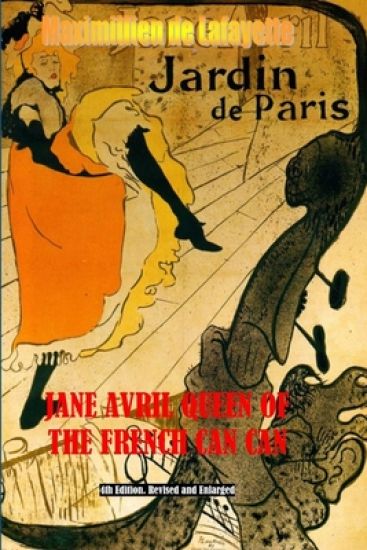
Published by Times Square Press, Paris, New York. Jane Avril Queen of the French Can Can. Aristocrat, marquise, French and Italian nobility, striper, dancer, author, writer, humanitarian, lovers' collector, queen of the French Can Can, friend of Oscar Wilde, Verlaine, Mallarme and the greatest poets of the era...and a French legend!
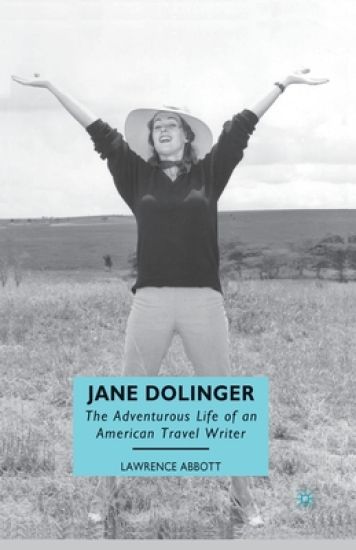
For almost forty years, Jane Dolinger traveled the world and wrote about her adventures, from the Amazon jungle to the sands of the Sahara. She produced eight books and more than a thousand articles between 1955 and 1995, and she also earned a reputation as a glamorous celebrity and model. Jane Dolinger was an anomaly in her time, a dynamic and attractive woman with an impressive literary talent, a woman who lived and documented a most unconventional and inspirational life. Sometimes controversial but always outstanding, Jane was a pioneer among women and writers. Here for the first time, her life and work are studied in a thoroughly researched yet entertaining literary biography.
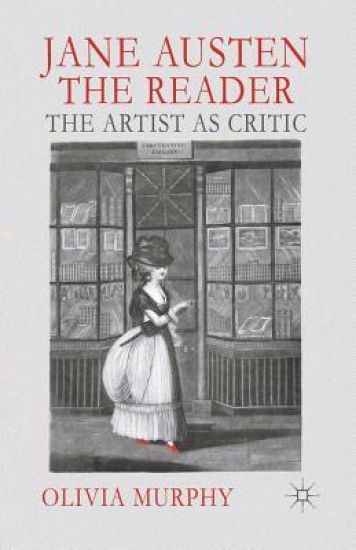
Jane Austen the Reader explains Austen's excellence and endurance by showing how her writing developed as a response to the writing of others: as parody, satire, criticism and even, on occasion, homage. Seeing Austen as a critic offers new insights into her creativity, and new interpretations of her novels.
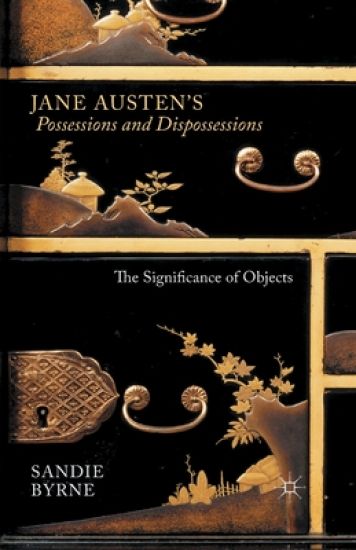
Who owns, who buys, who gives, and who notices objects is always significant in Austen's writing, placing characters socially and characterizing them symbolically. Jane Austen's Possessions and Dispossessions looks at the significance of objects in Austen's major novels, fragments, and juvenilia.
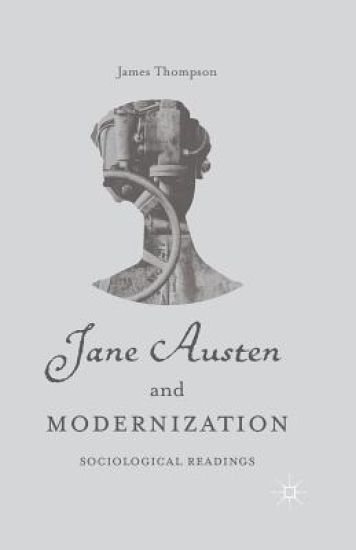
Jane Austen wrote when sociology was being established as the new discipline to understand social issues such as urbanization and industrialization. Drawing on landmark sociologists such as Durkheim and Bourdieu, this study argues that the novels of Austen were heavily influenced by these early developments in sociology.
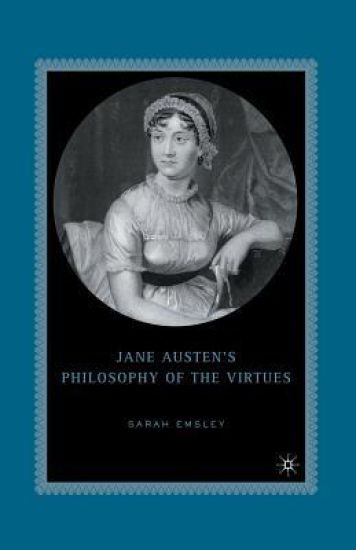
This book examines Austen's novels in relation to her philosophical and religious context, demonstrating that the combination of the classical and theological traditions of the virtues is central to her work. Austen's heroines learn to confront the fundamental ethical question of how to live their lives. Instead of defining virtue only in the narrow sense of female sexual virtue, Austen opens up questions about a plurality of virtues. In fresh readings of the six completed novels, plus Lady Susan, Emsley shows how Austen's complex imaginative representations of the tensions among the virtues engage with and expand on classical and Christian ethical thought.
This wide-ranging and convincingly argued study looks at the issues of and attitudes towards slavery in Jane Austen's later novels and culture, and argues against Edward Said's critique of Jane Austen as a supporter of colonialism and slavery. White suggests that Austen is both concerned and engaged with the issue, and that novels such as Mansfield Park, Emma and Persuasion not only presuppose the British outlawing of the transatlantic slave trade but also undermine the status quo of chattel slavery, slavery's most extreme form.
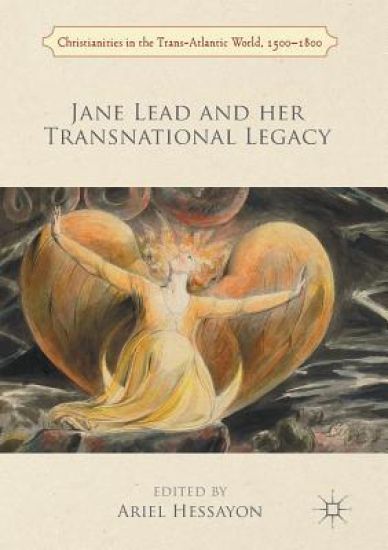
Jane Lead and her Transnational Legacy
Palgrave Macmillan
2018
nidottu
This book concerns one of early modern England’s most prolific female authors, Jane Lead (1624–1704). Well-researched and clearly written, these essays focus on aspects of Lead’s thought including her attitudes towards Calvinism, mysticism, androgyny and the apocalypse, her role within the Philadelphian Society, and her transnational legacy - particularly in the German-speaking world and North America. This book suggests that Lead was far more radical than has been supposed. It argues that her religious journey had staging posts, namely an initial Calvinist obsession with sin and predestination wedded to a conventional Protestant understanding of the coming apocalypse, then the introduction of Jacob Boehme’s teachings and accompanying visions of a female personification of divine wisdom and finally, the adoption of the doctrine of the universal restoration of all humanity. It locates Lead within a continuing tradition of puritan pastoral thought, showing how herpersonalised view of the millennium differed from most of her contemporaries and discussing her influence on Pietists and their conceptions of bodily transmutation. It also discusses strategies available to female authors and manuscript circulation as an alternative to print and examines her initial continental reception, particularly within Pietist and Spiritualist circles. Lastly, it traces her afterlife through the relationship between the Philadelphians and the French Prophets, the interest in Lead among the followers of Joanna Southcott and her successors, and the appropriation of Lead’s prophecies by two twentieth century movements: Mary’s City of David and the Latter Rain movement.
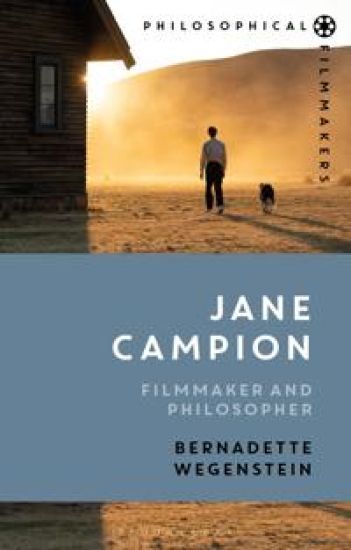
Throughout films and television series like The Piano, Bright Star, In the Cut and Top of the Lake, Jane Campion has constantly explored gender, subjectivity and narrative representation. In an intensive engagement with her cross-medium career, Bernadette Wegenstein examines how Campion gives a tangible and visible form to the female gaze in her exploration, deployment, and ultimately her subversion of highly formalized genres such as the period piece, the thriller, and the procedural drama. Keeping a strict focus on her directorial practice and specifically on the capacity of her cinematography to induce both empathy and estrangement, this vital new book shows how Campion is engaged in a permanent artistic and intuitive exposition of a profoundly feminist philosophical vision. Wegenstein’s work will be invaluable to scholars and students in gender and women’s studies, film studies and those on philosophy and film courses.
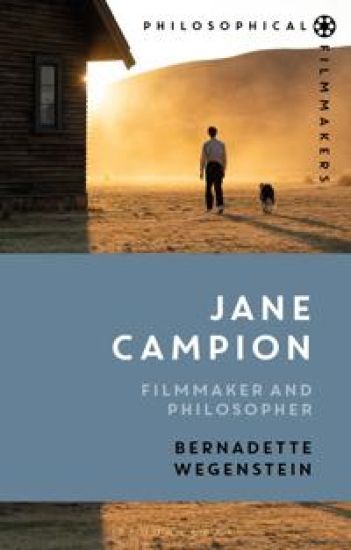
Throughout films and television series like The Piano, Bright Star, In the Cut and Top of the Lake, Jane Campion has constantly explored gender, subjectivity and narrative representation. In an intensive engagement with her cross-medium career, Bernadette Wegenstein examines how Campion gives a tangible and visible form to the female gaze in her exploration, deployment, and ultimately her subversion of highly formalized genres such as the period piece, the thriller, and the procedural drama. Keeping a strict focus on her directorial practice and specifically on the capacity of her cinematography to induce both empathy and estrangement, this vital new book shows how Campion is engaged in a permanent artistic and intuitive exposition of a profoundly feminist philosophical vision. Wegenstein’s work will be invaluable to scholars and students in gender and women’s studies, film studies and those on philosophy and film courses.
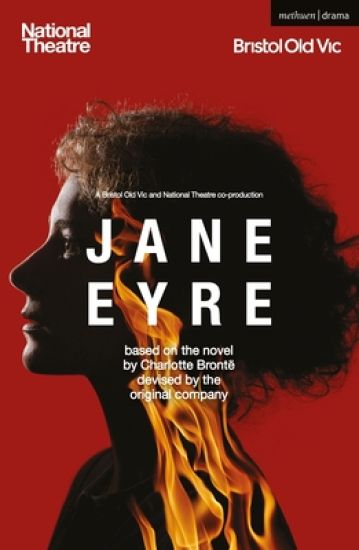
Almost 170 years on, Charlotte Brontë’s story of the trailblazing Jane is as inspiring as ever. This bold and dynamic production uncovers one woman’s fight for freedom and fulfilment on her own terms.From her beginnings as a destitute orphan, Jane Eyre’s spirited heroine faces life’s obstacles head-on, surviving poverty, injustice and the discovery of bitter betrayal before taking the ultimate decision to follow her heart.This inventive staging of Brontë's masterpiece was first staged by Bristol Old Vic in 2014, when the story was performed over two evenings. Director Sally Cookson now brings her celebrated production to the National Theatre, presented as a single, exhilarating performance.
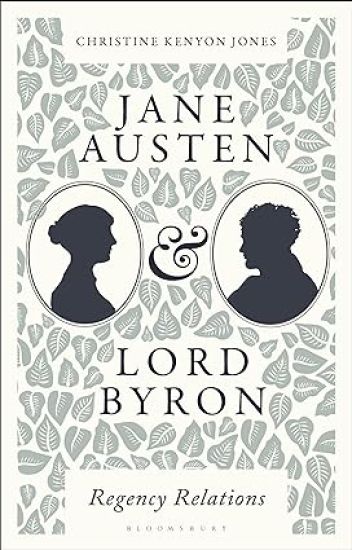
Jane Austen and Lord Byron are often presented as opposites, but here they are together at last. In Regency England he was the first celebrity author while she was a parson’s daughter writing anonymously. This book explores how their lives, interests, work and sense of humour often brought them within touching distance, and sets them side by side in the world of the Regency and Romantic period. Using some little-known sources and new research, it illustrates how they were distantly related by marriage; how they knew about each other even though they probably never met; the acquaintances they had in common and how their literary work often came close in subject-matter, approach, technique and tone.Engagingly written and beautifully illustrated, this book will inform and delight scholars and Austen and Byron fans alike, showing that these two great authors were closer than you might think, even in their own day.
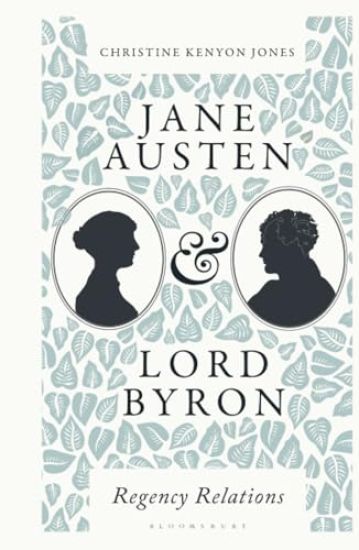
Jane Austen and Lord Byron are often presented as opposites, but here they are together at last. In Regency England he was the first celebrity author while she was a parson’s daughter writing anonymously. This book explores how their lives, interests, work and sense of humour often brought them within touching distance, and sets them side by side in the world of the Regency and Romantic period. Using some little-known sources and new research, it illustrates how they were distantly related by marriage; how they knew about each other even though they probably never met; the acquaintances they had in common and how their literary work often came close in subject-matter, approach, technique and tone.Engagingly written and beautifully illustrated, this book will inform and delight scholars and Austen and Byron fans alike, showing that these two great authors were closer than you might think, even in their own day.
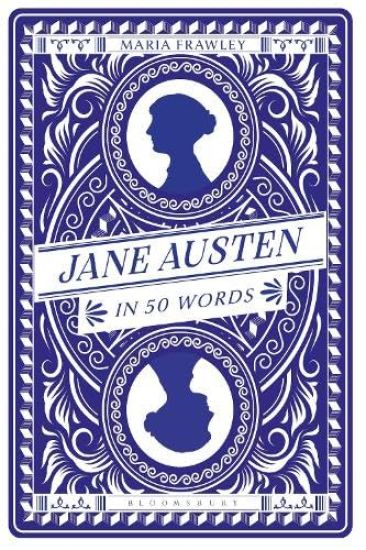
What does Jane Austen mean when she writes approvingly of a character's 'gentility' and ‘delicacy’, or critically of another's 'indolence' and 'impertinence’? What are her characters doing when they take the measure of a person's 'air' and 'address'? These questions and more are answered in this Janeite treasure trove, which examines the distinctive language woven through Austen’s signature stories. Much of the language used in Austen's time has either fallen out of common use or changed valence in significant and surprising ways. Maria Frawley takes 50 of those words - words that are integral to the fabric of Austen’s fiction - and explores them in short, accessible and lively entries. With juicy morsels for lifelong Austen lovers as well as new students of the great writer, Frawley offers new perspectives on Austen's world, giving readers the tools to better understand her novels individually and as a whole.
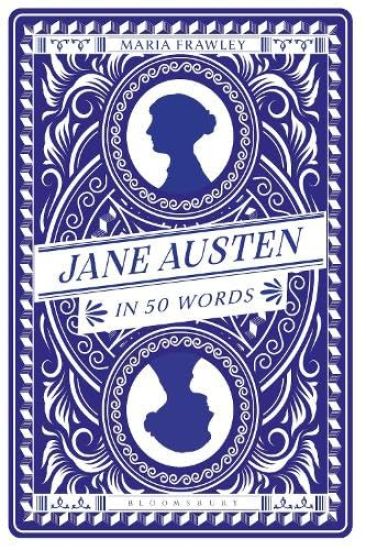
What does Jane Austen mean when she writes approvingly of a character's 'gentility' and ‘delicacy’, or critically of another's 'indolence' and 'impertinence’? What are her characters doing when they take the measure of a person's 'air' and 'address'? These questions and more are answered in this Janeite treasure trove, which examines the distinctive language woven through Austen’s signature stories. Much of the language used in Austen's time has either fallen out of common use or changed valence in significant and surprising ways. Maria Frawley takes 50 of those words - words that are integral to the fabric of Austen’s fiction - and explores them in short, accessible and lively entries. With juicy morsels for lifelong Austen lovers as well as new students of the great writer, Frawley offers new perspectives on Austen's world, giving readers the tools to better understand her novels individually and as a whole.