Fr hjahr 1996. Studienabsolventen starten von Dresden auf eine organisierte viermonatige Sprachreise nach S dengland. Schon die Fahrt nach Berlin Tegel wird zum Abenteuer, am Londoner Flughafen Heathrow versagt jedwede Organisation und die Gastfamilien sind ebenso nicht zur Aufnahme bereit. Schlie lich auf Schulkosten im Hotel untergekommen, suchen sie sich Jobs f r die weitere Finanzierung des Aufenthaltes, d rfen dabei sogar die Internetpr senz ihrer Gastgeberstadt berarbeiten und beginnen ihr Sprachtraining mit der bersetzung von Bedienungsanleitungen und Kochrezepten bei einer Hausfrau. So vergehen die Schultage schnell. Weitestgehend auf sich allein gestellt, bestimmen interessante und abenteuerliche Fahrten, eine Schlacht, Haie, Buspannen, Zugausf lle, einsame und menschenleere Gegenden, Bombenterror der IRA, Wanderungen unter der Themse und in U-Bahn-Tunneln, Spr nge ber Meridiane, alte Schiffe, Chinesen und Inder die Wochenenden. Eine ihrer Lehrerinnen versteht es perfekt, ihre Deutschkenntnisse zu verbergen, w hrend die andere verbiestert trotz eindeutiger Beweise jedweden Fehler in den offiziellen Schulungsunterlagen leugnet.Kommen die Reisenden heil zur ck nach Deutschland und bestehen sie ihre Pr fung vor dem Ausschuss der Universit t Cambridge?
In 1845, British Royal Navy officer and Arctic explorer Sir John Franklin (1786-1847) embarked on his third and final expedition into the Canadian Arctic to force the Northwest Passage. After two years with no word, a 20,000 reward was offered to anyone who could find the expedition, leading to many rescue attempts. Two such attempts were undertaken by Elisha Kent Kane (1820-1857), American explorer and United States Navy medical officer. Despite contracting scurvy and suffering greatly during his 1853 attempt, he continued on and went further north than any other explorer had managed. Kane was eventually forced to relinquish the icebound brig "Advance" on May 20, 1855 and spent the next 83 days marching against all odds to Upernavik carrying the invalids-losing but one man on the perilous journey. This volume contains a poem dedicated to Kane's courageous efforts to rescue the Franklin expedition, republished now by Ragged Hand in a brand new edition complete with an introductory biography of Sir John Franklin by John Know Loughton.
The story of how a Catholic nun became one of the twentieth century's most significant artists and activists is brought to life in a colorful picture book biography. "To be fully alive is to work for the common good." --Corita Kent Frances Kent always loved making things. When she joined the Sisters of the Immaculate Heart of Mary, she took the name Corita--meaning little heart--and devoted her life to what mattered most to her: art and religion. As an art teacher, Sister Corita emphasized practice and process over the final product and taught her students to experiment and break the rules. As a religious person, she turned her faith into concrete action and spoke out about the injustices she saw in the world. In the height of post-war consumerist culture, Corita, a contemporary of Andy Warhol, turned advertising on its head and wrote a new kind of scripture. Complimented by Victoria Tentler-Krylov's vibrant illustrations that--like Corita's work--incorporate typography and ads, author Dan Paley paints a portrait of the little-known but immensely influential pop-art nun whose messages are just as relevant today as they were in years past.
Joan, Fair Maid of Kent, lived in Fourteenth Century England and it was a brutal time in history. There were constant power struggles behind the throne. Very often King Edward III was not the most powerful person in England. During the fourteenth century the Black Plague attacked England with a vengeance. Approximately one-third of England's population died. During this time the people of England lived through one unimaginable horror after another. Whole families died. Dead bodies were often dumped into streets. There were funeral pyres everywhere and there was the constant smell of death. Royals were not exempt from this horror. Also during this time, England was embroiled in the One Hundred Years' War with France. Joan was caught in the middle of this. Joan's is a story of a strong and independent woman who followed her heart and had to struggle to do so. She was much more than just a pretty face. She was at one time possibly the most hated woman in England, and became the most admired and possibly the most powerful woman in England. She is primarily known for her secret marriage at the age of twelve, but less known for forming an army to save King Edward's claim to Aquitaine and negotiating a treaty between the Londoners and the very intimidating John of Gaunt. The Black Prince of England was her third husband. He was the first-born son of King Edward III and Queen Philippa of Hainault, the first black queen of England. Joan gave the Black Prince two sons, one son would be king, but it was the wrong son.
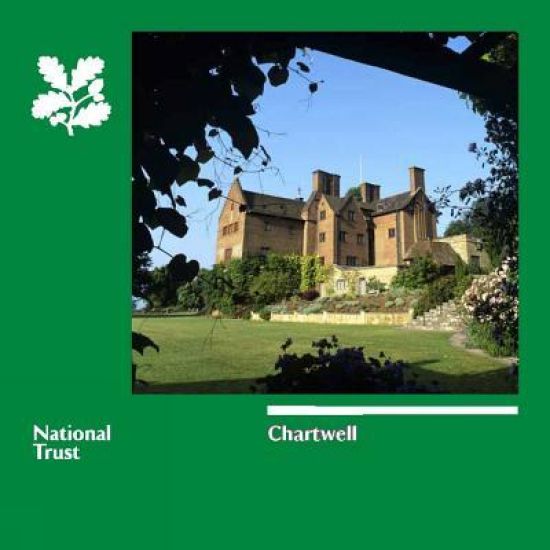
Bought by Sir Winston Churchill for its magnificent views over the Weald of Kent, Chartwell was his home and the place from which he drew inspiration from 1924 until the end of his life. The rooms remain much as they were when he lived here, with pictures, books and personal momentoes evoking the career and wide-ranging interests of this great statesman. The hillside gardens reflect Churchill's love of the landscape and nature. They include the lakes he created, Lady Churchill's Rose Garden and the kitchen garden. Many of Churchill's paintings can be seen in the studio.